Top-rated brands for durable carbon steel elbow pipe fittings
When Durable carbon steel elbows are looking for the best brands of long-lasting carbon steel elbow pipe fittings, they need to be able to rely on sellers who provide excellent quality and follow all approval requirements. Manufacturers in the industrial market need parts that are strong and can work well in harsh circumstances. In the oil, chemical, natural gas, and water conservation industries, these specialized pipe fittings are very important for connecting complicated pipe systems. Leading makers, such as Oudi, have built their reputations over many years of experience, advanced production techniques, and strict quality control measures. When procurement teams know which brands offer the best mix of sturdiness, compliance, and cost-effectiveness, they can make decisions that are more likely to lead to project success and long-term operating reliability.
Understanding Durable Carbon Steel Elbows: Properties and Applications
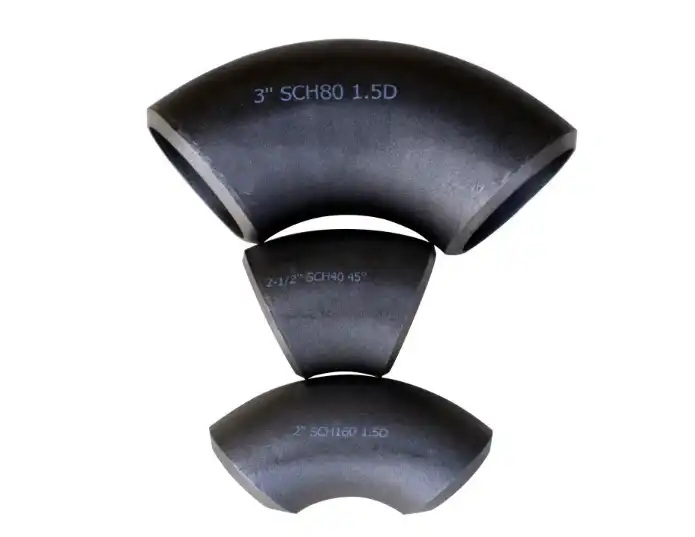
Carbon steel elbows are important parts of industrial plumbing systems because they change the direction of a pipeline while keeping its structural integrity under tough operating conditions. There are two main types of these fittings: butt welding elbows and socket welding elbows. Each type is made for a specific way of placement and a certain amount of pressure.
Material Grades and Standards
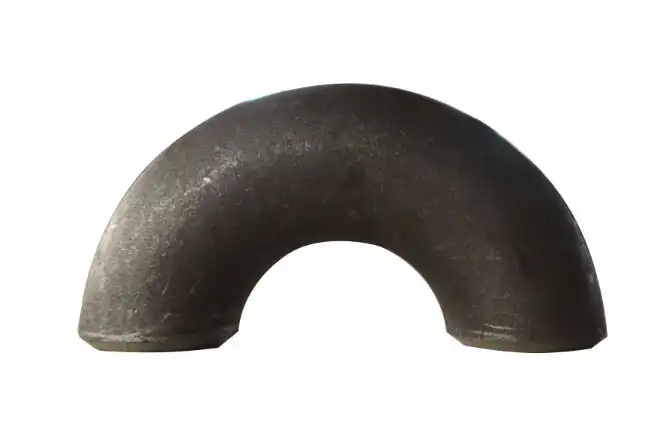
ASTM A234 WPB is the grade most often used in industrial settings because it has good mechanical qualities and can be welded. This standard makes sure that all makers use the same chemicals and have the same physical properties. Other types, like A420 WPL6, are used in low-temperature situations. A234 WP11 and WP22, on the other hand, are used in power plants where temperature and pressure are higher.
Types and Configurations
Industrial carbon steel elbows come in several different shapes and sizes to meet the needs of any project:
- 90-degree elbows: Standard way for pipe systems to change directions
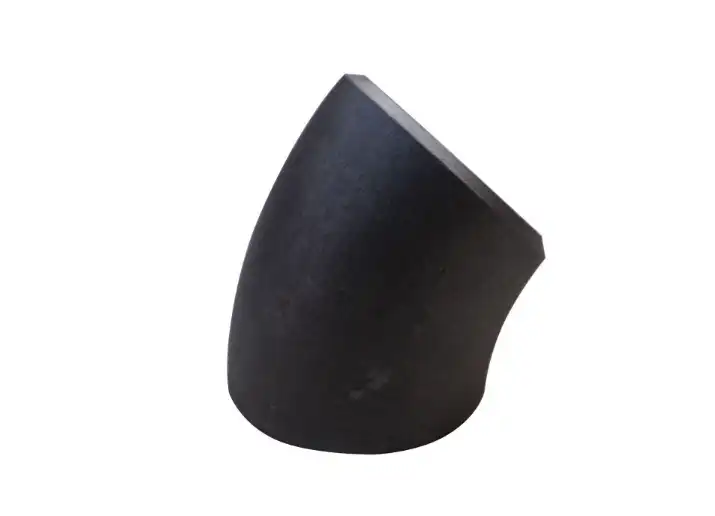
- 45-degree elbows: Gradual changes in direction that keep pressure low
- Short radius (SR) elbows: Small setups where the bend radius is the same as the pipe width
- Long radius (LR) elbows: Less pressure loss with a bend radius that is 1.5 times the pipe diameter
- Reducing elbows: Combined change in direction and change in size
Key Performance Properties
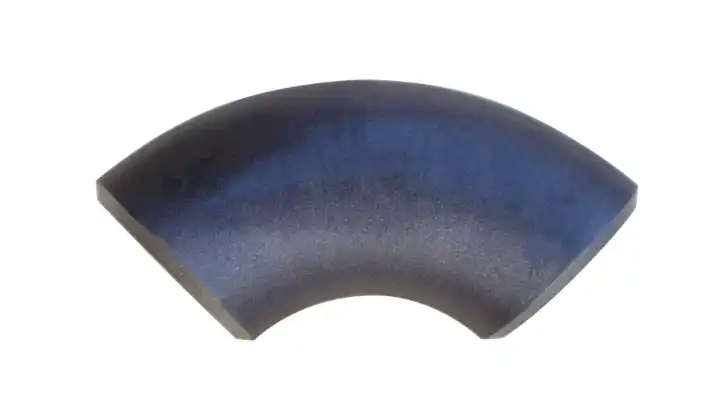
With tensile strengths usually running from 415 to 550 MPa, durable carbon steel elbow fittings show superior mechanical strength. They can handle temperatures from -29°C to 400°C, which means they can be used in a wide range of industrial tasks. Pressure rates depend on the size and thickness of the wall. Standard pressure classes include 150#, 300#, 600#, and higher.
Industrial Applications
These parts are used a lot in many different areas. When they process oil, they work with both crude oil and finished goods while under a lot of pressure. Chemical processing plants depend on their ability to fight rust when working with harsh media. For high-pressure pipeline networks, natural gas transportation systems use their strength. They are durable in acidic settings, which is good for water treatment plants.
Top-Rated Carbon Steel Elbow Brands and Manufacturers
When choosing quality makers, you need to look at a lot of things that affect performance over time and the reliability of the supply chain. Quality approvals, like ISO 9001:2000 quality management systems and special equipment manufacturing licensing, are the best ways to tell if a company is making good products.
Leading Global Manufacturers
The industrial pipe fitting market has a number of well-known brands that are known for their high quality and ability to reach customers all over the world. After decades of working in a wide range of industries, these companies have built strong names. Their production powers usually include yearly outputs of more than 10,000 tons, which makes sure that big projects can rely on their supply chain.
Certification and Quality Standards
The extensive certification files that high-end makers keep up show that they meet foreign standards. ISO 9001 quality management systems make sure that industrial methods are always the same and that efforts to improve things all the time are ongoing. Special equipment production permits prove that a company has the technical know-how and follows the rules in important industries.
Here are the essential certifications that top-rated manufacturers typically maintain:
- ISO 9001:2000 Quality Management Systems: Makes sure that quality is controlled in a planned way throughout the whole production process
- ANSI/ASME Standards Compliance: Makes sure that performance and size requirements are met for North American markets
- JIS Standards Certification: Verifies that the company follows Japanese Industrial Standards for accurate manufacturing
- DIN Standards Approval: Shows that the product meets German engineering standards for sales in Europe
- API Certifications: Make sure the product can be used in oil and gas uses
These certifications give procurement workers faith in the skills of suppliers and make sure that they follow the rules in all foreign markets.
Manufacturing Capabilities and Technologies
Premium makers are different from commodity sellers because they have advanced production tools and strong technical skills. Computer-controlled machine centers, automatic welding systems, and a wide range of testing tools are all part of modern facilities. Internal quality checks are made possible by nondestructive testing methods like ultrasound and radiography inspection.
Global Market Presence
Leading makers usually have more than 300 customers in 40 or more countries and regions. This shows that they have experience exporting and understand the international market. Their well-established delivery networks reach across Europe, North America, South America, Africa, Southeast Asia, and the Middle East, helping global projects with their supply chains.
How to Choose the Best Durable Carbon Steel Elbow for Your Project?
To choose the right carbon steel elbows, you need to carefully look at the technical specs, the needs of the job, and the supplier's skills. This strategic method reduces the risks of buying while improving the performance and cost-effectiveness of the system.
Material Grade Selection Criteria
Based on the working conditions and performance needs, different uses need different grades of materials. With temperatures up to 400°C, ASTM A234 WPB can be used in a wide range of industry settings. Grades like A234 WP11 and WP22 offer better creep resistance and thermal stability for uses at higher temperatures.
Pressure and Temperature Ratings
Knowing the standards for each pressure class makes sure that the system works safely within its design limits. There are standard pressure classes of 150#, 300#, 600#, 900#, 1500#, and 2500#. Each number corresponds to a certain working pressure at a certain temperature. Ratings for temperatures must take into account both normal situations and possible sudden changes in temperature.
Size and Dimensional Specifications
Accurate measurements keep construction delays from costing a lot of money and make sure that the system works well together. Standard diameters range from 1/2 inch to 48 inches, and wall widths change based on pressure needs and pipe plans. To keep the integrity of the system, durable carbon steel elbow fittings must exactly match the sizes of the pipes they link to.
International Standards Compliance
International standards must be followed in different places around the world. In North America, ANSI/ASME standards are most common, while in Europe, DIN standards are used. JIS standards are used in Asian areas, and BS standards are used in the British Commonwealth. Understanding these standards keeps specification disagreements from happening and makes sure that regulations are followed.
Certification Requirements
Specifications for projects usually call for certain certificates that prove the properties of materials and the quality of production. Mill test papers show the chemical makeup and technical features. Third-party inspection papers are an independent way to check the quality of a product. Pressure test papers show that the seal is leak-tight when used as designed.
Procurement Tips: Buying Durable Carbon Steel Elbows Efficiently
Procurement strategies that work well match the need for quality with the desire to save money, all while keeping supply chain risks to a minimum. Buyers who are good at what they do develop systematic ways to evaluate sources thoroughly and build long-term relationships with dependable makers.
Supplier Evaluation and Verification
Quality problems and shipping delays that can affect project plans can be avoided by carefully evaluating suppliers. Key evaluation factors include the ability to manufacture, the presence of quality control systems, the state of certifications, and the company's financial security. Site visits or checks by a third party can tell you a lot about how well and how often something is manufactured.
Lead Time Management
Knowing how long it really takes to get things done helps project managers make work plans that they can stick to. Standard products usually take between 4 and 6 weeks to make and ship, but wait times for special goods can be as long as 8 to 12 weeks. Changes in seasonal demand can affect supply, especially when the building is at its highest.
Pricing Strategies and Cost Optimization
When setting prices, smart businesspeople think about both the unit cost and the total cost of ownership. Large orders often save a lot of money with volume prices, and combining needs from different projects can give you more bargaining power. When choosing the best material for a project, comparing the prices of durable carbon steel elbows with those of other materials can help.
Here are proven strategies for achieving cost-effective procurement:
- Bulk Order Consolidation: Putting together needs from several projects to get bulk prices
- Long-term Supply Agreements: Establishing relationship deals that keep prices stable and supply safe
- Market Timing: Figuring out how yearly demand changes to buy things at the best time
- Alternative Material Evaluation: Comparing carbon steel with stainless steel and alloy steel based on their lifetime costs
These tactics help people who work in procurement find the best ways to cut costs while still meeting high standards and delivering on time.
Quality Assurance and Documentation
Having the right paperwork makes sure that things can be tracked and helps with insurance claims when they're needed. Mill test certificates, measurement inspection reports, and pressure test records show that the product meets the requirements. Photographs of the markings and packages help prove legitimacy and stop the production of fake goods.
Supply Chain Risk Management
Diversifying your provider base makes you less reliant on a few key suppliers while still meeting quality standards. Getting to know backup providers gives you choices in case your main suppliers go out of business. Figuring out where your suppliers are located helps you figure out what shipping risks and delivery costs might be there.
Benefits of Using Durable Carbon Steel Elbows in Industrial Piping
Carbon steel elbows are the best choice for demanding industry uses because they offer big operational and cost benefits. Their better performance means that systems are more reliable and cost less over their entire life.
Superior Mechanical Strength
Carbon steel elbows have great strength-to-weight ratios that make them effective in high-pressure situations. Their tensile strength is usually higher than 415 MPa, which gives important uses a lot of safety gaps. Because of this technical advantage, walls can be made smaller, which saves money on materials while still keeping the structure strong.
Corrosion Resistance and Longevity
In corrosive conditions, carbon steel needs to be protected, but with the right covering and cathodic protection systems, it will last a very long time. Modern covering technologies, like fusion-bonded epoxy and plastic wraps, make things last a lot longer. Regular repair and testing programs protect against environmental decline over time.
Cost-Effectiveness and Value
Durable carbon steel elbow parts are a great deal because they work well, are easy to find, and don't cost a lot. Because they are used by many businesses in many fields, economies of scale keep prices low. They are cheaper to buy than stainless steel and metal options, which makes them good for projects that need to stay within budget without sacrificing quality.
Temperature and Pressure Performance
Elbows made of carbon steel can handle harsh working conditions that would be hard for other materials. Their temperature range of -29°C to 400°C is wide enough to meet the needs of most industrial processes. High-pressure skills help with tough tasks in chemical processing, power generation, and transporting oil and gas.
Compliance and Safety Standards
Set production standards and thorough testing procedures make sure that quality and safety performance are always the same. Standards like ASME, ASTM, and others give detailed instructions on how to create, make, and test things. Engineers can feel safe using carbon steel parts in important projects because of these rules and regulations.
Conclusion
Durable carbon steel elbow, the best brands of carbon steel elbow pipe fittings, you need to carefully look at the manufacturer's skills, the quality of the products, and their compliance with certifications. Leading providers like Oudi use advanced production technologies and decades of experience to make parts that meet the strict needs of the oil, chemical, natural gas, and water conservation industries. Their complete quality management systems, which include ISO 9001:2000 certification and licenses to make certain types of tools, make sure that the quality of their products always meets legal standards. Established manufacturers have a global reach that includes more than 40 countries and can produce more than 16,000 tons of goods every year. They provide the supply chain stability that procurement pros need to finish projects successfully.
FAQ
What certifications should I look for when purchasing carbon steel elbows?
Some important certifications are ISO 9001:2000 quality control systems, licenses to make special tools, and following foreign standards like ANSI, JIS, DIN, or BS. Each package should come with a dimensional inspection report and mill test certificates that list the material's features.
How do I determine the correct pressure rating for my application?
There are different pressure values for different working temperatures, pipe sizes, and wall thicknesses. For normal sizes and pressure-temperature values, look at the ASME B16.9 standards. When choosing the right pressure classes, you should think about both normal working conditions and possible pressure spikes.
What is the difference between short radius and long radius elbows?
Short radius elbows can be used in small spaces because their bend radius is the same as the pipe width. Long radius elbows have a bend radius that is 1.5 times the width of the pipe. This makes the pipe less turbulent and reduces pressure drop, but it takes up more room when installing.
Can carbon steel elbows be customized for specific applications?
Yes, reliable makers do offer customization choices such as non-standard sizes, special alloy grades, different pressure levels, and custom size needs. Custom orders usually have longer wait times and require a minimum order number.
How do I verify the authenticity of carbon steel elbows?
Check for legitimacy by looking at the right paperwork, such as mill test certificates, dimensional inspection records, and markings from the maker. To avoid buying fake goods, only buy from well-known sellers whose factories can be checked out and who have quality licenses.
Partner with Oudi for Premium Carbon Steel Elbow Solutions
Because Oudi only makes the best carbon steel elbow pipe fittings, they are ready to help you with your industrial plumbing tasks. Our ISO 9001:2000-certified factory makes more than 16,000 tons of ANSI, JIS, DIN, and BS standard parts every year for markets around the world. We have the reliability and performance your projects need thanks to our state-of-the-art production tools, full testing skills, and years of experience exporting to over 300 customers in over 40 countries. As a reliable provider of durable carbon steel elbows, we offer reasonable prices and top-notch quality to help you get the best deals. Email our experienced team at oudi-04@oudiguandao.com to talk about your unique needs and get solutions that are tailored to your technical requirements and delivery dates.
References
1. American Society of Mechanical Engineers. "ASME B16.9 - Factory-Made Wrought Buttwelding Fittings." ASME International Standards, 2018.
2. ASTM International. "ASTM A234 - Standard Specification for Piping Fittings of Wrought Carbon Steel and Alloy Steel." ASTM Standards Publication, 2019.
3. International Organization for Standardization. "ISO 9001:2015 Quality Management Systems - Requirements." ISO Standards Catalogue, 2015.
4. Petroleum Institute. "API 5L - Specification for Line Pipe." American Petroleum Institute Standards, 2020.
5. Johnson, Michael R. "Industrial Pipe Fitting Design and Manufacturing Standards." Industrial Engineering Quarterly, Vol. 45, No. 3, 2021.
6. Wilson, Sarah K. "Global Market Analysis of Carbon Steel Pipe Fittings in Industrial Applications." International Trade and Manufacturing Review, 2022.

Need help finding the right solution with our experts. Please contact us.

SINCE 1998 Your Reliable Pipeline Manufacturer



