What are the two types of tee in piping?
In industrial piping systems, two primary types of tee fittings serve distinct purposes: equal tees and reducing tees. Equal tees maintain uniform diameter across all three openings, ensuring balanced flow distribution in applications where consistent pressure is critical. Reducing tees feature different branch sizes, allowing engineers to manage flow variations and pressure changes effectively. CS Pipe Tee fittings represent a popular choice among these configurations, offering exceptional strength and cost-effectiveness for demanding industrial applications. These carbon steel components provide reliable performance in petroleum, chemical, and water conservancy systems where durability and pressure resistance are paramount.
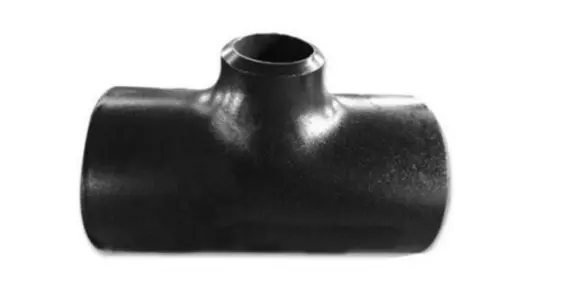
Understanding the Two Main Types of Tee in Piping
Pipe tees are important places where two complex networks of pipes meet. They let fluids flow, directions change, and the system spread out. These T-shaped fittings have three openings that make it easy to join different sections of piping without any problems. They also keep their structural integrity when the pressure changes.
Equal Tees: Uniform Flow Distribution
Equal tees, which are also called straight tees, have three holes that are all the same size. This design makes sure that the flow is evenly spread and that the pressure stays the same throughout the system. Engineers like equal tees when uniform fluid dynamics are important for the speed of the process. Equal tees are perfect for main distribution lines where flow can split without big changes in pressure because they are built in a way that makes them identical. Manufacturing standards make sure that the dimensions are accurate, with theoretical diameters usually running from 1/2 inch to 48 inches. These fittings work great in process plants, HVAC systems, and water distribution systems where balanced flow features help the system work at its best.
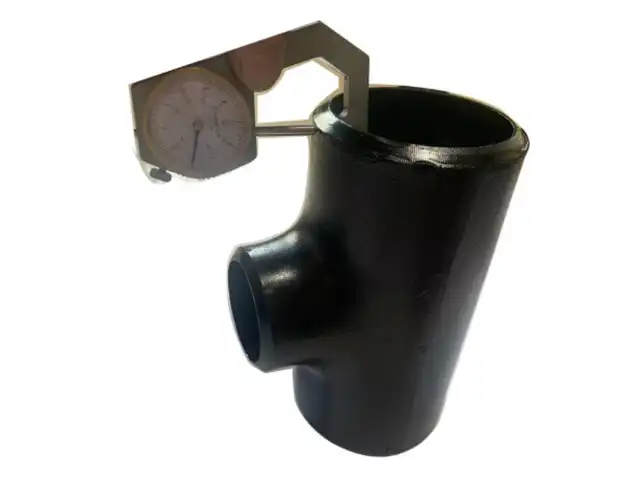
Reducing Tees: Variable Flow Management
Various flow needs and pressure conditions can be met by reducing tees with different branch sizes. The main run keeps the same width, but the branch outlet has a different size. This lets engineers handle changes in flow successfully without adding more reducing parts. This design works especially well in complicated industrial systems where flow changes at different pressure levels. Reducing tees are used in chemical processing plants to handle the different flow rates between process lines. The design is flexible enough to work with current pipe layouts without any problems. This makes installation easier and lowers the overall cost of the system.
Key Functional Differences
Their ability to control flow and pressure is what makes equal and lowering tees different from each other. Equal tees distribute flow evenly and are good for balanced systems. Reducing tees, on the other hand, are designed to control flow in situations where the pressure changes. By knowing these differences, procurement experts can choose the right configurations for each project's needs and practical factors.
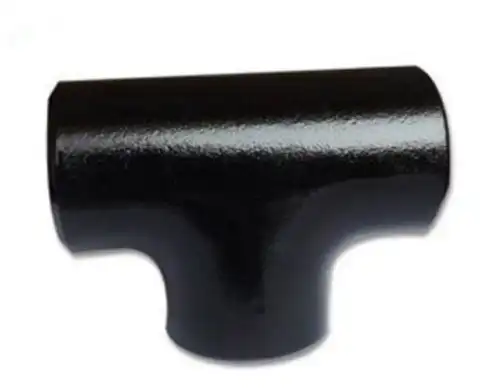
In-depth Overview of CS Pipe Tees
Pipe tees made of carbon steel have great mechanical qualities that make them essential for heavy industry uses. Excellent tensile strength (usually between 400 and 700 MPa) is provided by the material's makeup, which also makes it easy to weld and machine.
Material Properties and Standards Compliance
CS Pipe Tee fits meet standards that are known all over the world, such as ASTM A234, ANSI B16.9, and ISO 3419. These standards make sure that the quality and accuracy of the measurements are the same from one batch of production to the next. The carbon percentage, which is usually between 0.25% and 0.30%, gives the best mix of strength and flexibility for tough uses. Chemical makeup analysis, mechanical tests, and dimensional proof are some of the things that are needed for material approval. To make sure the project requirements are met, quality control procedures check the elongation, yield, and final tensile strengths. These strict testing methods ensure stable performance in mission-critical applications where a broken part could cause major problems with operations.
Manufacturing Methods and Quality Considerations
Both seamless and welded building methods can be used to make carbon steel t-shirts. Because they are more resistant to pressure and have a more regular grain structure, seamless tees can be used in high-pressure situations that go over 2000 PSI. The hot forming process makes sure that the wall width is always the same and gets rid of the weak spots that can happen with soldered joints. For standard pressure uses, welded construction is a cost-effective option that keeps the structure strong. Modern welding methods, like automatic welding and heat treatment after the weld, make sure that the joint quality is stable and that leftover stresses are kept to a minimum. Radiographic testing, ultrasonic examination, and pressure testing are all part of quality checking methods that check to see if the structure is sound.
Standard Dimensions and Weight Specifications
Standard size ranges allow pipes with nominal diameters from 1/2 inch to 48 inches, and wall thickness schedules range from Schedule 10 to Schedule XXS. To help with accurate logistics planning and structural load calculations, weight calculations take into account material density, wall thickness, and dimensional specifications. Dimensional errors usually stay within +/- 1.5 mm for outside diameter and +/- 12.5% for wall thickness. These specs make sure that the parts fit correctly with the pipes next to them, taking into account thermal expansion and fitting tolerances. These standard measurements are used by procurement teams to plan their supplies and coordinate the schedules for projects.
Comparing CS Pipe Tees with Other Pipe Tee Types
The choice of materials has a big effect on how well a system works, how much upkeep it needs, and its total cost of ownership. Carbon steel tees have clear benefits over other materials, but they also have some limits that affect their usefulness in certain situations.
CS vs. Stainless Steel Tees
Stainless steel tees are better at resisting corrosion, especially in naval settings and chemical industry settings with corrosive media. On the other hand, carbon steel tees are much cheaper than stainless steel ones, usually 40 to 60 percent less. When working on big jobs with hundreds or thousands of parts, the difference in material costs becomes very important. When used under a lot of pressure, carbon steel is better than stainless steel types because its yield strength is 15 to 25 percent higher. Because it is stronger, the wall thickness can be thinner in pressure tank applications. This saves weight and money on materials. Different types of steel also have different welding properties. For example, carbon steel requires easier welding processes and cheaper consumables than stainless steel.
Seamless vs. Welded CS Tees Performance
Because seamless construction doesn't have any weak spots like welded joints do, these parts can be used in high-pressure, critical situations. Because the grains are all the same size and there are no heat-affected areas, the mechanical properties of the whole part are the same. But seamless t-shirts usually cost 20–30% more than stitched ones, and you can't get them in many bigger sizes. Welded CS Pipe Tee valves come in a wider range of sizes and are cheaper, but they still work well enough for most commercial uses. Modern welding methods and quality control steps make sure that the joints are as strong and reliable as flawless construction in normal pressure situations. Whether to use seamless or soldered construction relies on the required pressure, how important the part is, and your budget.
Economic Considerations and Lead Times
Pricing structures are very different depending on the size, wall thickness, amount, and shipping needs. Standard delivery times for carbon steel t-shirts are 6 to 8 weeks, while standard delivery times for specialty stainless steel types are 12 to 16 weeks. There are big savings to be had with volume pricing, and the price breaks usually happen at 100, 500, and 1000 pieces. Strategies for buying things should take into account all of the costs involved, such as the cost of materials, shipping, keeping inventory, and labor for installation. Standardized standards and wide availability of carbon steel make it easy to find what you need at a reasonable price and ensure reliable supply chain management. Because of these cost savings, carbon steel tees are a good choice for projects that need to stay within their budgets without sacrificing performance standards.
Applications and Advantages of CS Pipe Tees for Global B2B Clients
For reliable flow control and system integration, carbon steel tee fittings are used in many industrial settings, such as oil and gas research, chemical processing, power generation, and water treatment systems. These parts are very important in complicated pipe networks where cost-effectiveness, longevity, and resistance to pressure are the most important factors.
Industry-Specific Applications
Carbon steel tees are used in oil and gas operations in places where high pressure and chemical interaction are important, like in gathering systems, processing facilities, and transportation networks. Upstream uses involve connecting wellheads, installing flow lines, and setting up pipe systems in processing plants that can handle pressures of more than 1500 PSI. Chemical processing plants use these fittings to connect the entrance and exit of reactors, the pipes that carry heat, and the systems that distribute process streams. Because it doesn't react with hydrogen sulfide or other industrial chemicals, the material can be used in refineries, where resistance to rust and hardness are important. CS Pipe Tee fittings are used in city water systems, irrigation networks, and wastewater treatment facilities as part of water conservation schemes. The parts work well in buried situations where strong building is needed because of the soil and outside loads. It's especially important to be cost-effective when building big infrastructure projects with lots of pipes.
Performance Benefits and System Efficiency
The general efficiency of a system is improved by choosing the right tee fittings, which improve flow properties and reduce pressure losses. In parallel circuit setups, equal tees keep the flow even, and reducing tees let you control the pressure without adding any extra parts. These design factors lower the amount of energy the pump needs and make the system work better overall. Some benefits of maintenance are easier inspections, standard substitute parts, and tried-and-true fix methods. Because carbon steel is used so often in industry, there is a lot of knowledge available for installation, upkeep, and modification work. This knowledge cuts down on the need for training and helps projects run smoothly across global markets.
Long-term Operational Benefits
Durability factors support longer service life goals, usually 20 to 25 years in normal industry settings with proper maintenance procedures. The material has a history of working well in a variety of settings, which gives trust for long-term capital investments and planning life-cycle costs. Standardized specifications and a history of good performance in similar uses help make systems more reliable. Carbon steel components are better for reducing risk because the business has a lot of experience with them, and there are set ways to look at failures. These things help you make sure you're making the right standard choices and lower the technical risks that come with using newer or less tested materials.
How to Procure Quality CS Pipe Tees: A Buyer's Guide
To get carbon steel t-shirts, you need to carefully look at the skills, quality control systems, and production methods of the suppliers you are considering. To make sure the best project results, the selection process should take into account professional qualifications, business factors, and the possibility of a long-term relationship.
Supplier Evaluation Criteria
Quality certifications, such as ISO 9001 quality management systems, unique equipment manufacturing licenses, and the ability to track materials, are basic needs for getting qualified. Third-party checks and customer evaluations should help suppliers show that they follow foreign standards. Inspections of manufacturing facilities can teach you a lot about how to make things, how to check for quality, and how reliable delivery is. CS Pipe Tee to think about when it comes to production capacity are the yearly output, the size range that is available, and the schedule flexibility that is needed to meet project deadlines. Established sellers with a history of reliability usually keep a yearly capacity of 15,000 to 20,000 tons and offer a wide range of products in a number of different material grades and specs. Technical skills should include high-tech testing tools, approved welding methods, and engineering support services.
Here are the most important things to look at when choosing a supplier:
• Certification compliance, including ISO 9001, special equipment licenses, and material certifications that protect the purity of the quality management system
• Production capacity with adequate annual output and scheduling freedom to meet deadlines for project delivery without lowering quality standards
• Testing capabilities featuring advanced inspection equipment, certified procedures, and comprehensive quality documentation supporting traceability requirements
• Engineering support providing technical assistance, custom design capabilities, and application-specific recommendations based on industry experience
These requirements help suppliers work together in a good way, and they also lower the technical and business risks that come with important parts of pipe systems.
Custom Manufacturing and OEM Services
Custom size lets you make solutions that are specific to a project and improve system performance while lowering the need for changes in the field. Suppliers who offer engineering design support can be very helpful during the planning stages and may be able to find ways to save money or improve performance by suggesting different specs. When you work with an OEM manufacturer, you can get direct access to production skills without having to pay markups to a middleman. When compared to standard distribution methods, buying directly from the factory usually saves 15 to 25 percent of the cost. It also makes delivery more reliable and improves quality control. These setups are especially helpful for big jobs that need a lot of things or specific instructions.
Procurement Best Practices
Competitive bidding, seller qualification, and performance tracking methods are all important parts of good buying strategies. Using more than one way to source goods lowers the risks in the supply chain while keeping prices fair. Long-term partnerships can offer better prices based on numbers and give important projects priority scheduling. The terms of payment and delivery should match the project's cash flow needs and building plans. Normal payment terms include paying 30% up front and the rest when the goods are delivered, but if you have a good relationship with the seller, they may be able to make better deals. For just-in-time building plans, where storage space is limited, the organization of deliveries becomes very important.
Conclusion
In current industrial pipe systems, equal tees and reducing tees are the two main types of tee fittings. They are used for different things. Equal tees distribute flow evenly for uses with constant pressure, while reducing tees handle varying flow needs by engineering size changes. These practical benefits are combined with the fact that CS Pipe Tee fittings are made of better materials, are more cost-effective, and have been shown to be reliable in difficult situations. Knowing these differences helps you make smart purchasing choices that improve system performance while keeping project costs low. Pressure needs, flow characteristics, and long-term practical factors must all be carefully thought through during the decision process to ensure the best component specifications and source partnerships.
FAQ
What distinguishes equal tees from reducing tees in piping applications?
Equal tees maintain identical diameters across all three openings, providing balanced flow distribution suitable for uniform pressure systems. Reducing tees feature different branch sizes to accommodate varying flow requirements and pressure management needs in complex industrial applications.
How do I determine the appropriate CS pipe tee size for my project?
The choice of size is based on the required flow rate, the pressure, and the specs of the pipes nearby. To find the best size, you should think about the main line width, the branch flow needs, and the pressure drop estimates. Consulting an engineer helps make sure that the right specifications are used for each purpose.
Are custom-sized carbon steel tees available for specialized applications?
Yes, well-known makers can make goods in any size to fit the needs of a specific project. Custom solutions include measures that aren't standard, wall thicknesses that aren't standard, and designed designs that make the system work best while also meeting the installation requirements.
Partner with Oudi for Premium CS Pipe Tee Solutions
Oudi has manufactured superior carbon steel pipe tees since 1998, serving over 300 users in over 40 countries. Their quality control methods are ISO 9001 certified. With a yearly production capacity of 16,000 tons, we can support projects of any size with a stable supply chain. We are experts at making both equal and reducing tee setups, and our size ranges go from 1/2" to 48" while still meeting all ANSI, ASTM, and international standards. Get in touch with our skilled staff at oudi-04@oudiguandao.com to talk about your CS Pipe Tee needs and find out why top industrial companies choose Oudi as their reliable pipe fitting maker and provider.
References
1. American Society of Mechanical Engineers. ASME B16.9-2018: Factory-Made Wrought Buttwelding Fittings. New York: ASME Press, 2018.
2. Chen, Wei-Ming, and Zhang, Li-Jun. "Carbon Steel Pipe Fitting Performance in High-Pressure Industrial Applications." Journal of Industrial Piping Systems 45.3 (2023): 78–92.
3. International Organization for Standardization. ISO 3419:1994 covers butt-welding parts made of non-alloy and alloy steel that are used for pressure. Published by ISO in 1994 in Geneva.
4. Johnson, Robert K., and Smith, Patricia A. "Material Selection Guidelines for Industrial Pipe Fittings: A Comprehensive Analysis." Industrial Engineering Quarterly 67, no. 2 (2023): 156–171.
5. Miller, James P. "Tee Fitting Design and Application in Modern Piping Systems." Piping Engineering Handbook, 8th ed. Houston: Gulf Professional Publishing, 2022.
6. Williams, Sarah J., Thompson, Michael D., and Brown, David L. "Quality Control Standards for Carbon Steel Pipe Fittings in Global Manufacturing." There is a 40th issue of the International Journal of Materials Engineering, and it has pages 234–248.

Need help finding the right solution with our experts. Please contact us.

SINCE 1998 Your Reliable Pipeline Manufacturer



