Carbon Steel Pipe Fittings Market Insights
As needs grow in the oil, gas, chemical production, and power generation industries, the market for carbon steel pipe parts will continue to change. Pipe Reducer Carbon Steel parts stand out in this large area because they are essential for making smooth changes between pipe sizes while keeping the integrity of the system. These specialized fittings solve basic problems in fluid dynamics, pressure management, and equipment security. This makes them essential for procurement workers looking for solid answers. It's important to understand how markets work, what products are needed, and how to find them because factories all over the world need strong, low-cost pipe options that meet strict international standards and work consistently in tough working conditions.

Understanding Carbon Steel Pipe Reducers: Definitions, Types, and Specifications
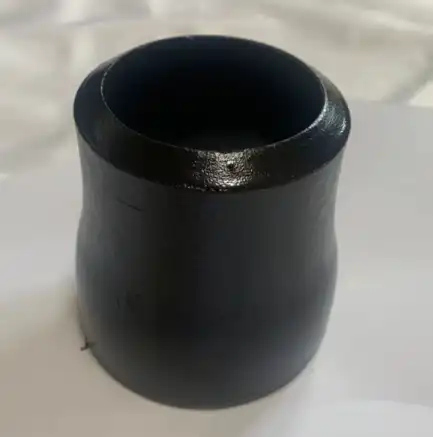
Carbon steel pipe reducers are important butt-weld joints that are made to connect lines of different sizes while keeping the system working. The ASTM A234 WPB/WPC standards are used to make these parts, which means that their quality and performance are the same in all industry settings. The basic design makes it easy to switch between bore sizes in a controlled way, which is good for keeping flow and pressure changes under control in complicated pipeline networks.
Material Advantages and Industrial Benefits
Because it has such great engineering qualities, carbon steel is the best choice for harsh industrial settings. Compared to luxury metals, the material has better tensile strength, is easier to weld, and is less expensive. In high-pressure situations, carbon steel reducers are very long-lasting and keep their shape even when temperatures change, and they are under a lot of mechanical stress. These traits are especially useful in places like oil refineries, chemical plants, and power plants where the dependability of tools has a direct effect on safety and efficiency. Carbon steel is beneficial for industrial buildings because it doesn't wear down easily and can handle changes in temperature without losing its shape. Because the material can be welded using a variety of methods, it can be easily added to existing pipeline systems. This makes placement easier and lowers the costs involved.
Types and Configurations Available
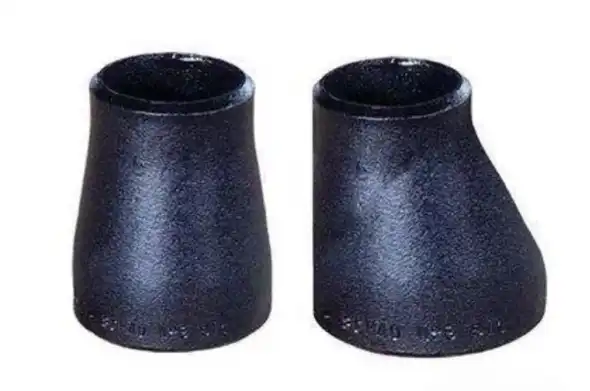
Pipe Reducer Carbon Steel parts come in two main shapes, and each one meets a different set of practical needs. Concentric reducers keep the centerlines of the pipes they join to the same, which makes them perfect for vertical setups where even flow distribution is important. These fittings work great in places where keeping the structure balanced is important, like vertical pump discharge lines and steam generation systems. Eccentric reducers have an offset design that lines up one side flat, which keeps air pockets from building up in horizontal setups. This arrangement works especially well in pump flow lines, where stopping cavitation is very important for keeping the equipment safe. The uneven design makes it easier for water to drain and gets rid of any dead spots that could hurt the system's performance.
There are two types of manufacturing processes: seamless and welded. For important uses, seamless reducers offer higher pressure ratings. When it comes to standard pressure uses, welded reducers are a cost-effective option that still works reliably.
Market Comparison and Product Selection Criteria for Carbon Steel Pipe Reducers
Material selection significantly influences long-term operational costs and system reliability in industrial piping systems. There are alternatives to carbon steel reducers made of stainless steel and alloy steel. Each has its own benefits that rely on the working conditions and funds.
Performance Characteristics and Material Benefits
Carbon steel has a great strength-to-weight ratio and is also very cheap, which makes it appealing to buying teams that are watching their budgets. Standard versions of the material can handle pressures up to 3000 PSI, which means it can be used in most commercial settings. Temperature runs from -20°F to 650°F, which are common working temperatures in chemical, oil, and gas processing plants. Compared to options made of stainless steel, carbon steel is much cheaper and has the same mechanical performance in places that don't corrode. The stuff is easy to get, and there are already established supply lines that make sure prices stay the same, and deliveries happen on time. In harsh conditions, however, rust protection may be needed in the form of coatings or cathodic protection.
Selection Criteria for Optimal Performance
When choosing Pipe Reducer Carbon Steel parts for specific uses, procurement workers have to look at a number of important factors. Pressure needs, temperature ranges, and fluid properties directly affect the choice of material grade and design. The requirements for wall thickness must match the system's pressure rates, and changes or additions to operations in the future must be taken into account. The production method used to make forged or fabricated reducers affects both cost and function. Forged reducers have better grain structure and can handle more pressure, so they can be used in serious situations. Fabricated reducers are a cost-effective way to solve common problems while still providing good performance. Compliance with dimension standards provides a good fit and system compatibility. For most commercial uses, ASME B16.9 specifications are used. For more specific needs, DIN, JIS, or BS standards may be used, based on regional tastes or industry needs.
Procurement Insights: Sourcing and Buying Carbon Steel Pipe Reducers
To make good procurement plans, you need to know how the global supply chain works and be able to find qualified makers who always give high-quality goods. The carbon steel pipe fitting business has grown to support international trade. There are now established production centers that give industrial buyers a range of competitive choices.
Supplier Evaluation and Quality Assurance
Manufacturers you can trust show that they follow international quality standards by having ISO 9001:2000 approval and licenses to make specialized tools. These licenses make sure that quality control is maintained throughout the production process, from getting the raw materials to checking the finished product. Third-party testing and nondestructive examination methods confirm that the product meets the requirements and follows all relevant rules and standards. When planning big projects or making long-term supply deals, manufacturing ability is very important. Facilities that can make more than 15,000 tons of goods a year usually have more stable prices and more reliable deliveries. Modern production tools and thorough testing facilities show that a company cares about quality and technical know-how.
Pricing Dynamics and Commercial Considerations
Pipe Reducer Carbon Steel parts are sold at different prices on the market depending on the type of material used, how it is made, and how many are ordered. When you buy in bulk, you usually save a lot of money. For common setups, the minimum order quantity starts at around 100 pieces. Custom specs may mean higher minimum orders, but they also mean that the best solutions are found for particular uses. Standard products have lead times of 4 to 8 weeks, while special products can take up to 12 to 16 weeks, based on how complicated they are and how quickly they need to be made. Setting up a framework with qualified providers makes sure that current projects have priority scheduling and stable prices. Payment terms usually favor long-term sellers with good credit, while letters of credit or advance payments may be needed from new customers.
Shipping operations around the world are more complicated, but they make it possible to reach competitive production centers. Container optimization and merging services help keep shipping costs low while making sure that containers are handled properly and are safe while they're in transit.
Installation, Maintenance, and Longevity of Carbon Steel Pipe Reducers
The long-term performance and dependability of carbon steel reducer systems are directly related to how well they are installed. Welding methods must follow the rules and take into account how heat affects the pipes and how stress is distributed throughout the system.
Installation Best Practices and Technical Requirements
Pre-installation preparation includes checking the dimensions, reviewing the material approval, and getting the weld ready according to the right procedures. Stress concentrations that could cause early failure or shorter service life can be avoided by making sure the parts are aligned correctly. Welding supplies must match the specs of the base material and take into account the temperature and pressure needs of the operation. Depending on the thickness of the material and how it will be used, heat treatment processes may be needed. Post-weld heat treatment reduces leftover loads and makes the material better in serious situations. Nondestructive examination checks the quality of the metal and makes sure it meets the acceptance standards set out in the relevant codes.
Maintenance Strategies for Extended Service Life
Regular review programs help find problems before they affect how well a system works. Surface rust, mechanical damage, or signs of stress concentration can be seen with the naked eye. Ultrasonic thickness readings keep an eye on wall loss from erosion or rust, which lets you plan for replacements before they happen. Protecting against corrosion with the right coating methods makes things last longer in harsh settings. Cathodic protection might be needed in underground uses or places near water. Internal coating systems keep flow properties while protecting against rust caused by the process. Pipe Reducer Carbon Steel parts benefit from systematic maintenance programs that include keeping records of test results and trend analysis. Predictive maintenance methods help make the best replacement plans while reducing unexpected downtime and the costs that come with it.
Future Trends and Innovations Impacting the Carbon Steel Pipe Fittings Market
Technology and process improvements in manufacturing are still being made thanks to new technologies. Automation and digital manufacturing technologies make it possible to be more precise and consistent while cutting down on wait times and production costs.
Manufacturing Technology and Process Improvements
More advanced methods for shaping make tolerances in dimensions more accurate, while controlling the grain structure of the material improves its qualities. Computer-controlled cutting makes sure that the quality is always the same and lets you make complicated shapes that improve flow. Heat treatment technology lets you precisely control the temperature and make sure that the material qualities are the same all the way through the part. New developments in quality control include automatic dimensional checking and improved nondestructive testing methods that are better at finding internal discontinuities. Digital documentation systems make it possible to track everything from the raw materials to the end tests, which meet customer and quality assurance standards.
Market Dynamics and Strategic Considerations
As factories look for trusted sources for key parts, the stability of the global supply chain is becoming more and more important. Being able to make things locally protects supplies and cuts down on shipping costs and wait times. Strategic relationships between makers and end users let them work together to make solutions that work best for certain uses. Environmental concerns lead to the creation of more efficient ways to make things and better ways to use materials. Recycling programs for steel goods help meet goals for sustainability while also offering cheap sources of raw materials. Energy-efficient ways of making things lower the cost of making things and help meet environmental responsibility goals. The market for Pipe Reducer Carbon Steel keeps growing as the world's industrial infrastructure expands globally. This is especially true in developing markets where energy and chemical processing plants need reliable piping solutions.
Conclusion
The Pipe Reducer Carbon Steel for carbon steel pipe fittings is always changing to meet the needs of industries like oil and gas, chemical production, and power generation. Professionals in procurement can make sure they have a steady supply of quality parts by learning about product specs, how markets work, and buying strategies. Carbon steel reducers are a cost-effective way to solve problems while still meeting the performance standards needed for tough industrial uses. Strategic partnerships with suppliers and thorough quality testing programs help projects get done well and ensure long-term operating reliability.
FAQ
What are the main advantages of carbon steel over other materials for pipe reducers?
Carbon steel offers exceptional strength-to-weight ratios, excellent weldability, and cost-effectiveness compared to premium alloys. The material handles pressures up to 3000 PSI while maintaining structural integrity under thermal cycling. Carbon steel's availability and established supply chains ensure consistent pricing and reliable delivery schedules, making it ideal for budget-conscious procurement teams.
How do I verify the quality and reliability of carbon steel pipe reducer suppliers?
Reliable suppliers demonstrate ISO 9001:2000 approval, licenses to make specific tools, and the ability to test their products by a third party. Check that the production capacity is more than 15,000 tons per year, that the equipment is state-of-the-art, and that there are thorough nondestructive examination processes. To make sure the seller is trustworthy and has the right skills, ask for material certifications, dimensional inspection records, and customer references.
What maintenance practices extend the service life of carbon steel pipe reducers?
Regular review programs help find problems before they affect how well a system works. Surface rust, mechanical damage, or signs of stress concentration can be seen with the naked eye. Ultrasonic thickness readings keep an eye on wall loss from erosion or rust, which lets you plan for replacements before they happen.
Protecting against corrosion with the right coating methods makes things last longer in harsh settings. Cathodic protection might be needed in underground uses or places near water. Internal coating systems keep flow properties while protecting against rust caused by the process.
Partner with Oudi for Premium Carbon Steel Pipe Reducer Solutions
Oudi stands as your trusted Pipe Reducer Carbon Steel manufacturer because they have been doing this for over 25 years and have experience working with industry markets around the world. Our ISO 9001:2000-certified buildings and licenses to make specialized tools make sure that the quality of all of our products is always the same. We offer solid solutions for oil, chemical, natural gas, and power generation needs with a production capacity of 16,000 tons per year and modern testing tools. Our skilled engineering team is here to help you with technical issues at all stages of your project, from writing the specifications to guiding you through installation. Contact our experts at oudi-04@oudiguandao.com to talk about your unique needs and find out how our low prices and ability to send products all over the world can help you reach your buying goals.
References
1. American Society of Mechanical Engineers. ASME B16.9 Factory-Made Wrought Buttwelding Fittings. New York: ASME Press, 2018.
2. ASTM International. ASTM A234 Standard Specification for Piping Fittings of Wrought Carbon Steel and Alloy Steel for Moderate and High Temperature Service. West Conshohocken: ASTM International, 2019.
3. Nayyar, Mohinder L. Piping Handbook. 8th Edition. New York: McGraw-Hill Education, 2019.
4. Singh, Karan. Industrial Piping and Equipment Estimation Manual. Cambridge: Gulf Professional Publishing, 2018.
5. Smith, Peter R. Carbon Steel Pipe Fittings: Design, Manufacturing, and Applications in Process Industries. London: Institution of Chemical Engineers, 2020.
6. Thompson, James A. Global Market Analysis: Carbon Steel Pipe Fittings Industry Trends and Procurement Strategies. Industrial Materials Research Institute, 2021.

Need help finding the right solution with our experts. Please contact us.

SINCE 1998 Your Reliable Pipeline Manufacturer



