What are the different types of elbows in piping?
Pipe elbows represent essential components that redirect fluid flow in industrial piping systems, with angular changes typically ranging from 45° to 180°. These fittings differ significantly from pipe bends through their precise geometric configurations and standardized dimensions. Power plant pipe elbow applications demand exceptional reliability due to extreme operating conditions involving high pressure, elevated temperatures, and corrosive media. Carbon steel, stainless steel, and alloy steel variants each serve specific operational requirements across the petroleum, chemical, natural gas, and water conservancy industries. Understanding elbow classifications enables engineers to optimize system performance while ensuring compliance with international standards, including ASME, ASTM, and ISO specifications.
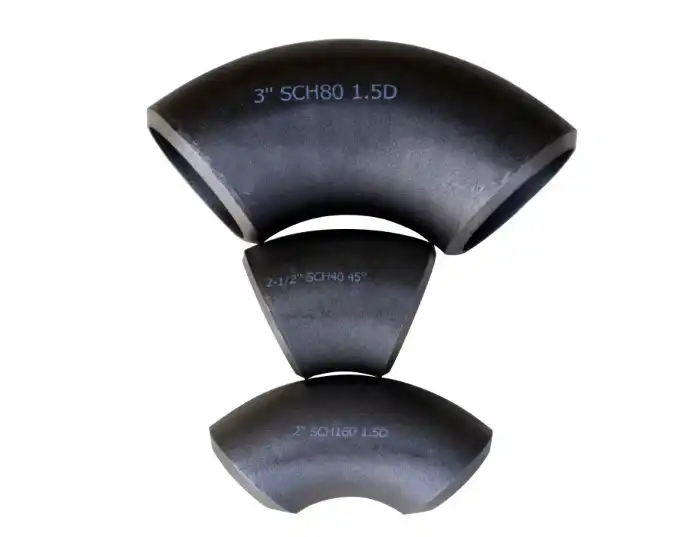
Understanding Pipe Elbows in Power Plant Piping Systems
Fundamental Design Principles and Applications
Pipe elbows are important directional parts of complex power plant infrastructure. They make fluid changes smooth and keep the system's integrity. Because of the limited room in industrial settings, these fittings make it possible for engineers to route pipe systems around hurdles and through tight spaces. The precise geometry of the elbows makes sure that flow patterns are reliable, which lowers turbulence that could hurt the efficiency of the system. Modern power plants depend a lot on elbow designs that are smooth, which get rid of the weak spots that come with soldered seams. Buttweld seamless steel pipe elbows are a good example of this method. They are made by hot pressing, mandrel making, or extrusion, all of which keep the material constant. Because there are no horizontal welds, the hoop is stronger, which is important for uses that need to handle volatile gases and high-pressure steam.
Industry Standards and Compliance Requirements
Power plant pipe elbow standards make sure that the product works with a wide range of power plant designs and keeps the safety margins needed for important uses. ASME B16.9 sets the size requirements for welding parts, and ASTM standards set the chemical makeup and mechanical qualities of materials. The standards for ISO certification add worldwide recognition, which makes it easier to buy things and make sure they are of good quality around the world. Quality management systems that use ISO 9001 concepts offer organized ways to achieve high-quality production. These systems make it possible to track a product from where the raw materials come from to the final review. This makes sure that all production batches of a product perform the same way. Special equipment manufacturing licenses are another way to prove that a company can make things. This is especially important for high-pressure uses that go beyond normal business ratings.
Types of Power Plant Pipe Elbows and Their Applications
Angular Classifications and Flow Characteristics
Different angular designs meet different practical needs. Here are the main types of angles that can be categorized:
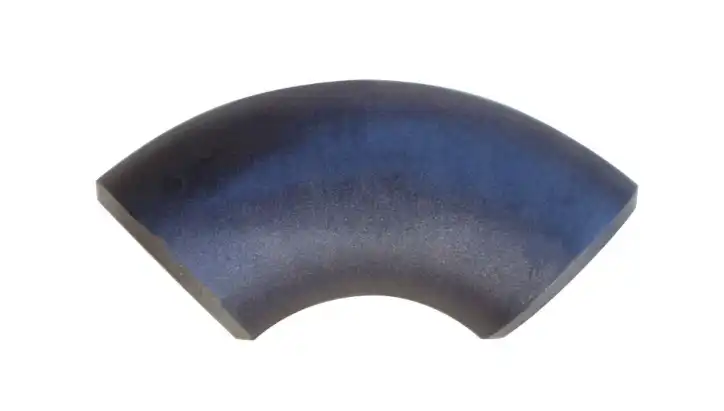
- 90-degree elbows make sharp changes in direction and are good for small setups where room limits the routing choices. When accurate geometric alignment is needed between straight pipe runs, these fittings work great.
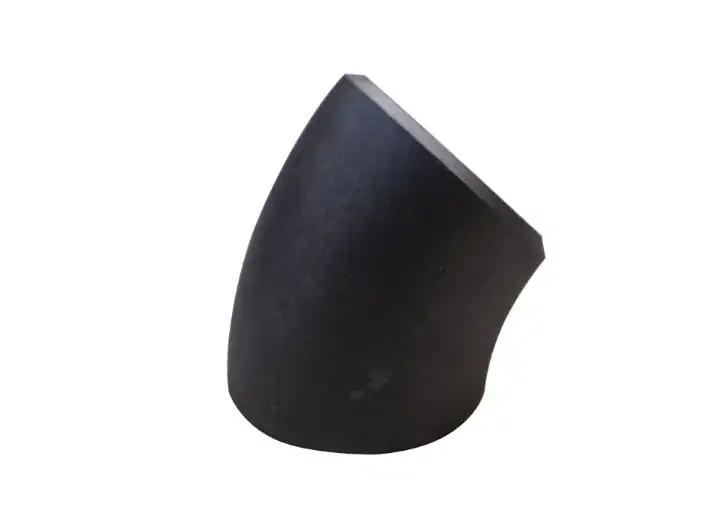
- 45-degree elbows give smoother flow changes that lower pressure drops and lower the chance of damage in high-speed situations. Less turbulent features are especially helpful for steam transport systems.
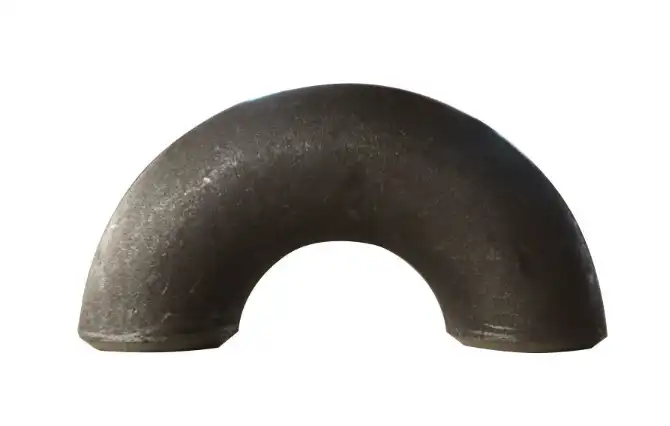
- 180-degree return elbows let flow go in the opposite direction while taking up very little room. They are often used in heat exchanger links and small manifold designs.
These changes in angle allow for different installation needs while keeping the best flow qualities that are needed for power plant performance.
Radius Specifications and Performance Impact
Long radius and short radius setups have big effects on how the system works hydraulically and how flexible it is to place. Long radius elbows have central measurements that are 1.5 times the standard pipe diameter. This makes flow changes smoother, which lowers pressure losses and erosion risks. Short radius versions use a relationship that is 1.0 times the diameter, which allows for small placements where room constraints are more important than hydraulic concerns. Depending on the needs of the application, a power plant pipe elbow can have different radius choices. When it comes to low-pressure auxiliary systems, short radius fittings may be used to save room, while long radius designs are better for high-pressure steam systems to keep flow problems to a minimum. The process of making both setups keeps accurate measurements that are needed for safe installation in the field.
Construction Methods and Material Integrity
Seamless building methods are better than welded ones. This is especially important in harsh power plant settings. Hot-forming methods keep the structure of the material's grains while creating the complicated shapes needed for angle changes. This way of making things gets rid of the weak spots that can happen with longitudinal welds, making the system more reliable when it comes to temperature cycles. When used in low-pressure situations, a welded elbow design can save money while still meeting performance standards. Modern welding methods and heat treatment after the welding process make sure that many power plant support systems have the right mechanical qualities. During the whole manufacturing process, quality control measures like non-destructive tests make sure that the weld is still solid.
Material Choices for Power Plant Pipe Elbows and Their Impact
Carbon Steel Advantages and Limitations
Carbon steel is the most common material used for power plant pipe elbow applications because it has a good strength-to-cost ratio and can be used in a wide range of circumstances. Standard grades, like A234 WPB, work well in situations with mild temperature and pressure while still being cost-effective for large-scale installs. The material's mechanical behavior under temperature stress can be predicted, which makes engineering math and optimizing system design easier. Limits on corrosion resistance mean that the working setting needs to be carefully thought through. In high-temperature steam uses, the possibility for internal scaling may mean that protective coatings or material improvements are needed. Painting or galvanizing the outside of outdoor devices to keep them from corrosion increases their useful life.
Stainless Steel Performance Characteristics
304L and 316L types of stainless steel are very resistant to corrosion, which is important for chemical handling and high-temperature steam uses. When chromium is present, it makes protective oxide layers that prevent the material from breaking down in oxidizing situations. Better temperature capabilities allow for wider operating ranges than carbon steel can, meeting the needs of chemical and superheated steam processes. When you buy stainless steel elbows, you're paying more because the material is better and can last longer. Lifecycle cost analysis often suggests choosing stainless steel, even though it costs more at first. Overall cost savings are higher in demanding situations where upkeep needs are lower and refill periods are longer.
Alloy Steel Specialized Solutions
Alloy steel formulations are used in harsh working situations that are beyond the capabilities of regular steel. Grades of chrome-molybdenum offer better creep resistance, which is important for high-temperature power generation uses. These special materials keep their mechanical features even when they are kept at high temperatures for a long time. They also don't break down when hydrogen is present in process settings. Through controlled chemical makeup and heat treatment methods, custom metal compositions can be made to fit the needs of each application. With help from experienced metallurgists in engineering, the right material is chosen for each set of working conditions. Before going into production, advanced testing methods check the mechanical qualities and resistance to corrosion.
Installation and Maintenance Best Practices for Power Plant Pipe Elbows
Pre-Installation Quality Verification
Comprehensive checking processes make sure that power plant pipe elbow parts meet all the requirements before they are installed. Material approval makes sure that the product meets design standards, while dimension proof makes sure that it works with existing pipe systems. Non-destructive testing, such as ultrasound examination, finds flaws that could weaken the system's stability. During the building process, storage and handling rules prevent damage from happening. The right support stops warping, and protective covers keep the surface in good shape. During installation, temperature is taken into account to avoid thermal shock, which could cause cracks or changes in size that make it hard to balance the system.
Welding Procedures and Quality Control
For joints between elbows and nearby pipe parts to be effective, qualified welding methods must be used. Preheating is needed to stop fast cooling, which could cause lingering stresses or cracks. Post-weld heat treatment reduces strains and improves the mechanical qualities of the whole area that was heated. Before the system is pressurized, the structural stability is checked by X-rays or ultrasound waves to make sure the weld quality. Dye penetrant testing shows flaws on the surface that could get worse in real-world use. Requirements for documentation keep things able to be tracked for future inspections and upkeep.
Preventive Maintenance Strategies
Inspections that are done on a regular basis find early signs of wear and tear before they break. A visual inspection can show surface rust, coating wear, or mechanical damage that needs to be fixed. An internal check using a boroscope shows that there is wear, rust, or deposit buildup that changes the way the fluid flows. Corrosion monitoring tools keep track of how quickly materials break down, which lets you plan for upkeep. Ultrasonic thickness readings show how much wall loss is happening, and eddy current testing finds the start of cracks. These monitoring methods make the most of repair intervals while also stopping sudden breakdowns that could hurt plant operations.
How to Choose the Right Power Plant Pipe Elbow: A Decision Support Framework
Engineering Specifications and Performance Requirements
To choose the right elbow parts, you need to look at a lot of working factors, such as pressure, temperature, flow speed, and fluid properties. The design pressure ratings must be higher than the highest working pressures by an amount that allows for safety margins and pressure surges. When thinking about temperature, you need to think about both normal working conditions and situations that could go beyond normal limits. Flow analysis figures out the best radius to use by combining installation limitations with pressure drop concerns. Computational fluid dynamics modeling can predict how erosion will happen and how much pressure will be lost in different working conditions. These engineering tools improve the performance of a system and make sure it will work reliably for a long time.
Supplier Evaluation and Quality Assurance
Power plant pipe elbow procurement necessitates a thorough evaluation of the supplier's producing capabilities, quality systems, and supply reliability. ISO 9001 approval shows that you systematically handle quality, and licenses to make special tools show that you are technically competent. A production capacity review makes sure that the deadlines for the project can be met without lowering the quality standards. Various types of testing, such as mechanical testing, chemical analysis, and non-destructive examination, make sure that the product meets the requirements. Traceability systems keep records that connect produced goods to the places where the raw materials came from and the steps used to make them. With these quality assurance steps, you can be sure that the product will work well for a long time.
Cost Optimization and Procurement Strategies
Using bulk buying strategies can save you money by making sure that the quality of the goods you buy is the same for all of your projects. Standardization attempts keep performance margins high while reducing the complexity of goods. Long-term relationships with suppliers make it easier to get expert help and set priorities during key stages of a project. A total cost of ownership study looks at how much something costs to buy, how much it costs to put in, how much it costs to maintain, and how often it needs to be replaced. In this all-around method, higher-quality parts that last longer and require less upkeep are often given more weight. Value engineering studies find the best specs while keeping important performance traits.
Conclusion
Engineers and procurement workers can make decisions that improve system performance and efficiency by knowing the different types of pipe elbows that can be used in power plants. Different angular configurations, radius standards, building methods, and material choices all affect how well the system works as a whole and meet specific operational needs. Power plant pipe elbow selection needs careful thought about pressure levels, temperature ranges, resistance to corrosion, and fitting limitations. Quality production methods, strict adherence to international standards, and thorough quality testing programs all work together to make sure that products work reliably for a long time. The life of components is increased by using the right installation methods and preventative maintenance strategies, while working interruptions are kept to a minimum. Strategic methods for buying things weigh up the initial costs against the long-term value, aiming for the lowest total cost of ownership while keeping the performance standards needed for safe and effective power plant operations.
FAQ
What distinguishes pipe elbows from pipe bends in power plant applications?
Pipe bends use custom radius formations that are usually made through field bending operations, while pipe elbows have standard angular shapes that are made to exact measurement specs. Elbows offer known flow features and make inventory management easier, while bends allow for more fitting options to meet specific routing needs.
How do I determine appropriate pressure ratings for power plant elbows?
When choosing a pressure grade, you need to look at the highest working pressure, the design safety factors, and how the temperature affects the properties of the material. ASME B16.9 gives rates for pressure and temperature for common materials, and engineering formulas figure out the right safety margins. Think about what will happen if there is a pressure rise or a thermal expansion while the machine is running.
What material recommendations apply to high-temperature steam line applications?
For high-temperature steam uses, types 304L or 316L of stainless steel are usually needed because they are resistant to corrosion and can handle high temperatures. Chrome-molybdenum alloy steels are better at resisting creep in high temperatures that are too high for stainless steel. The temperature, pressure, and quantity of the steam affect the choice of material.
Why choose seamless elbows over welded alternatives?
When you use seamless construction, there are no horizontal weld gaps that could break under high pressure. The even structure of the material gives the hoop more strength and protection against stress corrosion cracks. Manufacturing processes keep the structure of the material's grains while getting precise control over dimensions that are necessary for a reliable fitting.
What inspection requirements apply during elbow installation?
A pre-installation inspection checks the dimensions, looks over the material approval, and uses non-destructive testing to find problems. Welding process approval makes sure that the right joining methods are used, and a post-weld examination makes sure that the joint is solid. Requirements for documentation keep things able to be tracked for future upkeep and legal compliance.
Partner with Oudi for Premium Power Plant Pipe Elbow Solutions
Oudi makes high-quality power plant pipe elbow parts that are designed to work in the toughest industrial settings. Our ISO 9001-certified factory makes elbows that are seamless or bonded and meet ASME, ASTM, and foreign standards. Each year, they can make more than 16,000 tons of elbows. Carbon steel, stainless steel, and alloy steel product lines all work the same way thanks to advanced production tools and strict quality control. Get in touch with our engineering team at oudi-04@oudiguandao.com to talk about your unique needs with a reliable power plant pipe elbow manufacturer that offers reasonable prices and on-time delivery.
References
1. American Society of Mechanical Engineers. "ASME B16.9 Factory-Made Wrought Buttwelding Fittings." New York: ASME Press, 2018.
2. Harvey, John F. "Theory and Design of Pressure Vessels." 4th edition. New York: Van Nostrand Reinhold, 2019.
3. Mohitpour, Mohammad, and Harold Golshan. "Pipeline Design and Construction: A Practical Approach." 3rd edition. New York: McGraw-Hill Professional, 2020.
4. Nayyar, Mohinder L. "Piping Handbook." 8th edition. New York: McGraw-Hill Education, 2019.
5. Singh, Karan P. "Mechanical Design of Heat Exchangers and Pressure Vessel Components." Berlin: Springer-Verlag, 2018.
6. Winkel, Philip. "Power Plant Engineering Standards and Practices." Boston: Butterworth-Heinemann, 2021.

Need help finding the right solution with our experts. Please contact us.

SINCE 1998 Your Reliable Pipeline Manufacturer



