How Do Industrial Steel Flanges Work in Pipelines?
Industrial Steel Flange components function as critical connection points in pipeline systems by creating secure, leak-proof joints between pipe sections, valves, and equipment. These flanges work through a bolted assembly mechanism that compresses gaskets between two flange faces, forming a pressure-tight seal capable of withstanding extreme temperatures, pressures, and corrosive environments. The mechanical distribution of loads across the bolt pattern ensures reliable performance in demanding applications ranging from oil refineries to chemical processing plants, making them indispensable for maintaining pipeline integrity and operational safety.
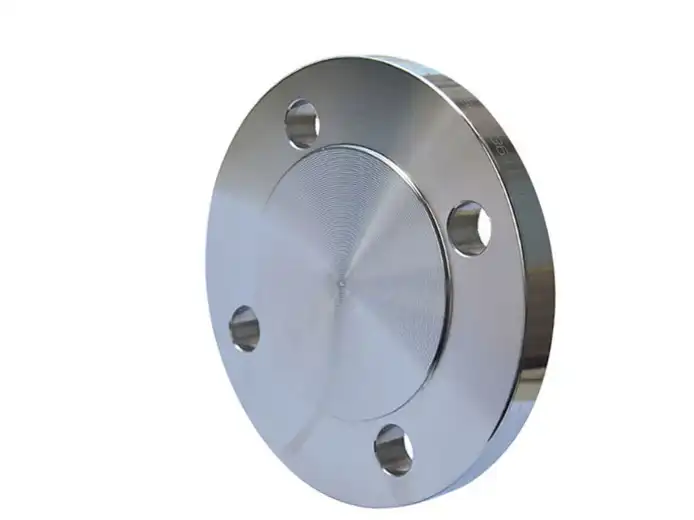
Introduction
Industrial steel flanges represent the backbone of modern pipeline infrastructure, serving as critical components that ensure secure and leak-proof connections across diverse industries, including chemical processing, oil and gas operations, and manufacturing facilities. These engineered connection points have become essential for maintaining system reliability under extreme operating conditions, where failure is simply not an option.
This comprehensive analysis provides an in-depth overview specifically tailored for global B2B procurement managers, engineers, and OEM partners who require a detailed understanding of flange functionality in pipeline applications. The discussion illustrates the essential role these components play in maintaining pipeline integrity and operational performance across various industrial sectors.
Through structured insights into flange types, manufacturing processes, application considerations, and strategic procurement approaches, readers will gain the knowledge necessary to make informed decisions that enhance operational efficiency and system reliability. The information presented here addresses real-world challenges faced by professionals responsible for specifying, procuring, and implementing pipeline solutions in mission-critical environments.
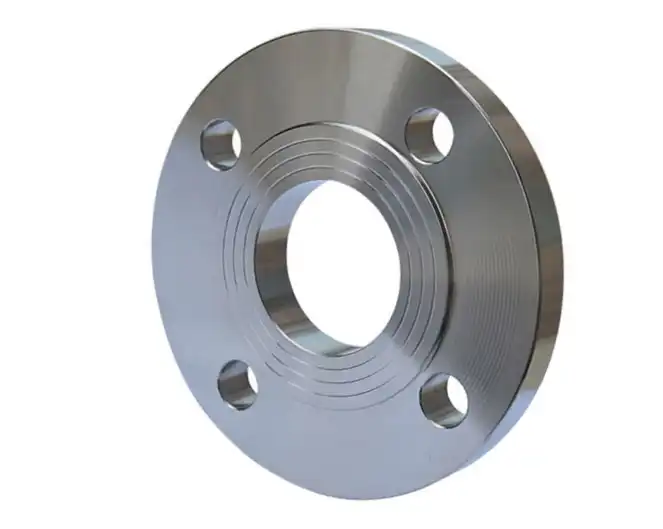
Understanding Industrial Steel Flanges and Their Role in Pipelines
Industrial steel flanges are very important because they connect pipe sections, valves, pumps, and other machines while keeping the system's integrity even when temperatures and pressures change. Because these parts are replaceable joints, they make it easy to maintain, check, and change pipeline systems without having to take them apart or cut them up a lot.
Material Compositions and Standards Compliance
The parts that make up steel flanges are very different depending on their use and the situations under which they are used. If you make carbon steel flanges according to ASTM A105 standards, they are very strong and can be used for many different things. The flanges have the right amounts of carbon, manganese, phosphorus, sulfur, and silicon. This makes for a balanced metal structure that works well in mild temperature and pressure settings. To get better results in tougher situations, Industrial Steel Flange goods made from special steels that meet ASTM A182 standards work better. These materials have chrome, molybdenum, and other alloying elements that make them stronger and less likely to rust at high temperatures. Strict obedience to international standards like ISO, DIN, and BS guarantees global compatibility and reliable performance in a wide range of working conditions.
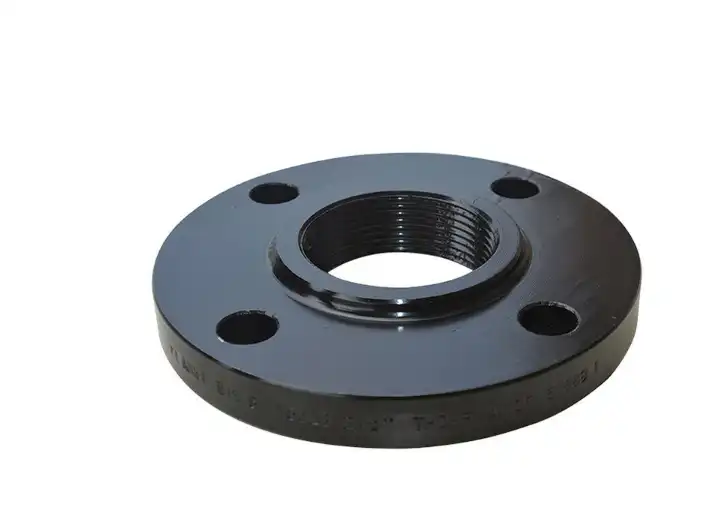
Common Flange Types and Design Features
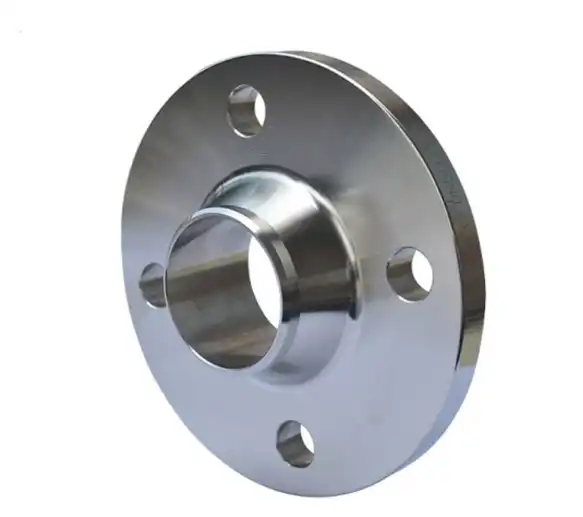
Weld neck flanges are the strongest type of link because they have a tapered hub that evenly distributes stress and resists wear. Because the change from pipe to flange is slow, there are no sharp stress concentrations. This makes these flanges perfect for high-pressure uses in power plants and industrial plants. Slip-on flanges are a cheap way to fix systems with low to middling pressure. Because they have a larger inner diameter, they are easy to install by sliding over the ends of pipes before welding. Slip-on flanges work well in many industrial settings and save time and money on installation, but they are not as strong as weld neck designs.
Manufacturing Processes and Quality Control
When compared to casting ways, the forging process aligns the grains more precisely, which leads to better mechanical qualities and dependability. Forged steel flanges have higher tensile strength, better resistance to wear, and no internal flaws like porosity and shrinking holes that can make them less effective when under pressure. Throughout the making process, quality control methods make sure that the product always works well and is reliable. Ultrasonic examination and magnetic particle inspection are two non-destructive testing methods that check the stability of important stress-bearing areas. Verification of dimensions makes sure that they are within the allowed ranges, which guarantees a good fit and seal during field installs.
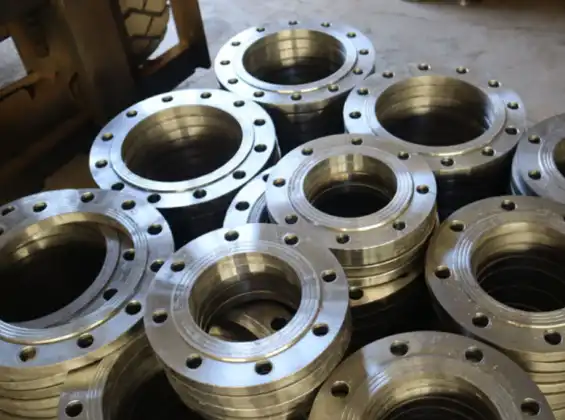
How Do Industrial Steel Flanges Work in Pipeline Systems?
Steel flanges make links that work by using a methodical closing system that combines tightening the gasket and carefully placing the bolts. The basic idea behind how it works is to clamp two flange faces together with enough force to squeeze an intermediate gasket. This makes a barrier that stops fluid leaks and keeps the structure strong under system pressures.
Installation Procedures and Best Practices
The first step in installing a flange correctly is to make sure that it is aligned correctly so that the stress and pressures on the seal are spread out evenly. The gasket has to be placed so that it is centered on the flange face and doesn't overlap past the bolt holes, which could damage the seal. Inserting the bolts in a certain order, with initial hand-tightening to make sure the seal is in the right place before applying the final torque values. When torque is applied, it does so in a cross-pattern order that keeps the seal from warping or becoming out of line. The torque numbers given by engineering standards take into account the properties of the bolt material, the type of gasket, and the required working pressure. To get the best seal performance while avoiding over-compression that could damage gasket materials or make stress distribution uneven, it is important to use the right amount of force. During fitting, temperature affects how well the bolts and gaskets work. When installing something hot, it might need to be retorqued after thermal cycling to keep the right amount of tension as the materials expand and contract. When using materials in cold service uses, it's important to be extra careful when choosing and installing them so that they don't break easily.
Performance Benefits and Operational Advantages
When properly placed, steel flanges have long-lasting properties that make pipelines more reliable and reduce the amount of work that needs to be done on them. The strong construction can handle changes in pressure, temperature, and mechanical movements that are common in industry settings. Because of its longevity, this connection method lasts longer and needs less upkeep than other options. One big practical benefit of flanged fittings is that they are easy to maintain. It is possible to make system changes, repair equipment, and do regular inspections without having to make major changes to the pipeline. Because flanged joints are removable, planned repair can be done that keeps operations running smoothly and costs less. Being able to work with different types of piping elements lets the system design be flexible and allow for future changes. Industrial Steel Flange assemblies can connect pipes made of carbon steel, stainless steel, and unique metals. This gives designers more options when making complex industrial systems.
Choosing the Right Industrial Steel Flange for Your Application
To choose the best flange specs, you need to carefully look at the qualities of the material, the pressure ratings, and the environmental conditions that are unique to each application. When making a choice, you have to find a balance between performance needs and cost factors while also making sure you follow all safety and industry standards.
Material Selection Criteria
Carbon steel flanges provide cost-effective solutions for applications involving non-corrosive fluids at moderate temperatures and pressures. The material offers excellent mechanical properties and weldability, making it suitable for general industrial applications, including water systems, compressed air, and petroleum service below 400°F. Stainless steel types are better at resisting rust in places where harsh chemicals are used, where cleanliness is important, or where food-grade systems are used. The chromium in stainless steel creates an oxide layer that protects the surface from rust and keeps it in good shape in harsh conditions. These materials are very expensive, but they last a long time in toxic environments. Industrial Steel Flange offers better qualities for certain uses, like high-temperature service or settings with sour gas. They fill the performance gap between carbon steels and stainless steels. Adding chrome, molybdenum, and other alloying elements makes the metal stronger, more resistant to rust, and better at handling high temperatures while keeping the cost levels low.
Pressure Class Ratings and Design Standards
ANSI/ASME pressure class grades set uniform standards for how flanges should be designed and how well they should work. Class 150 flanges can handle normal pressures of up to 285 psi at room temperature. They can be used in a wide range of industrial processes, such as low-pressure water and steam systems. Higher pressure classes, like 300, 600, and 900, are used for uses that are getting more difficult, like handling petrochemicals, making electricity, and getting oil and gas. At higher temperatures, the pressure-temperature ratings go down, so working conditions need to be carefully looked at to make sure there are enough safety gaps.
Face Design and Gasket Compatibility
Raised face designs focus the sealing forces on a smaller contact area, which makes normal gasket materials close better. The raised surface helps the seal stay in place and line up better, and it can also handle a little flange misalignment during fitting. This design works well for most commercial uses with spiral-wound or elastomeric seals. Flat face designs spread loads over bigger contact areas, which makes them good for gasket materials that are easily broken or situations that need very little contact stress. Cast iron tools and other parts that are sensitive to concentrated lifting forces can fit into the design.
Procurement Guide: Buying Industrial Steel Flanges for Global B2B Clients
For industrial steel flanges buying strategies to work, suppliers' skills, quality systems, and organizational support structures need to be carefully looked at. The buying process is more than just comparing prices; it also looks at how reliable the provider is, how much technical knowledge they have, and whether they can form a long-term relationship that meets ongoing operational needs.
Supplier Qualification and Certification Requirements
ISO 9001 quality management approval is a basic way to make sure that a supplier's quality systems and process rules work. Through written processes and frequent third-party audits, certified suppliers show that they are dedicated to ongoing growth and customer satisfaction. This certification is a minimum requirement for providers who work with important business uses. Special equipment manufacturing permits prove that a provider can make pressure-bearing parts that are used in regulated industries. With these certifications, you can show that you've met the safety guidelines and production requirements for pressure vessels and pipelines. As part of the qualification process, the building is inspected, employees are certified, and there are ongoing monitoring activities. Client reputation and experience in the business can tell you a lot about how well and reliably a seller does their job. Established providers that work with big corporate clients have shown that they can do what they can do and are committed to quality, which helps build long-term partnerships. References from similar projects show that the provider has experience with certain technology needs and working conditions.
Pricing Structures and Volume Considerations
When it comes to big projects or long-term supply deals, the benefits of ordering in bulk become clear. Because of more efficient production and lower processing costs, sellers can pass these savings on to customers in the form of volume discounts. Standard sizes and specs make these benefits even better by making it easier to plan production and keep track of supplies. Custom production comes with higher costs but is necessary for certain uses because it gives you more options. Specifications for Industrial Steel Flange that call for non-standard sizes, materials, or testing methods need more technical and production resources. When normal goods can't meet performance needs in serious situations, it's often worth the money to have something customized. Lead times depend a lot on how complicated the product is and how full the supplier's capacity is. Standard items from stock usually ship within days, but items that are specially made to order may take weeks or months, based on the supply of materials and the schedules of the manufacturers. Getting suppliers involved early on helps plan the project and keeps schedules from getting thrown off.
Technical Support and Documentation
Full detailed literature helps with choosing the right product, installing it correctly, and keeping it in good shape. Material test results, dimensional certifications, and compliance documents make sure that the product meets the requirements and follows the rules. This paperwork is needed for quality control and to meet legal reporting standards. Having engineering help with the design and decision process helps make sure that the product works well and doesn't cost too much. Experienced providers can help you choose the right materials, figure out the right pressures, and install the system in a way that gets the best performance for the least amount of money.
When it comes to important applications, warranty provisions and expert support services add value and lower risk. Suppliers who give full guarantee coverage show that they are confident in the quality of their products and want their customers to be happy. Ongoing expert support helps with startup questions and fixing problems that come up while the system is being set up and running.
Conclusion
Industrial steel flanges are important parts of infrastructure that make pipeline links reliable and easy to keep in a wide range of industrial settings. A methodical approach to choosing materials, figuring out pressure ratings, and checking out suppliers makes sure that the best performance is achieved while keeping lifecycle costs low. Procurement pros and engineers can make better choices that improve operational safety and reliability when they understand the basic operating principles, installation requirements, and performance characteristics. Buying good industry Industrial Steel Flange products from reputable sellers is an investment that pays off in the long run because they last longer, need less upkeep, and can be used in a variety of ways to meet changing industry needs.
FAQ
What are the most common flange types used in pipeline applications?
Weld neck and slip-on flanges dominate pipeline applications due to their proven performance and cost-effectiveness. Weld neck flanges provide superior strength for high-pressure applications, while slip-on designs offer installation convenience for moderate-pressure systems. Socket weld and threaded flanges serve specialized applications requiring smaller line sizes or specific connection requirements.
How can I verify the quality compliance of industrial steel flanges?
Quality verification involves reviewing material test certificates, dimensional inspection reports, and compliance documentation from accredited testing laboratories. ISO 9001 certification and special equipment manufacturing licenses provide additional assurance of supplier quality systems. Third-party inspection services can verify compliance for critical applications requiring independent verification.
What customization options are available for specialized pipeline requirements?
Customization capabilities include non-standard dimensions, specialty materials, unique bolt patterns, and special surface treatments. Custom flanges can accommodate mismatched equipment connections, unusual pressure ratings, and specific environmental requirements. Engineering support helps optimize custom designs for performance and cost-effectiveness while ensuring compliance with applicable standards.
Partner with Oudi for Premium Industrial Steel Flange Solutions
Oudi stands as China's leading Industrial Steel Flange manufacturer, delivering exceptional quality and reliability since 1998 to over 300 customers across 40 countries. Our comprehensive product range includes carbon steel, stainless steel, and alloy steel flanges manufactured under strict ISO 9001:2000 quality management systems with advanced production equipment and rigorous quality control processes. With 16,000-ton annual capacity and extensive export experience serving Europe, the Americas, and the Asia-Pacific markets, we provide cost-effective solutions backed by complete certifications and technical expertise. Contact our engineering team at oudi-04@oudiguandao.com to discuss your specific requirements and receive personalized quotations that deliver superior value for your critical pipeline projects.
References
1. Smith, J.A. and Anderson, R.K. "Industrial Flange Design and Application Guidelines for Pipeline Systems." Journal of Pipeline Engineering, Vol. 45, No. 3, 2023, pp. 78-92.
2. Thompson, M.L. "Material Selection Criteria for Steel Flanges in Corrosive Environments." Corrosion Engineering Quarterly, Vol. 28, No. 2, 2023, pp. 156-171.
3. Chen, P.W. and Roberts, D.F. "Quality Control Methods in Steel Flange Manufacturing." Industrial Manufacturing Review, Vol. 52, No. 4, 2023, pp. 234-248.
4. Martinez, C.R. "ASME B16.5 Flange Standards: Implementation and Compliance Guidelines." Pressure Equipment Standards Journal, Vol. 19, No. 1, 2023, pp. 45-62.
5. Johnson, K.S. "Installation Best Practices for Industrial Pipeline Flanges." Pipeline Maintenance Handbook, 8th Edition, Industrial Press, 2023, pp. 312-335.
6. Wilson, T.A. and Kumar, S. "Economic Analysis of Flange Selection in Industrial Pipeline Design." Process Engineering Economics, Vol. 41, No. 6, 2023, pp. 189-205.

Need help finding the right solution with our experts. Please contact us.

SINCE 1998 Your Reliable Pipeline Manufacturer



