Where can I purchase industrial-grade anti-corrosion carbon steel elbows?
When sourcing industrial piping components for demanding environments, procurement professionals often ask where they can purchase reliable anti-corrosion carbon steel elbow fittings. The answer lies in partnering with certified manufacturers who demonstrate expertise in metallurgy, coating technologies, and international quality standards. Leading suppliers offer comprehensive product lines that meet ASTM, ISO, and other global specifications while providing the corrosion resistance essential for chemical processing, oil refineries, and marine applications. These specialized fittings combine the structural integrity of carbon steel with advanced protective coatings, ensuring long-term performance in aggressive industrial environments.
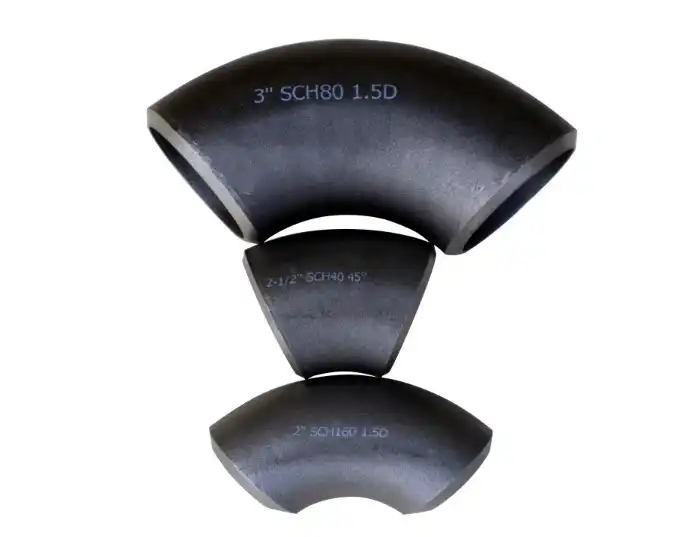
Understanding Anti-Corrosion Carbon Steel Elbows
Corrosive agents are always a problem for industrial piping systems because they can damage the structure and make operations less safe. Carbon steel elbows with special anti-corrosion treatments are very important for dealing with these harsh conditions in places like industry, oil and gas, and chemical processes.
Essential Corrosion Protection Technologies
With modern anticorrosion treatments, normal carbon steel bends can be used to make pipelines last longer. High-quality industrial black paint protects things in normal conditions, and special anti-rust oils make them more resistant while they're being stored or shipped. Hot-Dip Galvanizing, according to ASTM A153 standards, is helpful for projects that will be working in harsh environments because it forms a strong link between zinc and steel. Epoxy coatings are another improved choice. They are resistant to chemicals and have better adhesion qualities that can handle changes in temperature and chemical exposure.
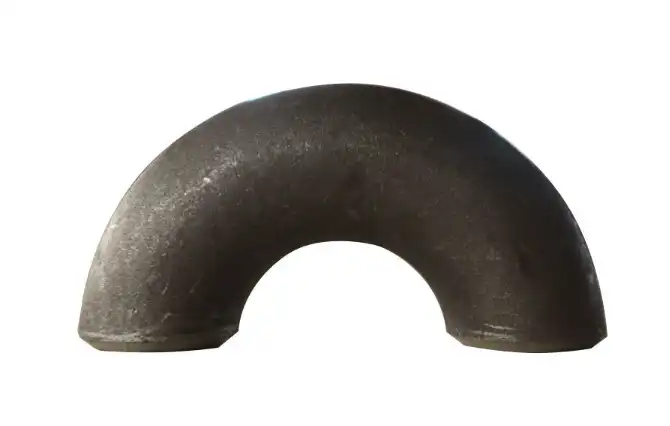
Structural Design and Manufacturing Considerations
There are anti-corrosion carbon steel elbow of carbon steel elbows: butt welding elbows and socket elbows. Each type is used for a different type of fitting. Butt welding designs work well for high-pressure situations because they fit in well with pipeline systems, and socket layouts make it easy to place pipes with a smaller diameter. During the manufacturing process, seamless and straight-seam building methods are used to get rid of weak spots and make sure that the wall thickness is the same all the way through the fitting.
Industrial Applications and Performance Benefits
Pipeline systems in oil, gas, and water treatment plants depend on these special connections to keep the flow of fluids steady and protect the environment. When you combine the mechanical qualities of carbon steel with protective coatings, the service life is much longer than with options that aren't secured. Because they can handle high temperatures, high pressures, and chemicals, these parts can be used in many industry settings where regular materials would fail quickly.
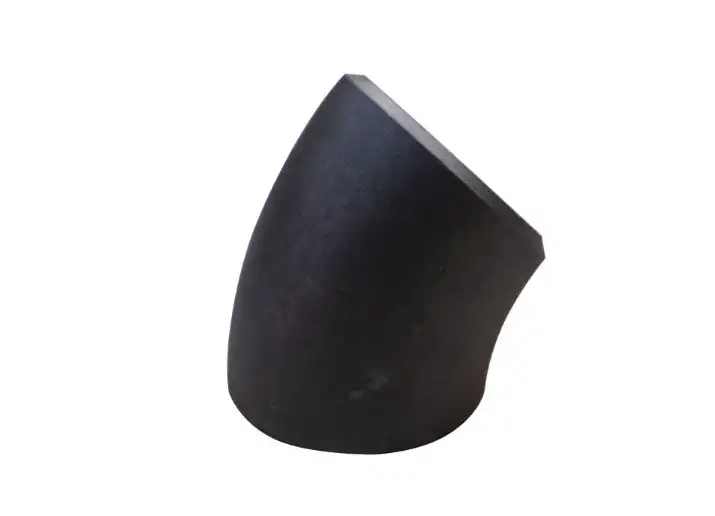
Comparing Carbon Steel Elbows with Alternative Materials
Choices about what materials to use affect both the original cost of the investment and the long-term costs of running the business. When buying, teams know how carbon steel elbows with anti-corrosion processes stack up against other materials, and they can make smart choices based on the needs of the application.
Carbon Steel versus Stainless Steel Performance
Carbon steel elbows are very strong for the price, while stainless steel's chromium content makes it naturally resistant to rust. By mixing the low cost of carbon steel with coatings that protect it as well as stainless steel in many uses, anti-corrosion carbon steel elbows fill this gap. A study of costs shows that properly treated carbon steel parts can have the same service life as stainless steel ones while costing 30 to 40 percent less to buy at first.
Galvanized and Alloy Steel Alternatives
Galvanized steel elbows have zinc coatings that protect them from corrosion. They have a middling level of strength that makes them good for general commercial use. Some types of alloy steel naturally prevent rust by adding elements like chromium and molybdenum to them. Specialized anti-corrosion treatments on carbon steel, on the other hand, often work better than these options in certain chemical conditions and are cheaper as well.
Non-Metallic Options and Limitations
Elbows made of plastic or rubber are very good at resisting chemicals, but they aren't strong enough for high-pressure uses. These materials can't handle the wide ranges of temperatures and high levels of mechanical stress that are usual in big industrial settings. Alternatives to metal that have the right protective coatings offer complete options that meet both structural and chemical defense needs.
How to Select and Maintain Industrial-Grade Anti-Corrosion Carbon Steel Elbows?
To be good at buying, you need to know the technical requirements, compliance standards, and upkeep procedures that will keep the part working at its best throughout its entire lifecycle.
Compliance Standards and Certification Requirements
Standards around the world, like ASTM A234 for pipe joints and ASTM A153 for galvanizing, set the bar for quality and efficiency. ISO 9001 approval shows that a manufacturer is committed to quality management systems, and specific equipment manufacturing licenses show that the manufacturer can make things. These approvals make sure that anti-corrosion carbon steel elbow parts meet strict standards for material properties, pressure values, and accuracy of measurements.
Critical Selection Factors for Industrial Applications
Choices are based on how well the coating works with certain chemicals, temperature ranges, and pressure needs. The requirements for wall thickness must match the system's pressure values, and rust allowances must be taken into account over the service life. Types of connections, like butt weld or plug, rely on how they will be installed and how easy they are to maintain.
Maintenance Protocols and Service Life Optimization
Regular inspections find early signs of coating wear or mechanical wear that could damage the stability of the system. When protective coats are installed correctly, they don't get damaged, which could lead to rust starting points. Conditions of storage that keep out moisture and dirt keep the coating's structure until it is installed. Systematic tracking programs keep an eye on performance data and find problems with repair before they happen.
Where to Purchase High-Quality Anti-Corrosion Carbon Steel Elbows?
To find trustworthy suppliers, you need to look at their manufacturing skills, quality control systems, and global transportation networks that meet the needs of industrial buying.
Manufacturer Evaluation Criteria
Reputable makers show consistent quality by using approved production centers and testing tools that can do a wide range of tests. Annual production capacity signs show that the company can handle big projects, and exports to several countries show that it can handle transportation well. Technical specs that are in line with international standards make sure that the system will work with current pipelines and parts from other manufacturers.
Global Sourcing and Supply Chain Considerations
Manufacturers with established delivery networks that serve more than 40 countries ensure the dependability of the supply chain, which is necessary for keeping to project schedules. Regional service centers offer technical help and choices for faster delivery that keep project delays to a minimum. Compliance standards can be met in several different areas by using quality assurance programs that include tracking materials and keeping records of performance.
Procurement Strategies and Cost Optimization
Bulk buying deals often save a lot of money and make sure that projects always have what they need. Long-term relationships with qualified providers allow for customization and faster scheduling during times of high demand. A full analysis of the total cost of ownership takes into account not only the initial buy price, but also the costs of transporting, handling, and maintaining the item over time. The combination of competitive prices with proven quality creates optimal value propositions for industrial procurement teams. Anti-corrosion carbon steel elbow suppliers can meet both standard needs and unique specs with acceptable lead times if they keep a large inventory and are capable of producing them quickly.
Case Studies and Industry Applications
Real-life examples show how anti-corrosion carbon steel elbows can be useful in a wide range of industrial settings when they are properly chosen and kept.
Chemical Processing Plant Performance
Hot-Dip Galvanized carbon steel elbows were used in the sulfuric acid handling lines of a large petrochemical plant. These parts last 15 years, compared to 8 years for normal carbon steel parts. The galvanized finish worked well as a shield to keep the structure strong, even when it was under a lot of pressure. Maintenance costs went down by 60% because parts were replaced less often and there was less unexpected downtime.
Marine Environment Applications
Offshore drilling sites use special carbon steel elbow joints that are epoxy-coated to resist corrosion in saltwater systems because stainless steel would be too expensive to use. With the right coating choice and application, these systems show that they can work well in naval settings. Regular checking procedures make sure that the coating stays in good shape in the harsh working environment.
Power Generation and Boiler Systems
When paired with the right corrosion protection, carbon steel construction is good for industrial boiler setups because it can handle high temperatures and high pressures. Protective layers that keep heat transfer efficient while stopping internal rust are especially helpful for steam condensate systems. These uses show how anti-corrosion treatments can be used in a variety of business settings.
Conclusion
When looking for industrial-grade anti-corrosion carbon steel elbow parts, you need to carefully consider the manufacturer's skills, technical standards, and performance needs over the long term. When you combine the mechanical qualities of carbon steel with high-tech protective coats, you get solutions that work well for demanding industrial uses without breaking the bank. Partnering with qualified makers who are knowledgeable in metalworking, coating technologies, and quality control systems is key to successful procurement. These specialized parts make infrastructure more reliable while lowering the total cost of ownership by increasing service life and lowering the need for upkeep.
FAQ
What is the typical service life of anti-corrosion carbon steel elbows?
Service life is very different depending on the climate and type of covering used. If Hot-Dip Galvanizing is done right, it can guard against corrosion for 15 to 25 years in moderately corrosive settings. In chemical processing environments, special epoxy coatings may make this last longer. Regular check and repair schedules have a big effect on how long a service actually lasts in the field.
How do you prevent corrosion during long-term sea transit?
For normal shipping protection, manufacturers use industrial black paint of a high quality or anti-rust oils made just for that purpose. Hot-Dip Galvanizing, according to ASTM A153, or special epoxy finishes should be used on projects that are going to be in highly corrosive settings before they are shipped. When things are properly packed with moisture shields and desiccants, they are safer during long transport times.
What certifications should I verify when selecting suppliers?
Some important certifications are ISO 9001 quality control systems, licenses to make specialized tools, and following foreign standards like ASTM, JIS, DIN, and BS. These certificates show that the company can make things and is committed to making sure that the quality of each batch is the same.
Can carbon steel elbows be customized for specific applications?
Yes, reliable makers do offer customization choices such as changing the wall thickness, using different coating formulations, and changing the size to fit the needs of the project. Custom options need a closer look at the specifications and may have longer lead times than normal setups.
What factors affect pricing for anti-corrosion carbon steel elbows?
The price varies depending on the type of material, the coating, the amount needed, and when it needs to be delivered. Standard protective coats are less expensive than Hot-Dip Galvanizing and some types of epoxy finishes. Large projects can often save a lot of money by taking advantage of volume rates and long-term supply agreements.
Partner with Oudi for Premium Anti-Corrosion Carbon Steel Elbow Solutions
Oudi has manufactured superior pipe fittings since 1998, serving over 300 customers across 40 countries with our comprehensive range of certified industrial components. Our 16,000-ton annual production capacity and ISO 9001-certified quality management system ensure consistent delivery of high-performance anti-corrosion carbon steel elbow products that meet ASTM, JIS, DIN, and BS international standards. Contact our experienced team at oudi-04@oudiguandao.com to discuss your specific requirements and access our proven anti-corrosion carbon steel elbow supplier capabilities for your next critical infrastructure project.
References
1. American Society for Testing and Materials. "Standard Specification for Piping Fittings of Wrought Carbon Steel and Alloy Steel for Moderate and High Temperature Service." ASTM International, 2019.
2. International Organization for Standardization. "Quality Management Systems Requirements for Industrial Manufacturing." ISO Publications, 2015.
3. National Association of Corrosion Engineers. "Corrosion Protection Methods for Carbon Steel in Industrial Applications." NACE International Standards, 2020.
4. Industrial Pipe Fitting Institute. "Best Practices Guide for Anti-Corrosion Coating Selection and Application." Technical Publication Series, 2021.
5. American Petroleum Institute. "Recommended Practice for Corrosion Management in Oil and Gas Production Systems." API Standards Documentation, 2018.
6. Chemical Processing Magazine. "Materials Selection for Corrosive Service Applications in Process Industries." Technical Article Series, 2022.

Need help finding the right solution with our experts. Please contact us.

SINCE 1998 Your Reliable Pipeline Manufacturer



