What Certifications Are Required for Custom Carbon Steel Elbows?
Custom carbon steel elbows are essential components in industrial piping systems, and understanding their certification requirements is critical for procurement success. These fittings must meet stringent quality standards, including ISO 9001 quality management certification, ASTM A234 material specifications, ASME Boiler and Pressure Vessel Code compliance, and API certifications for oil and gas applications. Manufacturing licenses, material traceability documentation, and third-party inspection reports further validate product integrity. Selecting suppliers with verified certifications ensures your piping systems meet regulatory requirements while minimizing operational risks across petroleum, chemical, water treatment, and power generation industries.
Understanding the Importance of Certifications for Custom Carbon Steel Elbows
When procuring piping components for critical infrastructure projects, certifications serve as your first line of defense against equipment failure and regulatory non-compliance. The industrial sectors we serve—petroleum refining, chemical processing, natural gas distribution, and water conservancy—operate under demanding conditions where component failure can trigger catastrophic consequences.
Why Certifications Matter in Industrial Piping
Working with procurement managers in forty different countries over the years, I've seen how proper approval changes the partnership between a seller and a buyer. Certifications are real proof that companies follow the same quality control rules, from choosing the raw materials to checking the finished product. This paperwork is very helpful when working in high-pressure situations or in the acidic conditions common in chemical plants.
Every year, the laws that cover workplace tools get more complicated. Following foreign guidelines keeps your company from being sued and makes sure that it can work with existing systems. When carbon steel pipe elbows come to your site with all of their certifications, your engineering team can safely start planning how to install them.
Building Trust Through Documentation
Documentation for quality assurance sets up responsibility in the supply line. Cangzhou Oudi has built ties with more than 300 companies because our collection of certifications shows that we are dedicated to quality. Every deal is based on our ISO 9001:2000 quality management system approval and our special equipment production licence from the People's Republic of China.
Certified makers spend money on high-tech testing tools and training for their staff. This infrastructure makes it possible for thorough testing methods to find problems with goods before they leave the plant floor. This means fewer complaints on-site, shorter installation delays, and a lower total cost of ownership over the lifetime of your project.
Key Certifications and Standards for Custom Carbon Steel Elbows
Navigating the certification landscape of Custom carbon steel elbows requires understanding which standards apply to your specific applications. Different industries prioritize different compliance frameworks based on their operational requirements and regional regulations.
Material Composition and Manufacturing Standards
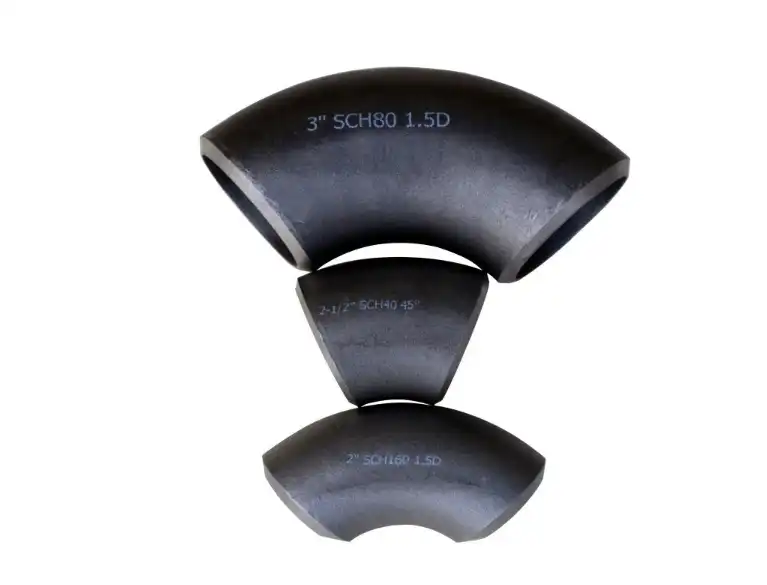
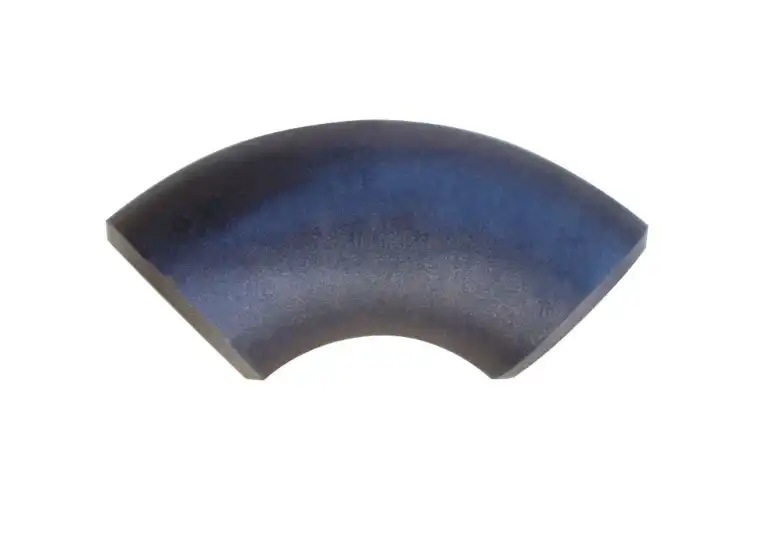
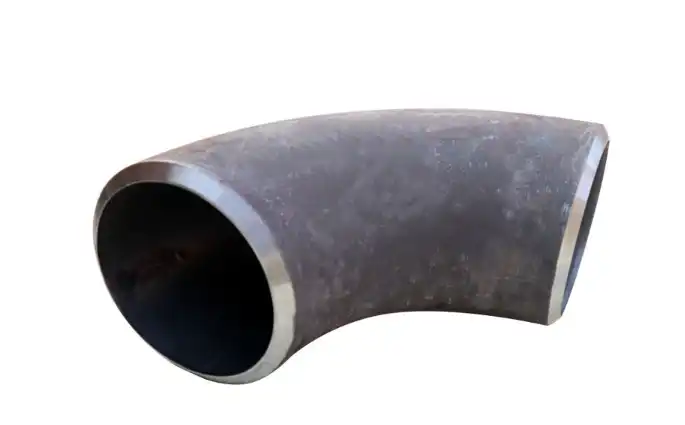
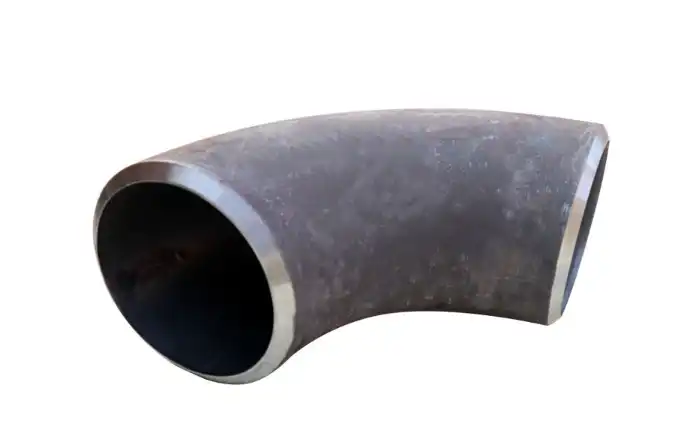
The ASTM A234 standards spell out the chemical make-up and mechanical features of parts made of wrought carbon steel and alloy steel. This standard makes sure that 45-degree carbon steel elbows and other directional parts have the right amount of tensile strength, yield strength, and impact resistance for the job they're meant to do. Every package should come with a material test record showing that it meets ASTM standards.
The ASME Boiler and Pressure Vessel Code sets standards for how pressure-containing parts must be designed, built, and inspected. Section B31.3 talks about process lines in detail, which makes it especially useful for chemical and oil uses. ASME compliance shows that fittings can safely hold pressurised fluids without breaking or leaking.
Quality Management and Production Certifications
When a company gets ISO 9001 approval, it shows that they follow organised quality management methods. This system includes everything from how to evaluate suppliers to how to fix problems when they happen. Our factory in Mengcun strictly follows these standards at all times, doing full checks and nondestructive testing during all production processes.
API certificates meet specific needs in the oil and gas industries. API 5L sets the standards for line pipes, and API 6D controls valves and other equipment that goes with them. When carbon steel elbows are used in upstream research or downstream processing, API compliance makes sure that they work with the safety rules and performance standards that are specific to the business.
Regional Compliance Frameworks
Pressure Equipment Directive (PED) rules and EN standards must be followed for products to be sold in Europe. These guidelines set important safety standards for design and production of equipment by categorising it based on pressure and volume factors. We have exported to Europe, North and South America, Africa, Southeast Asia, and the Middle East, so we know how to deal with a wide range of legal settings.
In some areas, standards from the Japanese Industrial Standards (JIS) and the German Institute for Standardisation (DIN) are still widely used. British Standards (BS) continue to affect how things are made in Commonwealth countries. When buying teams know about these area differences, they can ask suppliers for the right certifications during the approval process.
How to Verify Certification Authenticity When Procuring Custom Carbon Steel Elbows
Certification documents only provide value when they accurately represent manufacturing practices. Sophisticated procurement organizations implement verification procedures that go beyond reviewing paperwork.
Documentation Review Procedures
Start by examining mill test certificates for Custom carbon steel elbows that detail chemical analysis and mechanical testing results for specific heat numbers. These documents should include unique identifiers linking them to your particular order. Cross-reference material composition against specified standards to confirm compliance margins.
Third-party inspection reports from recognized agencies add independent validation. Organizations such as Lloyd's Register, Bureau Veritas, and TÜV provide inspection services at manufacturing facilities. Their reports document conformance with dimensional tolerances, surface finish requirements, and marking specifications.
Supplier Facility Assessment
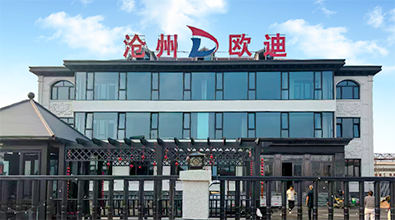
Visiting manufacturing facilities reveals operational realities that paperwork cannot capture. During facility tours, observe whether inspection equipment matches the sophistication claimed in quality manuals. Our Cangzhou location welcomes customer audits because our 66,600 square meters of production space demonstrates capability to handle a 16,000-ton annual capacity with consistent quality output.
Review calibration records for testing equipment to ensure measurement accuracy. Examine raw material storage practices and verify traceability systems that track materials from receiving through finished goods inventory. Strong manufacturers maintain detailed records connecting every product to its source materials and production history.
Ongoing Supplier Monitoring
Establishing long-term supplier relationships requires continuous performance evaluation. Track delivery punctuality, documentation completeness, and product conformance rates across multiple orders. Declining performance metrics may indicate quality system degradation requiring corrective action or supplier replacement.
Request periodic recertification evidence as quality management certificates and manufacturing licenses require renewal. Suppliers who maintain current certifications demonstrate ongoing commitment to excellence rather than treating compliance as a one-time achievement.
Comparing Certification Requirements: Custom Carbon Steel Elbow vs. Other Elbow Types
Different manufacturing methods and design configurations influence applicable certification requirements. Understanding these distinctions helps procurement teams specify appropriate standards for their specific needs.
Manufacturing Process Considerations
Hot-formed carbon steel elbows undergo heating and bending processes that require validation of heat treatment procedures. Cold-formed stainless steel elbows with thinner wall thickness (SCH10 through SCH-XXS) demand different mechanical testing protocols. Custom carbon steel elbows often incorporate multiple manufacturing steps, necessitating process-specific certifications at each stage.
Seamless elbows differ from welded variants in their structural integrity characteristics. Seamless construction eliminates weld seam concerns, but material homogeneity throughout the fitting becomes critical. Welded elbows require additional documentation covering welding procedures, welder qualifications, and post-weld heat treatment when applicable.
End Connection Variations
Butt welding (BW) end preparations require dimensional certifications confirming bevel angles and weld preparation geometry. Socket welding (SW) connections demand verification of bore dimensions and socket depth tolerances. Flanged elbows incorporate additional components requiring separate material and dimensional certifications.
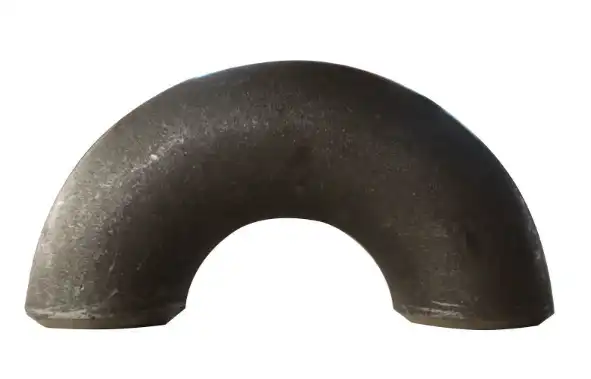
Short radius and long radius configurations serve different applications. Long radius elbows with gentler curvature minimize pressure drop and reduce wear in high-velocity applications. Short radius versions conserve space in compact installations but may require enhanced pressure ratings. Certification documentation should clearly identify radius specifications to prevent installation errors.
Application-Specific Requirements
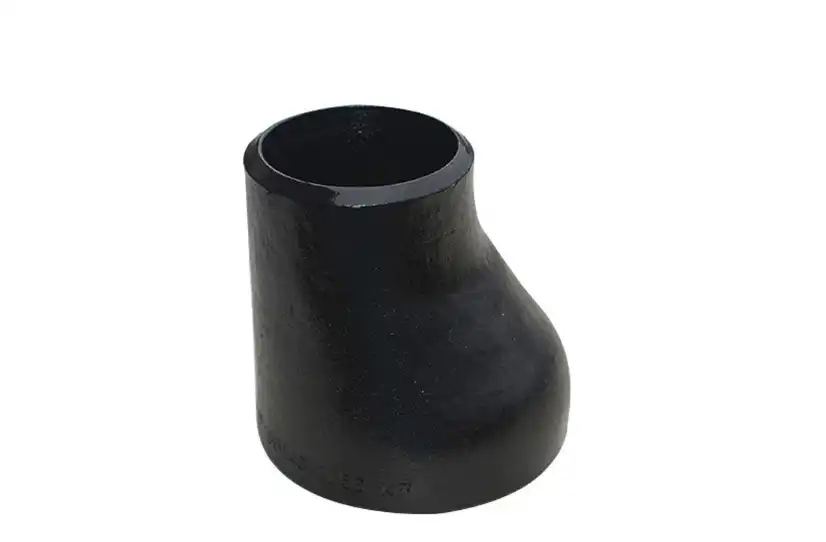
Reducing elbows that change pipe diameter incorporates additional dimensional variables requiring verification. Water treatment applications prioritize corrosion resistance certifications confirming protective coatings or material grades suitable for prolonged water exposure. High-temperature applications in power generation or chemical processing demand certifications validating elevated temperature mechanical properties.
Oil and gas pipeline systems operating in high-pressure environments require enhanced testing protocols, including hydrostatic pressure testing documentation. Construction and shipbuilding applications may prioritize weight certifications and dimensional tolerances, enabling prefabrication accuracy.
Benefits of Working with ISO-Certified Custom Carbon Steel Elbow Manufacturers
Selecting certified suppliers of Custom carbon steel elbows delivers tangible advantages that extend throughout your project lifecycle and influence long-term operational success.
Quality Consistency and Reliability
Manufacturers operating under ISO 9001 frameworks implement standardized production procedures that minimize batch-to-batch variation. This consistency proves invaluable when projects require multiple shipments over extended timelines. Components arriving months apart maintain identical specifications, simplifying inventory management and installation planning.
Our commitment to full inspection systems and nondestructive flaw detection catches defects before products leave our facility. Advanced detection equipment enables comprehensive testing that meets user requirements across diverse applications. This proactive quality control reduces field failures and eliminates costly installation delays.
Supply Chain Advantages
Certified manufacturers with proven export experience understand international logistics complexities. Our location near Tianjin Port, 120 kilometers from Tianjin Airport, and adjacent to the Beijing-Shanghai Highway provides strategic access to global shipping routes. This infrastructure supports reliable delivery schedules that keep your projects on track.
Suppliers maintaining substantial production capacity offer scheduling flexibility for urgent requirements. Our 16,000-ton annual output accommodates bulk orders for large-scale infrastructure projects while remaining responsive to smaller specialty requirements. This scalability prevents supply chain bottlenecks that derail construction timelines.
Technical Support and Customization
Experienced manufacturers provide engineering assistance during specification development. Our technical team collaborates with customers to identify optimal materials, dimensions, and pressure ratings for specific operating conditions. This consultative approach prevents over-specification that inflates costs while ensuring adequate performance margins.
The comprehensive product range we maintain—covering carbon steel, stainless steel, and alloy steel in complete categories including bends, flanges, tees, reducers, and caps—simplifies procurement by consolidating multiple fitting types under single-source agreements. Reducing supplier counts streamlines quality management and improves communication efficiency.
Conclusion
Certification requirements for custom carbon steel elbows encompass material standards, manufacturing process validations, and quality management system documentation. Successful procurement depends on understanding applicable international standards, including ASTM, ASME, ISO, and API specifications alongside regional frameworks. Verification procedures examining documentation authenticity and supplier capabilities protect against substandard components entering critical piping systems. Partnering with certified manufacturers like Oudi ensures access to compliant products backed by proven quality systems, ultimately reducing project risks while supporting operational excellence across petroleum, chemical, power generation, and water treatment applications.
FAQ
1. What is the difference between ASTM and ASME certifications for carbon steel elbows?
ASTM specifications define material composition, chemical properties, and mechanical characteristics for carbon steel fittings. ASME codes establish design, fabrication, and pressure rating requirements for components used in pressurized systems. Both certifications address different aspects of product compliance—ASTM focuses on material quality while ASME emphasizes safe design and construction practices. Comprehensive certification packages include both standards to demonstrate complete product qualification.
2. How can I verify that certification documents are authentic and not falsified?
Contact issuing organizations directly using contact information from their official websites rather than details provided on certificates themselves. Request verification of certificate numbers and issuance dates. Engage third-party inspection agencies to conduct independent audits at supplier facilities. Cross-reference material test reports against physical product markings and compare reported test results against expected ranges for specified materials. Legitimate suppliers welcome verification efforts and provide transparent access to quality documentation.
3. Are certification requirements different for short radius versus long radius elbows?
The fundamental certification requirements remain similar, but dimensional tolerances and testing protocols vary based on radius specifications. Long radius elbows with gentler curvature may demonstrate different flow characteristics requiring specific hydraulic performance documentation. Short radius configurations experience higher stress concentrations, potentially demanding enhanced pressure testing validation. Certification documentation should clearly specify radius type and confirm that testing procedures appropriate for that configuration were applied during manufacturing qualification.
Partner with Oudi for Certified Custom Carbon Steel Elbow Solutions
Oudi brings over two decades of manufacturing excellence to every custom carbon steel elbow supplier relationship. Our ISO 9001:2000 certification and special equipment manufacturing license demonstrate unwavering commitment to quality that serves customers across more than 40 countries. We produce American, Japanese, German, and British standard fittings in carbon steel, stainless steel, and alloy steel with complete material traceability and inspection documentation. Contact our team at oudi-04@oudiguandao.com to discuss your project specifications and discover how our certified manufacturing capabilities support your procurement objectives with reliable quality and competitive pricing.
References
1. American Society for Testing and Materials. (2021). Standard Specification for Piping Fittings of Wrought Carbon Steel and Alloy Steel for Moderate and High Temperature Service. ASTM International Standards A234/A234M.
2. American Society of Mechanical Engineers. (2019). Boiler and Pressure Vessel Code Section B31.3: Process Piping. ASME International Standards Committee.
3. International Organization for Standardization. (2015). Quality Management Systems — Requirements. ISO 9001:2015 Standard Documentation.
4. European Committee for Standardization. (2014). Pressure Equipment Directive 2014/68/EU: Essential Safety Requirements. Official Journal of the European Union.
5. American Petroleum Institute. (2018). Specification for Line Pipe: API Specification 5L. API Standards Publications Division.
6. Chen, W., & Liu, H. (2020). Material Selection and Quality Control in Industrial Piping Systems. Journal of Manufacturing Engineering and Technology, 15(3), 287-304.

Need help finding the right solution with our experts. Please contact us.
SINCE 1998 Your Reliable Pipeline Manufacturer