Top Socket Weld Pipe Tee Manufacturers for Industrial Procurement
When sourcing Socket Weld Pipe Tee fittings for critical industrial applications, selecting a manufacturer with proven expertise, international certifications, and reliable production capacity becomes paramount. These specialized fittings serve as the backbone of high-pressure piping systems in oil, chemical, natural gas, and power generation sectors. The right manufacturing partner ensures dimensional accuracy, material traceability, and compliance with international standards like ASME B16.11, ultimately safeguarding your operational integrity and minimizing costly field failures across demanding industrial environments.
Introduction
Industrial procurement professionals face mounting pressure to source pipe fittings that deliver uncompromising quality while meeting aggressive project timelines. Socket weld pipe tees represent a critical component in small-bore, high-pressure piping systems where leak-proof connections are non-negotiable. This guide addresses the core challenges procurement managers encounter: verifying supplier credentials, ensuring compliance with international standards, balancing cost against quality, and establishing supply chain reliability.
We understand the complexity of selecting manufacturers who can deliver consistent output while maintaining rigorous quality control from raw material selection through final inspection. Throughout this comprehensive resource, we examine technical specifications that matter, evaluate leading manufacturers with proven track records, and provide actionable insights for building strategic supplier relationships. Whether you're an engineer specifying fittings for a petrochemical facility or a procurement manager coordinating bulk orders for infrastructure projects, this guide equips you with the knowledge to make confident sourcing decisions.
Understanding Socket Weld Pipe Tees: Specifications and Applications
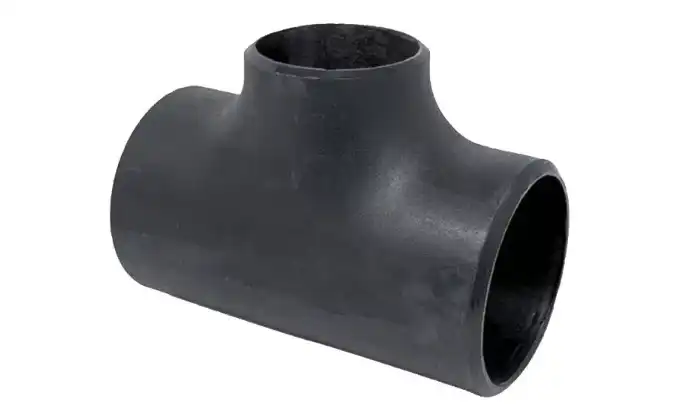
Socket weld pipe tees represent engineered solutions for connecting three pipes at 90-degree angles within high-pressure systems. The fitting features a recessed socket where pipe ends insert before welding creates a permanent, leak-proof seal. Unlike threaded connections that loosen under vibration or butt welds requiring extensive pipe preparation, socket weld designs streamline installation while maintaining structural integrity.
Material Composition and Standard Compliance
Features for parts made of wrought carbon steel and alloy steel. This standard makes sure that 45-degree carbon steel elbows and other directional parts have the right amount of tensile strength, yield strength, and impact resistance for the job they're meant to do. Every package should come with a material test record showing that it meets ASTM standards.
The ASME Boiler and Pressure Vessel Code sets standards for how pressure-containing parts must be designed, built, and inspected for Socket Weld Pipe Tee. Section B31.3 talks about process lines in detail, which makes it especially useful for chemical and oil uses. ASME compliance shows that fittings can safely hold pressurised fluids without breaking or leaking.
Quality Management and Production Certifications
When a company gets ISO 9001 approval, it shows that they follow organised quality management methods. This system includes everything from how to evaluate suppliers to how to fix problems when they happen. Our factory in Mengcun strictly follows these standards at all times, doing full checks and nondestructive testing during all production processes.
API certificates meet specific needs in the oil and gas industries. API 5L sets the standards for line pipes, and API 6D controls valves and other equipment that goes with them. When carbon steel elbows are used in upstream research or downstream processing, API compliance makes sure that they work with the safety rules and performance standards that are specific to the business.
Regional Compliance Frameworks
Pressure Equipment Directive (PED) rules and EN standards must be followed for products to be sold in Europe. These guidelines set important safety standards for design and production of equipment by categorising it based on pressure and volume factors. We have exported to Europe, North and South America, Africa, Southeast Asia, and the Middle East, so we know how to deal with a wide range of legal settings.
In some areas, standards from the Japanese Industrial Standards (JIS) and the German Institute for Standardisation (DIN) are still widely used. British Standards (BS) continue to affect how things are made in Commonwealth countries. When buying teams know about these area differences, they can ask suppliers for the right certifications during the approval process.
Top Global Socket Weld Pipe Tee Manufacturers and Their Product Offerings
Identifying manufacturers who consistently deliver quality requires examining certifications, production capabilities, and market reputation. The landscape includes established Western suppliers commanding premium pricing and Asian manufacturers offering competitive costs with improving quality standards. Procurement decisions hinge on balancing initial investment against long-term reliability and supply chain stability.
Oudi Pipe Manufacture: Comprehensive Solutions Since 1998
We have been making forged socket weld pipe tees for over 20 years and are located in Cangzhou, which is known as a center for making specialised fittings. Our ISO 9001:2000 certification and People's Republic of China special equipment production licence show that we are dedicated to quality management systems that buyers around the world can rely on. The 66,600-square-meter building has modern forging equipment, CNC machining centers, and non-destructive testing labs that help us meet our annual capacity of 16,000 tonnes.
We make socket weld tees that meet the standards of the United States (ANSI, ASME), Japan (JIS), Germany (DIN), and Great Britain (BS). These tees are made from carbon steel, stainless steel (304, 304L, 316, 316L), and alloy steel (Chrome-Moly, Inconel, Hastelloy). Our product line includes sizes from ½ inch to 4 inch and pressure classes from 3000 LB to 9000 LB, so it can meet the needs of a wide range of projects. Material Test Certificates are sent with every package. They show the chemical make-up and mechanical properties of the goods and can be used to trace back to their sources.
Quality control sets our way of making things apart. We use full inspection procedures that include checking the dimensions, Positive Material Identification (PMI) through spectrographic analysis, ultrasound testing for flaws inside the material, and Magnetic Particle Inspection to find tiny cracks on the surface. This thorough testing stops problems in the field that could put people in danger and cost a lot to fix. We have built a good name in Europe, North and South America, Africa, Southeast Asia, and the Middle East through our self-managed export activities, which have served over 300 users in 40 countries.
Evaluating Alternative Manufacturers
Western makers usually put a lot of emphasis on high-quality materials and advanced mechanical knowledge. They can charge higher prices because their brands are well-known and they offer full technical support. European providers are great at making specialised alloys that can handle harsh conditions, but longer wait times and minimum order amounts may make it harder to finish projects on time. When working on local projects, American makers are close by, which makes planning and shipping easier.
Asian producers that aren't part of our business show a range of standard levels. Smaller businesses that don't have proper quality systems pose a risk, while larger ones that are well-known and have foreign certifications offer cheaper options. Professionals in procurement need to make sure that suppliers have ISO 9001 certification, rights to make special tools, and material test certificates that have been verified by a third party. Visiting factories gives you a better idea of their production and quality control systems than reading about them in books.
How to Choose the Best Socket Weld Pipe Tee Manufacturer for Your Needs
Selecting an optimal manufacturer requires aligning your project specifications with supplier capabilities across multiple dimensions. Technical requirements, delivery timelines, cost constraints, and long-term support expectations all influence this critical decision. A systematic evaluation process protects your investment and operational reliability.
Technical Evaluation Criteria
Start by confirming the manufacturer produces fittings meeting your required standards—ASME B16.11, ASTM material grades, and pressure-temperature ratings matching your system design. Request dimensional drawings verifying socket bore diameter, depth, and wall thickness against your engineering specifications. Material certifications must demonstrate chemical composition and mechanical properties through mill test reports following EN 10204 3.1 protocols.
Manufacturing processes significantly impact product quality. Forged fittings deliver superior grain structure and mechanical properties compared to cast alternatives. Our forging operations compress heated metal billets between precision dies, eliminating internal porosity and enhancing fatigue resistance critical for pressure cycling applications. Surface finish quality affects corrosion resistance and weld preparation—we maintain machining tolerances preventing sharp edges or burrs that compromise pipe seating and weld integrity.
Supply Chain and Commercial Considerations
Production capacity determines whether manufacturers can fulfill your volume requirements within project timelines. Our 16,000-ton annual capacity accommodates both spot purchases and planned bulk orders supporting multi-phase construction projects. Lead times vary by material availability and order complexity—standard carbon steel specifications ship within 3-4 weeks, while exotic alloys may require 8-12 weeks, including material procurement and testing.
Minimum order quantities (MOQ) reflect manufacturing economics. We structure flexible MOQ terms accommodating project-specific requirements rather than forcing excessive inventory investment. Pricing models should transparently reflect material costs, manufacturing complexity, testing requirements, and logistics. Request detailed quotations itemizing unit costs, testing fees, packaging, and delivery terms to enable accurate comparisons.
Socket Weld Versus Butt Weld: Understanding the Tradeoffs
Socket weld fittings eliminate pipe end beveling required for butt welds, accelerating installation and reducing skilled labor requirements. The fillet weld technique creates reliable seals suitable for systems up to 4-inch diameter where turbulence concerns remain manageable. However, the inherent expansion gap creates a crevice potentially accumulating corrosive deposits in severe service environments.
Butt weld fittings provide superior strength, fatigue resistance, and corrosion protection through smooth internal profiles eliminating crevice concerns. This design suits large diameter piping, extreme pressure applications, and services involving crevice corrosion risks. The installation complexity and cost increase justify butt welds primarily for critical applications where socket weld limitations present unacceptable risks.
Material selection balances performance requirements against budget realities. Carbon steel offers excellent strength-to-cost ratios for non-corrosive services. Stainless steel grades resist acidic, alkaline, and chloride environments common in chemical processing. Alloy steels withstand elevated temperatures and pressures in power generation applications. Our technical team assists in matching material properties to your specific operating conditions, ensuring optimal performance without unnecessary expense.
Installation, Inspection, and Maintenance Best Practices
Proper installation techniques directly impact joint integrity and system longevity. Socket weld procedures require attention to detail that prevents common field failures. Understanding inspection methodologies and maintenance requirements protects your infrastructure investment across its operational lifespan.
Installation Procedures and Common Pitfalls
Begin by verifying pipe end preparation of Socket Weld Pipe Tee—cutting creates square, burr-free ends that seat properly within the socket. Insert the pipe fully against the socket shoulder, then withdraw 1/16 inch, creating the essential expansion gap. This gap accommodates thermal expansion, preventing stress concentrations that crack fillet welds during temperature cycling. Mark the pipe at the socket face before withdrawal, providing visual confirmation of proper spacing.
Welding parameters must match base material specifications. Qualified welders following ASME Section IX procedures ensure proper fillet weld profiles with complete fusion and minimal porosity. Preheat requirements depend on material grade and thickness—carbon steel typically requires 200-400°F preheat, while chrome-moly alloys demand higher temperatures to prevent hydrogen cracking. Post-weld heat treatment may be specified for pressure vessels or high-temperature services, relieving residual stresses that compromise fatigue resistance.
Common installation errors include eliminating the expansion gap through improper pipe insertion, creating oversized or undersized fillet welds that fail under pressure, and inadequate cleaning allowing contaminants to compromise weld quality. Our technical documentation provides detailed installation guidelines preventing these issues.
Non-Destructive Testing and Quality Verification
Visual inspection identifies surface defects, weld profile adequacy, and cleanliness before system pressurization. Radiographic testing (RT) reveals internal weld discontinuities including porosity, incomplete fusion, and slag inclusions. Ultrasonic testing (UT) detects subsurface defects in base materials and heat-affected zones without the radiation safety concerns RT presents.
Magnetic Particle Inspection (MPI) highlights surface-breaking cracks invisible to visual examination, particularly critical for ferritic materials. Liquid Penetrant Testing (PT) serves similar purposes for non-magnetic stainless steels and alloys. We perform appropriate NDT during manufacturing, and buyers should implement receiving inspection protocols verifying product integrity before installation.
Maintenance Strategies for Extended Service Life
Routine inspections monitor for external corrosion, coating degradation, and mechanical damage indicating potential problems before failures occur. Corrosion management programs apply protective coatings, cathodic protection, or corrosion inhibitors matched to environmental exposures. High-pressure systems require periodic pressure testing and NDT examination detecting fatigue cracking or corrosion thinning before reaching critical conditions.
Vibration monitoring identifies loose supports or resonance issues accelerating fatigue damage. Thermal imaging reveals abnormal heat patterns indicating internal blockages or insulation failures. Comprehensive maintenance documentation tracks inspection findings, repairs, and component replacements supporting reliability-centered maintenance programs that optimize asset performance while controlling costs.
Procurement Process for Industrial Buyers: From Inquiry to Bulk Orders
Efficient procurement transforms technical requirements into delivered products supporting project schedules and budget targets. Structured processes reduce errors, accelerate approvals, and establish supplier relationships that benefit long-term organizational objectives.
Crafting Effective Quotation Requests
Detailed Request for Quotation (RFQ) documents accelerate accurate pricing and prevent misunderstandings. Specify applicable standards (ASME B16.11, ASTM material grades), dimensional requirements (nominal pipe size, schedule, pressure class), material composition (carbon steel grade, stainless alloy, or specialty material), and quantities for each fitting configuration. Include delivery location, required completion date, and any special testing or documentation requirements.
Request Material Test Certificates for Socket Weld Pipe Tee, dimensional inspection reports, and NDT documentation confirming quality compliance. Specify packaging requirements protecting fittings during international shipment—wooden crates with moisture barriers and shock absorption prevent damage that necessitates costly replacements. Clear technical specifications enable manufacturers to provide accurate quotations without extensive clarification cycles.
Negotiating Terms and Managing Orders
Compare quotations, examining unit pricing, testing fees, packaging costs, delivery terms (FOB, CIF, DDP), and payment conditions. Volume commitments often secure preferential pricing—we offer tiered pricing structures rewarding larger orders while accommodating smaller requirements. Lead time commitments must align with project critical paths, building buffer periods for customs clearance and unexpected delays.
Establish clear quality acceptance criteria before order placement. Define acceptable dimensional tolerances, required certifications, and testing protocols. Specify inspection rights allowing third-party verification before shipment. Payment terms typically involve deposit payments securing production slots and balance payments upon delivery or against shipping documents, structured to protect both parties' interests.
Building Strategic Supplier Relationships
Long-term partnerships with reliable manufacturers deliver advantages beyond individual transactions. Preferred suppliers prioritize your orders during capacity constraints, accommodate expedited deliveries supporting unexpected requirements, and invest in understanding your specific applications, enabling proactive technical support. We maintain dedicated account management for customers with ongoing requirements, ensuring consistent communication and responsive service.
Regular performance reviews assess delivery reliability, quality conformance, and responsiveness to issues. Collaborative relationships enable manufacturers to suggest design optimizations, alternative materials reducing costs without compromising performance, and process improvements enhancing efficiency. Strategic partnerships transform suppliers into extensions of your engineering and procurement teams, creating competitive advantages through supply chain excellence.
Conclusion
Sourcing socket weld pipe tees for industrial applications demands thorough evaluation of manufacturers' technical capabilities, quality systems, and supply chain reliability. The right partner delivers products meeting rigorous standards while supporting your project timelines and budget constraints. Understanding socket weld specifications, comparing manufacturer offerings, and implementing structured procurement processes protects your operational integrity and investment value. Our commitment to quality manufacturing, comprehensive testing, and customer-focused service has supported over 300 customers globally across oil, chemical, power generation, and construction sectors. Strategic supplier relationships built on transparency, technical expertise, and reliable delivery create foundations for long-term success in demanding industrial environments.
FAQ
1. What advantages do socket weld pipe tees offer compared to butt weld alternatives?
Socket weld pipe tees eliminate the pipe end beveling required for butt welds, reducing installation time and labor costs significantly. The socket design provides self-alignment, simplifying fitting procedures and reducing the skill level required compared to butt weld precision. These fittings excel in small-bore piping systems (typically 2 inches and under) where the inherent expansion gap presents minimal corrosion concerns and the ease of installation justifies their selection.
2. Can manufacturers customize socket weld tees to non-standard specifications?
Reputable manufacturers accommodate customization requests for special dimensions, exotic materials, or unique pressure-temperature ratings beyond standard catalog offerings. Custom orders require detailed engineering specifications, extended lead times for material procurement and tooling preparation, and typically involve higher unit costs reflecting specialized manufacturing requirements. We regularly produce custom configurations supporting unique project requirements across diverse industrial applications.
3. How can buyers verify manufacturer credibility and product authenticity?
Verify ISO 9001 certification and special equipment manufacturing licenses through issuing authority databases. Request facility tours enabling direct observation of production capabilities and quality control infrastructure. Examine Material Test Certificates confirming chemical composition and mechanical properties through third-party laboratory analysis. Check references from existing customers in similar industries, and review export history demonstrating international market acceptance. These verification steps protect against substandard products compromising your operational safety and reliability.
Partner with Oudi for Reliable Socket Weld Pipe Tee Solutions
Oudi Pipe Manufacture delivers forged socket weld pipe tees manufactured to exacting international standards, backed by over two decades of specialized expertise. Our ISO 9001-certified facility produces carbon steel, stainless steel, and alloy steel fittings conforming to ASME B16.11 specifications with comprehensive material traceability and non-destructive testing. Serving over 300 customers across 40 countries, we understand the quality demands and delivery expectations of oil, chemical, power generation, and construction sectors. Our 16,000-ton annual capacity supports both project-specific requirements and ongoing supply agreements.
Connect with our technical team to discuss your specific Socket Weld Pipe Tee requirements. We provide detailed quotations, material recommendations, and engineering support, ensuring optimal fitting selection for your applications. Whether you need standard configurations or custom solutions, our manufacturing capabilities and quality commitment deliver reliability you can trust. Contact our expert team at oudi-04@oudiguandao.com to request technical specifications, competitive pricing, and delivery schedules for your next project. As an established Socket Weld Pipe Tee manufacturer with proven global export experience, we transform your procurement challenges into supply chain advantages.
References
1. American Society of Mechanical Engineers. (2019). ASME B16.11: Forged Fittings, Socket-Welding and Threaded. New York: ASME Press.
2. Thompson, R. & Martinez, J. (2021). Industrial Piping Systems: Design, Installation, and Maintenance. London: Technical Publishing International.
3. Chen, W. (2020). "Quality Control Protocols for Forged Pipe Fittings in High-Pressure Applications," Journal of Industrial Manufacturing Standards, 15(3), 234-251.
4. International Organization for Standardization. (2018). ISO 9001:2015 Quality Management Systems Requirements. Geneva: ISO Publications.
5. Patel, S. & Williams, K. (2022). Procurement Strategies for Industrial Components: A Global Perspective. Boston: Industrial Supply Chain Press.
6. Davies, M. (2020). "Comparative Analysis of Socket Weld Versus Butt Weld Pipe Connections," Pipeline Engineering Quarterly, 28(2), 112-129.

Need help finding the right solution with our experts. Please contact us.

SINCE 1998 Your Reliable Pipeline Manufacturer



