What certifications should a Cost-effective carbon steel elbow have?
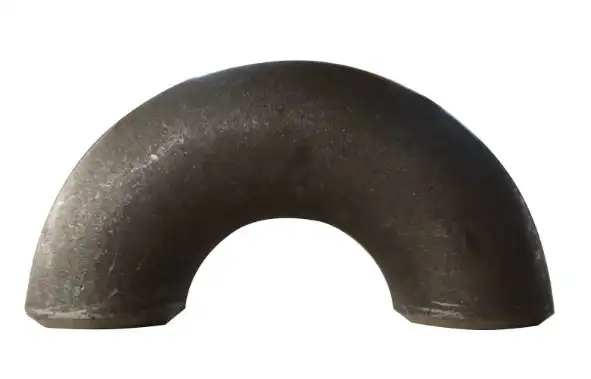
Cheapest carbon steel elbow on the market is not always a Cost-effective carbon steel elbow. The best carbon steel elbows provide a cost-effective solution in terms of dependable performance, regulatory compliance, and extended service life. The most significant filter for procurement managers in the oil, chemical, natural gas, and water conservancy industries when selecting pipe fittings suppliers is to verify what certificates they can provide. Proper certifications ensure material integrity, dimensional precision, pressure capacity, and quality control – all without costing more than you need to spend.
Why Certifications Matter More Than Price Tags Alone
Let’s say you are buying a volume of carbon steel pipe elbows for a refinery expansion project. The elbows come in on time, receive a visual inspection, and get put in. Three months later, one joint gives way under the strain. Why is that? “The supplier never had a valid Quality Management Certification, and there was no traceability of raw materials.”
This situation happens more frequently than procurement teams would care to acknowledge. Failures of pipe fittings in pressurized industrial systems may have major repercussions, including equipment damage, production delays, safety events, and legal exposure. According to a 2022 analysis by Plant Engineering, unexpected industrial downtime costs more than $260,000 per hour on average across industries in the U.S. market alone.
That's what certifications are for, after all. They demonstrate that a manufacturer works in a certified quality environment and that its goods comply with globally accepted engineering standards. For B2B buyers, certifications are not bureaucratic formalities but risk-reduction instruments entrenched in procurement strategy.
Key Certifications to Look for in a Carbon Steel Elbow
ASTM A234/A234M — The Material Baseline
ASTM A234/A234M is the base material standard for wrought carbon steel and alloy steel pipe fittings for use in pressure and high-temperature applications. It includes mechanical qualities, chemical composition, and heat treatment needs. Manufacturers who provide elbows for oil, gas, or chemical processing settings should have documentation that demonstrates conformity to this standard. Without this, the customers cannot know what the steel really contains or how it will perform under heat cycling or increased pressure.
ASME B16.9 — Dimensional and Pressure Integrity
ASME B16.9 covers the factory-made wrought butt-welding fittings, including short radius and long radius 45-degree and 90-degree elbows. This standard deals with dimensions, tolerances, pressure-temperature ratings, and labeling requirements. Adherence to ASME B16.9 assures that the elbow will match perfectly with the connecting pipes and that the system will resist the rated pressure without any distortion or leakage.
ISO 9001 — Quality Management System Verification
ISO 9001 certification confirms that the factory has a quality management system that is organized and audited and covers all aspects of the process from raw material input to shipping a completed product. This is not a certification of the product - this is a certification of method. It notifies purchasers that the supplier regularly uses established processes, performs internal audits, and methodically corrects nonconformances. ISO 9001 is generally a non-negotiable standard for choices on bulk buying, especially when sourcing Cost-effective carbon steel elbow products that require consistent quality and reliable manufacturing processes.
PED (Pressure Equipment Directive) — European Market Compliance
CE marking (Pressure Equipment Directive 2014/68/EU) is a legal requirement for pressure-bearing components above certain thresholds and is relevant to buyers providing projects in Europe or working with European EPC contractors. Compliance with PED means that the pressure safety of the elbow has been examined by a registered authority and is in line with EU safety regulations.
NACE MR0175 / ISO 15156 — Sour Service Environments
NACE MR0175/ISO 15156 compliance is crucial in oil and gas applications where exposure to hydrogen sulfide is a consideration. This standard establishes standards for materials in H2S-bearing settings to avoid sulfide stress cracking. Since carbon steel elbows in sour gas service do not have this qualification, they are at a significant risk of catastrophic collapse.
How Certifications Shape Procurement Costs and Long-Term Value
The unit price of certified carbon steel elbows will generally be a little more than that of uncertified ones. That’s a real expense up front, and that cost typically gets erased when you look at the complete life cycle of the product. There are longer maintenance intervals, less frequent replacements, and less insurance and liability risk.
While non-certified components may look advantageous on a line-item basis, the hidden costs may add up rapidly. Regulatory non-compliance might stop a project mid-inspection, cause expensive rework, or invalidate system warranties. In addition, bulk orders from non-certified vendors do not have documented manufacturing batch traceability, which helps skilled EPC contractors and plant operators keep track of their records.
Strategic procurement balances the certification premium against the operational and financial risk of not having it. The math is always on the side of verified sources.
Comparing Certification Requirements: Carbon Steel vs. Stainless and Alloy Steel Elbows
Different materials serve different environments, and their certification landscapes reflect those differences. Here is a structured comparison to support procurement decision-making:
| Criterion | Carbon Steel Elbow | Stainless Steel Elbow | Alloy Steel Elbow |
|---|---|---|---|
| Primary Material Standard | ASTM A234 | ASTM A403 | ASTM A234 (Gr. WP11/WP22) |
| Dimensional Standard | ASME B16.9 | ASME B16.9 | ASME B16.9 |
| Corrosion Resistance Cert | NACE MR0175 (sour service) | ASTM A262 (intergranular) | NACE MR0175 |
| High-Temp Performance | Moderate (up to ~425°C) | Good (up to ~870°C) | High (up to ~650°C+) |
| Typical Application | Oil, gas, water, construction | Chemical, food, pharma | Power generation, refineries |
| Cost Level | Most economical | Higher | Premium |
From this chart, it can be shown that for common industrial applications where excessive corrosion or temperature is not the major consideration, a Cost-effective carbon steel elbow is still the most inexpensive alternative. Stainless and alloy options cost more but provide certain performance benefits that justify the price.
How to Verify Supplier Certifications Before Purchase
It’s the method employed to check certification documents that makes it good. The procurement team should follow these key measures when checking a supplier’s certification claims:
- Request original certificates with issue and expiry dates. A legitimate ISO 9001 certificate from a recognized body will include the registrar's name, the scope of certification, and a certificate number that can be cross-checked on the registrar's public database.
- Verify ASTM and ASME compliance through mill test reports (MTRs). Each production batch should be traceable to a specific heat number, with chemical and mechanical test results documented. No MTR is a red flag.
- Audit the special equipment manufacturing license. In the Chinese manufacturing context — which supplies a significant portion of global pipe fittings — this license is issued by government authorities and is legally required for pressure equipment production. Its absence signals serious regulatory non-compliance.
- Engage third-party inspection when volumes justify it. For large orders, a third-party inspector conducting an in-plant review adds a verifiable layer of quality assurance beyond paperwork.
These steps translate certification awareness into procurement action.
Conclusion
Certifications are not optional extras for industrial pipe fittings. They are the basis upon which dependable, safe, and compliant piping systems are created. A real cost-effective carbon steel elbow is not cost-effective because it skimps on compliance, but because it offers you proven quality at a low price. Together, ASTM A234, ASME B16.9, ISO 9001, PED, and NACE MR0175 describe what a certified elbow is. Understanding and enforcing these standards, procurement professionals safeguard their projects, their companies, and their supply chains from needless risk.
FAQ
Do certification requirements vary by country or region?
Yes, they do. The U.S. market primarily references ASTM and ASME standards, while the European market enforces PED compliance and CE marking for pressurized components. Projects in the Middle East or Southeast Asia may blend international standards with local regulatory requirements. Buyers sourcing globally should confirm which standards apply to each destination market before finalizing specifications.
How often do certifications need to be renewed?
ISO 9001 certification undergoes surveillance audits annually and full recertification every three years. ASTM and ASME compliance is tied to individual production batches through mill test reports rather than to a periodic renewal cycle. Buyers should always request the most current documentation and confirm that certificates are within their valid period at the time of purchase.
Is an uncertified carbon steel elbow ever acceptable?
In non-critical, low-pressure applications with minimal regulatory oversight, uncertified fittings may be used. However, in any application involving pressure, elevated temperature, or regulated industries such as oil, gas, or chemical processing, uncertified components carry unacceptable risk. The short-term cost savings rarely offset the potential liability, downtime, or safety consequences that a substandard fitting can introduce.
Source Certified Carbon Steel Elbows From Oudi — Request Your Quote Today
Oudi has manufactured certified carbon steel pipe fittings since 1998, supplying over 300 customers across 40+ countries. Our products conform to ASTM, ASME, ISO, DIN, JIS, and BS standards, backed by ISO 9001:2000 certification and the People's Republic of China Special Equipment Manufacturing License. With an annual output of 16,000 tons and full in-house inspection from raw material intake to final shipment, we are a proven cost-effective carbon steel elbow supplier for oil, chemical, gas, and infrastructure projects worldwide. Contact us at oudi-04@oudiguandao.com to request a product catalog or personalized quotation.
References
1. ASTM International. ASTM A234/A234M: Standard Specification for Piping Fittings of Wrought Carbon Steel and Alloy Steel for Moderate and High Temperature Service. ASTM International, 2023.
2. ASME. ASME B16.9: Factory-Made Wrought Butt-Welding Fittings. American Society of Mechanical Engineers, 2018.
3. ISO. ISO 9001:2015 Quality Management Systems — Requirements. International Organization for Standardization, 2015.
4. NACE International / ISO. NACE MR0175 / ISO 15156: Petroleum and Natural Gas Industries — Materials for Use in H₂S-Containing Environments in Oil and Gas Production. NACE International, 2015.
5. European Parliament. Pressure Equipment Directive 2014/68/EU. Official Journal of the European Union, 2014.
6. Plant Engineering. The True Cost of Unplanned Downtime in Industrial Facilities. Plant Engineering Annual Maintenance Study, 2022.

Need help finding the right solution with our experts. Please contact us.

SINCE 1998 Your Reliable Pipeline Manufacturer



