What Certifications Should a Steel Concentric Pipe Reducer Have?
The first thing that people in charge of buying things for businesses should ask about when looking for a Steel Concentric Pipe Reducer is whether it is certified. Quality management system certifications like ISO 9001 and ASME B16.9 must be on a certified Steel Concentric Pipe Reducer. It must also have material-specific certifications like ASTM A234 for carbon steel or ASTM A403 for stainless steel, as well as third-party inspection documentation like Material Test Reports (MTRs) and Non-Destructive Testing (NDT) certificates. These certificates show that the fitting meets international standards for safety, performance, and metalwork. These standards are important for maintaining pipeline integrity in the oil, chemical, natural gas, and water conservation industries.
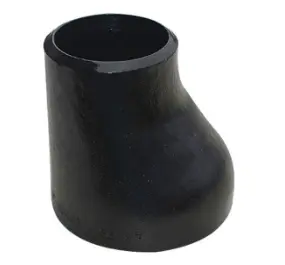
Understanding the Importance of Certifications for Steel Concentric Pipe Reducers
Two pipes with different sizes are joined together by a circular reducer, which has both ends lined up along the same centre axis. This balanced layout makes it easy for fluid to move from a bigger to a smaller width, which reduces turbulence and pressure loss. Instead of eccentric reducers, which move the centerline out of place to keep horizontal lines from getting air pockets, concentric versions work best for vertical pump discharge lines, high-pressure steam systems in power plants and wastewater treatment plants where it's important to keep the structure balanced and the flow going in a straight line.
When buying from other businesses, certifications are a must-have safety measure. They promise that pipe reducers will meet strict standards for quality, safety, and materials that are necessary for the proper functioning of the system. Different rules must be followed for foreign projects that go through Europe, North America, Africa, Southeast Asia, and the Middle East. Certifications make sure that the system will work reliably and for a long time. This lowers the risk of expensive breakdowns, legal problems, and unplanned downtime. If a provider is approved, it means they have been through strict checks, keep track of their products from raw materials to finished goods, and follow rules that protect your project's investment and image.
Industrial sectors such as oil refineries, chemical plants, and shipbuilding operations cannot afford component failures. A single non-compliant reducer can compromise an entire pipeline system, leading to leaks, pressure drops, or catastrophic ruptures. Certifications provide documented proof that the fitting has been tested under controlled conditions, verified by accredited bodies, and manufactured to precise specifications. This transparency builds trust between buyers and suppliers, streamlines customs clearance for international shipments, and satisfies insurance and regulatory audits required by project stakeholders.
Key Certifications Required for Steel Concentric Pipe Reducers
Understanding which certifications your Steel Concentric Pipe Reducer must carry is fundamental to making informed procurement decisions. The certifications landscape includes internationally recognised benchmarks, material-specific credentials, manufacturing process validations, and quality assurance measures. Each plays a distinct role in affirming the Steel Concentric Pipe Reducer's suitability for demanding industrial applications. Let's explore the essential certifications in detail.
ISO 9001: Foundation of Quality Management Systems
If a company has ISO 9001 approval, it means they have a strong quality management system in place that covers all parts of production, from getting the raw materials to checking the finished product. Since 1998, Oudi has had ISO 9001:2000 certification, which means that we make sure that every steel concentric pipe reducer that leaves our 66,600-square-meter plant in Cangzhou follows written processes, methods for continuous improvement, and measures for customer satisfaction. This approval is very important to EPC contractors and foreign wholesalers who need a consistent supply chain and the ability to track large orders that are bigger than our yearly capacity of 16,000 tonnes.
ASME B16.9: Dimensional and Pressure Conformity
Factory-made metal buttwelding valves in sizes from NPS 1/2 to NPS 48 are governed by ASME B16.9. This standard lists important measurements like the length (H), wall thickness at the major and minor ends, and bevel angles that are needed for correct field welding. When you buy a reducer that is approved to ASME B16.9, you can be sure that the dimensions are within tight ranges. This keeps the fitting from mismatching during installation and makes sure it can handle design pressures of up to 1,500 PSI. The advanced monitoring equipment we use checks the full dimensions against these limits. This is part of the full inspection method we've had for 25 years.
Material Certifications: ASTM A234 and A403
The type of material used directly affects how well a reducer works in high-pressure, acidic, and changing temperatures. Carbon steel reducers made from ASTM A234 WPB have great mechanical qualities and can be used in a wide range of oil and gas uses. Grades of stainless steel like ASTM A403 WP304 and WP316L are very good at resisting rust, which is important for chemical handling and settings that are abroad. Alloy steel types like ASTM A234 WP11 and WP22 work really well in high-temperature situations and are often used to make boilers and power plant steam production systems. Material Test Reports (MTRs) that come with these licenses list the chemicals that are in the products, such as the amounts of carbon, manganese, sulphur, chromium, and nickel. This information stops galvanic rusting from happening when different metals are joined.
Manufacturing Process Certifications: Seamless vs. Welded Distinctions
The way a reducer is made has a big effect on how well it holds together. Seamless reducers, which are made from a single piece of pipe and don't have any horizontal welds, are better for critical service uses because they are stronger and more regular. Even though welded reducers are cheaper, they need more checking steps to make sure the quality of the weld. Certifications should say how the product was made and include proof of any heat treatment, melting, or normalising steps that were used to improve the metal's qualities. Our factory uses both advanced welding methods and smooth production methods, and we have a special equipment manufacturing licence from the People's Republic of China to back this up. This means we can provide the right fitting type for your application based on its stress needs.
Non-Destructive Testing (NDT) Certificates
NDT certificates show that the reducer has been through Ultrasonic Testing (UT) or Radiographic Testing (RT) to look for cracks, holes, or other problems below the surface. This is especially important at the transition zone, where stress builds up when the pressure changes. The material won't break in cold settings, like LNG processing plants, according to impact tests done with the Charpy V-Notch method at low temperatures. Positive Material Identification (PMI) using a mobile XRF gun checks that the chemical makeup matches the MTC. This is an important step that we do for every batch to make sure that materials don't get mixed up and risk system safety.
Environmental and Third-Party Inspection Standards
If a factory has ISO 14001 environmental management approval, it means they use sustainable methods to get rid of trash, control pollution, and use energy. These are becoming more and more important factors for global companies with ESG responsibilities. Third-party testing methods from companies like Lloyd's Register, Bureau Veritas, or SGS back up claims of quality in a way that is not controlled by the company. This adds another layer of trust for Steel Concentric Pipe Reducer. Dimensional checks, material confirmation, pressure tests, and surface finish checks are some of the things that are usually checked during these inspections. Detailed records are included in the certification package that is sent with every order.
By understanding this complete certification process, procurement managers can clearly state requirements, fairly evaluate seller credentials, and lower the risks of component failure. With the right certifications, a steel circular pipe reducer goes from being a common item to a real tool that helps a project succeed and operations run smoothly.
How to Verify the Authenticity and Relevance of Certifications
Procurement of substandard or non-compliant reducers represents a significant risk to project timelines and budgets. Verification goes beyond receiving certificates—it requires active validation of issuer credibility, document authenticity, and alignment with project specifications. Sophisticated procurement teams implement multi-layer verification protocols that combine document review, digital validation tools, and supplier transparency assessments.
Checking Issuer Credibility and Certificate Numbers
Real approvals come from organisations that have been approved and are known to be trustworthy in international networks for quality assurance. Check that ISO certificates clearly show the name of the accrediting body (like UKAS, ANAB, or something similar), have unique certificate numbers that can be tracked back to the issuer's database, and have clear expiration dates that need to be renewed regularly. The exact code part should be mentioned in ASME certificates, along with the manufacturer's ASME designator or stamp authorisation number. To keep things honest, we let our clients check our ISO 9001 and special equipment manufacturing licence credentials through formal register channels. This way, buying teams can be sure that our paperwork is correct.
Recognising Common Pitfalls in Certification Documentation
False identification documents are always a problem in global supply lines. Some red flags are general language that doesn't refer to specific standards, missing approval marks, certificates from unknown sources, or paperwork that can't be checked independently. If a material test report is missing heat numbers, tracking codes, or a full chemistry analysis, that's a red flag. Legitimate sellers are happy to be questioned and offer complete paperwork packages that include certificates for raw materials, records of inspections during production, and test results for the finished product. Because we want to be honest, every reducer we ship comes with full traceability paperwork. This lets customers find parts that were made in the same steel mill and batch.
Demanding Material Test Reports and Compliance Certificates
Material Test Reports are the most important documents used to check certifications. A good MTR has the heat number that connects the fitting to a certain type of steel production, a detailed chemical composition analysis that shows it meets certain grade requirements, test results for mechanical properties like tensile and yield strength, and data from impact tests for applications that need to be sensitive to temperature. These results should be signed by trained metallurgists and include information about the testing lab's licence. Independent third-party inspectors' compliance certificates show that the reducer meets the material, size, and performance requirements listed in your buy order. As standard, we provide full MTRs and third-party inspection reports because we know that the quality of the paperwork shows how good the product is.
Leveraging Digital Verification and Supply Chain Traceability
Digital tools that make it easier to check certifications are being used more and more in modern buying. Labels with QR codes can connect to safe systems that hold full licensing records, production records, and inspection reports. Traceability systems that use blockchain keep permanent records of the whole supply chain, from the raw materials to the delivery. These technologies get rid of delays caused by paperwork and lower the risk of scams in paperwork. Our investment in digital tracking systems meets the needs of skilled buyers who are in charge of foreign projects and need to be able to see approval status and shipment documents at any time.
Building trust through thorough proof saves your business from the expensive effects of using parts that don't comply. When certifications are checked carefully, they become more than just pieces of paper; they show how trustworthy a provider is and help your project succeed.
Comparing Certified Steel Concentric Pipe Reducers in Procurement Decisions
The choice between certified and non-certified reducers extends beyond initial purchase price to encompass total cost of ownership, risk exposure, and operational reliability. Sophisticated procurement analysis weighs these factors against project-specific requirements, balancing upfront investment with long-term value creation.
Risk Reduction and Cost-Efficiency Analysis
Certified reducers lower the chances of failure that could cause shutdowns in an emergency, damage to the environment, or legal claims. A single pipeline failure in a chemical plant can cost millions in lost production, cleanup costs, and fines from the government. This is a lot more than the money that would be saved by buying cheaper, uncertified parts. Legal problems caused by parts that don't meet standards can lead to criminal charges under workplace safety laws. A lot of the time, insurance plans need approved parts to keep their coverage effective. When looking at the whole picture, approved reducers offer better cost-effectiveness because they work more reliably, last longer, and don't have any unexpected failure costs that mess up the project's economics.
Selecting Certifications Based on Operational Environments
For different uses, you need different approval levels. For systems with pressures above 1,000 PSI, reducers must be approved to strict pressure standards and come with proof of hydraulic test paperwork showing the fitting can take 1.5 times its original pressure. In marine bases or desalination plants, where the climate is corrosive, you need stainless steel types that are approved to ASTM A403 and have extra pitting resistance equivalents (PRE) listed. In LNG plants that use cryogenics, Charpy impact testing must be done at temperatures that are similar to the working conditions. For example, ASTM A420 WPL6 materials must be tested at -46°C. For power plant steam lines, alloy steel reducers that are approved for high temperatures and come with proof of creep resistance are needed. Our wide range of products includes carbon steel, stainless steel, and alloy steel, all of which have the right certifications to meet the needs of different operations. This lets buying teams choose the exact material that will work best for their needs.
Regional Certification Standards and International Acceptance
Certification needs vary across global markets based on regional tastes. In the United States, projects usually use ASME and ASTM standards, and procurement managers look for sellers who know how American engineering works and how to prepare documents. For European work, EN standards, especially EN 10253 for butt-welding parts, may need to be met. The Asian market likes JIS (Japanese Industrial Standards) or GB (Chinese National Standards) more than foreign licenses. For foreign purchasing to go smoothly, sellers need to keep their certifications up to date across multiple standard systems and know how to translate between regional requirements. We've worked with over 300 clients in over 40 countries, including tough markets in Europe, North and South America, Africa, Southeast Asia, and the Middle East. Because of this, we know how to handle the differences between regions and make sure projects are always compliant, no matter where they are located.
By comparing things, we can turn buying from a transactional task into a strategic one that protects the value of the project, makes sure regulations are followed, and increases operational reliability by choosing parts based on their proven quality credentials.
Working with Certified Steel Concentric Pipe Reducer Suppliers
Effective collaboration with suppliers offering certified reducers requires evaluating capabilities beyond product specifications. The supplier relationship determines certification authenticity, documentation quality, delivery reliability, and after-sales support—factors that collectively influence project success.
Identifying Credible Suppliers Through Verification Criteria
Suppliers with a good reputation show their certification honesty by having relationships with international brands, being authorised to sell steel mill products, and letting customers view their facilities. Look for providers that have been in the business for a long time. For example, Odi’s 25-year history of business since 1998 shows that they have a lot of experience with quality control and customer service. For big projects, production capacity is important. Our yearly output of 16,000 tonnes gives foreign wholesalers and EPC contractors who are in charge of handling multi-phase building plans the volume stability they need. Lead times and transportation costs are affected by how close you are to important ports and sources of raw materials. For example, our site in Cangzhou, 120 kilometres from Tianjin Port and with direct highway access, makes production more efficient and helps with international shipping planning.
Planning Bulk Purchases and Custom Certification Requirements
To buy Steel Concentric Pipe Reducer in bulk and get certified batches, you need to know the minimum order amounts that combine the costs of inventory with the benefits of volume prices. Our MOQ structures can handle both big EPC projects that need container-load numbers and smaller orders for upkeep on sites that are already there. Custom certification lead times depend on how complicated they are. Standard ISO and ASME paperwork comes with goods, but extra third-party checks or testing methods that aren't used very often may add two to four weeks. During the quote process, procurement managers should let suppliers know what certifications are needed. This way, suppliers can plan checks and get paperwork ready before production starts. We work together with our clients to set realistic deadlines that make sure the certification process fits with project goals. This way, we can avoid delays that throw off building plans for Steel Concentric Pipe Reducer.
Maintaining Certification Integrity Throughout Logistics
The legitimacy of the certification goes beyond production and includes moving, storing, and handling. Using the right packing keeps mechanical damage from happening, which could make pressure testing certifications useless. Protecting against corrosion by covering or wrapping keeps the qualities of the material that were checked during inspection. Shipments must have paperwork with them when they go through customs, and in many places, actual certificates are needed instead of copies. Protective packaging that meets foreign shipping standards, moisture shield wrapping for long-term storage, and full paperwork packages with business bills, packing lists, certificates of origin, and all quality certifications are all part of our operations routines. This care with transportation details makes sure that the approved product that gets to your site fits the specs that were checked at our facility.
After-Sales Support and Warranty Assurance
Operational trust is raised by reliable after-sales help that is linked to certified goods. Warranties should say how long they cover things, how to file a claim, and what choices are available for fixing things, like repair or return. Technical help for questions about installation, material suitability, or explanations of specifications adds value on top of the product itself. To make sure our customers are happy, we offer quick technical support by email at oudi-04@oudiguandao.com, guarantee plans that are in line with industry standards, and we're happy to deal with any problems that come up in the field during testing. We've built relationships with more than 300 buyers around the world, so we know that source reliability goes beyond shipping and includes the whole span of a product.
With the right provider, licenses go from being just papers to practical security. Certified reducers are the building blocks of pipeline systems that work effectively for decades when the supplier's skills match the needs of the project and the quality standards that are expected.
Conclusion
Certifications for steel circular pipe reducers show more than just following the rules. They show a dedication to quality, safety, and operating success that safeguards your project investment and the company's image. Every certificate, from material-specific ASTM licenses to strict NDT methods, like ISO 9001 quality management systems and ASME B16.9 measurement standards, adds to a bigger picture of quality assurance. Using source trustworthiness checks, Material Test Reports, and third-party inspection documents to make sure that a certificate is real lowers the risks of buying that can throw off project schedules and budgets. When you compare certified choices to non-certified options, you can see that certified components save you money and lower your risk over time. Working with experienced providers who keep the integrity of their certifications during production and shipping will make sure that the recorded quality gets to your building ready to do its job.
FAQ
1. Can uncertified steel concentric pipe reducers be safely used in industrial applications?
Using uncertified reducers in industrial applications carries substantial risks that outweigh any cost savings. Without certifications, you lack documented proof that the fitting meets material specifications, dimensional tolerances, or pressure ratings. This uncertainty exposes projects to component failures, regulatory non-compliance, insurance coverage voids, and legal liability. While some non-critical applications with minimal safety consequences might tolerate uncertified components, any system involving hazardous fluids, high pressures, elevated temperatures, or public safety considerations demands certified fittings backed by traceable documentation.
2. How frequently do certifications require renewal or reassessment?
Certification renewal frequency depends on the specific standard and issuing body. ISO 9001 quality management system certifications typically require renewal every three years, with annual surveillance audits confirming continued compliance. Material certifications and product-specific testing documentation remain valid for the manufactured batch but require fresh testing for new production runs. Third-party inspection certificates apply to specific orders rather than having renewal cycles. Suppliers maintaining current certifications demonstrate ongoing commitment to quality standards rather than one-time compliance. When evaluating suppliers, verify their certifications remain current, and surveillance audits show no major non-conformances.
3. Are certifications transferable when purchasing through distributors or third parties?
Certification transferability depends on certificate terms and supply chain documentation integrity. Original Material Test Reports and inspection certificates should accompany products through distribution channels, maintaining traceability to the original manufacturer. Reputable distributors provide complete certification packages with each order, ensuring buyers receive the same documentation as direct purchases. However, some certificates explicitly restrict transferability or require the original purchaser to be named. When sourcing through distributors, confirm they supply full certification documentation including manufacturer's MTRs, third-party inspection reports, and traceability codes. This transparency ensures certification value persists regardless of the purchasing channel.
Partner with Oudi for Certified Steel Concentric Pipe Reducer Excellence
Oudi stands as your trusted Steel Concentric Pipe Reducer supplier, offering a complete portfolio of carbon steel, stainless steel, and alloy steel fittings backed by ISO 9001 certification and the People's Republic of China special equipment manufacturing license. Our 25-year manufacturing heritage combines advanced production equipment with rigorous quality control—from raw material inspection through final hydrostatic testing—ensuring every Steel Concentric Pipe Reducer meets ASME B16.9 dimensional standards and material-specific certifications. Serving over 300 customers across 40 countries, we understand the certification requirements that matter to petroleum, chemical, natural gas, and water conservancy projects. Contact our team at oudi-04@oudiguandao.com to discuss your specifications, receive comprehensive certification documentation, and experience the procurement confidence that comes from partnering with a certified steel concentric pipe reducer manufacturer committed to your project's success.
References
1. American Society of Mechanical Engineers. ASME B16.9: Factory-Made Wrought Buttwelding Fittings. ASME International, 2018.
2. ASTM International. ASTM A234/A234M: Standard Specification for Piping Fittings of Wrought Carbon Steel and Alloy Steel for Moderate and High Temperature Service. ASTM International, 2021.
3. ASTM International. ASTM A403/A403M: Standard Specification for Wrought Austenitic Stainless Steel Piping Fittings. ASTM International, 2020.
4. International Organisation for Standardisation. ISO 9001:2015 Quality Management Systems—Requirements. ISO, 2015.
5. Manufacturers Standardisation Society of the Valve and Fittings Industry. MSS SP-75: Specification for High Test, Wrought, Butt Welding Fittings. MSS, 2018.
6. Nayyar, Mohinder L. Piping Handbook. 8th ed., McGraw-Hill Education, 2019.

Need help finding the right solution with our experts. Please contact us.

SINCE 1998 Your Reliable Pipeline Manufacturer



