When Should You Use Lap Joint Flange CS?
Carbon Steel Lap Joint Flanges are the best choice when your piping system needs to be able to adjust Lap Joint Flange CS the position of the bolt holes, be taken apart often for repair, or need to cost-effectively distribute materials in harsh environments. The Lap Joint Flange CS is especially useful in situations where installation needs to be done quickly without exact rotational positioning. It lets the backing flange move on its own, while the stub end stays welded to the pipe. This design solves important alignment problems in complicated pipe networks and lets engineers use pricey corrosion-resistant metals only where fluids touch them. This cuts project material costs by a large amount without lowering system integrity or performance standards.
Understanding Lap Joint Flange CS: Basics and Benefits
The Two-Component Assembly Design
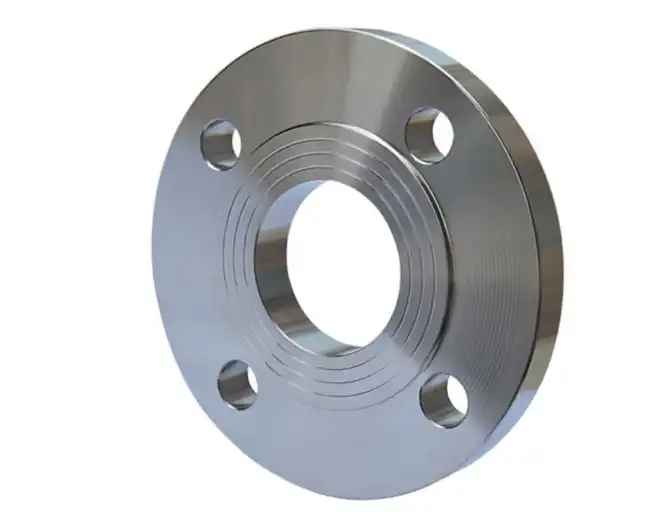
The Carbon Steel Lap Joint Flange is made up of a stub end and a backing flange ring, which makes it work uniquely. The short end is butt-welded immediately to the pipe system, making a strong link with the process fluid path. The backing flange, on the other hand, slides over the pipe loosely before the stub end is installed and can spin freely for as long as it is in use. This way of engineering keeps the wet part separate from the structural loading part, which gives it freedom that rigid flange types can't match. The stub end has a flared radius that fits against the rear flange face. This creates the compression point where the gasket seals when the bolt is tightened.
Material Standards and Specifications
Lap joint flanges made of carbon steel meet a number of foreign standards, such as ASME B16.5 for forged carbon steel, ASTM A105 for carbon steel, and EN 1092-1 for use in Europe. These rules say what the material must be made of, how it should be sized, and how much pressure and temperature it can handle. ASTM A105 carbon steel is usually used for the backing flange because it has great structural strength at mild temperatures up to 400°F. This choice of material strikes a good balance between mechanical performance and cost-effectiveness, especially when used with alloy or stainless steel stub ends in harsh service circumstances. The pressure class ratings go from 150# to 600#, so they can meet a wide range of operating needs in many industries.
Core Advantages in Industrial Applications
Because the backing flange can rotate, there is no need to align the bolt holes by turning the pipe or rewelding, which takes time. This feature is useful for installation teams who have to work with heavy sections of pipe or crowded pipe racks where they can't easily get to them. The flange can be unbolted and removed without damaging the welded stub end connection, which is also good for maintenance work. The ability to be used again and again means less downtime and cheaper replacement costs over the life of a building. The design also handles thermal expansion differently than welded flange types, since the rotating stress on the pipe system isn't transferred by the loose support flange when the temperature changes.
When Is a Lap Joint Flange CS the Optimal Choice?
Scenarios Demanding Alignment Flexibility
Piping systems in chemical processing plants often involve complex Lap Joint Flange CS geometries where exact angular positioning of flange bolt holes becomes challenging. Lap Joint Flange CS configurations solve this problem through rotational freedom, allowing field personnel to adjust bolt hole orientation without compromising weld quality or pipe positioning. This capability proves particularly valuable when connecting to fixed equipment nozzles, where millimeter-level precision determines whether gaskets seal properly. Projects involving pre-fabricated piping spools also benefit, as slight dimensional variations during fabrication won't prevent successful field assembly.
Cost Optimization in Corrosive Environments
Natural gas processing facilities and offshore platforms frequently handle fluids containing hydrogen sulfide, carbon dioxide, or chlorides that rapidly degrade carbon steel. Rather than specifying expensive Inconel or duplex stainless steel for entire flange assemblies, procurement managers can specify these premium materials solely for stub ends while using economical carbon steel backing flanges. A 6-inch Class 300 Inconel 625 lap joint flange assembly might cost 40% less than an equivalent weld neck flange in the same exotic alloy. Across projects requiring hundreds of flange connections, these savings compound dramatically. Water treatment plants serving coastal municipalities employ similar strategies, using 316L stainless stub ends with carbon steel backing flanges to combat chloride-induced corrosion without budget overruns.
Maintenance-Intensive System Requirements
Power plant boilers and industrial process units need to have the insides of their pipes inspected on a regular basis to check for erosion, corrosion, and fouling. It's much cheaper and takes less time to fix things when you can take off a lap joint flange piece, turn it over, and look inside the pipe without having to cut any welds. This feature is useful in shipbuilding when pipe needs to be taken apart to get to nearby machinery or structural parts. Because of these practical reasons, Lap Joint Flange CS kits are better than slip-on or socket weld designs that need to be cut and re-welded every time they need to be maintained.
Comparison with Alternative Flange Types
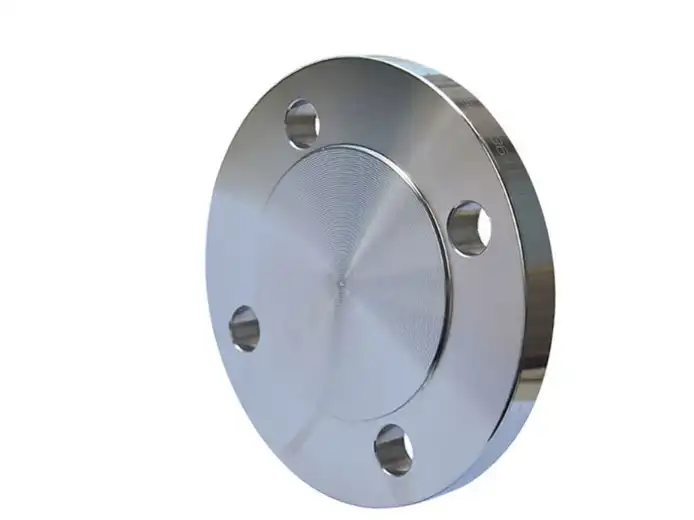
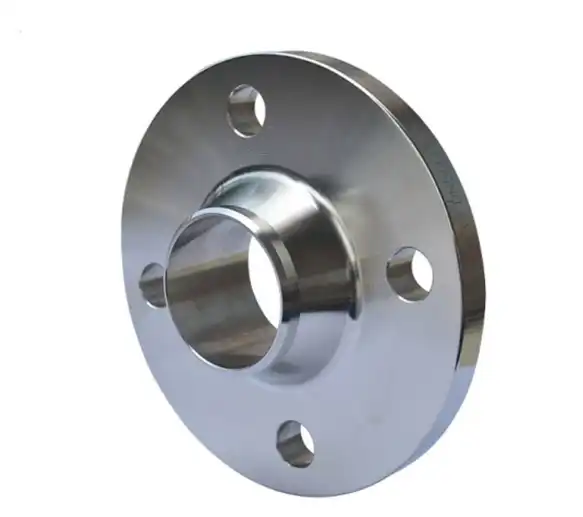
Weld neck flanges have better fatigue life and stress distribution, which means they can handle heavy cyclic loads or high-pressure thermal cycling. But they need to be precisely cut and bevelled when they are installed, and they can't be adjusted for angular error. Slip-on flanges are easier to install than weld necks, but they still need to be welded twice and can't be rotated once they're in place. For example, blind flanges don't join two pieces of pipe together; they seal the ends of pipes. Socket weld flanges work well for small-bore pipes, but they don't have the pressure values that are needed in many industrial settings. The lap joint configuration strikes a unique mix between ease of installation, ease of maintenance, and the lowest cost of materials. However, compared to weld neck designs, it lacks fatigue resistance.
How to Select and Measure Lap Joint Flange CS for Your Project
Critical Dimensional Parameters
To make sure the specs are correct, the outside diameter of the pipe must be measured correctly. This is what sets the size of the stub end and the bore of the backing flange. To make sure the bolts are lined up, the width of the bolt circle must be the same on both sides of the joint. The thickness of the flange affects the pressure rating, and the minimum pressure class should be checked against the ASME B16.5 dimensional tables. The choice of gasket and how well it seals are affected by the raised face height, which is usually 0.06 inches for classes 150–300 and 0.25 inches for classes 400–600. Bolt hole diameter and number change depending on the size and class of the flange, so this needs to be confirmed to make sure the right fasteners are bought.
Material Grade Selection Criteria
The operating pressure and temperature determine the material type. ASTM A105 carbon steel is good for most moderate-condition uses. For use below -20°F, materials that have been impact-tested or low-temperature carbon steel types may be needed to keep them from breaking easily. When temperatures are higher than 400°F, chromium-molybdenum alloy steel backing flanges may be needed instead of carbon steel ones. In corrosive environments, it's important to think carefully about whether carbon steel backing flanges are still the best choice or if improved stub end materials are enough to protect the connection. Things in the environment, like earthquakes, wind loads, and the distance between pipe supports, also affect Lap Joint Flange CS material choices by raising or lowering system stress levels.
Navigating International Standards
ASME B16.5 sets the standards for sizes, limits, and markings for most markets in North America and many projects around the world. European facilities often use EN 1092-1, which has some small size differences that make it impossible to directly exchange with ASME flanges. In some areas, Japanese industrial standards (JIS B2220) and German standards (DIN) are still important. To avoid costly buying mistakes, procurement specifications must make the governing standard clear. As a quality control measure and to make sure things can be tracked, certification paperwork should include material test results that link chemical make-up and mechanical properties to heat numbers.
Manufacturing and Quality Assurance of Carbon Steel Lap Joint Flanges
Production Process Overview
The first step in making something is inspecting the raw materials to make sure their chemical make-up and mechanical qualities meet the requirements. Forging is the process of shaping hot steel billets into rough plate shapes. This creates grain flow patterns that make the steel stronger and tougher. The next step is machining, which cuts to exact sizes for the bore width, bolt hole locations, and facing surfaces. The microstructure of the material is normalised by heat treatment. This relieves internal stresses caused by casting and makes the dimensions more stable. Surface finishing operations achieve certain roughness levels on sealing faces, usually 125 to 250 microinch RMS for raised face configurations. Since 1998, our factory in Cangzhou has followed strict quality standards by using advanced forging equipment and CNC machining centers to process raw materials. This organised method makes sure that mistakes are found and fixed early on in the production process, before the finished goods reach customers.
Quality Control and Certification Standards
ISO 9001:2000 certification sets the rules for quality management that govern production activities, how paperwork is done, and efforts to make things better all the time. Compliance with the Special Equipment Manufacturing License shows that you can make pressure-containing parts that meet safety standards for hazardous service uses. Some of the things that are checked during an inspection are hydrostatic pressure testing for stub ends, checking the dimensions with standardised measuring tools, and spectrographic testing for chemical composition analysis. Non-destructive testing methods, like ultrasonic testing and magnetic particle inspection, find flaws inside or cracks on the outside of a part that could affect how well it works in service. Traceability systems connect each finished flange to records of the material's approval, heat treatment, and inspections. This paperwork helps with quality checks for customers and making sure that regulations are followed. Procurement managers can be sure that parts will work reliably under certain conditions because of certified methods, advanced equipment, and thorough testing.
Procurement Insights: How to Buy Lap Joint Flange CS Efficiently
Understanding Price Dynamics
The main thing that affects prices is the cost of materials, which changes based on Lap Joint Flange CS the state of the global steel market and the prices of alloy elements for speciality grades. The price is affected by the flange size and pressure class because they change the amount of material needed and how hard it is to machine. The amount of an order has a big effect on unit prices because it lets producers make the most of their production runs and lower the cost per piece. International logistics, such as freight, insurance, and customs taxes, make the landed prices of imported parts much higher. Payment terms and exchange rates add to the financial factors that need to be carefully thought through when planning a procurement project. Bulk ordering strategies can save you money, but you have to weigh the savings against the costs of keeping inventory and the limited room for storage. By making framework deals with suppliers, you can be sure that prices will stay stable and that capacity will be allocated correctly during times of high market demand. Our annual production capacity of 16,000 tonnes makes sure that there is always enough supply for big projects that need multiple shipments over long building periods.
Evaluating Supplier Credibility
Verification of certification is the first step in evaluating a supplier. It makes sure that the supplier's ISO 9001 registration and any related manufacturing licenses are still valid. The production capability evaluation checks the supplier's technical know-how, the level of sophistication of their equipment, and their quality control systems to make sure they can always deliver goods that meet the requirements. Knowing the rules, paperwork needs, and shipping methods for target markets means having experience exporting to those markets. Referrals from customers in similar industries can tell you a lot about a supplier's dependability, how well they communicate, and how they solve problems. Factory audits let procurement teams see how things are made, check for quality control, and see how professional the workplace is. Customers are welcome to visit our facility, which shows that we are open and honest, builds trust, and shows our dedication to high excellence. We can meet the needs of a wide range of customers in the chemical, natural gas, water conservation, and petroleum industries thanks to our advanced detection tools and skilled technical staff.
Optimizing Lead Times and Logistics
Standard-size lap joint flanges that are already in stock can be shipped within days. However, custom specifications or large orders take four to eight weeks to manufacture, based on how complicated they are and how busy the factory is. International shipping can add two to six weeks to ocean freight, based on where it's going. For urgent needs, air freight is available at a higher cost. Customs clearance procedures vary from country to country, and can cause delays when paperwork is missing or tariff classifications need to be clarified. To reduce schedule risks, it's best to be proactive about communicating with suppliers about project timelines, delivery requirements, and possible problems. Freight costs go down when shipments are combined, but arrival times for multiple purchase orders have to be coordinated. Our experience exporting to more than 40 countries has given us skills in creating paperwork, managing logistics, and following rules that make the process of buying things internationally easier for our customers.
Conclusion
Carbon Steel Lap Joint Flanges deliver practical advantages in alignment flexibility, maintenance accessibility, and material cost optimization that make them the preferred choice for specific piping applications. Understanding when these benefits outweigh the reduced fatigue life compared to weld neck alternatives enables informed procurement decisions aligned with project requirements and budget constraints. Proper selection requires careful attention to dimensional specifications, material grades, and international standards compliance. Working with established manufacturers offering certified quality systems, comprehensive testing capabilities, and proven export experience ensures reliable component supply supporting successful project execution across oil, chemical, natural gas, and water infrastructure sectors.
FAQ
1. Can I Substitute a Slip-On Flange for a Lap Joint Flange?
This substitution generally fails because standard slip-on flanges lack the machined radius at the bore required to accommodate the stub end fillet. Attempting this replacement creates severe stress concentration points that compromise joint integrity and leak resistance. The dimensional differences reflect fundamental design distinctions between these flange types that serve different operational purposes within piping systems.
2. What Determines the Pressure Rating in a Lap Joint Assembly?
The complete assembly receives a pressure rating based on the lower-rated component between the backing flange and stub end. Typically, the stub end wall thickness matches the connected pipe schedule while the backing flange pressure class governs the overall assembly rating. Engineers must verify both components meet or exceed system design pressure requirements to ensure safe operation.
3. Are Lap Joint Flanges Suitable for High-Pressure Cyclic Applications?
Carbon steel lap joint configurations demonstrate approximately 10% of the fatigue life exhibited by weld neck flanges under equivalent cyclic loading conditions. This limitation makes them less appropriate for severe thermal cycling or high-vibration environments where repeated stress reversals occur. Low-pressure applications with stable operating conditions represent the optimal use case for this flange type.
Partner with Oudi: Your Trusted Lap Joint Flange CS Manufacturer
Oudi has delivered quality carbon steel pipe fittings since 1998, serving over 300 customers across 40 countries with products meeting ANSI, JIS, DIN, and BS international standards. Our ISO 9001-certified facility combines advanced Lap Joint Flange CS production equipment with comprehensive quality control, ensuring every Lap Joint Flange CS meets rigorous performance standards for oil, chemical, natural gas, and water conservancy applications. We offer complete material traceability, competitive bulk pricing, and reliable delivery schedules backed by 16,000-ton annual production capacity. Contact our technical team at oudi-04@oudiguandao.com to discuss your project specifications, receive expert guidance on material selection, and experience the advantages of partnering directly with an experienced carbon steel flange supplier committed to your operational success.
References
1. American Society of Mechanical Engineers. (2020). ASME B16.5: Pipe Flanges and Flanged Fittings: NPS 1/2 Through NPS 24 Metric/Inch Standard. New York: ASME Press.
2. ASTM International. (2019). ASTM A105/A105M: Standard Specification for Carbon Steel Forgings for Piping Applications. West Conshohocken: ASTM International.
3. Becht, C. (2018). Process Piping: The Complete Guide to ASME B31.3 (4th ed.). New York: ASME Press.
4. European Committee for Standardization. (2017). EN 1092-1: Flanges and Their Joints - Circular Flanges for Pipes, Valves, Fittings and Accessories, PN Designated - Part 1: Steel Flanges. Brussels: CEN.
5. Nayyar, M.L. (2019). Piping Handbook (8th ed.). New York: McGraw-Hill Education.
6. Singh, K. & Soler, A. (2021). Mechanical Design of Heat Exchangers and Pressure Vessel Components. Berlin: Springer-Verlag.

Need help finding the right solution with our experts. Please contact us.

SINCE 1998 Your Reliable Pipeline Manufacturer



