What Is the Function of a CS Pipe Cap?
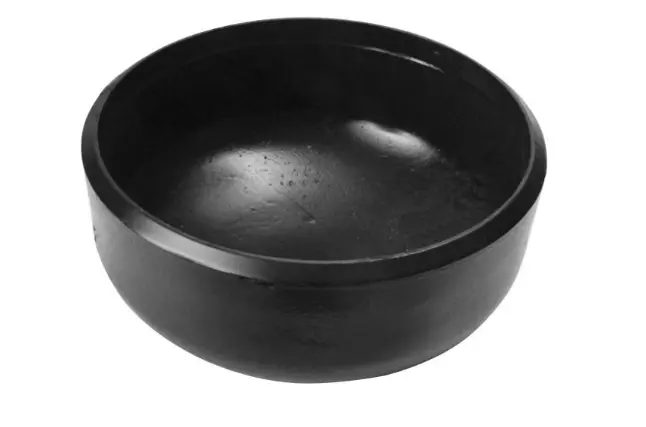
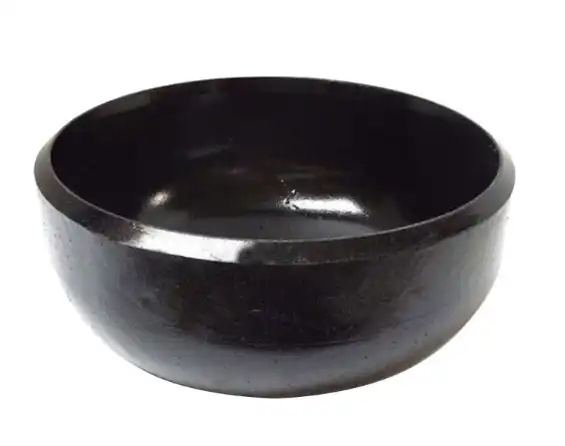
People often ask us, "What does a CS pipe cap do?" when we're working on industrial plumbing jobs. A CS Pipe Cap is a pipe fitting that firmly seals the end of a pipe. This keeps contaminants, pressure loss, and damage from the surroundings out of the system. Plugs only close the hole temporarily, but these caps, which are welded or threaded, make a lasting barrier. They keep systems working properly in high-pressure places like oil factories, chemical plants, and water treatment plants. This makes them an important part of modern industry infrastructure.
Understanding CS Pipe Caps: Basics and Key Functions
Defining Carbon Steel Pipe Caps in Industrial Applications
One of the most reliable ways to close off plumbing systems for good is with CS Pipe Caps. These fittings can be attached to the ends of pipes using either butt welding or threaded connections. This makes a barrier that is sealed and can handle harsh working conditions. Depending on the type of CS pipe cap used, these parts have worked well in temperatures as low as -29°F and as high as 800°F. The makeup of the material usually has a low to medium carbon content. This gives it a great mix of strength, weldability, and cost-effectiveness, which procurement managers like when they are planning big projects.
Primary Functions That Matter to Your Operations
These caps protect in a lot of different ways, not just by closing. They keep outside substances from getting into pipe systems while they are being built, maintained, or shut down. Another important function is pressure control. Caps keep the system whole by stopping fluid or gas from escaping, which could risk safety and efficiency. Corrosion protection is especially useful in chemical handling areas where strong barriers are needed because of the aggressive substances that are present. A lot of engineering teams use these fittings to separate parts of pipes while they are being tested. This lets them check specific pressures without putting the whole system at risk.
Industries That Depend on These Components Daily
We've seen clear application trends in the over 300 customers we've worked with in 40 countries. CS pipe caps are used a lot in drilling platforms and refineries, where the pressure can hit 2500 PSI or higher for oil and gas activities. Toxic processing plants value coatings that protect against different types of toxic contact. They are used in water conservation projects in waterway networks that go for thousands of miles and need to be reliable for decades. When ships are being built, these caps are put on the pipe systems that have to stand up to saltwater corrosion and constant shaking. In boiler systems that work under very high temperatures, power companies depend on them.
Material Specifications and Quality Standards
CS pipe cap types have a direct effect on how well it works and how long it lasts. ASTM A234 WPB is still the most commonly used material for moderate working situations because it has good mechanical qualities and isn't too expensive. For uses that need to withstand higher pressures, ASTM A105 offers forged CS pipe cap choices. Precision in production is governed by international standards. For example, ASME B16.9 sets the sizes for butt welding caps, and ASME B16.11 covers differences with threads. These standards make sure that all parts can be used in all global supply lines. This gives purchasing teams the confidence to buy parts from ISO 9001:2000-certified companies like Oudi, which also has the right to make special equipment.
Types and Dimensions of CS Pipe Caps: What You Need to Know?
Common Cap Types and Their Installation Methods
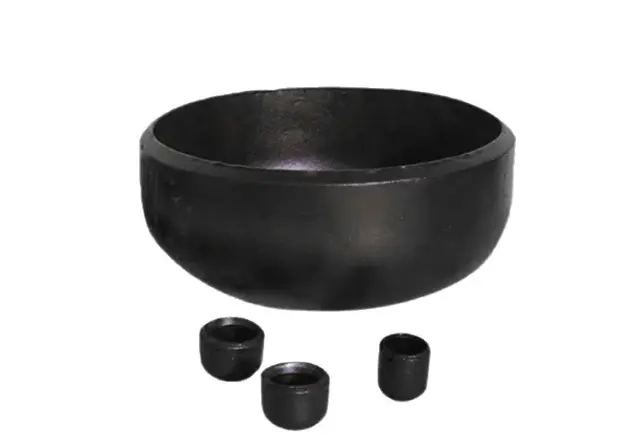
Butt weld caps are most often used in situations where lasting, high-integrity covers are needed. The curved edges on these caps match the width of the pipe wall, making welds that are smooth and keep their full pressure ratings. We make these CS pipe caps in sizes ranging from 1/2 inch to 48 inches to meet the needs of a wide range of projects. Threaded caps are better for smaller-width uses (usually less than 4 inches) where the part might need to be taken apart for repair. There are other options besides socket weld caps for high-pressure small-bore pipes. They are easy to install and close well. Figuring out which type works best in a given situation saves a lot of money on later upgrades.
Critical Dimensions That Affect System Integration
The choice of wall thickness is directly related to the needs for the pressure class. For general service, Schedule 40 walls are the normal thickness. For high-pressure uses, Schedule 80 and 160 walls are thicker. The outside width of the pipe must match exactly; even small differences can make soldering harder and create weak spots. The height of the cap depends on the size and standard. For bigger diameters, hemispherical shapes provide the best strength-to-weight ratios. Pressure ratings, which show whether something is suitable for a certain working setting, run from Class 150 (285 PSI) to Class 2500 (6170 PSI). When buying something, these technical factors need to be carefully looked at to make sure they will work with the current system.
How Size Selection Impacts Project Economics
The right measurements affect both the initial prices and the costs over the life of the product. Oversizing caps wastes money on materials and raises costs, while undersizing caps poses safety risks and causes problems with following rules. We've helped engineering teams improve specs by looking at real working pressures instead of just using the highest ratings. Standardizing on fewer size differences between projects makes inventory simpler and gives you more buying power. With an annual production capacity of 16,000 tons, we can keep standard sizes in stock and offer custom sizes for specific uses, balancing supply with the needs of each project.
CS Pipe Cap vs Other End Fittings: A Detailed Comparison
Material Performance Across Different Options
It's easy to see that CS pipe caps are cheaper than stainless steel caps—CS pipe caps usually cost 30–50% less than stainless steel caps while still working well in non-corrosive settings. When rust protection is more important than cost, stainless steel is worth the extra cost when it is exposed to chemicals. PVC and HDPE caps work well for low-pressure, non-metallic pipe systems, but they can't handle the high temperatures and pressures that are common in heavy industrial settings. Alloy steel caps fill in the gaps for harsh working conditions by providing better strength and temperature protection than carbon steel alone.
Functional Distinctions Between Caps and Plugs
A lot of engineers mix up caps and plugs, even though they are used for very different things. Caps are welded or threaded onto the outside diameter of pipe ends to connect them to the outside. Plugs go inside and are threaded to fit into pipe or fitting holes. This difference has an effect on how the parts are removed: plugs allow temporary closure for testing or yearly shutdown, while caps allow lasting termination. Caps are best for dead-end lines, system terminations, and uses where they will never need to be removed. Plugs are good for places that need to be accessed on a regular basis, like cleanup points or future growth plans that are built into the design from the start.
Durability and Lifecycle Considerations
Properly installing CS pipe caps in the right locations ensures their durability for decades. Coating systems make this last a lot longer. For example, hot-dip galvanizing protects against rust for 20 to 30 years in outdoor setups, and epoxy coatings work well in chemical exposure situations. Stainless steel caps don't need to be coated, but they cost more at first. Quality of installation is also a part of durability; we've seen that following ASME Section IX rules for proper welding methods stops 90% of early failures. Accessibility for maintenance is also important; caps that need to be inspected regularly should be put in a place where they can be seen without having to use a lot of scaffolds or shut down the whole system.
Installation and Maintenance of CS Pipe Caps for Optimal Performance
Step-by-Step Installation Procedures
Preparing the surface is the first step in a proper fitting. We suggest grinding the ends of the pipes to get rid of mill scale, rust, and other impurities that hurt the quality of the weld. Making the pipe ends round to fit the CS pipe cap specs makes sure that the weld goes through evenly. Fit-up precision is very important—keeping the gap spacing the same around the circle keeps the weld joint from having weak spots. Multiple spots of tack welding keep things in place during the final welding. Root pass welding needs extra care because this layer is where the pressure ends. Fill and cap passes finish the joint, and temperature control between passes keeps the parent material from getting too hot, which would weaken it.
Critical Errors That Compromise System Integrity
A common mistake in cold places or with thicker materials is not preheating enough. CS pipe caps that are thicker than 3/4 of an inch usually need to be heated to 200 to 400°F first, but this depends on the temperature and amount of carbon in the steel. As soon as the weld is cool, it leaves behind leftover stresses that could break under service loads. If the joint doesn't go deep enough, weak spots can break when the pressure changes. We have proof that skipping the post-weld heat treatment on important uses caused them to crack too soon. When you use the wrong filler material, especially one with a different tensile strength, you create metallurgical gaps that become places where the failure starts. Most of these risks can be avoided by making sure the welder is qualified and following the right steps.
Maintenance Strategies That Extend Service Life
Visual inspections done regularly find rust, covering wear, or mechanical damage before they become a safety risk to the system. We recommend inspections every three months in harsh situations and once a year in mild ones. Ultrasonic thickness testing gives a precise reading of wall loss due to internal rust, which helps make choices about replacements based on data. Touch-up coating lasts longer and costs less than full recoating or repair. Thermal cycling settings need stress release every so often to keep fatigue cracks from starting. Documentation keeps track of the past and shows trends of wear and tear, which helps with planning ahead for upkeep. These tips have helped our clients get systems that last 30 years or more when they are properly kept.
Procurement Guide: How to Source High-Quality CS Pipe Caps Globally?
Evaluating Supplier Credentials and Capabilities
Quality certificates are the basis for judging a seller. Getting ISO 9001 approval shows that you are committed to quality management systems, but it's more important to show that you actually use them than to show that you have the certificate. Special equipment manufacturing permits, especially for parts that go into pressure vessels, show that you follow the rules and are technically competent. We keep both licenses up to date and use high-tech production tools like CNC machining centers and automatic welding systems to make sure that the dimensions are correct and the welds are consistent. By asking for mill test results for raw materials, you can find out if sellers use certified CS Pipe Cap types or cheaper alternatives. Third-party inspection tools, such as ultrasonic tests and X-rays, tell the difference between serious producers and those who are trying to save money.
Understanding MOQ and Lead Time Realities
Minimum order numbers are very different between sellers and products. Because manufacturers keep stock on hand for quick turns, standard sizes in popular schedules often have smaller MOQs—sometimes as few as 50 pieces. For tools and setup costs to be worth it, custom measurements usually need bigger orders. Our yearly capacity of 16,000 tons gives us the freedom to accommodate different order sizes while keeping our prices low. Lead times rely on how complicated the item is and how busy the factory is at the moment. Standard items usually ship within two to three weeks, but special orders may take six to eight weeks, which includes getting the materials and making sure they're of good quality. Building ties with sellers who know when your projects need to be done will help you avoid costly expediting fees and schedule slips.
Material Certification Requirements for Compliance
Different fields and areas need different kinds of paperwork. For ASME uses, you need material test results that can be linked to heat numbers and show that the chemical and mechanical properties meet the requirements. For European projects, EN 10204 3.1 certificates with independent inspection proof are often needed. Positive Material Identification (PMI) testing is often required by Middle Eastern markets to prove the makeup of materials. We keep up-to-date quality documentation systems that meet the needs of different legal setups in more than 40 countries we serve. By asking for samples before placing big orders, you can make sure that the measurements are correct and the surface finish is good. This expense keeps problems with compatibility from being found after delivery, when the cost of fixing them goes up a lot.
Cost Components Beyond Unit Price
Landed cost analysis shows how much the choices about buying really cost. The unit price is just a starting point. Shipping method and number have a big impact on freight prices. Containerized ocean freight is the most cost-effective way to ship large orders, while air freight is best for urgently sending small amounts. Different countries and types of goods have different import fees and taxes. Fees for inspection and testing add to the total cost, but they keep expensive mistakes from happening. Payment terms affect the amount of operating capital needed. Letters of credit offer protection but tie up credit lines, and open account terms need trust to be formed. We help buying teams make the best use of these factors by giving them FOB, CFR, and CIF terms that fit their budgets and shipping needs.
Conclusion
CS pipe caps are important parts of industrial piping systems because they close permanently, keeping contents clean, maintaining pressure stability, and preventing system failures. When procurement workers know the differences between cap types, material specs, and dimensional standards, they can make choices that balance performance needs with budget facts. Installing things correctly by following standard welding methods and keeping up with regular repair greatly increases service life, giving you value for many years of use. Finding certified makers with enough production capacity and thorough quality systems is the best way to make sure that parts meet strict international standards and arrive on time.
FAQ
What pressure ratings can carbon steel pipe caps handle?
CS pipe caps can handle pressure classes from 150 to 2500, which means they can handle working pressures from 285 PSI to 6170 PSI at room temperature. Ratings depend on the thickness of the wall, the temperature, and the grade of the material. For uses with higher pressure, walls must be made of Schedule 80 or 160 material that meets the minimum requirements of ASTM A234 WPB.
How do I ensure compatibility with my existing piping system?
Match three important factors: the outside diameter must match the size of your pipe, the wall thickness must match or go beyond the pipe plan, and the material grade must be able to be welded to the material of your current pipe. The ASME B16.9 measures make sure that all makers use the same measurements. Costly mistakes can be avoided by asking for measurement models before placing an order.
What distinguishes reliable suppliers from questionable sources?
Verified ISO 9001 certification, licenses to make special equipment, and a desire to give mill test results are all signs of serious providers. Advanced inspection tools, such as ultrasonic and radiographic testing, production capacity that meets your needs, and a history of exporting to your area all point to trustworthiness. References from current customers in related fields are a great way to confirm something.
Partner with Oudi for Reliable Carbon Steel Pipe Cap Solutions
Our team at Oudi has manufactured carbon steel pipe fittings since 1998, serving engineering teams across petroleum, chemical, and water conservancy projects in over 40 countries. We maintain ISO 9001:2000 certification and special equipment manufacturing licenses, ensuring every cap meets international standards, including ANSI, JIS, DIN, and BS specifications. Our 16,000-ton annual production capacity supports both large-scale projects and specialized custom requirements, with full inspection systems guaranteeing dimensional accuracy and material integrity from raw material receipt through finished product shipment.
Whether your project requires standard butt weld caps in common schedules or custom dimensions for specialized applications, we provide the technical expertise and manufacturing capabilities to deliver on schedule. Our quality control processes include full inspection and nondestructive testing, giving you confidence in long-term performance. Connect with us today at oudi-04@oudiguandao.com to discuss your specifications with our engineering team. As an established CS Pipe Cap manufacturer serving B2B clients globally, we understand the importance of quality, delivery reliability, and responsive technical support in keeping your projects on track.
References
1. American Society of Mechanical Engineers. (2020). ASME B16.9: Factory-Made Wrought Buttwelding Fittings. New York: ASME Press.
2. ASTM International. (2021). ASTM A234/A234M: Standard Specification for Piping Fittings of Wrought Carbon Steel and Alloy Steel for Moderate and High Temperature Service. West Conshohocken: ASTM International.
3. Becht Engineering Company. (2019). Piping System Design and Engineering: Best Practices for Industrial Applications. Houston: Technical Publishing Group.
4. Nayyar, M.L. (2018). Piping Handbook, Eighth Edition. New York: McGraw-Hill Education.
5. Process Industry Practices. (2017). Material Selection Guidelines for Carbon Steel Piping Systems. Austin: Construction Industry Institute.
6. The Welding Institute. (2022). Welding Procedures for Carbon Steel Pipe Fittings in Pressure Applications. Cambridge: TWI Technical Reports.

Need help finding the right solution with our experts. Please contact us.

SINCE 1998 Your Reliable Pipeline Manufacturer