Long Radius Elbow For Erosion-Corrosion Environment
When erosion and rust are both threats to industrial pipe systems, it is crucial to choose the right parts. The technical answer known as "anti-corrosion carbon steel elbows" combines the natural strength of carbon steel with treatments that make it resistant to damage in harsh settings. Long radius bends help smooth out the flow of liquids, which decreases the wear and tear caused by high speeds while maintaining the system's strength in corrosive environments. These parts are essential in places like oil pipelines, chemical plants, natural gas facilities, and water treatment plants, where failure too soon means expensive downtime and safety risks.
Understanding Anti-Corrosion Carbon Steel Elbows in Erosion-Corrosion Environments
Erosion-corrosion is a two-way breakdown process that accelerates the chemical attack on pipe surfaces through mechanical wear. The most intense wear and tear is put on anti-corrosion carbon steel elbows that are used at pipeline turns, where changes in fluid direction combine both erosive forces and corrosive media.
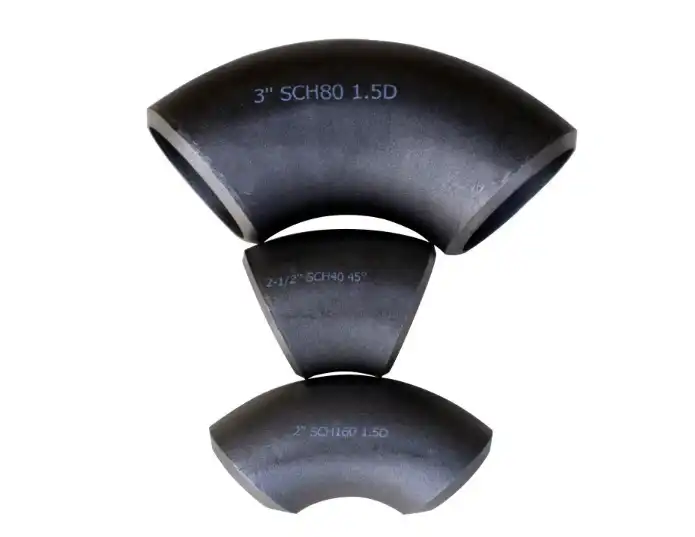
What Makes Long Radius Designs Superior
Long radius elbows have a central radius that is about 1.5 times the normal pipe diameter. This makes the curve gentler than with standard short-radius elbows. Because of this geometric benefit, the flow is significantly smoother. The stretched curve makes changes in fluid velocity less likely, which makes turbulence less likely. This removes protective layers and leaves the base metal open to corrosive attack. Industrial fluid dynamics research shows that long radius designs can lower pressure drops by 30–40% compared to sharper turns. This directly leads to lower erosion rates and longer service life.
Protective Coating Technologies
At Oudi, we know that conditions that are hard on basic carbon steel need extra security. We offer a variety of coating options in our production process, each tailored to perform optimally in specific scenarios. High-quality industrial black lacquer provides basic protection suitable for mild exposure. When projects need to be shipped or installed at sea for a long time, we use special anti-rust oils that keep their structure during shipping and installation. Hot-dip galvanizing treatment according to ASTM A153 standards is used on projects that need to be highly resistant to rust. This creates a metallurgically bonded zinc layer that covers the steel below. Specialized epoxy sealing systems are another choice. These are especially useful in chemical processes, where the suitability of the medium is important. These multi-layer epoxy systems make walls that can't be broken through, protecting the steel base from corrosive substances while still being flexible enough to allow for temperature changes.
Manufacturing Quality That Matters
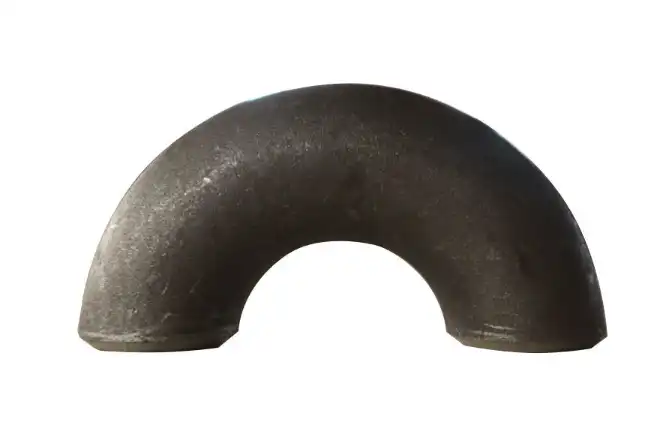
Our factory in Cangzhou has been making butt welding elbows and socket elbows that meet foreign standards since 1998. This is important because butt-welded elbows, which are mostly used at pipeline turns, are stronger for high-pressure situations that happen a lot in oil, gas, and water treatment plants. Because we can make seamless and straight-seam products, the wall thickness stays the same all the way around the elbow curve. This means that there are no weak spots where erosion and rust could build up.
Comparison of Anti-Corrosion Carbon Steel Elbows with Alternatives
Knowing how different materials work in real life is important for choosing the right ones for erosive and corrosive settings. It changes both the original input and the costs over the life of the product.
Carbon Steel Versus Stainless Steel
Because they contain chromium, which forms inactive oxide layers, stainless steel elbows are very resistant to corrosion. Because of these properties, they are good for uses that need to withstand serious corrosion. The price difference is that stainless steel parts are usually three to five times pricier than cleaned carbon steel parts that do the same job. This difference in cost is important for projects that need to stick to a budget and use large networks of pipes. Anti-corrosion carbon steel elbows offer a satisfactory compromise because they provide enough protection at a much lower cost, especially when the right treatment is chosen for the specific acidic environment.
Performance Against Galvanized Options
Hot-dip zinc covering on standard galvanized carbon steel gives it some protection from rust. Even though galvanizing works well in slightly corrosive and atmospheric situations, it might not be enough in harsh industrial settings. When it comes to normal galvanized pipe fittings, the zinc layer is usually not as thick as treatments that are specifically made to stop corrosion. Our galvanizing process is in line with ASTM A153 and makes sure that the coating weights are higher than the bare requirements. This gives you more security.
Why Plastic Falls Short?
Plastic elbows made from PVC, CPVC, or polypropylene are very resistant to many chemicals that break down metal, and they don't corrode at all. There are some big problems with these benefits. Temperature tolerance means that plastic parts can only be used in low-temperature situations, usually below 200°F, based on the material. Plastic fittings can only be used in low-stress situations because of their pressure values. Plastic isn't good for systems that have to deal with water hammer, shaking, or possible impacts because it doesn't have enough mechanical power. When industrial facilities need strong pipes for things like high-pressure steam, hot oil, or mechanical dependability, they always ask for metal parts that have been treated to protect them.
Marine and Offshore Considerations
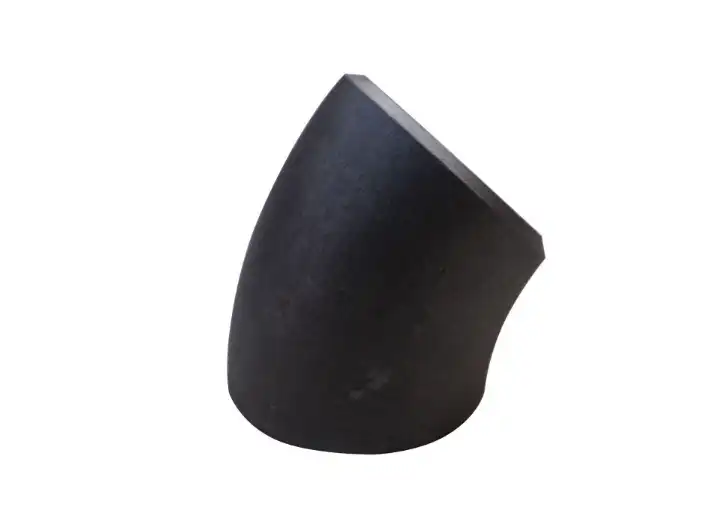
The weathering and corrosion conditions in seawater and coastal atmospheres are especially harsh. Salt spray, chloride ions, cellular activity, and wear caused by solids floating in seawater all work together. For these uses, choosing the right covering is crucial. Epoxy systems designed for underwater use provide excellent salt protection. When paired with the physical benefits of long-radius shapes that slow down flow velocity, carbon steel elbows that are properly coated last decades instead of years.
How to Choose the Right Long-Radius Anti-Corrosion Carbon Steel Elbow for Your Project?
Balancing technical needs with business facts is crucial to the success of a project. Careful consideration of various factors is essential during the selection process.
Matching Operating Conditions
Baseline interoperability is set by temperature and pressure standards. Carbon steel keeps its mechanical strength over a wide range of temperatures, from liquids that are freezing to steam services that are hotter than 400°F. For weather exposure, the protective cover system is the limiting factor. Epoxy coatings can usually handle temperatures up to 350°F, while zinc coatings can handle higher temperatures but may oxidize in harsh environments. Pressure values depend on wall thickness, material grade, and quality. Our ISO 9001:2000-approved quality management system ensures compliance with design standards for wall thickness across the elbow geometry. The layer used depends on the type of acidic media. Protecting yourself in acidic places might be different from protecting yourself in alkaline places. When it comes to problems, hydrocarbon services are different from water-based ones. Talking to makers about your specific working area will help them provide coating suggestions that are right for you.
Standards Compliance and Certification
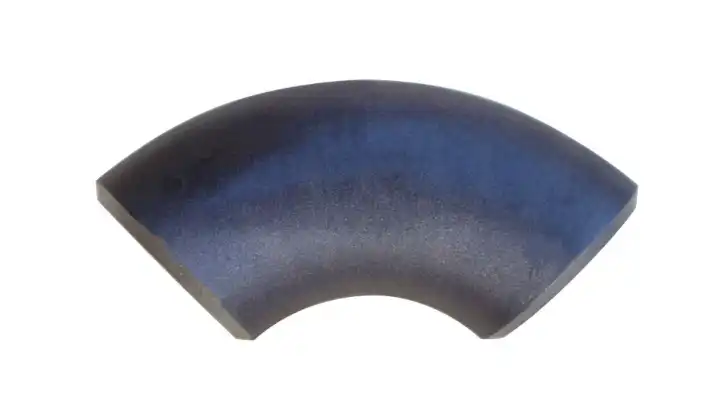
International standards make it possible for people all over the world to talk about buying things. ASTM standards specify the chemical composition, mechanical properties, and testing protocols for materials utilized in all North American markets. The ASME B16.9 standard sets the sizes and limits for factory-made wrought butt welding parts. In Europe, projects often use DIN or BS standards, while in Asia, markets may use JIS standards. Because we can make things that meet American, Japanese, German, and British standards, we can send properly approved parts to any project site. Supplier approvals are crucial, even more so than product norms. Our factory has a special equipment production license from the People's Republic of China, which indicates that it meets the standards for making pressure vessels and pipes. For this certification, you need to have written quality control processes, trained staff, and frequent audits by the government. Along with our ISO 9001:2000 certification for quality management, we keep these certifications up to date. This certification gives buying managers the proof they need to approve projects.
Evaluating Supplier Capabilities
Technical capability includes more than just licenses. It also includes production tools and resources for review. Our building has high-tech tracking tools that allow us to fully meet the needs of user testing. We use strict inspection methods for everything, from receiving raw materials to delivering finished goods. This helps us keep the high-quality standards needed for mission-critical uses. Ultrasonic and radiography examinations are examples of nondestructive testing methods that can find problems inside parts that can't be seen with the naked eye. This keeps bad parts from getting into your supply chain. Production capacity affects the reliability of deliveries. Our annual output of 16,000 tons gives us the amount we need for big projects while still letting us accommodate unique orders. Geographically, our site in Cangzhou, located 120 kilometers from Tianjin Port with direct highway access, simplifies export operations. We know how to handle the paperwork, packing, and shipping that comes with doing business with people in more than 40 countries because we've worked with over 300 customers from those countries.
Balancing Cost and Value
When comparing prices, you should look at the total cost of ownership instead of just the buy price. Cheap knees that don't have the right protective treatments may need to be replaced within a few years, while parts that are properly designed last for decades. Lifecycle economics takes into account costs like repairs, breaks, and hiring new workers. When spread out over a longer period of time, the difference in unit cost between basic carbon steel elbows and properly handled Anti-corrosion carbon steel elbows is not very big. Warranty coverage and help from the provider are also important factors that affect worth. When suppliers back their goods with real warranties, it indicates that they trust the quality of the manufacturing process. Having access to technical support helps with installation questions and resolving problems, which keeps costly mistakes from happening during the building.
Maintenance and Longevity of Anti-Corrosion Carbon Steel Elbows
Protective coats make things last a lot longer, but how long they last still depends on how well they are maintained and how harsh the surroundings are. Knowing what a reasonable term is can help with planning for upkeep and making a capital budget.
Realistic Service Life Expectations
Properly chosen and placed anti-corrosion carbon steel elbows in moderate industrial settings typically last 20 to 30 years. In harsh conditions, the lifespan could drop to 10–15 years, but in warm places with good care, it could last longer than 30 years. We got these numbers from working in oil, chemical, and water treatment plants around the world. The long-radius shape makes the life much longer by lowering the wear-and-tear forces that damage protective layers.
Inspection and Preventive Maintenance
Regular review programs help identify new problems before they escalate into major issues. During regular building maintenance checks, the coating should be looked at visually to see if it is wearing off, changing color to show corrosion products, or being physically damaged. Early discovery lets a layer be fixed in a small area before a lot of metal is lost from the steel underneath. Ultrasonic thickness testing gives a numerical value to the leftover wall thickness, which lets replacement choices be based on facts. When you clean regularly, you get rid of the layers that hold moisture and acidic materials to fitting surfaces. Facilities that process chemicals should set up cleaning procedures that are right for their process chemistry. Flushing water systems on a regular basis is a good way to get rid of sediment buildup. These seemingly simple repair tasks make parts last a lot longer.
Upgrade and Replacement Strategies
Plans for regular upgrades are needed for systems that are getting close to their design life or whose coatings are breaking down in large areas. It is cheaper to replace whole parts of pipes during planned shutdowns than to fix them quickly when they break down without warning. Modern coating methods may provide better security than solutions that were available when the building was first built. When planning a repair, looking at the current coating choices is a good way to keep up with improvements in materials science. Controlling the environment is another way to make people live longer. Keeping the humidity in equipment boxes under control lowers condensation, which leads to rusting. In underground or submerged uses, cathodic protection systems can be used in addition to coating protection. Managing temperatures so that they don't go through repeated thermal cycles lowers covering stress and keeps it from failing too soon.
Trusted Brands and Suppliers of Anti-Corrosion Carbon Steel Elbows
Choosing a supplier is one of the most important buying choices because it has a direct effect on the quality of the product, the timeliness of the project, and the long-term reliability of the system.
What Defines a Reliable Supplier
Consistent quality starts with knowledge of the manufacturing process. Since 1998, Oudi has been making pipe fittings nonstop, gaining over twenty years of experience in the process. This long operating history shows a long-term dedication to the business and the improvement of production methods. Because we only make bends, flanges, tees, and reducers out of carbon steel, stainless steel, and alloy steel, we have a lot of experience with them and don't try to be good at a lot of different types of products. Global export knowledge is very important. We've worked with clients in Europe, North and South America, Africa, Southeast Asia, and the Middle East, so we know what paperwork is needed, how to ship things, and how to talk to people in other countries so that foreign deals go smoothly. Our self-management authority for importing and exporting gets rid of the delays and communication gaps that come with going through middlemen when buying things across borders.
Certification Verification
Real certification paperwork tells the difference between real makers and sellers who might not be trustworthy. Managers in charge of buying things should ask for copies of ISO 9001 certificates, licenses to make special tools, and test results on materials. These documents are easy for real sellers to give you, but fake businesses can't make valid certificates. Our quality guarantee system, which was set up according to ISO 9001:2000 standards, keeps track of written steps from the time we receive raw materials to the time we ship finished goods. This methodical approach makes sure that all production runs are the same and makes it possible to find answers when they are needed. Material approvals that come with every package make sure that the parts provided meet certain grade requirements and mechanical properties. The chemistry make-up and mechanical test results for the specific heat of the material used in your order are given in these mill test records. Keeping these records helps with upkeep and shows that you did your research on quality buying.
Evaluating After-Sales Support
The availability of technical help sets sellers who care about their customers' success apart from those who are only interested in making sales. Supplier experts can help with complicated projects by going over the specs, suggesting the right products, and fixing problems that come up during installation. Our expert team has decades of experience using its skills in the chemical, natural gas, oil, and water treatment businesses. This view from outside the industry helps find answers that have worked in similar situations. Delivery dependability and how quickly people respond to messages have a direct effect on project plans. Proactive project management is possible when suppliers keep clear contact about the state of orders, the progress of production, and shipping plans. Our dedication to helping customers goes beyond just delivering products; it also includes building a relationship with you that will help your business succeed in the long run.
Conclusion
Long radius elbows that have been treated with the right anti-corrosion coatings last longer in erosion-corrosion settings and are cheaper than options made of exotic alloys. For specifications to work, coating systems must be matched to specific working conditions, source certifications must be checked, and upkeep procedures must be put in place that keep protective treatments in good shape. When you combine the right design shape with good materials, safe coatings, and reliable manufacturing, you get piping parts that will last for decades of tough use. Partnering with skilled providers who care about quality and customer service is the best way to make sure that projects around the world, from petrochemical plants to water infrastructure, are completed successfully.
FAQ
What coating provides the longest protection for carbon steel elbows in corrosive environments?
The best covering relies on the type of corrosive media and how the system is used. Hot-dip galvanizing according to ASTM A153 is a great way to protect things from both air and water, and in normal conditions, it can last for more than 25 years. Multi-layer epoxy systems are better at withstanding chemicals in both acidic and basic environments. Specialized epoxy formulations made to prevent chlorides work well in marine settings. Talking to covering experts about your specific surroundings will help you make the right choice.
How does long-radius design reduce erosion compared to short-radius elbows?
Long radius elbows have a central radius that is about 1.5 times the diameter of the pipe. This makes the curve smoother than with short-radius elbows, whose radius is the same as the diameter of the pipe. This longer shape keeps changes in flow speed to a minimum and lowers turbulence. According to studies, long radius shapes can lower pressure drops by 30 to 40 percent, which directly lowers the forces that wear away. The smoother flow path keeps protective layers in better shape for longer and lowers concentrated wear that concentrates corrosive attack.
How can I verify compliance with international standards when sourcing globally?
For your particular order, ask for all the certification paperwork you need, such as ISO 9001 certificates, licenses to make special tools, and material test results. Genuine makers give you thorough mill certificates that show the chemical makeup and mechanical properties of the material heat that was used to make your parts. Inspection services run by a third party can check the production process and final goods before they are sent out. Verification methods are easier when suppliers have written quality systems and clear business practices.
Partner with Oudi for Reliable Anti-Corrosion Carbon Steel Elbow Solutions
Choosing the right manufacturer of anti-corrosion carbon steel elbows will determine whether your pipe system lasts for decades without breaking or needs to be replaced before its time. Oudi can help you with your next project because they have been making specialized goods for over 20 years, are ISO 9001:2000 certified, and have done great work in over 40 countries. Our yearly production capacity of 16,000 tons serves large industrial projects, and we're still able to adapt to unique needs. For technical help with your unique program, email our engineering team at oudi-04@oudiguandao.com. We offer reasonable prices, thorough specs, coating suggestions, and strict quality control from the raw materials all the way through the final review. Our extensive production skills allow us to provide certified parts that meet all of your project's needs, whether they are ASTM, ASME, DIN, or JIS compliant.
References
1. Jones, D.A. (1996). Principles and Prevention of Corrosion, 2nd Edition. Prentice Hall.
2. American Society of Mechanical Engineers (2018). ASME B16.9: Factory-Made Wrought Butt-Welding Fittings. ASME Standards.
3. ASTM International (2016). ASTM A153: Standard Specification for Zinc Coating (Hot-Dip) on Iron and Steel Hardware. ASTM Standards.
4. Norsok Standard M-001 (2014). Materials Selection, 4th Edition. Standards Norway.
5. Revie, R.W. and Uhlig, H.H. (2008). Corrosion and Corrosion Control: An Introduction to Corrosion Science and Engineering, 4th Edition. Wiley-Interscience.
6. API Recommended Practice 14E (2007). Design and Installation of Offshore Production Platform Piping Systems, 5th Edition. American Petroleum Institute.

Need help finding the right solution with our experts. Please contact us.

SINCE 1998 Your Reliable Pipeline Manufacturer



