Can Carbon Steel Elbows Handle High Temperatures?
High-temperature carbon steel elbows can reliably handle elevated temperatures, typically operating safely between 400°C and 650°C depending on the specific grade and manufacturing standards. Because of the way they are made, the heat treatment methods they go through, and the fact that they meet strict international standards like ASTM A234 and ASME B16.9, these specialised pipe fittings keep their structural integrity under thermal stress. A high-temperature carbon steel elbow works best when the walls are thick, there is a lot of carbon in the steel, and it is installed correctly so that thermal expansion is taken into account.
Understanding High-Temperature Carbon Steel Elbows
What Qualifies as a High-Temperature Carbon Steel Elbow
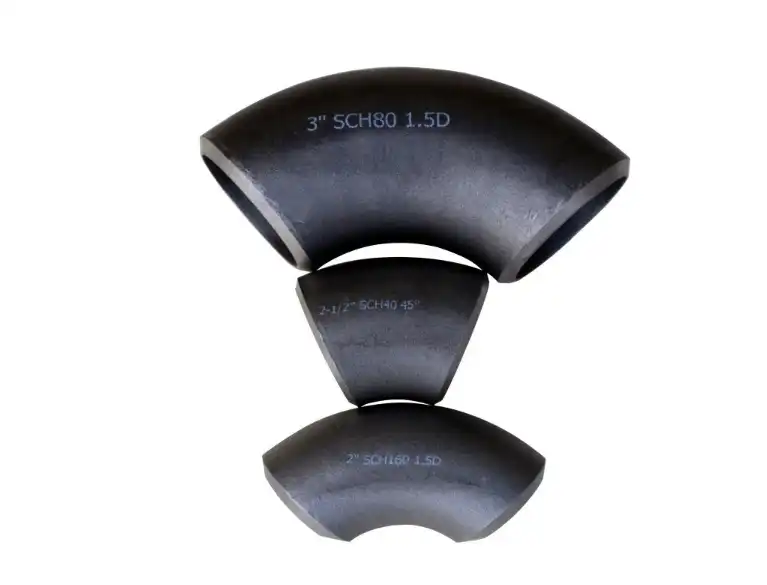
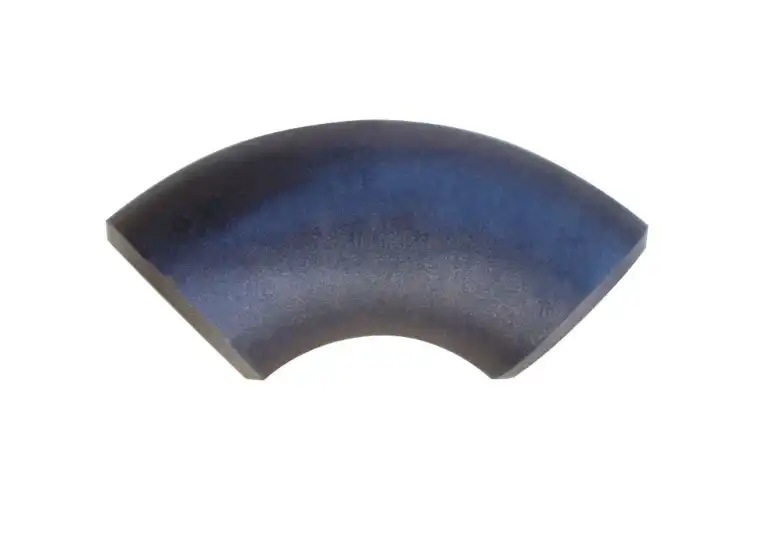
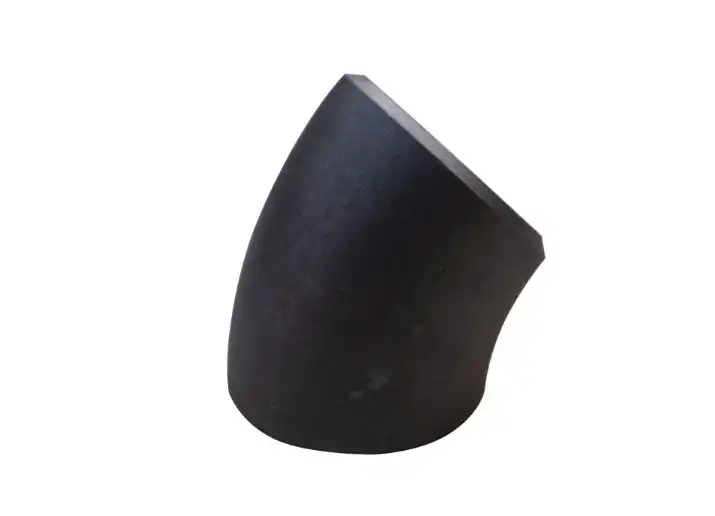
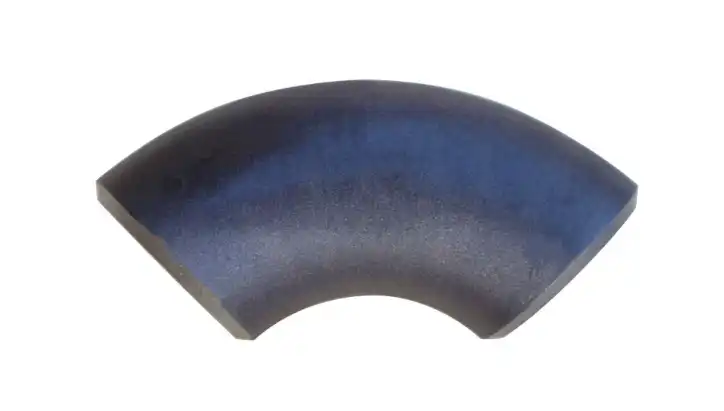
High-temperature carbon steel elbows are specialized fittings engineered to redirect fluid flow at specific angles while withstanding elevated thermal conditions. These components differ from standard elbows through enhanced material grades, thicker wall dimensions, and specific heat treatment protocols. Common industry standards governing these fittings include ASTM A234 WPB for wrought carbon steel and ASME B16.9 for factory-made fittings, which establish dimensional tolerances and mechanical property requirements.
Temperature Capabilities and Thermal Performance
Carbon steel elbows made to withstand high temperatures usually work well up to 650°C, but the best temperature ranges depend on the grade chosen. When correctly specified, the material keeps its tensile strength and doesn't break down when heated. Resistance to thermal stress is very important during start-up and shutdown cycles, when materials are put through rapid temperature changes that make them less stable. The mechanical properties, such as yield strength, elongation, and impact resistance, must stay within acceptable limits throughout the operating temperature range to keep the system from breaking down early or becoming compromised.
Why Carbon Steel Excels in High-Temperature Applications
Carbon steel is the best choice for many industrial uses because it has the best mix of thermal performance, mechanical strength, and cost-effectiveness. The material behaves consistently when exposed to changes in temperature, resisting deformation and keeping its shape over long periods of time. Because it is cheaper than alloy alternatives, bigger projects can stick to their budgets without losing reliability. If you keep your carbon steel elbows in good shape, they won't rust in most process environments. However, based on high-temperature carbon steel elbows, the medium being moved and the weather, some applications may need protective coatings or other materials.
How Do High-Temperature Carbon Steel Elbows Work? Manufacturing and Standards
Material Selection and Manufacturing Processes
When making high-temperature carbon steel elbows, the first step is to carefully choose the materials. Usually, types with a controlled carbon content between 0.25% and 0.35% are used because they are strong and easy to weld. Hot forming methods, such as mandrel bending and induction heating, are used to make the fittings while keeping the wall thickness the same all the way around the curve. These ways of making things keep the material's grain structure, which has a direct effect on how well it can handle heat stress in use.
Heat Treatment and Dimensional Precision
Normalising and stress relieving are two types of heat treatment that improve the composition of carbon steel elbows so they work better at high temperatures. To normalise, the part is heated to about 900°C and then cooled slowly. This smooths out the grain structure and makes the material stronger. Relieving stress at lower temperatures gets rid of any leftover pressures from the forming process, which lowers the risk of distortion during service. Throughout production, measuring accurately is still very important because even small differences can lead to stress concentration spots that hurt performance when subjected to thermal cycling.
Certification and Compliance Standards
Quality assurance for high-temperature applications demands rigorous certification and testing protocols. ISO 9001 quality management systems establish comprehensive documentation and traceability from raw material receipt through final inspection. ASTM and API standards specify minimum mechanical properties, chemical composition limits, and testing requirements that validate fitness for high-temperature service. At Oudi, we maintain special equipment manufacturing licenses and implement full inspection procedures including nondestructive flaw detection, ensuring every fitting meets or exceeds international benchmarks. Our advanced detection equipment performs thermal resistance testing, pressure trials, and impact assessments that confirm reliability before products reach your facility.
Comparing High-Temperature Carbon Steel Elbows with Other Materials
Carbon Steel versus Stainless Steel and Alloy Options
Material selection significantly impacts both performance and project economics. Carbon steel elbows typically operate effectively up to 650°C, while stainless steel grades such as 316L extend temperature capabilities to 870°C or higher, particularly in corrosive environments. Alloy steel options incorporating chromium and molybdenum bridge this performance gap, offering enhanced temperature tolerance and corrosion resistance at intermediate price points. However, carbon steel provides superior cost-effectiveness for applications within its temperature range, often costing 40-60% less than stainless alternatives while delivering comparable mechanical strength and reliability in non-corrosive conditions.
High-Temperature versus Standard Carbon Steel Elbows
Design distinctions between high-temperature and standard carbon steel elbows extend beyond high-temperature carbon steel elbows' simple material grades. Fittings intended for elevated temperatures feature thicker walls to compensate for strength reduction at operating temperatures, with schedule ratings typically ranging from SCH 40 to SCH XXS. The carbon content may be optimized to maintain ductility while preserving strength under thermal stress. Manufacturing specifications for high-temperature applications include tighter dimensional tolerances to ensure consistent thermal expansion behavior and reduce stress concentration. Standard elbows manufactured for ambient or low-temperature service lack these specialized characteristics and should not be substituted in elevated temperature applications where safety and reliability are paramount.
Market Considerations and Value Assessment
When comparing materials, procurement teams have to look at both the initial costs of buying them and the total costs over their whole life. In the short term, carbon steel elbows are more cost-effective, especially for big installations that need a lot of fittings. In the right environments, maintenance needs to be kept to a minimum. Regular checks and the renewal of protective coatings can stretch service life. Stainless steel and alloys are more expensive than carbon steel, but they may be more cost-effective in places where they don't rust and need to be replaced more often. Prices are affected by how well-known a brand is. Well-known manufacturers usually charge 10-15% more because they offer consistent quality, thorough documentation, and quick expert support. These things lower project risk and make the procurement process go more smoothly.
How to Select the Right High-Temperature Carbon Steel Elbow for Your Needs
Technical Specifications and Performance Criteria
To choose the right parts, you need to carefully look at the temperature and pressure limits that are compatible with your system's working range. When designing temperatures, there should be safety margins above the worst possible situations. For thermal applications, these margins are usually 10 to 15 percent. Manufacturers provide thorough derating curves that show allowable pressures across temperature ranges. Pressure ratings must take into account the fact that strength decreases at high temperatures. To make sure the pipes fit and work right, the dimensions of the elbow radius (long radius or short radius), angle configuration (45-degree, 90-degree, or other), and end preparation methods (butt weld, socket weld) must exactly match the specs for the pipes that are already in place.
Evaluating Manufacturers and Suppliers
For buying to go well, it's important to work with makers who have proven they can do what they say they can do and who are dedicated to quality. ISO 9001 certification shows that the company has quality management systems in place, and licenses to make certain types of tools show that they are following the rules and are technically skilled. Production ability is important for projects that need to meet regular due dates. With a yearly output of 16,000 tonnes, we can reliably meet the needs of even the biggest installations. There are different kinds of suppliers: those who care about the success of a project and those who only want to make a sale. Suppliers who care about the success of the project offer professional help, talk to you quickly, and don't set a minimum order amount.
Application Examples and Common Selection Errors
Power plants often need 90-degree carbon steel elbows in SCH 80 or higher rates for steam distribution systems, and high-temperature carbon steel elbows work between 450°C and 540°C. These fittings have to be able to handle both high temperatures and a lot of pressure. Chemical processing plants use 45-degree elbows to keep pressure drops to a minimum and keep flow direction control in hot process streams good. Some common mistakes in selection are not taking process variations into account when predicting working temperatures, specifying walls that are too thin, which lowers safety margins, and choosing the wrong material grades that don't have the right high-temperature properties. To stay away from these problems, you need to carefully look at the system, talk to suppliers with a lot of knowledge, and follow all relevant codes and standards during the specification process.
Procuring High-Temperature Carbon Steel Elbows: Market Insights and Best Practices
Global Supplier Landscape and Sourcing Options
On the global market for high-temperature carbon steel elbows, there are well-known companies from North America, Europe, and Asia, and each has its own benefits. Chinese suppliers like Oudi have low prices, a lot of machines that can make things, and methods that are always getting better. We work with many different kinds of businesses from our place in Cangzhou's Mengcun Hui Autonomous County. Being close to Tianjin Port makes it easier to export goods, and being able to handle our own import and export makes it easier to do business with other countries. You can make solutions that fit the needs of certain projects with OEM and customisation choices. So, instead of buying standard catalogue items, procurement teams can get fittings that are made just for them.
Pricing Dynamics and Cost Optimization
The price of high-temperature carbon steel elbows right now is set by the cost of the ingredients, how hard they are to make, and the need for approval. Due to the amount and details, Schedule 40 carbon steel 90-degree elbows in standard sizes can range in price from moderate to high. Unit costs can go down by 15–25% when you buy in bulk. This makes consolidated orders a good choice for buyers who need to arrange needs across sites or for projects that are in more than one stage. Things like project timelines and storage room need to be carefully thought out so that you can save money on costs while also keeping things.
Logistics and Supply Chain Considerations
Usually, it takes three to eight weeks to get high-temperature carbon steel elbows in common sizes and shapes. They can be longer or shorter, though, depending on the details and plans for production. It can take longer to supply items that are made to order, so it's important to start working with suppliers early for tasks that have due dates. Containerised ocean freight is still the least expensive way to send big packages internationally. However, air freight is also an option for quick needs, even though it costs a lot more. It's less likely that you'll get something wrong when you work with ISO-certified suppliers like Oudi. This is because they have documented quality systems, make it easy to find materials, and offer quick technical help that can answer questions about specs and application problems. We use full inspection procedures and nondestructive testing to make sure that when we put parts in your important systems, they will work as they should.
Conclusion
For industrial piping systems that have to work in harsh temperature conditions, carbon steel elbows made for high-temperature use are a reliable and cost-effective option. Because they have been tested and shown to work well up to 650°C and are made according to strict manufacturing standards, they are the first choice in the chemical, power production, process, and petroleum industries around the world. To do good procurement, you need to know what materials can be used, check the credentials of manufacturers, and work with suppliers who put quality, paperwork, and customer service first. By using the selection criteria and best practices described in this guide, procurement professionals can be sure that the fittings they choose will last for a long time and work with their budget and project plan.
FAQ
1. What is the maximum temperature for carbon steel elbows?
High-temperature carbon steel elbows typically operate safely up to 650°C, though the exact limit depends on material grade, wall thickness, and pressure conditions. ASTM A234 WPB grade fittings commonly handle temperatures between 400°C and 540°C in standard applications, while specialized grades extend this range. Always consult manufacturer specifications and applicable codes to determine appropriate temperature limits for your specific operating conditions.
2. How do certifications ensure quality in high-temperature carbon steel elbows?
ISO 9001 certification demonstrates that manufacturers maintain systematic quality control from raw material inspection through final testing. ASTM and ASME standards establish minimum mechanical properties and dimensional tolerances that ensure consistent performance. Special equipment manufacturing licenses confirm regulatory compliance and technical capabilities. These certifications provide procurement teams with documented assurance that fittings meet international benchmarks and will perform reliably in demanding applications.
3. Are carbon steel elbows more cost-effective than stainless steel alternatives?
Carbon steel elbows typically cost 40-60% less than comparable stainless steel fittings, making them economically attractive for applications within their temperature and corrosion resistance capabilities. While stainless steel offers superior performance in highly corrosive environments and higher temperature ranges, carbon steel provides excellent value when properly specified for compatible process conditions, reducing initial capital investment without compromising safety or reliability in appropriate applications.
Partner with Oudi for Your High-Temperature Carbon Steel Elbow Needs
Oudi has manufactured precision carbon steel pipe fittings since 1998, earning trust from over 300 customers across Europe, the Americas, Africa, Southeast Asia, and the Middle East through consistent quality high-temperature carbon steel elbows and responsive service. As an ISO 9001-certified high-temperature carbon steel elbow manufacturer with special equipment manufacturing licenses, we combine advanced production equipment with rigorous inspection protocols to deliver fittings that meet ASTM, ASME, and international standards. Our 16,000-ton annual capacity ensures reliable supply for projects of any scale, while our technical team provides consultation to help you specify optimal solutions for your specific operating conditions. Whether you need standard configurations or customized solutions for complex industrial projects, our comprehensive product range includes carbon steel, stainless steel, and alloy steel elbows in various angles, radii, and schedules. Contact our team at oudi-04@oudiguandao.com to discuss your requirements, request detailed technical specifications, or arrange a consultation with our engineering specialists who understand the critical importance of proper fitting selection in high-temperature applications.
References
1. American Society for Testing and Materials. "ASTM A234 Standard Specification for Piping Fittings of Wrought Carbon Steel and Alloy Steel for Moderate and High Temperature Service." ASTM International, 2021.
2. American Society of Mechanical Engineers. "ASME B16.9 Factory-Made Wrought Buttwelding Fittings." ASME Standards, 2020.
3. Becht Engineering. "High Temperature Design Considerations for Carbon Steel Piping Systems." Journal of Pipeline Engineering, vol. 18, no. 3, 2019, pp. 145-162.
4. Thompson, Michael J., and Sarah Chen. "Material Selection for Elevated Temperature Piping Applications: A Comparative Analysis." International Journal of Pressure Vessels and Piping, vol. 195, 2021, pp. 104-118.
5. National Board of Boiler and Pressure Vessel Inspectors. "Guidelines for High-Temperature Carbon Steel Component Selection in Industrial Applications." Technical Bulletin, 2020.
6. Wang, Li, et al. "Thermal Performance and Mechanical Behavior of Carbon Steel Pipe Fittings Under Cyclic Temperature Loading." Materials Science and Engineering: A, vol. 812, 2022, pp. 141-156.

Need help finding the right solution with our experts. Please contact us.
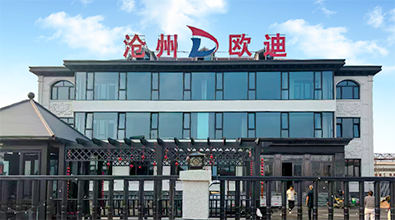
SINCE 1998 Your Reliable Pipeline Manufacturer