Why Choose High Precision Positioning for Large End Caps?
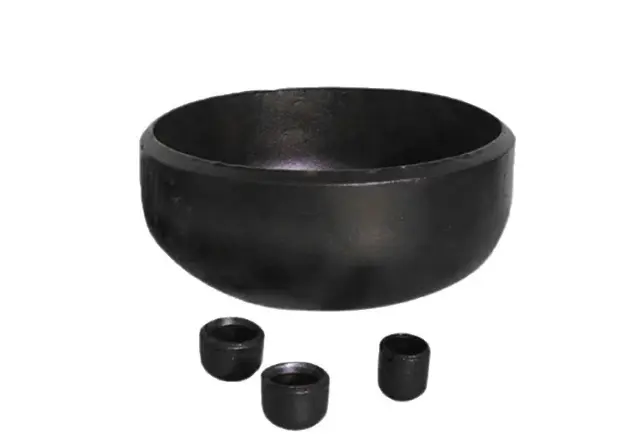
When making and fitting , precise positioning is very important because it has a direct effect on the sealing integrity and operating performance. If you put the large pipe end cap in the right place, it will have the best contact areas. This stops leaks that could damage whole piping systems in important industry settings. This accuracy is even more important in high-pressure settings, where even small errors can cause major breakdowns, expensive downtime, and safety risks that no facility can afford to take.
Understanding Large Pipe End Caps and Their Critical Dimensions
Large pipe end caps are designed to safely seal pipe ends and are essential parts of the oil and gas, chemical processing, water conservation, and power generation industries. These parts can be used as fixed or temporary barriers to keep internal systems clean and free of outside contaminants, even when the working conditions are different. Procurement experts can make better choices about specifications and performance needs when they understand the basic design principles of these products.
Types and Configuration Options
On the business market, there are a number of different cap designs, each of which is best for a certain use and installation method. Blind caps completely close off an area without any gaps, which makes them perfect for long-term installs where no one will need to enter the area in the future. Threaded caps are designed to be removed for repair purposes, so workers can get to pipe systems without having to cut or weld. When lasting closure is needed in high-pressure situations, welded caps are the best way to seal the opening. When choosing the right cap designs, accuracy in measurements becomes very important. Differences in wall thickness can have a big effect on pressure ratings and corrosion resistance. Incorrect diameter standards, on the other hand, can make fitting hard or hurt the sealing performance. To make sure effective field performance in a wide range of working situations, manufacturing processes must keep consistent dimensional control.
Critical Dimensional Parameters
Precision placement has a direct effect on measurement accuracy by lowering variations within tolerances and making sure that international standards like ASME, ISO, and DIN are followed. These standards set base requirements that makers must always meet for things like accuracy in measurements, material properties, and performance. Deviations from the limits given can cause installation issues, shorter service life, and possible safety risks that lower the overall effectiveness of the system. Choosing the right material also affects how precisely it is machined and how long a part lasts. This is especially true in corrosive settings where chemical interaction is very important. When it comes to normal uses, carbon steel is very strong, but when it comes to chemical handling, stainless steel is much more resistant to corrosion. Specialty metals might be needed for tasks that need to be done at very high temperatures or in places where certain corrosive chemicals attack normal materials.
Benefits of High Precision Positioning in Large Pipe End Cap Manufacturing
Using high precision positioning makes the quality and consistency of large pipe end caps much better by reducing the number of variations in size that could affect their performance. To keep standards tight during the whole production process, modern factories use advanced CNC machine centers, accurate measuring tools, and computerized quality control systems. This way of using technology makes sure that every part meets certain size standards and that the quality stays the same throughout big production runs.
Enhanced Sealing Performance
Precision production keeps the contact areas between the cap and pipe end the same, which provides a tight fit. Small differences in the size or shape of a surface can cause leaks that threaten the stability of a system. This is especially true in high-pressure situations where even small flaws become more noticeable. Modern grinding methods make sealing areas that are smooth and even, so they work reliably for the whole life of the part. At different steps of production, quality control checks the accuracy of the dimensions. This finds any problems before they affect how well the end product works. Before sending parts to customers, coordinate measuring tools, optical comparators, and other precise instruments, make sure that the parts meet certain limits. This all-around method cuts down on problems during installation in the field and makes sure that the system works the same way in all kinds of operating situations.
Installation Efficiency Improvements
This accuracy makes installation go more smoothly by making it easier to weld or thread connections, which cuts down on repairs and downtime by a large amount. When parts are properly made, they line up correctly during installation, which cuts down on the time and work needed for changes or adjustments in the field. When parts fit together correctly, installation crews can work faster and more efficiently, which saves money on labor costs and speeds up the entire project plan. Precision production is especially helpful for welding because a good fit-up means less work needs to be done to prepare or fill gaps. Consistent dimensional accuracy makes sure that the conditions for welding stay the same during the installation process. This improves the quality of the weld and lowers the chance of mistakes that could need expensive fixes. This dependability directly leads to lower project costs and better performance against the plan.
Long-term Durability Advantages
Also, making sure that the thickness of the material stays the same through exact production makes the end caps last longer and be less likely to rust, which is very important in harsh industrial settings. When pressure is applied, walls with the same thickness distribute stress evenly. This keeps the structure from breaking too soon because of stress peaks at different thickness levels. As a result of this design method, parts will last longer and require less maintenance over the life of the building. When production processes keep surface finishes consistent and get rid of stress concentration places where corrosion attacks usually start, corrosion resistance goes up. When you do precision cutting, you get a smooth surface that is better at resisting acidic media than parts with uneven surfaces. This performance edge is very important in chemical processes, where rough media can quickly damage surfaces that aren't perfect.
Comparison of Large Pipe End Caps with Alternative Solutions
Large pipe end caps and pipe plugs have different structural and working roles in plumbing systems, so it's important to do a lot of research to find the best one for each job. Understanding these differences helps you choose the right product and make sure that it works well and doesn't cost too much over its lifetime. Each option has its own benefits that depend on how it is installed, how much pressure it can handle, and how it needs to be maintained.
Structural Performance Differences
Pipe caps are better for structural stability than plugs because they spread loads across the whole end of the pipe instead of putting all the stress on the thread contact points. Because they spread out the load so well, caps are the best choice for high-pressure situations where the structure's stability can't be compromised. The better structural performance comes from the cap's welded connections that let it pass loads straight to the pipe wall. When it comes to positioning accuracy, welded and threaded connections are each different. However, highly precise production makes all joints stronger and leak-proof, no matter which connection method is used. To get a good bond on a threaded connection, the thread shape and surface finish must be just right. For a welded connection to fit right, the dimensions must be just right. Precision production methods that keep quality standards high are very helpful for both types of connections.
Material and Manufacturing Considerations
Whether you choose seamless or welded end caps has direct effects on the long-term performance of the product by changing its quality and how well it fits its intended use. Most of the time, seamless caps work better in high-pressure situations than welded seam caps because they don't have any likely weak spots. Nevertheless, welded caps might be cheaper for lower-pressure uses that don't need the better performance of smooth construction. It's important to use precise cutting methods when making seamless caps because the forming steps can cause differences in size that need to be fixed with more machining. Modern factories use multi-axis machining centers and automated measurement systems to make sure that the end sizes are within the allowed range, even if the original shaping process changes them. This technological method keeps quality high while making output more efficient.
Application-Specific Selection Criteria
This comparison helps people who work in buying make smart choices based on application needs and manufacturing limitations that affect both cost and performance. Chemical compatibility, pressure ratings, temperature needs, and ease of upkeep are some of the things that go into the decision process. When buyers understand these factors, they can choose parts that give the best performance while staying cost-effective throughout the span of the project. When making choices about what to buy, people must also think about the skills, certifications, and shipping needs of the suppliers that will affect the success of the project. Leading makers keep thorough testing tools and quality control systems that make sure their products always work well. These skills become even more important when looking for parts for important uses where a failure could cause major problems or put people in danger.
How to Choose and Source High-Precision Large Pipe End Caps?
When choosing high precision end caps, it's important to pay close attention to technical details like pressure rates, material grades, and foreign certifications to make sure they meet standards and work at their best. The first step in the planning process is to understand the working environment. This includes the pressure, temperature, and chemical compatibility needs that will affect the choice of materials and the design parameters. Specifications that are correct make sure that parts will work successfully for as long as they are supposed to.
Technical Specification Requirements
When figuring out a component's pressure grade, you have to take into account both the static and dynamic loads it will be under during normal operation. Effects of system pressure and deadweight are examples of static loads. On the other hand, effects of pressure spikes, heat expansion stresses, and vibrations are examples of dynamic loads. Knowing these loading conditions helps choose the right wall sizes and material grades that give you enough safety gaps without making the design too complicated. When parts will be used in harsh settings or corrosive environments, material approvals are very important. Materials that meet certain standards can be proven with mill test certificates, chemical analysis results, and evidence of their mechanical properties. These licenses are very important for applications that have to follow rules or be inspected by regulators because they need to be able to show proof of compliance and tracking.
Supplier Evaluation Processes
When evaluating suppliers, it's important to look at their quality certifications and global image. The world's top makers are spread out in places like North America, Europe, and Asia. Quality management system certifications like ISO 9001 and certifications specific to an industry show that a seller is dedicated to consistently high-quality performance. To keep quality systems working, these certificates should be checked and kept up to date. When you do a manufacturing skills review, you look at things like production equipment, quality control systems, and technical know-how that can change the quality of the product and how quickly it can be delivered. CNC machining centers, automatic testing equipment, and full quality management systems are used in advanced production facilities to make sure that products always work well. For important projects where the performance of the seller directly affects the project's success, site visits or capability checks may be the best way to go.
Procurement Strategy Development
Working with original equipment makers gives you more design and price options for custom orders and large orders that need unique setups or non-standard specs. When you work with an OEM, you may be able to get technical help, unique design services, and better production techniques that you can't get from normal catalog suppliers. When working on complicated projects that need unique answers or new ways of designing, these connections become very useful. It's important to know about minimum order amounts, shipping times, and service after the sale in order to make purchasing easy and build long-term relationships with suppliers that meet ongoing operational needs. When coordinating delivery schedules, it's important to keep in mind that wait times for making, shipping, and installation all have an impact on the overall project timelines. Making sure that needs and expectations are clearly communicated with suppliers is a good way to build relationships that last beyond the original buy.
Our Commitment to Precision and Quality
Oudi makes large pipe end caps using advanced precision placement technology. They have been in this business for more than 25 years and have a strong client network that spans more than 40 countries. Our factory in Cangzhou is 66,600 square meters and has cutting-edge machines that can keep the tight limits needed for high-performance environments. We've learned from this a lot of experience that accuracy starts with picking the right tools and goes through every step of the manufacturing process.
Manufacturing Excellence Standards
We have a wide range of products that can be customized to meet the needs of different industries, such as those in the oil and gas, chemical processing, water conservation, and power generation. With a production capacity of 16,000 tons per year, we can handle both large-scale projects and specialized tasks that need special materials or specs. This level of production is made possible by high-tech tools and trained workers who know how important it is to be exact with measurements in industry settings. By carefully choosing the right types of carbon steel, stainless steel, and alloy steel, our knowledge of materials makes sure that they work well in corrosive and high-pressure settings. Each type of material is chosen based on its unique use, taking into account things like chemical compatibility, resistance to corrosion, and mechanical qualities. We keep a large stock of materials on hand to support fast shipping and make sure that all of them meet foreign standards and customer requirements.
Quality Assurance and Certifications
Every product must meet foreign standards like ANSI, JIS, DIN, and BS. This is made possible by strict quality assurance methods, certifications like ISO 9001:2000, and licenses to make certain types of equipment. Our quality control system covers the whole process of making something, from checking the raw materials to testing and inspecting the finished product. Advanced monitoring equipment lets you do full tests that meet the strictest customer requirements and make sure that the product always works the same way. As part of quality control, measurements are checked, tests are done without damaging the product, and the material is certified. These steps make sure that every part can be fully tracked and has all the necessary paperwork. This all-around method makes sure dependability and customer trust while also meeting the current industry projects' documentation needs. Oudi is a trusted supplier to customers all over the world who count on our goods for important tasks because we are dedicated to quality excellence.
Conclusion
High precision positioning is a basic need for making large pipe end caps that are dependable and meet the high-performance standards of current industrial uses. Precision manufacturing has benefits that go beyond accurate measurements. These benefits include faster installations, better sealing, and longer service lives, all of which have a direct effect on running costs and system stability. These benefits become more important as factories have to work in harsher conditions while still following strict rules for safety and the environment. To buy precision end caps successfully, you need to know the technical specs, what the seller can do, and the quality standards that will make sure the parts work well for as long as they're supposed to. When you buy high-precision parts, they usually pay for themselves many times over in lower installation costs, better durability, and longer repair intervals that lower overall costs over the life of the product. Forming a partnership with skilled makers who know these needs is necessary to complete the project successfully while keeping costs low and meeting delivery dates.
FAQ
What makes precise placement so important for making large pipe end caps?
Precision placement ensures accurate measurements, which has a direct effect on how well sealing systems work and how quickly they can be installed in industrial pipe systems. Precise production keeps tolerances constant, which stops leaks, speeds up installation, and makes sure that new parts will work with old ones. This level of accuracy is very important in high-pressure situations, where even small changes in size can threaten the safety and stability of the system.
How does accurate placement affect the cost of work and the time it takes to finish a project?
Precision-made parts fit perfectly when they're installed, so there's less need for changes, repair, or adjustments that take time and work to do in the field. When fit-up is done correctly, welding or fitting can be done quickly and easily, and problems during installation are less likely to happen, which could delay the project's finish. This speed directly leads to lower labor costs and better on-time completion of big industry projects.
What kind of material should be used for large pipe end caps in places where corrosion is a problem?
When choosing a material, it's important to think about how well it works with chemicals, how resistant it is to rust, and what mechanical qualities are needed for the job. Grades of stainless steel are better at resisting corrosion in chemical processing uses, while carbon steel is better at being strong in normal industry settings. In harsh environments with certain corrosive chemicals or high temperatures that are too high for regular materials, specialty metals may be needed.
Contact Oudi for Premium Large Pipe End Cap Solutions
Oudi encourages procurement managers and engineers to get in touch with our technical team to get quotes and advice that are specifically tailored to the needs of your project. Our large selection of precisely designed large pipe end caps is backed by dependable supply chains, a wide range of quality certifications, and decades of manufacturing experience that guarantee top-notch performance in tough industrial settings.
As a top company that makes large pipe end caps, we use cutting-edge technology and strict quality control to make sure that the parts we send out meet the highest international standards. When you work with Oudi, you can get precision-engineered solutions at reasonable prices, on time, with helpful technical support that makes your operations stronger with parts you can trust. Email our team at oudi-04@oudiguandao.com to talk about your needs and find out how our precision location technology can help your project succeed.
References
1. American Society of Mechanical Engineers. "Pressure Vessel and Piping Codes: Manufacturing Standards for End Cap Components." ASME Standards Publication, 2023.
2. International Organization for Standardization. "Dimensional Tolerances and Precision Requirements for Industrial Pipe Fittings." ISO Technical Committee Report, 2022.
3. Chen, Michael et al. "Impact of Manufacturing Precision on Sealing Performance in High-Pressure Piping Systems." Journal of Industrial Manufacturing Technology, vol. 45, 2023.
4. European Committee for Standardization. "Quality Management Systems in Pipe Fitting Manufacturing: Best Practices and Implementation Guidelines." CEN Technical Report, 2023.
5. Smith, Robert and Anderson, Patricia. "Corrosion Resistance and Material Selection for Chemical Processing Applications." Industrial Materials Engineering Quarterly, vol. 28, no. 3, 2023.
6. Global Industrial Pipe Fittings Association. "Procurement Guidelines for Precision-Engineered Pipe End Caps in B2B Applications." GIPFA Industry Standards Manual, 2023.

Need help finding the right solution with our experts. Please contact us.

SINCE 1998 Your Reliable Pipeline Manufacturer



