Comparing Different Types of Elbows in Industrial Piping
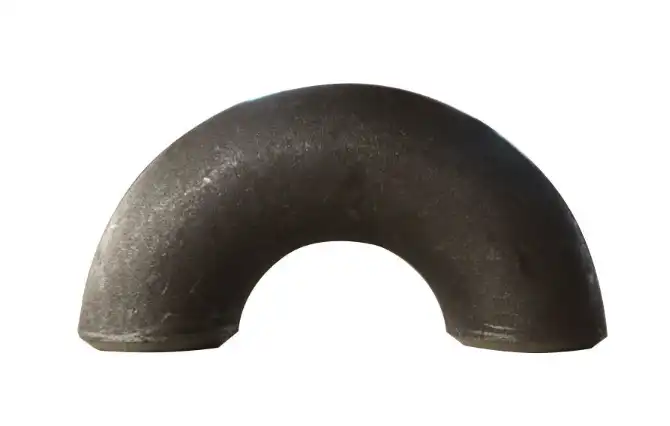
It is important to know the differences between the different types of when choosing parts for industrial uses. This is because each type has its own unique properties and ways of working. Each type of pipe elbow has its own benefits that depend on the working conditions, pressure needs, and fitting limitations. Choosing between seamless and welded construction, angle specs, radius shapes, and material compositions has a direct effect on how the flow works, how much pressure is lost, and how reliable the system is over time in harsh industrial settings.
Understanding Pipe Elbow Types and Their Key Characteristics
Standard Angle Classifications and Their Applications
When changing directions, industrial pipe systems usually use three main types of angles. The most common type of fitting is the 90-degree elbow, which allows for perpendicular direction changes that are needed for transitioning from vertical to horizontal and installing in corners. These fittings keep the flow properties constant while working with limited space in complicated layouts. The 45-degree elbow is used in certain situations where changing directions slowly is needed to keep noise and pressure drop to a minimum. This setup works especially well in situations where flow efficiency is more important than saving room. The softer angle cuts down on stress spots and increases the system's life in high-pressure situations. 180-degree return elbows, which are less common but just as important, completely change the flow in small areas. In situations like heat exchanges and helical cooling systems, these fittings get rid of the need for multiple parts while keeping the structure strong.
Radius Variations and Flow Impact
Long radius elbows have a central radius that is 1.5 times the standard pipe diameter. This makes the flow changes smoother and reduces pressure loss. Because the stretched curve reduces turbulence, these fittings are perfect for situations where the efficiency of the flow directly affects the cost of doing business. This design is very helpful for businesses that handle large amounts of fluids, like water treatment plants and oil factories. When you use short radius elbows, the centerline radius stays the same as the standard pipe diameter. This saves room and improves flow. Even though these fittings have a slightly higher pressure drop, their small size makes them very useful in tight spaces where design choices are limited. Because they take up less space, small radius designs are often used in shipbuilding and offshore platforms.
Material Specifications and Performance Characteristics
Carbon steel elbows are used a lot in industry because they are strong for the price and have been proven to work well in moderate-temperature settings. A234 WPB grade carbon steel works well in systems that aren't heated above 400°F, so it can be used for distributing water, sending low-pressure gas, and other industry tasks. Different types of stainless steel are better at resisting rust, which is important for chemical processes and food-grade uses. Grade 304 stainless steel can handle most corrosive conditions, while 316L is better at resisting rust caused by salt. Material choice has a direct effect on how long a system lasts and how often it needs to be maintained. Alloy steel mixtures are used in harsh environments where regular materials don't work well. Chrome-molybdenum metals can handle the high temperatures and pressures that are used to make electricity and process petrochemicals. The prices for these specific products are very high, but they work very well in difficult situations.
Comparing Pipe Elbows for Different Industrial Applications
High-Pressure System Requirements
Industrial systems with a lot of pressure need elbows that are strong enough to handle a lot of mechanical stress without putting safety at risk. Welded joints can fail at certain places, but seamless construction doesn't have those problems. This makes it better for use with operating pressures above 1500 PSI. In pipe elbows, the wall width standards are very important. Schedule 80 and 160 elbows have thicker materials so they can safely handle high pressures. The link between the pressure number and the wall thickness is based on well-known engineering principles. This makes sure that the system works reliably within its design limits. The choice of material has a big effect on how well it can handle pressure. For moderate pressures, carbon steel A234 WPB grade works reliably, while chrome-molybdenum alloys increase the working range for harsh environments. Matching materials correctly keeps things from breaking down too soon and makes sure operations are safe.
Chemical Processing Considerations
Chemical processing settings have their own problems that need special material properties and design factors. When working with harsh chemicals, acids, or alkaline solutions, corrosion protection is very important. Chemical compatibility, weather effects, and long-term exposure effects must all be taken into account during the choosing process. The types 316 and 316L of stainless steel are very good at withstanding most chemicals, especially chlorides and other halogenated compounds. 316L's low carbon content stops carbide from forming during welding, so it stays resistant to rust in areas that have been heated. In chemical uses, the surface finish needs to be better than what is normally required. Electropolished surfaces make it easier to clean thoroughly, which is important for keeping the quality of the product. In the pharmacy and food processing industries, these improved products are very useful.
Water Treatment and HVAC Applications
Water cleaning systems try to be as cost-effective as possible while still working reliably for long periods of time. For most water uses, carbon steel elbows with protective coatings offer enough corrosion protection at a price that is easy on the wallet. When choosing a material, the balance between the original cost and the costs that come up over its lifetime is important. Lightweight materials that are good for structural performance and make installation easier are good for HVAC systems. The lighter weight means that the structure doesn't need as much support, and it costs less to build. The right size makes sure that the flow is perfect without losing too much pressure, which would increase the amount of energy used. When temperatures change in HVAC systems, they cause patterns of thermal stress that need to be taken into account during design. Integration of the expansion joint and the right support space allows for heat movement without putting too much stress on the elbow components. These design factors keep systems from breaking down too soon and make sure they are reliable.
Decision Support: How to Choose the Best Pipe Elbow?
Defining Project Requirements and Operating Parameters
To choose the right elbow, you must first carefully look at the working conditions and system needs. Pressure ratings must take into account the highest working pressures plus the necessary safety limits set by the relevant rules and standards. The connection between the working pressure and the design pressure makes sure that the system works safely for as long as it is supposed to. Temperature issues aren't just important in steady-state situations; they're also important during starting, shutdown, and emergency situations. When the temperature changes, the characteristics of a material change a lot, including its strength, flexibility, and resistance to corrosion. The right temperature grade makes sure that the system works reliably across the whole working range. The properties of fluids have a big effect on the choice of material and the needs of the design. For corrosive fluids, you need special materials, and for rough media, you might need to harden the surfaces or make the walls thicker. Understanding the features of fluids helps choose the right materials and keeps parts from breaking down too quickly.
Evaluating Cost-Performance Trade-offs
The pipe elbows of the initial parts are only a small part of the total costs that come up over the life of an industrial plumbing system. More often than not, higher-quality products and building methods offer better long-term value by requiring less upkeep and lasting longer. Replacement prices, downtime effects, and safety issues must all be taken into account in the research. Long-term running costs are greatly affected by how easy it is to do maintenance. The setting of the elbow should make inspection and replacement easier without having to shut down the system for a long time. Strategic placement makes upkeep easier and cheaper by cutting down on the number of people needed to do it. It also makes the system more reliable. When big businesses use a lot of energy, the energy economy becomes more and more important. Long radius elbows cut down on pressure losses and the amount of energy needed for pumps. This saves money over time and makes up for the higher starting costs. The energy saved that builds up over the life of a system often makes it worth it to choose high-end components.
Supplier Assessment and Quality Verification
The quality of manufacturing has a direct effect on how well components work and how well the system works. Getting ISO 9001 approval shows that you are dedicated to quality management systems and regular ways of making things. With these certificates, you can be sure that the quality of the product and the consistency of the manufacturing process across batches are guaranteed. Being able to test and check a product makes sure it meets certain standards. Ultrasonic inspection and X-ray examination are examples of non-destructive testing methods that check the quality inside a component without damaging it. Comprehensive testing tools find problems before they are installed. Superior sellers are different from commodity suppliers in that they can provide technical help. A lot of value is added to the buying process by engineering help during selection, installation advice, and support after installation. These services make sure that the right program is used and that the component works at its best for as long as it is in use.
Industry Solutions and Innovations in Pipe Elbow Manufacturing
Advanced Manufacturing Techniques
Modern ways of making things have changed the way elbows are made, improving quality while lowering costs. With hot forming, solid pipe pieces are turned into seamless bends. This means that there are no welded joints or other possible weak spots. The hot-forming method keeps the material's properties while getting precise control over dimensions that are necessary for long-lasting performance. The method used for making has a big effect on the features and performance of the parts. When you use hot pushing to make an elbow, the wall stays the same thickness all the way around the bend radius. When compared to other ways of making things, this method creates better flow qualities. During production, quality control methods make sure that all batches of the product work the same way. Advanced checking tools, like automatic ultrasonic testing and physical measurement systems, make sure that the product meets the requirements. These quality control steps get rid of any bad parts before they are shipped.
Material Science Advancements
New developments in metals have made it possible to use more types of materials for specific tasks. Duplex stainless steels have both the strength of ferritic compositions and the ability to fight rust of austenitic grades. When used in tough conditions, these combination materials do a better job while still being cost-effective. Protective covering technologies make parts last longer in corrosive settings without using special base materials. Advanced coating methods guard against damage while keeping the required level of accuracy and surface finish. These technologies make it possible for carbon steel parts to work consistently in conditions that are only slightly corrosive. Heat treatment methods make the qualities of a material better for a certain use. Stress-relieving methods get rid of leftover stresses from shaping, which makes the part more reliable when it is loaded and unloaded many times. The right heat treatment makes sure that the part works at its best for as long as it's supposed to.
Industry Standard Compliance and Certification
International standards make sure that parts work together and behave the same way in all places around the world. Butt-welding fittings must meet certain size standards, pressure ratings, and material qualities, which are spelled out in ASME B16.9. Following these rules will make sure that the product works well and is compatible with all computers. Protocols for testing make sure that parts work as they should in simulated working circumstances. Hydrostatic testing proves that the material can handle pressure, and material testing confirms that it has the right chemical makeup and mechanical qualities. These methods for checking give you faith in the safety margins and dependability of the parts. Requirements for documentation help with quality control and tracking along the whole supply chain. Material certificates, test results, and inspection records show that the product meets the requirements. Complete paperwork makes it easier to do things like installation, upkeep, and follow the rules.
Oudi's Comprehensive Pipe Elbow Solutions
Manufacturing Excellence and Quality Commitment
The people who work at our factory in Cangzhou have been making high-quality industrial pipe fittings for more than 25 years. The 66,600-square-meter production center has high-tech machines that can make 16,000 tons of different types of elbows every year, including ones that are seamless and ones that are soldered. Our central position makes it easy to get to major transportation networks, which makes sure that we can quickly deliver to customers around the world. For our pipe elbows to work, we need quality control tools. Getting ISO 9001:2000 recognition shows that we are dedicated to maintaining quality and always making things better. The special equipment manufacturing license from the People's Republic of China proves that we can make parts for important uses. Customers can be sure that these approvals mean the product is reliable and that the production process is consistent. Modern production tools let you precisely control the accuracy of measurements and the qualities of materials. We can make seamless bends with better structural stability than soldered ones, thanks to our hot forming skills. To make sure customers are happy, thorough checking processes, such as non-destructive testing methods, are used to check the quality of each component before it is shipped.
Comprehensive Product Range and Customization Capabilities
When it comes to industrial elbows, our product line covers all of your needs, with a wide range of sizes and materials available. Elbows made of carbon steel in the A234 WPB grade work well in most commercial settings, while elbows made of stainless steel in the 304 and 316L grades are better for environments that are likely to rust. Alloy steel formulas make it possible for high-temperature and high-pressure uses to work for longer. Standard and custom designs allow dimensional freedom to meet the needs of a wide range of projects. Angles of 45 degrees, 90 degrees, and 180 degrees are available in both long and short radius forms. You can choose wall thicknesses from Schedule 10 to Schedule 160 to meet the needs of your individual pressure grade. This wide range gets rid of the need for multiple sources while still letting you choose the best parts. The manufacturing skills meet the needs for both regular output and custom fabrication. Working together as engineers during the design step makes sure that the best parts are chosen for each purpose. Custom measurement needs get the same high-quality care as standard goods, which gives you options for projects with specific needs.
Global Service Network and Technical Support
We do business in more than 40 countries around the world, including those in Europe, North America, South America, Africa, Southeast Asia, and the Middle East. This global network makes sure that service and expert help are quick and easy, no matter where the project is located. Regional relationships make it easier for foreign customers to get logistics and local help that work well. Customers get help from technical experts during the whole process of choosing and implementing. To make sure the system works at its best, our engineering team gives advice on applications, suggests materials, and helps with installation. This way of working together cuts down on design risks and makes the best choice of parts for each operation. Excellent customer service goes beyond just delivering products and includes full help after the sale as well. Technical paperwork, installation instructions, and help with fixing problems make sure the job is finished successfully. Because we want our customers to succeed, we build long-term relationships with them built on dependable service and performance.
Conclusion
To choose the right pipe elbows, you need to carefully think about the working conditions, the qualities of the material, and the performance needs that are unique to each industrial application. Knowing the differences between seamless and welded construction, radius shapes, and material specs lets you make smart choices that improve system performance while keeping costs low. High-quality production, thorough testing, and obedience to international standards make sure that parts work reliably in harsh industrial environments. To choose the right elbow, you need to think about both how much it will cost right now and how reliable it will be in the long run. Technical knowledge and helpful customer service from qualified providers can help you do this.
FAQ
What is the difference between seamless and welded pipe elbows?
Seamless elbows are made from solid pipe pieces using hot forming methods, which gets rid of the need for welded joins and possible weak spots. This way of building gives the structure more strength and makes the wall thickness the same all the way through the part. Welded elbows are made by joining several pieces together. This can cause stress concentration spots but can save money for bigger diameter applications.
How do I determine the correct pressure rating for my application?
Pressure ratings must be higher than the highest working pressures by the amount of safety gaps required by the rules that apply. Instead of just looking at regular working pressures, you should also look at peak pressures during startup, shutdown, and upset situations. The choice of pressure number is affected by the properties of the material, the effects of temperature, and the standards of the code. Talking to experienced engineers is the best way to make sure you choose the right rating for important uses.
When should I choose long radius versus short radius elbows?
Long radius elbows are great for situations where flow efficiency is very important because they reduce pressure losses and turbulence. Short radius elbows save room in setups that are limited, but they also cause bigger drops in pressure. When making this choice, think about the trade-off between the amount of room needed for installation and the amount of energy used during operation.
What material should I select for chemical processing applications?
Which material to use depends on the chemicals, their amounts, and the temperatures at which they will be used. Stainless steel types 316 and 316L are very good at resisting rust in most situations, but for harsh conditions, you may need to use a different alloy. By using chemical compatibility charts and performing rust tests, you can be sure that you are choosing the right materials for each job.
Partner with Oudi for Your Industrial Pipe Elbow Requirements
With 25 years of experience making high-quality products, Oudi can give your business projects the quality and dependability they need. Our full range of pipe elbow supply services includes both seamless and soldered designs in a range of materials. We are ISO 9001 certified and have licenses to make special equipment. Modern production facilities and strict quality control make sure that the products always work well in tough situations, like water treatment systems and handling petrochemicals. Email our engineering team at oudi-04@oudiguandao.com to talk about your unique needs and find out how our knowledge can help you get the most out of your pipe system while keeping project costs low.
References
1. American Society of Mechanical Engineers. ASME B16.9-2018: Factory-Made Wrought Buttwelding Fittings. New York: ASME Press, 2018.
2. Kuppan, T. Heat Exchanger Design Handbook. 2nd ed. Boca Raton: CRC Press, 2013.
3. Mohinder L. Nayyar. Piping Handbook. 8th ed. New York: McGraw-Hill Professional, 2016.
4. Singh, R.K. and S.N. Singh. "Pressure Drop Analysis in Pipeline Elbow Fittings." International Journal of Mechanical Engineering Research 8, no. 3 (2018): 245-258.
5. Smith, Peter R. Materials Selection for Industrial Piping Systems. London: Professional Engineering Publishing, 2019.
6. Zaghloul, M.A. and A.H. Elbatran. "Comparative Study of Flow Characteristics in Pipeline Fittings." Journal of Fluids Engineering 141, no. 7 (2019): 071302.

Need help finding the right solution with our experts. Please contact us.

SINCE 1998 Your Reliable Pipeline Manufacturer



