Why Use CS Concentric Reducers in Pipelines?
As an important part of modern pipeline systems, the CS Concentric Reducer makes it possible for smooth changes in width that keep flow rates and system pressures high. These reducers are made from carbon steel and connect lines of different sizes. They have a uniform, cone-shaped shape with ends that are lined up in the middle. This setup eliminates movement, cuts down on energy loss, and makes pipelines last longer. Carbon steel concentric reducers work better than any other type of reducer in vertically oriented systems. They are used in oil pipelines, chemical processing plants, natural gas transportation networks, and water treatment facilities. Following international standards ensures that they can be used in a wide range of workplace settings and supports operational excellence by providing uniform, reliable performance.
Introduction
Pipelines transport gases and fluids that power the industry, energy, and buildings. Like industrial blood vessels. The appropriate fitting is essential for system integrity when pipe diameters vary at important changeover points. Precision engineering allows CS Concentric Reducers to join pipes of varied diameters while maintaining flow characteristics for practical efficiency.
Buying managers, project engineers, and industrial dealers may make informed purchases when they comprehend these parts. Carbon steel structure withstands tremendous pressure. The concentric design's precisely curved form and aligned centerlines maintain laminar flow patterns that eccentric designs can't. These fittings are cost-effective and provide quantified returns via decreased maintenance and higher system performance for fluid-moving industries.
We examine why CS Concentric Reducers are so useful in pipeline systems. We examine their scientific advantages, installation, purchase, and performance compared to other materials and designs. This guide can help you manage quality, compliance, and budget while expanding a petroleum plant, improving water distribution, or finding boiler parts.
Understanding CS Concentric Reducers and Their Role in Pipelines
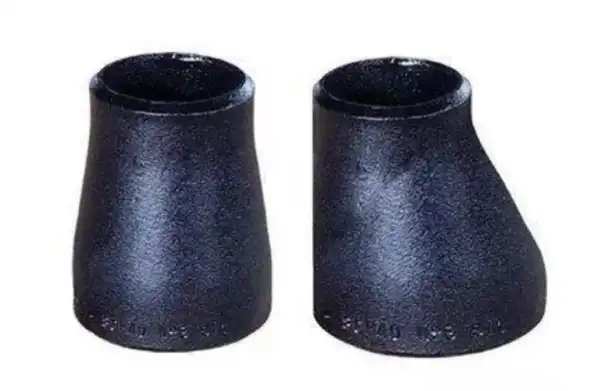
CS Concentric Reducers are transition fittings that are designed to connect pipes of different sizes without changing the way the flow works. Their conical shape gets thinner as you go from the bigger inlet to the smaller exit, but they keep the same center plane the whole way. Because they are symmetrical, they are basically different from eccentric reducers, whose centerlines are shifted, making the edges flat.
The Engineering Purpose Behind Concentric Design
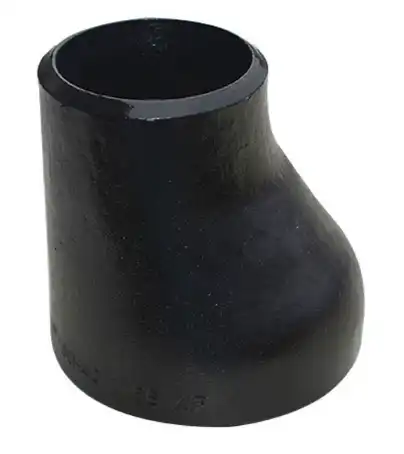
The symmetrical design addresses movement disruptions. Flow through pipes of differing sizes causes turbulence. This creates pressure dips that reduce system efficiency and accelerate pipe wall deterioration. CS Concentric Reducer steadily pulls fluid to maintain velocity profiles and prevent vortices. In steep pipeline sections, gravity directs flow, and an equal spread prevents air pockets.
Material Properties That Define Performance
For reducers, carbon steel is advantageous. The material has a high tensile strength of 400–550 MPa, depending on grade. It can withstand oil and gas pressures within. It may be shaped into smooth reducer bodies without sacrificing structural stability since it is flexible. Though less rust-resistant than stainless steel, protective coatings and cathodic protection systems may extend product life in severe environments.
Standards Compliance and Industry Adoption
CS Concentric Reducer sizes, restrictions, and testing are governed by international standards. Factory-made cast steel butt-welding parts like reducers are measured by ASME B16.9 for global usage. JIS B2313 serves Japan, whereas DIN 2616 serves Europe. International standards like ISO 3419 exist. Buying teams may securely pick parts that will operate with existing pipeline infrastructure, regardless of equipment manufacturer, by following these guidelines.
Oil firms utilize these reducers in high-temperature hydrocarbon breaking unit pipelines and chemical processing facilities to regulate corrosive fluid flow. They are used by natural gas distribution networks at pressure reduction stations, when supply lines switch to lower-capacity distribution mains. In water conservation projects, pumping stations and treatment facilities vary the flow speed to prevent cavitation and silt accumulation.
Advantages of CS Concentric Reducers Over Eccentric Reducers
Choosing between concentric and eccentric reducer designs has a big effect on how well the system works, how much upkeep it needs, and how much the whole job costs. Eccentric reducers are good for certain tasks, like on straight lines that tend to collect air, but CS concentric reducers have unique advantages that improve them in many situations.
Flow Characteristics and Pressure Management
CS concentric reducers provide smooth flow with axial alignment. Fluid particles pass across the width change without encountering eccentric design pressure variations. This balanced flow pattern reduces energy loss, making the pump cheaper over time. Based on flow rates and viscosity parameters, concentric transitions reduce vertical pressure loss by 15–30% compared to eccentric ones.
Eccentric reducers' preferred flow passage over inclined surfaces is stopped by the even arrangement. This cutting accelerates localized erosion, particularly when moving slurries or particle-filled fluids. Concentric reducers equally distribute shear stresses, extending replacement rounds.
Installation Simplicity and Cost Implications
Installation crews enjoy CS Concentric Reducer's easy placement. The symmetrical design eliminates eccentric fit orientation concerns. It's not necessary to examine the flat sides' alignment or worry about welding spin. This simplifies setup and reduces system-damaging errors. Labor costs fall with fitting installations. This method works well for large projects with hundreds of installations.
Manufacturing savings boost cost-effectiveness. Welding or smooth shaping CS concentric reducers from rolled plate is simpler with standardised methods and equipment. These savings result in a competitive price, which procurement experts enjoy when comparing solutions with the same specifications but different concentric and eccentric possibilities. Because manufacturers carry more high-volume goods, concentric kinds have shorter lead times.
Application Suitability and Performance Optimization
For vertical pipeline sections, CS concentric reducers work well. When the flow direction matches gravity, homogeneous contraction balances velocity profiles and prevents air trapping. This is crucial in liquid systems because vapor pockets may interrupt operations. Gas transmission pipes are concentric to prevent liquid condensation from blocking flow or causing corrosion.
CS concentric reducers are commonly fitted on pump discharge lines after the equipment departs. Balanced flow transitions reduce vibrations and noise compared to eccentric choices. These items improve working conditions in noise-controlled areas and lengthen pump bearing life.
Knowing these performance disparities allows engineering teams to identify components that improve system performance while reducing purchase and usage costs. The decision framework balances application demands with economic realities. This ensures that every component choice advances project objectives.
Technical Insights and Installation Guide for CS Concentric Reducers
Whether CS concentric reducers work as well as they're supposed to or become weak spots in pipeline systems depends on how they're installed. Following welding standards, making sure the materials are compatible, and using strategies to stop corrosion are what separate good installs from ones that go wrong and need to be fixed right away.
Welding Procedures and Joint Integrity
Industrial pipelines have CS concentric reducers connected mostly by butt welding. If done correctly, this approach creates full-penetration junctions as robust as the parent pipe. To prevent partial fusion or reinforcement building at the joint contact when materials have various thicknesses, welders must adjust heat input and movement speed. ASME Section IX and AWS D1.1 outline how to maintain quality throughout usage.
Edge beveling angles and root gap diameters must be considered during pre-weld preparation. Standard practice requires 37.5-degree bevels and 1/8-inch root holes, although wall width and welding procedure determine precise requirements. Proper joint fitup prevents misalignment, which may generate stress clusters or noise-causing interior surface imperfections. Many producers employ alignment clamps or fit-up equipment for tack welding and the final pass.
Flange Integration and Connection Compatibility
Flanged reducers are helpful for disassembling parts. These feature welding neck or integrated flanges on the reducer ends. This permits bolted connections for easy maintenance. When selecting a flange, consider the pressure class grades, facing type (raised face, flat face, or ring-type junction), and bolt pattern requirements of the pieces you wish to connect.
Flanged joints face dynamic loads like temperature and pressure changes. Proper gasket material selection is crucial. Use compressed fiber, spiral-wound, or ring-joint gaskets depending on operating circumstances. Installation torque sequences according to ASME PCC-1 provide uniform gasket compression and sealing integrity during working cycles.
Corrosion Protection Strategies
Carbon steel must be safeguarded in corrosion-prone areas because it readily oxidizes. Outside coatings of epoxy, polyurethane, or fusion-bonded epoxy protect surfaces against chemicals and air moisture. When selecting a coating, consider its temperature restrictions, wear resistance, and application technique compatibility with project activities. Moving acidic fluids may need interior linings. These may be cement mortar, epoxy coatings, or plastic liners, depending on chemical composition and temperature.
Underground or submerged pipe cathodic protection systems prevent electrochemical corrosion. Sacrificed anode arrays or impressed current installations keep steel surfaces at safe oxidation potentials. The system's effectiveness is tested regularly and adjusted when soil conditions or coating quality change.
These technical aspects demonstrate the need to plan an installation that considers materials, joining methods, and surroundings. Procurement experts must acquire high-quality items, engineering teams must provide comprehensive standards, and installation crews must apply proven procedures for projects to go well.
Procurement Strategies: How to Buy CS Concentric Reducers Effectively?
Strategically procuring CS Concentric Reducer requires balancing quality, cost, and supply chain efficiency. Industrial purchasers must make tough decisions concerning suppliers, requirements, and operations to receive project items without running over budget or missing deadlines.
Vendor Qualification and Certification Verification
Quality management certificates and particular manufacturing permits distinguish reputable manufacturers. ISO 9001 accreditation indicates a company's commitment to systematic quality control in planning, manufacturing, and delivery. Buyers should verify registrar databases for certification status and ensure that scope lines encompass pipe fittings.
For pressure vessels and boilers, specific equipment manufacturer approvals indicate dependability. These permits demonstrate that regulatory agencies have inspected manufacturing facilities, verified technical abilities, and approved safety-critical part quality processes. Requesting license documents when assessing suppliers ensures they have the proper skills and equipment.
Production potential affects source reliability. The business's annual production reveals how big it is and how effectively it can manage enormous orders on schedule. Long-standing pipe fitting manufacturing clusters in China have the capacity to handle large industrial projects and maintain quality throughout all production runs.
Specification Alignment and Technical Support
The dimensions must match pipeline design standards. Check size ranges, wall thickness plans, and end preparation details against project drawings. Companies having ANSI, JIS, DIN, and BS product catalogs make it simpler to satisfy the demands of international projects or systems with a mix of standards from purchasing tools in several areas.
Buying is more valuable with technical aid. Technical assistance from suppliers answers queries about requirements, suggests configurations using CS Concentric Reducer for various needs, and supports custom fabrication when conventional dimensions don't work. This collaborative strategy reduces purchase risk and speeds up project schedules by eliminating specification errors that would need reordering or field revisions.
Pricing Structures and Value Analysis
Material type, production method, and quantity affect cost. ASTM A234 WPB is standard carbon steel for moderate-temperature use. WP11 and WP22 are more expensive high-temperature alloys. Seamless reducers cost more than welded ones due to material loss and specialized shaping equipment. In critical instances, efficiency gains may justify the increased expenditures.
Volume pricing stimulate bulk purchases, but purchasers must compare the per-unit savings against storage costs and space constraints. Blanket purchase agreements with scheduled releases may save expenses while optimizing working capital and meeting warehouse capacity restrictions. Prices are consistent when you have long-term supplier agreements, making it simpler to keep to your budget for multi-year capital programs.
Logistics Coordination and Delivery Assurance
Global supply chain lead times vary, requiring careful coordination. Shipping items via sea from Asian manufacturers to North American project sites takes 4–6 weeks, including customs clearance and travel time. Air freight is best for urgent replacements or parts that must be delivered on time, but it increases handling expenses.
Export documentation rules are important when conducting business abroad. Commercial invoices, packing lists, certificates of origin, and mill test results help ships clear customs and fulfill project quality assurance criteria. Export-experienced suppliers may aid with documentation, reducing clearing delays and ensuring compliance.
Industrial buyers can simply traverse complex supplier marketplaces and discover CS concentric reducers that match technical criteria, arrive on time, and provide value across project lifecycles using these procurement tactics.
Comparison Highlights: Carbon Steel CS Concentric Reducers vs Alternatives
A reduction's effectiveness, durability, and cost depend on its material. CS Concentric Reducer is the most preferred material for concentric reducers in many industrial contexts, however alternative materials may be superior. Comparing attributes helps you enhance system performance within budget.
Mechanical Properties and Structural Performance
CS Concentric Reducer is flexible enough for shaping and bonding yet strong enough for most industrial pipe pressures. The yield strength is generally more than 240 MPa, which indicates it can bear ANSI Class 2500 pressure, depending on wall thickness and temperature. This strength-to-cost ratio explains why carbon steel is utilized in chemical processing, energy generation, and oil refining, where cost is crucial.
Austenitic stainless steels like 304L and 316L resist corrosion better than carbon steel, although they cost 300–400% more. This investment is worthwhile for projects with high temperatures, caustic chemicals, or rigorous hygiene regulations. However, protective coatings make carbon steel cheaper in harsh environments.
Alloy steel reducers containing chromium, molybdenum, or other hardening elements may function over 400°C for carbon steel. For steam and thermal oil circuits, ASTM A234 WP11 (1.25Cr-0.5Mo) can withstand 600°C. These unique materials bridge the performance gaps between carbon and stainless steels while being cost-effective for high-temperature applications.
Corrosion Resistance and Protective Measures
The biggest issue with CS concentric reducers is rusting in water and chemicals. Rust thins walls, making pressure control less efficient and introducing contaminants into product lines. Effective external protective layers prevent air rust, and correctly placed systems may last 15–20 years without maintenance.
Distinct media produce distinct internal corrosion. Hydrocarbons seldom degrade carbon steel; gasoline pipelines don't require coating. Manage pH and employ rust inhibitors to limit oxidation in water-based systems. Internal coatings may be utilized for powerful chemicals. If dielectric fittings aren't used to separate stainless steel and carbon steel pipes, galvanic rust may occur.
Economic Analysis and Lifecycle Costing
CS Concentric Reducer has lower initial purchase costs for equivalent specifications. Because material prices affect construction budgets, this advantage increases for large projects with many fittings. However, a comprehensive lifespan evaluation must include maintenance costs, replacement frequency, and corrosion-related downtime.
If failure risks and maintenance are kept low, carbon steel reducers with appropriate finishing processes may last decades and have total ownership costs equivalent to higher-quality materials. In cases when carbon steel corrosion requires frequent inspections, inhibitor treatments, or early replacement, stainless steel is worth the additional expense.
Material selection frameworks that include corrosivity, temperature, pressure, and pricing may assist projects in balancing these concerns. CS concentric reducers work well for big industrial pipelines. Use of other materials depends on their properties.
Conclusion
CS concentric reducers are very important parts of industrial pipeline systems because they make width changes that keep flow properties while meeting cost and performance needs. Their symmetrical shape reduces turbulence and pressure loss, which is especially helpful for vertical pipeline uses in the chemical, water treatment, power production, and oil and gas industries. Global consistency is ensured by manufacturing that follows international standards. In moderate-service conditions, carbon steel's strength-to-cost ratio provides value that other materials fail to match.
It's important to pay attention to the right way to weld, how to protect against rust, and how to buy things, with a focus on making sure the seller is qualified and the specs match. Knowing the differences in performance between concentric and eccentric designs, as well as the different materials that can be used, helps engineering and procurement teams make smart choices that improve system efficiency and project costs. When chosen and fitted according to best practices in the industry, these parts are smart investments in the long-term health of the infrastructure and the speed of operations.
FAQ
Which industries most commonly use carbon steel concentric reducers?
These fittings are used a lot in process piping systems that handle crude oil, intermediate fractions, and finished products in oil refinery activities. They are used in reactor feed lines, product transfer systems, and utility networks in chemical plants. They are put in at compressor stations and delivery points by companies that process natural gas. They are used in pumping stations and distribution mains at water treatment plants. They are used in cooling water systems, condensate return lines, and steam distribution networks at power plants. They are used in a wide range of fluid handling systems in the shipbuilding, boiler manufacturing, and general construction industries.
How do I determine the correct size and schedule for my application?
The size you need depends on the standard widths of the pipes that go into and out of your system. When choosing a schedule, which sets the thickness of the wall, the pressure and temperature rates must match the conditions of service. ASME B31.3 for process pipe or B31.4 for transporting liquid petroleum gives ways to figure things out that take into account fluid pressure, temperature, the amount of stress that the material can take, and the rate of corrosion. When project standards need to be confirmed, engineering experts or skilled suppliers can help with sizing verification.
What quality certifications should I expect from reliable suppliers?
Getting certified as an ISO 9001 quality management system shows that you use organized quality control methods throughout the way through the producing process. National regulatory bodies that award special equipment manufacturing licenses confirm that the company is able to make pressure-retaining parts. For important uses, quality control records on materials that link their chemical makeup and mechanical features to specific production temperatures are essential. Dimensional inspection records that make sure the part meets the requirements that were bought, along with full documentation packages that make sure the part will work.
Partner with Oudi for Premium CS Concentric Reducer Supply
Since 1998, Oudi has been making precision-engineered pipe fittings for over 300 industrial clients in 40 countries. Their CS Concentric Reducer meets the strictest requirements. Our 66,600-square-meter factory in Cangzhou has cutting-edge production tools and strict quality control systems that are approved to ISO 9001 standards and backed by special equipment manufacturing licenses. We make reducers out of carbon steel, stainless steel, alloy steel, and other metals that meet ASME, DIN, JIS, and BS standards. Our annual production capacity is up to 16,000 tons, so we can reliably deliver on any size job.
Our full expert support helps procurement managers choose the best reducer designs for a wide range of uses in the oil, chemical, natural gas, water conservation, construction, shipbuilding, and power generation industries. As a company with a lot of experience making CS Concentric Reducers, we have strict quality control measures in place, from checking the raw materials to doing nondestructive testing and final inspection. This makes sure that the parts we make fit perfectly into important pipeline infrastructure. Our ability to handle our own import and export makes international operations easier. We can offer reasonable prices and help with paperwork that North American buyers need.
Get in touch with oudi-04@oudiguandao.com right away to talk about your CS Concentric Reducer needs. Our engineering team is ready to help you with technical questions, unique production solutions, and quotes that are tailored to the details of your project. They will work with you to improve pipeline performance by delivering high-quality parts on time.
References
1. American Society of Mechanical Engineers. (2020). ASME B16.9: Factory-Made Wrought Buttwelding Fittings. New York: ASME Press.
2. Nayyar, M.L. (2019). Piping Handbook, 8th Edition. New York: McGraw-Hill Education.
3. Perry, R.H. & Green, D.W. (2018). Perry's Chemical Engineers' Handbook, 9th Edition. New York: McGraw-Hill Professional.
4. American Welding Society. (2020). AWS D1.1: Structural Welding Code - Steel. Miami: American Welding Society.
5. Smith, P.R. & Zappe, R.W. (2017). Valve Selection Handbook: Engineering Fundamentals for Selecting the Right Valve Design for Every Industrial Flow Application, 5th Edition. Oxford: Gulf Professional Publishing.
6. Ellenberger, J.P. (2016). Piping and Pipeline Calculations Manual: Construction, Design, Fabrication, and Examination, 2nd Edition. Oxford: Butterworth-Heinemann.

Need help finding the right solution with our experts. Please contact us.

SINCE 1998 Your Reliable Pipeline Manufacturer



