Why Material Test Certificates (MTC) Matter for ASTM A234 Tees?
When a piping project involves pressure, elevated temperature, or demanding operating conditions, selecting a tee is not simply a matter of confirming the nominal size and material grade. The purchaser also needs to know whether the material used to manufacture the fitting can be traced back to a documented heat and whether the reported properties are consistent with the applicable specification. This is where Material Test Certificates, commonly known as MTCs, become an important part of the purchasing and quality-control process for ASTM A234 tees. Scope: ASTM A234/A234M Specification covers wrought carbon steel and alloy steel fittings of seamless and welded construction for moderate and increased temperature service in pressure pipe and pressure vessel applications. The specification is utilised in conjunction with appropriate standards for fittings, including ASME B16.9 and other related standards as applicable to the kind of fitting and application. An MTC does not substitute for all of the inspection documents connected with a pipe fitting, nor does the MTC alone establish the permitted pressure of a whole piping system. Rather, it gives recorded material information so that the engineers, inspectors, buyers, and end users may relate the fitting delivered to the prescribed material grade and manufacturing heat. This traceability for ASTM A234 tees may make a big difference when materials need to be checked before they are installed or examined later on as part of a project quality dossier.
Understanding What an MTC Tells You About ASTM A234 Tees
Chemical Composition Provides the First Material Check
One of the most significant aspects of an MTC is the record of chemical composition. The certificate usually displays the elements and their measured percentage values according to the material grade. For carbon and alloy steel fittings, this may comprise carbon, manganese, phosphorus, sulphur, silicon, chromium, molybdenum, nickel, or other elements as suitable to the grade indicated.
This information enables the purchaser to check the provided heat analysis with the specifications of the material grade bought for ASTM A234 tees. That’s important since ASTM A234 is not a single material grade. The standard includes many classes of wrought carbon and alloy steel fittings. Always compare the certificate with the grade found on the purchase order and product paperwork, not the generic term of “ASTM A234.”
Chemical composition is also a key element of traceability. The heat number on the MTC may be correlated to the marking on the fitting or to the manufacturer’s manufacturing records. If these references match, the buyer has a much better position to verify that the material certificate pertains to the items delivered.
This is really beneficial when there are a lot of fittings in a project. Instead of considering each tee as an unknown part, the quality team may link groups of fittings to known material temperatures and inspection histories.
Mechanical Properties Add Evidence Beyond the Material Grade
Checking the material is more than just its chemical make-up. Depending on the appropriate specification and certification criteria, an MTC may additionally provide mechanical test data such as tensile strength, yield strength, elongation, and hardness.
The test findings provide proof that the material tested reached the requisite mechanical characteristics for the grade determined. This is very useful to buyers of ASTM A234 tees since the material designation alone does not give the entire story about a specific manufacturing heat.
However, the mechanical testing findings should be evaluated properly. They show the stated material criteria have been met, but are not a computation of the allowed pressure of the final pipe system in and of itself. The actual system design relies on such things as fit-up dimensions, wall thickness, design temperature, appropriate piping code, joining technique, and service circumstances.
This is a crucial point when you are looking at an MTC. A technically sound quality-control method does not merely check for a tensile-strength value and decide that the tee is adequate for all pressure applications. Instead, the data obtained are evaluated with the suitable material specification and then analysed along with the technical needs of the project.
Heat Treatment Records Strengthen Material Traceability
The heat treatment may be directly related to the final metallurgical state and mechanical qualities of a fitting. ASTM A234 specifies standards for treatment and cooling of fittings made at high temperature, and the relevant requirements are dependent on material grade and manufacturing route.
For this reason, the heat treatment information may be a crucial element of the ASTM A234 tees documentation package. The paperwork may specify the corresponding heat-treatment status or offer related production information according to the certificate and project requirements.
There is no use in examining this material only to add to another pile of paper. It is to verify that the material provided has been processed according to the necessary specifications and that the paperwork is still linked to the appropriate heat or manufacturing batch.
In projects where the documentation requirements are quite rigorous, the combination of the material grade, heat number, mechanical findings, chemical analysis, and heat-treatment data makes for a significantly more valuable quality record than a simple statement that the product “meets ASTM A234.”
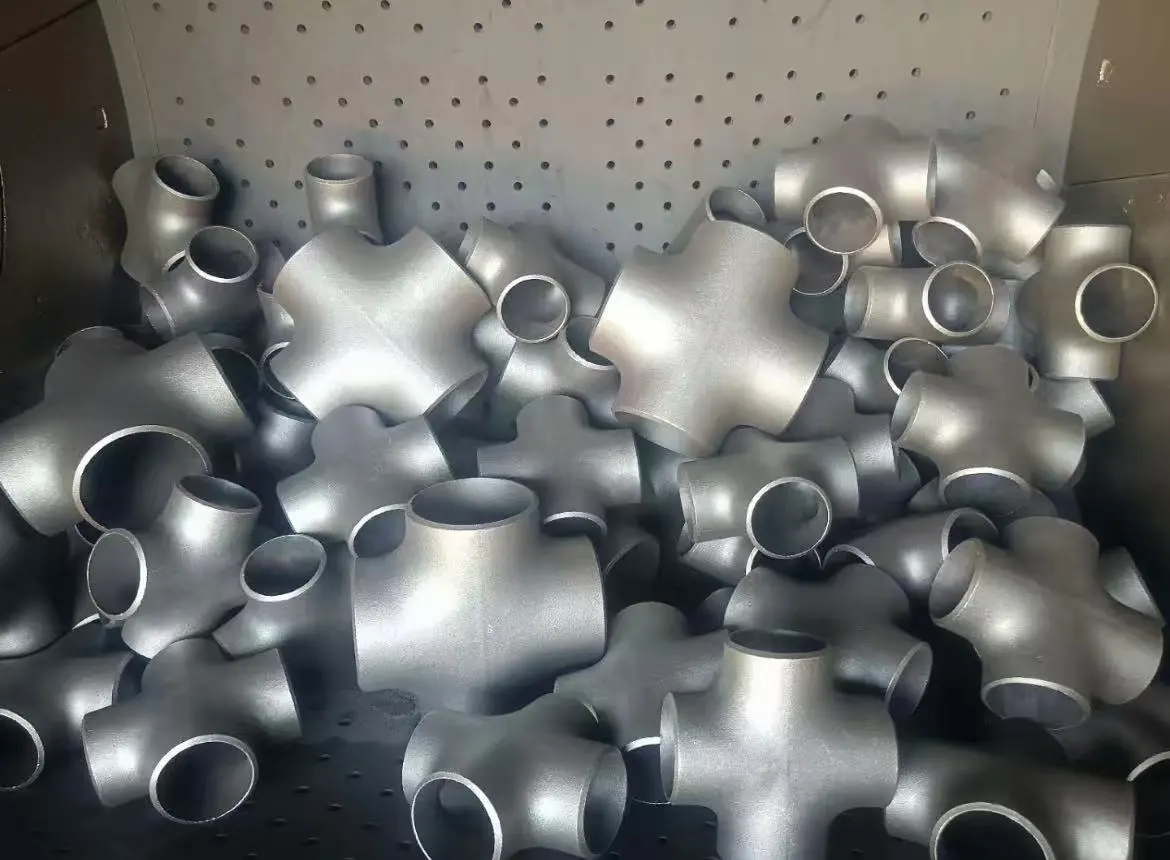
Why MTC Verification Matters Before ASTM A234 Tees Enter a Pressure System?
MTC Data Supports Material Compliance Rather Than Replacing Design Calculations
It is sometimes misunderstood that an MTC alone may be utilised to calculate the pressure rating of a tee. In actuality, the certificate serves as material documentation, but the permissible pressure of a pipe component relies on the whole technical environment.
The purchaser should consequently consider the MTC as part of a wider verification procedure for ASTM A234 tees. The material grade and the mechanical qualities may be verified with the appropriate specification, and the fitting dimensions, wall thickness, pressure-temperature requirements and pipe design circumstances should be assessed based on the relevant engineering standards and project specifications.
This difference is especially critical for industrial plumbing, since a fitting may have satisfactory material test results but may not be appropriate for a specific installation if its size, thickness, connection requirements, or design circumstances are not compatible with the system.
ASME B16.9 covers wrought buttwelding fittings, factory-made, and includes dimensions, tolerances, ratings, testing, and markings. So the material certificate and the dimensions paperwork are for separate but related reasons.
Temperature Requirements Need More Than a Single MTC Value
ASTM A234 provides fittings for pressure pipe and pressure vessel construction for usage at moderate and high temperatures. But it does not imply that an MTC alone can verify the full temperature capability of an established pipe system.
When acquiring ASTM A234 tees, the engineers must evaluate the material grade against the design temperature and the relevant code or project standard. MTC records chemical composition and mechanical test results to show that the supplied material is of the specified grade. Engineering calculations and applicable standards are used to determine whether the grade and fitting configuration are appropriate for the intended service.
This method is more dependable than using the MTC as a generic performance document. It also helps avoid a typical paperwork error where material compliance and appropriateness for application are different questions.
Dimensional Inspection Should Be Checked Separately
The dimensions of a tee are very important for installation since the fitting must properly connect with the surrounding pipe and preserve the essential geometry of the piping system. However, MTC should not be seen as evidence of dimensional conformance.
In the assessment of ASTM A234 tees, a purchaser should generally evaluate the material certificate as well as dimensional inspection records, product marks, drawings, and the fitting standard that applies. Where applicable, the criteria for factory-made wrought buttwelding fitting dimensions and tolerances are covered by ASME B16.9.
This separation of papers makes the quality process more transparent. The MTC answers questions concerning the material and the recorded test findings. Dimensional inspection determines whether the physical fitting is to the necessary dimensions and tolerances.
For a project with tight inspection requirements, any kind of documentation might be significant. A tee with the proper chemistry is not always a dimensionally compliant tee, and a properly dimensioned fitting is not necessarily evidence of the needed chemistry of the material.
How MTCs Improve Traceability for ASTM A234 Tees?
Heat Numbers Connect the Fitting to Its Material Source
One of the most practical reasons for requesting an MTC is heat-number tracking. The heat number indicates a particular manufacturing heat of steel and offers a reference by which material data may be related to the provided product.
If the heat number on an ASTM A234 tee matches the associated MTC and other quality documents, the purchaser may establish a distinct connection between the physical fitting and its material documentation. This is particularly useful when fittings are supplied in big numbers or when many material grades and sizes are part of the same project.
Traceability also becomes vital during subsequent inspections. If there is a query regarding a specific batch, the project team may trace back the product marking and heat number to find the certificate in issue, rather than relying on broad comments from suppliers.
Batch Documentation Helps During Receiving Inspection
Receiving inspection is frequently the first chance a customer has to check delivered fittings with the paperwork supplied by the supplier. The buyer may now verify the product description, material grade, size, heat number, quantity, and other identifying information against the purchase order and MTC.
This helps catch any paperwork issues before the fittings are fitted for ASTM A234 tees. If the heat number stamped on the fitting does not match the certificate, the problem may be examined while the material is still under receiving control.
This is one reason why experienced industrial buyers prefer to approach paperwork as part of the product, rather than as an administrative afterthought. Physically proper fitting with insufficient or inconsistent traceability might entail extra labour later when project records must be presented for inspection or final approval.
Third-Party Inspection Can Add Another Layer of Confidence
Certain projects need third-party inspection, witnessing, testing, or further certification beyond the basic paperwork provided by the manufacturer. The need for such verification relies on the purchase specification, industry, project owner, and relevant rules.
Third-party engagement for ASTM A234 tees may include study of material certifications, inspection of marks, verification of dimensions, witnessing of prescribed tests, or investigation of manufacturing and quality records. These activities are to be distinguished from those of the MTC itself. An MTC is a material and test record, and third-party inspection is an independent verification activity.
When the project has strict quality-assurance standards, maintaining these papers correctly interconnected might improve a more complete overall inspection package. It also offers the purchaser a better record of what was tested, what was examined, and which criteria were implemented.
What Buyers Should Check Before Ordering ASTM A234 Tees?
Compare the Certificate With the Purchase Specification
The first thing to do is check to see whether the MTC matches the actual order. The material grade, fitting type and size, manufacturing specifications, and relevant standards must match between the purchase order, product paperwork, and certificate.
ASTM A234 tee purchasers should be very specific about the individual grade rather than the general ASTM A234 classification. A234 covers both carbon steel and alloy steel fittings. The certificate shall explicitly state the grade of material needed for the application.
Confirm That Product Marking and Heat Number Match
The physical tee and certificate must be linked with identifying information. This may contain heat number, grade, dimension, schedule or wall thickness, manufacturer's marking and other identifying information according to the supplier's documentation system and project needs.
If the MTC shows one heat number and the physical fitting has another, the difference should be rectified before the material is allowed for installation. This basic check may avoid major traceability difficulties later on in the project.
Review the Certificate as Part of a Larger Quality Package
An MTC is not the only document required for each order. Depending on the project, purchasers may additionally need records of dimensional inspection, hydrostatic test paperwork, non-destructive examination records, heat-treatment records, certificates of conformity, inspection reports, or third-party evidence.
ASTM A234 itself includes testing criteria, including tension, hardness, and hydrostatic testing; however, additional requirements may apply based on the order and relevant standards.
Therefore, the precise documentation bundle should be agreed upon before manufacture or distribution. This makes the buying process more efficient since the supplier is aware of the documents needed and the buyer may check the material immediately after delivery.
Conclusion
Material Test Certificates are an important part of quality documentation for ASTM A234 tees because they provide traceable information about the material used to manufacture the fittings. Chemical composition, mechanical test results, heat numbers, and relevant manufacturing or heat-treatment information can help purchasers and engineers verify that the supplied material corresponds to the specified grade and documented production heat.
At the same time, an MTC should be used for what it is designed to provide rather than treated as a complete substitute for engineering verification. Material compliance, dimensional conformity, pressure design, temperature suitability, and project-specific inspection requirements involve different forms of evidence. ASTM A234 provides the material and fitting requirements within its scope, while standards such as ASME B16.9 address applicable fitting dimensions, tolerances, ratings, testing, and markings.
For buyers sourcing ASTM A234 tees, the most useful approach is therefore to connect the MTC with the physical product, verify the heat number and material grade, review the reported chemical and mechanical properties, and compare the documentation with the purchase specification and applicable fitting standards. When these records are consistent, the MTC becomes more than a routine certificate. It becomes a practical part of the traceability system that helps industrial projects maintain better control over the materials entering their piping systems.
For more information about our high-quality ASTM A234 tees and comprehensive Material Test Certificates, please contact us at oudi-04@oudiguandao.com. Since 1998, Cangzhou Oudi Pipe Manufacture Co., Ltd. has been a leading manufacturer of carbon steel pipe fittings, valves, and flanges in China. Our commitment to quality and customer satisfaction has made us a trusted partner for industries worldwide.
FAQ
1. What is a Material Test Certificate (MTC)?
An MTC is a document that provides detailed information about the chemical composition, mechanical properties, and manufacturing process of a material or product, such as ASTM A234 tees.
2. Why are MTCs important for ASTM A234 tees?
MTCs ensure that ASTM A234 tees meet the required standards for chemical composition, mechanical properties, and manufacturing processes, guaranteeing their quality, safety, and reliability in various applications.
3. What information is typically included in an MTC for ASTM A234 tees?
An MTC for ASTM A234 tees usually includes chemical composition, mechanical properties, heat treatment details, manufacturing process information, and batch or heat numbers for traceability.
4. How do MTCs contribute to pressure system compliance?
MTCs help validate pressure ratings, confirm temperature resistance, and verify dimensional accuracy of ASTM A234 tees, ensuring their suitability and safety in pressure systems.
References
1. ASTM International. (2019). "ASTM A234/A234M-19 Standard Specification for Piping Fittings of Wrought Carbon Steel and Alloy Steel for Moderate and High Temperature Service."
2. American Society of Mechanical Engineers. (2021). "ASME B16.9-2018 Factory-Made Wrought Buttwelding Fittings."
3. Smith, J. R., & Johnson, T. K. (2018). "The Importance of Material Test Certificates in Industrial Piping Systems." Journal of Pressure Vessel Technology, 140(3), 031301.
4. Williams, E. L. (2020). "Quality Assurance and Traceability in Pipe Fitting Manufacturing: A Comprehensive Guide." Industrial Press, New York.
5. Thompson, R. D., & Brown, S. A. (2019). "Material Properties and Performance of ASTM A234 Fittings in High-Temperature Applications." Materials Performance, 58(6), 32-37.
6. International Organization for Standardization. (2015). "ISO 10474:2013 Steel and steel products — Inspection documents."

Need help finding the right solution with our experts. Please contact us.

SINCE 1998 Your Reliable Pipeline Manufacturer



