2026 Best Carbon Steel Reducer Types and Their Applications?
Choosing the right Pipe Reducer Carbon Steel for commercial uses is still very important for keeping the system running smoothly and efficiently. Reducers made of carbon steel are basic butt-weld pipe fittings that join lines of different sizes while keeping the flow and pressure in check. These parts, which are made to ASTM A234 WPB standards, solve important problems in hydraulic stability and equipment safety across many industry sectors. There are two main types: concentric and eccentric. Each is designed to meet unique operational needs in the oil, chemical, natural gas, and water conservation businesses.
Understanding Carbon Steel Pipe Reducers: Types, Specifications, and Applications
Carbon steel pipe reducers are important parts of modern plumbing systems because they make it easy to switch between pipes of different sizes while keeping the structure strong and the flow efficient. When connecting lines of different sizes in complicated industrial setups, these special fittings solve some of the most basic engineering problems.
Concentric Carbon Steel Reducers: Design and Performance
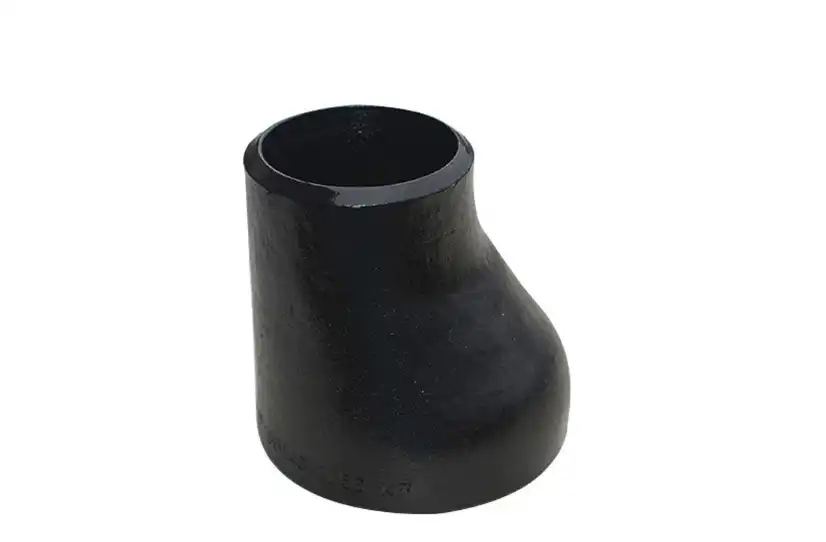
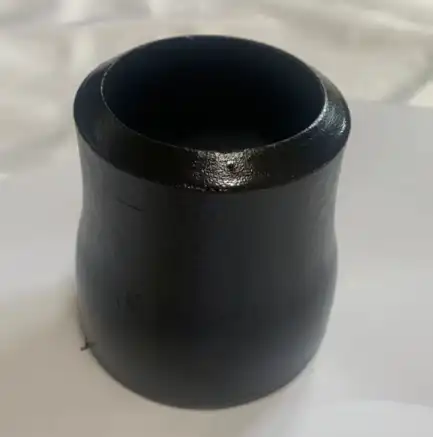
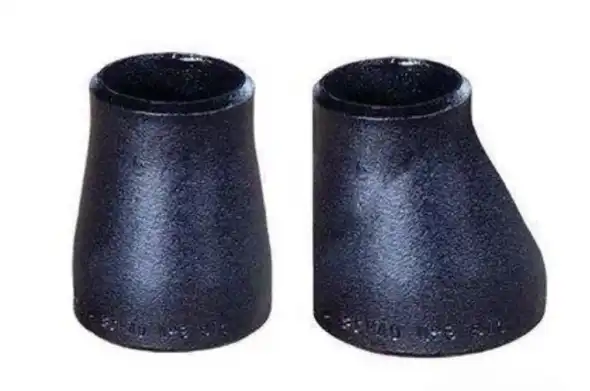
Concentric reducers are symmetrical cone-shaped devices with a width that decreases evenly around the circumference. The bigger and smaller pipe ends share a common centerline. This way of thinking about architecture makes sure that the flow works best in vertical situations where keeping the structure balanced is very important. Precision forging methods are used in the production process to make changes that are smooth and reduce turbulence and pressure losses. In oil plants, these reducers work in vertical pump discharge lines to handle pressures above 1500 PSI while keeping linear flow patterns that are important for equipment life.
Eccentric Carbon Steel Reducers: Specialized Applications
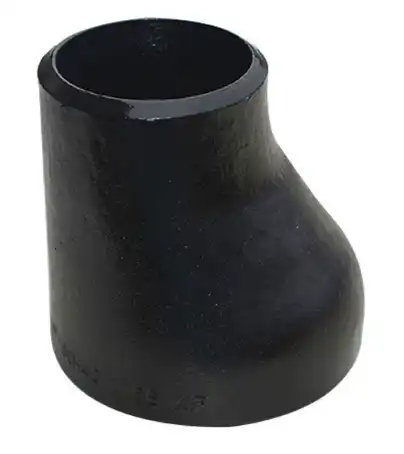
Eccentric reducers make one side flat so that air pockets don't build up. This is why they are essential for horizontal pipe systems where cavitation is a big problem. The offset design keeps one edge flat while the other side makes the circle shift. This gets rid of any trapped air that could hurt equipment further downstream. These reducers are especially useful in pump flow lines, where stopping cavitation has a direct effect on the performance of the impeller and the cost of running the pump. The uneven layout makes it easier for fluid to drain completely in horizontal setups, keeping fluid from pooling, which could cause rust or contamination problems.
Industry Applications Across Multiple Sectors
There are many uses for Pipe Reducer Carbon Steel parts in a wide range of industry settings. In petroleum plants, these parts deal with aggressive media while keeping the structure strong and chemically compatible even in harsh conditions. They are used in power plants' steam distribution systems, which need strong technical solutions because of changes in temperature and pressure. These reducers are important for water treatment plants because they control the flow of both drinkable water and garbage. Carbon steel is a great material because it is strong for the price and doesn't rust in most water-based environments as long as it is properly covered with the right coats.
Comparing Carbon Steel Pipe Reducers with Alternative Materials and Designs
In industrial piping uses, the choice of material has a big effect on the long-term efficiency and total cost of ownership. When compared to stainless steel and alloy steel options, carbon steel reducers have clear pros and cons that need to be carefully considered based on the specific needs of the operation.
Carbon Steel versus Stainless Steel Performance
Carbon steel reducers are very strong and don't cost a lot of money, so they are perfect for situations where reasonable corrosion protection is needed. Tensile strength is usually between 400 and 500 MPa, which is strong enough for most normal pressure uses in oil and gas facilities. Alternatives made of stainless steel are better at resisting rust, but they cost a lot more. Choosing between these materials is usually based on the chemicals in the medium being carried and how long the material is expected to last. In places where corrosion isn't likely to happen, carbon steel is the most cost-effective option while still providing solid performance.
Design Considerations: Concentric versus Eccentric Selection
To choose between circular and eccentric designs, you need to know how they are installed and how the flow works. Concentric reducers work great in vertical situations where keeping the centerline orientation of the pipes makes support structures easier to build and lowers the stress from shaking. In horizontal setups, where getting rid of air and ensuring full drainage are very important, eccentric reducers become necessary. The flat-side design keeps gas from building up and makes sure that fluids are removed quickly and easily during upkeep. This choice in design has a direct effect on how reliable the system is and how much it costs to maintain over the life of the equipment.
Cost-Benefit Analysis for Industrial Applications
When choosing a reducer, economic factors are very important, especially for big business projects. Usually, carbon steel reducers are 30–50% less expensive than stainless steel ones, but they still work well enough for many uses. Because the initial investment is cheaper, the budget can be used to pay for other important parts of the system or better coats that protect them. Total ownership costs are also affected by how often things need to be replaced and how much they cost to maintain. When used in the right conditions, carbon steel reducers that are properly defined and have the right surface processes can last as long as more expensive options.
Manufacturing and Quality Standards of Carbon Steel Pipe Reducers
To make high-quality carbon steel reducers, skilled metalworkers use complex chemical methods and strict quality control checks to make sure they always work well in tough industrial settings. When buying, workers who understand these processes, and they can make better decisions about which suppliers to choose.
Advanced Manufacturing Techniques
Modern methods for making Pipe Reducer Carbon Steel use hot forming methods that improve the structure of the grains and the steel's mechanical properties. The process of making something starts with carefully choosing raw materials that have the right chemical makeup, such as controlled carbon content and trace element needs. Using hot forging methods makes changes that look smooth and keeps the material's integrity throughout the reducer geometry. Normalization and stress relieving are two types of heat treatment that improve mechanical qualities and get rid of any leftover stresses that might hurt long-term performance. These managed thermal processes make sure that the hardness is spread out evenly and that the dimensions stay the same.
International Standards Compliance
Following several worldwide standards for material qualities, tolerances for measurements, and testing requirements is an important part of making good products. ASME B16.9 sets guidelines for dimensions and error ranges, while ASTM A234 specifies the chemical makeup and mechanical properties that must be met. API standards include more rules for oil and gas uses, such as stricter testing procedures and more paperwork that needs to be kept. Following these rules makes sure that the new pipes will work with the old ones and that they will be accepted by regulators around the world.
Quality Assurance and Testing Protocols
Comprehensive testing procedures make sure that the reducer works well and is reliable before it is sent to users. Ultrasonic examination and radiography inspection are two examples of non-destructive testing methods that can find problems inside a structure that could weaken its stability. Under controlled settings, hydrostatic testing makes sure that the pressure can be contained. For these tests, pressures that are higher than standard working conditions are usually used to set safety margins and make sure that the design estimates are correct. Recording test results helps with quality control and finding problems in serious situations.
Procurement Considerations: Price, Suppliers, and Customization Options
To buy carbon steel reducers strategically, you need to know about a lot of things that affect prices, provider skills, and the ability to make changes. When making good buying choices, you need to balance cost with quality needs and delivery dates.
Price Factors and Market Dynamics
The price of reducers is affected by the cost of raw materials, and steel prices change based on supply and demand around the world. Manufacturing complexity also affects costs; for example, making things in non-standard sizes or with non-standard specs takes more time and tools. Through economies of scale, the order number makes it possible to lower costs. Suppliers often give savings for buying in bulk, especially when the order calls for specialized production runs. Lead times depend on whether the specs are standard or special, and standard sizes are usually in stock.
Supplier Evaluation and Selection Criteria
Reliable providers show steady quality by having quality control systems in place and getting the right certifications. ISO 9001 certification shows that quality control methods are organized, and industry-specific certifications show that a company has unique skills. How well a seller can meet project needs on time depends on their production capacity and technical know-how. Advanced production tools and checking tools make sure that the quality and dimensions of every product are always the same. Shipping prices and arrival times can be affected by where the parts are located, especially if they are big or heavy.
Customization and Engineering Support
Custom reducer specs can meet the specific needs of a project that standard goods can't. Engineering support services help choose the best reducers and make sure they work well with current pipe systems. Manufacturers of Pipe Reducer Carbon Steel often offer technical guidance services that help with choosing materials, figuring out sizes, and giving advice on how to install them. This technical support is helpful for complicated applications that need custom solutions to improve efficiency.
Practical Tips for Using Carbon Steel Pipe Reducers in Industrial Projects
To use carbon steel reducers effectively, you need to pay attention to best practices for fitting, upkeep, and keeping an eye on performance. These realistic factors make sure that the system works well and lasts as long as possible.
Installation Best Practices
Handling and storing things carefully is the first step to a good installation. This will keep protected coats and finished surfaces from getting damaged. To keep them from deforming, reducers should be kept in clean, dry places with the right kind of support. Pipe Reducer Carbon Steel, you have to follow certain steps that keep the material's qualities and make sure the joint stays strong. The amount of preheating needed depends on the thickness of the material and the temperature of the area. For important uses, post-weld heat treatment may be needed. When things are properly fitted and aligned, stress concentrations that could cause them to fail early are avoided.
Maintenance and Monitoring Strategies
Regular inspection programs find problems before they become serious and damage the stability of the system. Visual checks find problems like surface rust or coating wear that need to be fixed. Ultrasonic measures of thickness keep an eye on how much the wall's thickness is changing because of erosion or rust. Protective covering methods make things last longer in places where they are corroded. The best bonding and performance are achieved by properly preparing the surface and applying the coating according to the manufacturer's instructions. Coating systems don't corrode substrates and last longer when they are maintained regularly.
Performance Optimization Techniques
Optimizing the flow rate stops corrosion damage and keeps the system working well. Too fast speeds can cause turbulence and wear, while too slow speeds might let objects settle. Understanding the traits and flow features of a fluid helps choose the right size and type of reducer. Material choice and system design are affected by temperature. Thermal expansion accommodations stop stress builds up that could hurt reducers or pipes nearby. Support and restraint systems that work correctly keep the structure of the system and control temperature movements.
Conclusion
When choosing a Pipe Reducer Carbon Steel, it's important to think about the needs of the application, the qualities of the material, and the cost. Concentric and eccentric designs are both useful for different things in industrial pipe systems. Choosing the right one has a big effect on how well and reliably the system works. Understanding manufacturing standards, quality requirements, and the best ways to put things together will help the project go smoothly. For industrial uses, the best value comes from strategic buying methods that balance cost and quality concerns while utilizing suppliers' skills. As businesses continue to move toward more efficiency and dependability, carbon steel reducers are still important parts that make pipe systems work safely and effectively in many fields.
FAQ
What are the main differences between concentric and eccentric carbon steel reducers?
Concentric reducers keep the axis of both ends of the pipe the same. This makes them perfect for vertical uses where structural balance is important. Offsetting one end of an eccentric reducer keeps air from getting trapped and makes sure that all the water drains away from straight installations.
How do I verify the quality and certifications of carbon steel reducer suppliers?
Check that the quality management system has been certified by ISO 9001 and that it meets standards such as ASTM A234 and ASME B16.9. Ask for proof of the testing methods, certificates for the materials, and licensing to make the product. Check the supplier's history by calling sources and looking at their name in the industry.
Can carbon steel reducers be customized for non-standard specifications?
Yes, reputable manufacturers can produce custom reducers for specific dimensional requirements, pressure ratings, or material grades. Custom solutions typically require longer wait times and lower minimum order numbers, but they work best for certain uses.
Partner with Oudi for Premium Pipe Reducer Carbon Steel Solutions
Oudi stands as your trusted Pipe Reducer Carbon Steel maker that has been sending high-quality pipe fittings to industry markets around the world for more than twenty years. Our factory is ISO 9001:2000 approved and makes 16,000 tons of ASTM, ASME, and API-compliant reducers every year. These meet the strict needs of the oil, chemical, natural gas, and water conservation industries. We make sure that every reducer we sell meets international standards by using cutting-edge production tools and thorough quality control systems. We also offer cost-effective solutions for your pipe projects. Our skilled engineering team can help with technical issues for both custom orders and large quantities. They can also send your products safely to over 40 countries around the world. Email us at oudi-04@oudiguandao.com to talk about your unique needs and find out how our proven experience can help your next business project run more smoothly.
References
1. American Society of Mechanical Engineers. "ASME B16.9-2018: Factory-Made Wrought Buttwelding Fittings." 2018; New York: ASME Press.
2. The International ASTM. "ASTM A234/A234M-19: Standard Specification for Piping Fittings of Wrought Carbon Steel and Alloy Steel for Moderate and High Temperature Service." 2019; West Conshohocken, PA: ASTM International.
3. L. Nayyar and Mohinder. For 2019: "Piping Handbook, 8th Edition." New York: McGraw-Hill Education.
4. American Institute of Petroleum. "API 5L-2018: Specification for Line Pipe, 46th Edition." Washington, DC: API Publishing Services, 2018.
5. And Escoe, A. Keith. "Piping and Pipeline Assessment Guide." Available from Elsevier Gulf Professional Publishing in Burlington in 2020.
6. The ISO is the International Organization for Standardization. Geneva: ISO Publications, 2017. "ISO 15649-2017: Petroleum and Natural Gas Industries - Piping."

Need help finding the right solution with our experts. Please contact us.
SINCE 1998 Your Reliable Pipeline Manufacturer