ASME B16.9 Pipe Cap Factory with OEM & Custom Solutions
When sourcing industrial piping components, finding a reliable ASME B16.9 Pipe Cap manufacturer becomes critical to maintaining system integrity and meeting stringent pressure requirements. ASME B16.9 pipe caps serve as essential termination fittings in piping systems across oil refineries, chemical processing plants, and power generation facilities. These standardized butt-weld end caps conform to precise dimensional tolerances and material specifications, ensuring seamless integration into existing pipeline infrastructures. Our factory specializes in producing carbon steel, stainless steel, and alloy steel pipe caps ranging from NPS 1/2 to NPS 48, with full compliance to ANSI, JIS, DIN, and BS standards. With over 25 years of manufacturing expertise and an annual production capacity exceeding 16,000 tons, we address the core challenges procurement managers face: consistent quality, certification transparency, and supply chain reliability for critical industrial applications.
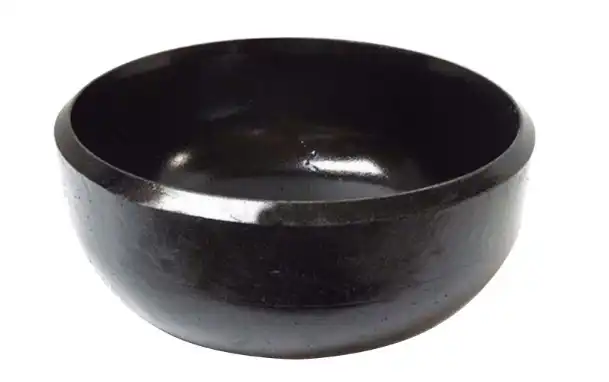
Understanding ASME B16.9 Pipe Caps — Specifications & Standards
Factory-made wrought buttwelding fittings are described in ASME B16.9. ASME B16.9 Pipe Caps are the part that seals off the end of a pipe run. When you buttweld pipe caps instead of threaded or socket-weld ones, full-penetration circumferential welds make lasting, leak-proof covers. The standard requires exact measurements, such as lengths from center to end, wall thickness that matches pipe plans, and bevel angle preparation that is usually set at 37.5° ± 2.5°. This geometric accuracy gets rid of problems with field fit-up during the installation phase.
Material Grades and Pressure Ratings
Carbon steel ASTM A234 WPB is still the most common grade for general service uses. It has a minimum tensile strength of 60,000 psi and can be welded easily without needing to be heated first. The controlled carbon content (up to 0.30% maximum) and adjusted manganese levels make it possible to use normal welding methods at temperatures from -29°C to 400°C. Stainless steel grades like ASTM A403 WP304/316 are better at resisting oxidation and chemical attack in corrosive environments. This means they last longer in marine and petrochemical settings. Different types of alloy steel, like ASTM A234 WP11 and WP22, offer better resistance to creep in high-temperature applications above 450°C, which are popular in thermal power plants and boiler feedwater systems. Schedules 40, 80, and 160 can handle working pressures ranging from 150 psi to 2500 psi, based on the pipe size and service temperature. Pressure ratings are closely related to wall thickness schedules.
Manufacturing Processes: Seamless vs. Welded Construction
Seamless pipe caps are made by hot pressing or cold forming, which keeps the grain structure aligned. This gives the caps isotropic mechanical properties and better fatigue resistance. This way of making things gets rid of the weak spots that can happen in longitudinal seams that are welded together. This makes seamless caps better for applications with changing pressure and important service lines. Welded pipe caps, which are made from rolled plate material and have horizontal seams, are cheaper for bigger diameter uses above NPS 24 and are still strong enough after being heated after welding. Both methods are used at our facility, depending on the size needs and end-use requirements. Our seamless forming equipment can work with sizes up to NPS 24, and for special uses, our plate rolling and welding equipment can handle sizes up to NPS 48.
Quality Assurance and Testing Protocols
Before they are sent out, every batch of pipe caps goes through a series of thorough inspections. Positive Material Identification (PMI) with XRF analysis verifies the makeup of the alloy at the raw material stage. This keeps expensive mix-ups from happening in production settings that use more than one grade. Ultrasonic gauging is used to measure out-of-roundness (not more than 1% of nominal diameter) and wall thickness consistency as part of dimensional proof. Magnetic particle screening is used to find cracks on the surface, and ultrasound testing is used to find breaks inside the material. For important uses, hydrostatic proof testing confirms pressure integrity at 1.5 times the design pressure. Our quality management system has both the ISO 9001:2015 certification and the People's Republic of China Special Equipment Manufacturing License. This shows that it follows both international and regional rules.
Comparing ASME B16.9 Pipe Caps with Alternative Options
When making a purchase decision, it helps to know how different ASME B16.9 Pipe Caps and designs work in different service conditions. ASME B16.9 buttweld caps and ASME B16.28 short radius caps are basically different in how they are sized and what they can be used for. The small size of B16.28 caps makes them good for installing in small spaces, but they may cause more turbulence and pressure drops where the flow ends. The standard B16.9 configuration makes flow transition profiles smoother, which lowers the chance of erosion in high-speed situations.
Durability and Installation Considerations
Buttweld pipe caps have stronger joints than threaded ones, and when they are properly welded, the tensile strength is equal to or higher than the material of the parent pipe. A big benefit of the full-penetration weld over socket weld designs in chemical processing environments is that it doesn't leave cracks where corrosive media could gather. Installation needs qualified welding methods and certified welders, which raises the cost of labour compared to mechanical connections. However, because the joint is permanent, it doesn't need to be maintained as often as flanged or threaded closures do. Our bevel end preparation meets AWS standards, which means that less field grinding is needed, and installation plans can be sped up for EPC workers who are working on tight project deadlines.
Material Selection for Harsh Environments
When cost is the main factor, carbon steel pipe caps are the best choice for dry gas service and non-corrosive liquid uses. Carbon steel is usually used for water conservation projects and structural pipe systems because it costs about 40% less than stainless steel of the same quality. But corrosion adjustments need to be added to wall thickness estimates so that the expected service life can be met. Stainless steel 316L caps are worth the extra cost in marine areas, pharmaceutical processes, and food-grade settings where a non-stick surface is needed to avoid contamination. The molybdenum in 316L makes it more resistant to pitting corrosion caused by chloride. This means that marine factories and offshore sites can go longer between service times. When used at temperatures above 540°C, chromium-molybdenum alloy steels like A234 WP11 keep their mechanical properties and resistance to creep that carbon and stainless steels can't match. This keeps superheated steam systems from breaking down in terrible ways.
These specific benefits have a direct effect on how much it costs to own something. Even though stainless steel parts cost more at first, they often have better lifecycle economics in corrosive service settings because they need less upkeep and last longer between replacements.
OEM & Custom Solutions: Tailoring ASME B16.9 Pipe Caps to Your Needs
Global purchasing strategies need suppliers to be more flexible than just following the catalog's rules. With our OEM capabilities, we can take standard ASME B16.9 Pipe Cap dimensions and turn them into custom solutions that meet the needs of each project. Changes to the dimensions can be made to fit non-standard pipe schedules or special equipment connections, making sure that the parts will work together without having to be changed in the field. Changes in wall thickness allow for more corrosion protection, which extends service life in harsh chemical environments and avoids the need for costly replacements too soon.
Customization Options and Procurement Efficiency
A standard mill finish is one type of surface finish treatment. Other types include hot-dip galvanising, epoxy lining, and 3LPE external coatings for buried service applications. Using low-stress pressing or laser engraving, custom marking and tracking systems include heat numbers, material grades, pressure ratings, and unique identifiers for each client. Container optimisation affects how the caps are packed. For example, heavy-wall large-diameter caps are packed in wooden crates, while high-volume small-diameter orders are packed together in bundles. These customisation choices help operations run more smoothly by cutting down on planning work and installation delays.
Standard catalogue items usually have lead times of 15 to 35 working days from the time the order is confirmed. Custom requirements, on the other hand, take 25 to 35 days, based on how complicated they are and how many are needed. For normal grades, the minimum order quantity starts at 100 pieces. For special alloy compositions, smaller amounts are possible at different prices. Our 66,600-square-meter building keeps stockpiles of materials that are used a lot. This lets us respond quickly to pressing purchase requests that make normal supply chain lead times difficult.
Export Compliance and Documentation
To make it easier to clear customs and follow import rules in different markets, international packages need to have a lot of paperwork. Our export department gives full material test reports (MTR) that have been approved by third-party inspection companies like SGS, BV, and Lloyd's Register. Each package comes with commercial bills, packing lists, certificates of origin, and fumigation certificates, as well as other paperwork that is specific to the needs of the country where the goods are going. We keep control of our own import and export authority, which speeds up communication and cuts down on the delays that come with using middlemen in trade. We know the compliance standards for markets in Europe, North and South America, Africa, Southeast Asia, and the Middle East, which makes it easier for our clients to handle their own paperwork.
How to Choose the Right ASME B16.9 Pipe Cap Supplier
The supplier you choose has a direct effect on how well the project turns out, when it gets delivered, and how much it costs to run in the long run. Verification of certification is the basis for evaluating a seller. Certification in the ISO 9001 quality management system shows that the process is controlled in an organised way, and licenses to make special tools show that the company is following the rules for making ASME B16.9 Pipe Caps and other pressure-bearing parts. Every year, our certifications are checked by surveillance auditors to make sure they are still valid. Procurement teams can check this by searching in the databases of certification bodies.
Manufacturing Capacity and Quality Systems
The ability to audit a factory shows how much is being made and how advanced the technology is. Our building has high-tech forming presses, heat treatment furnaces with computerised temperature profiling, and CNC machining centers for precisely preparing the ends. The inspection department works separately from production and has spectrometers, ultrasonic thickness gauges, magnetic particle inspection tools, and test rigs for water pressure. This investment in equipment helps keep the quality of the work the same across all production volumes, from small prototypes to large orders of over 500 tonnes. With an annual production capacity of 16,000 tonnes, the company can meet the needs of both big single-project orders and a wide range of orders from multiple clients without delaying delivery times.
Price competition needs to be balanced with quality control and dependable service. Abnormally low pricing often signals compromised material grades, inadequate inspection protocols, or unsustainable business practices that introduce supply chain risks. Our pricing structure is based on the real prices of materials, factory overhead, and quality system upkeep. It also keeps us competitive in the market with established suppliers. It is possible to directly compare the costs of different supplier offers because transparent quotes list the types of materials, manufacturing methods, testing requirements, and packing requirements.
Building Long-Term Supplier Relationships
Support after the sale is what sets transactional vendors apart from strategic partners. Costly design mistakes can be avoided with technical help during the blueprint development phase, and projects stay on schedule with responsive contact during the production phase. In addition to providing parts, our engineering team also offers CAD designs, helps with stress analysis, and advises on how to weld. Customer references from well-known clients in both European and American markets are a reliable way to confirm that shipping times and product quality are met. We currently have over 300 customers in 40 countries, and more than 75% of them order from us again. This shows that our customers are happy and that our supply chain works well.
Installation Tips and Best Practices for ASME B16.9 Pipe Caps
The right way to install ASME B16.9 Pipe Caps ensures they last as long as they are supposed to and stops them from breaking down too soon. Before installing a pipe cap, the end preparation must be checked to make sure that the pipe end bevels match the internal bevel angle of the cap so that all the roots can reach. During tack welding, alignment tools keep things centred, which stops angular misalignment that leads to stress concentrations. Depending on the type of service, welding processes should be based on either the AWS D1.1 structural welding code or the ASME Section IX pressure tank welding standards.
Welding Procedures and Inspection Checkpoints
Preheating needs depend on the type of material and the temperature of the environment. For example, carbon steel WPB needs to be heated up when the base metal temperature drops below 0°C, while chrome-moly alloys need to be heated up between 150°C and 260°C, no matter what the temperature of the environment is. Multi-pass welding methods that control the temperature between passes keep the hardness of the material in the heat-affected zone and keep the grains from getting bigger. For pressure service above certain thickness levels set by the ASME B31.3 process pipe code, post-weld heat treatment (stress reducing) is required. Before non-destructive testing, a visual inspection is done to check the weld profile for undercut, overlap, and surface porosity. Radiographic or ultrasonic examination can find internal discontinuities, and the standards for acceptance are set by the project guidelines or the rules that apply.
Maintenance and Lifespan Optimization
At regular times, the outside should be checked for rust, coating wear, and mechanical damage from nearby equipment or heat expansion movements. During planned shutdowns, internal checks make sure that erosion or rust hasn't lowered the thickness of the walls below the minimum levels that are needed. Ultrasonic thickness measurements make baseline records that let you look at trends over several inspection cycles. Cleaning methods depend on the type of service media being used. For example, chemical cleaning gets rid of scale layers in steam service, while mechanical cleaning gets rid of particulate buildup in slurry service. These preventative repair methods make equipment last longer and stop unplanned breakdowns that mess up production plans and cost a lot to run.
Conclusion
To find the best ASME B16.9 Pipe Cap supplier, you need to look at more than just price. You need to look at their professional skills, quality systems, and service trustworthiness. Our history of making things for 25 years shows that we have always cared about product quality and customer satisfaction in a wide range of global markets. The large selection of carbon steel, stainless steel, and alloy steel grades can be used for a wide range of tasks, from low-temperature water systems to high-temperature steam systems. International standards and project guidelines are followed by strict inspection methods that include PMI analysis, dimensional verification, and non-destructive testing. Manufacturers can customise their products to meet specific needs when it comes to sizes, finishes, and markings that standard catalogue products can't meet. We ask people who work in procurement to see the benefits of working with a well-known manufacturer that has confirmed certifications and a history of exporting to 40 countries.
FAQ
1. What materials are commonly used for ASME B16.9 pipe caps?
From -29°C to 400°C, carbon steel ASTM A234 WPB can be used in most situations for ASME B16.9 Pipe Caps, while stainless steel types A403 WP304/316 can handle harsh conditions. Alloy steel A234 WP11 and WP22 types can handle high temperatures above 450°C in industrial and power plants. The choice of material is based on the temperature, pressure, and media fit needs of the service.
2. What is the typical lead time for custom OEM pipe cap production?
Standard ASME B16.9 Pipe Caps are shipped within 15 to 20 business days. Customised sizes, materials, or surface treatments take 25 to 35 days. The steps needed to get materials, shape them, heat treat them, check them, and get them ready for packaging are all planned out in production plans. Depending on how busy production is right now, shorter deadlines may be possible for rush orders.
3. Are ASME B16.9 pipe caps suitable for high-pressure systems?
Yes, as long as the ASME B16.9 Pipe Cap is properly defined and has the right schedule grades. For smaller pipe sizes, Schedule 160 wall thickness can handle pressures higher than 2000 psi. For bigger diameters, engineering estimates according to ASME B31.3 are needed to find the right wall thickness for the design pressure and temperature conditions. Pressure integrity is maintained throughout the service life by choosing the right material grade and bonding process.
Partner with Oudi for Reliable Pipe Cap Solutions
Because we are dedicated to making the best products, you can trust us to provide you with the best ASME B16.9 Pipe Caps for important business uses. We have sold buttweld fittings made of carbon steel, stainless steel, and alloy steel to oil refineries, chemical plants, and infrastructure projects on six continents since 1998. The quality system is ISO 9001-approved, the company has a Special Equipment Manufacturing License, and it can produce 16,000 tonnes of goods every year. This makes sure that products that meet ANSI, JIS, DIN, and BS standards are always delivered. Custom OEM solutions change standard ASME B16.9 configurations to fit your project's needs and provide expert help during the design creation and installation stages. You can email our team at oudi-04@oudiguandao.com to talk about your pipe cap needs and get detailed quotes that fit your specific application.
References
1. ASME B16.9-2018, Factory-Made Wrought Buttwelding Fittings, American Society of Mechanical Engineers, New York.
2. ASTM A234/A234M-2019, Standard Specification for Piping Fittings of Wrought Carbon Steel and Alloy Steel for Moderate and High Temperature Service, ASTM International, West Conshohocken, PA.
3. AWS D1.1/D1.1M:2020, Structural Welding Code—Steel, American Welding Society, Miami, FL.
4. ASME B31.3-2020, Process Piping, American Society of Mechanical Engineers, New York.
5. ASTM A403/A403M-2019, Standard Specification for Wrought Austenitic Stainless Steel Piping Fittings, ASTM International, West Conshohocken, PA.
6. ISO 9001:2015, Quality Management Systems—Requirements, International Organization for Standardization, Geneva, Switzerland.

Need help finding the right solution with our experts. Please contact us.

SINCE 1998 Your Reliable Pipeline Manufacturer



