ASME B16.9 Pipe Cap for Petrochemical & Refinery Systems
ASME B16.9 Pipe Cap components serve as critical terminal fittings in petrochemical and refinery piping systems, providing reliable end-sealing solutions where permanent pipe closure is required. Manufactured to strict dimensional tolerances per ASME B16.9 specifications, these buttweld caps range from NPS 1/2 to NPS 48, fabricated from carbon steel, stainless steel, or alloy materials. Their circumferential butt-weld connection design eliminates leak paths while maintaining pressure integrity equal to the connected pipe, addressing operational safety demands in corrosive, high-temperature refinery environments.
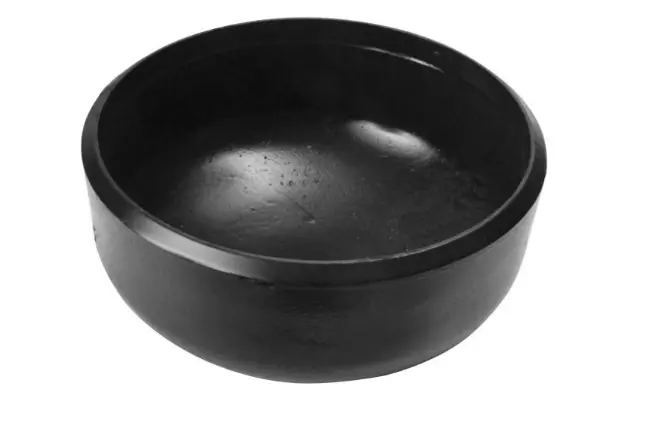
Understanding ASME B16.9 Pipe Caps: Specifications and Applications
Pipe caps are important parts of any industrial pipe system, but they are especially important in petrochemical plants where process efficiency has a direct effect on safety and profits. When we talk about terminal fittings that meet ASME B16.9 Pipe Caps standards, we're talking about factory-made metal parts that are made to exact geometric standards to make sure they work the same way in all kinds of refinery situations.
What Defines ASME B16.9 Compliance for Pipe Caps?
The ASME B16.9 standard sets out all the measurements, tolerances, and testing procedures that factory-made buttweld fittings, such as caps, must meet. Instead of threaded or socket-weld options, these caps have beveled ends (usually machined at 37.5° ± 2.5°) that are made for full-penetration circumferential welding. This beveled preparation makes it easier for the cap and pipe to join properly, making a joint that is as strong as or stronger than the parent pipe material.
When it comes to maintaining refineries, precision in measurements is especially important. Out-of-roundness tolerances, or the biggest change between two measured diameters, must stay within 1.5% of the standard pipe diameter for caps up to NPS 12. For bigger sizes, they must be tightened to 1%. These exact specs stop problems with field fit-up that could slow down plans or lower the quality of the weld. Even though angular tolerances aren't as important as elbow tolerances, they still need to be checked to make sure the parts are lined up correctly during installation.
Material Standards and Their Impact on Refinery Performance
When it comes to industrial pipes, carbon steel types are most common. For temperatures up to 400°C, ASTM A234 WPB material is the standard. This name refers to wrought carbon steel with controlled chemistry. The maximum 0.30% carbon content makes it easy to join without having to be heated first in most conditions. A manganese percentage of 0.29 to 1.06% gives the steel the tensile strength (at least 60,000 psi) it needs while still keeping the flexibility it needs for making.
Stainless steel caps made to ASTM A403 standards can handle the corrosive conditions that are common in sulfur recovery systems and catalytic cracking units. Grade WP304L is better at resisting chloride stress corrosion, and WP316L variants are better at resisting acidic condensates. ASTM A234 WP11 and WP22 types of alloy steel can be used for high-temperature tasks that are too hot for carbon steel. The addition of chromium and molybdenum makes the steel less likely to creep in delayed coking and hydroprocessing units.
The choice of material has a direct effect on the costs that come up over the course of its life. We've worked with over 300 petrochemical sites and learned that using the right grade standard keeps things from breaking down too soon. This keeps unexpected shutdowns to a minimum, which can save refineries between $500k and $1 million per day in lost production.
Pressure Ratings and Size Availability
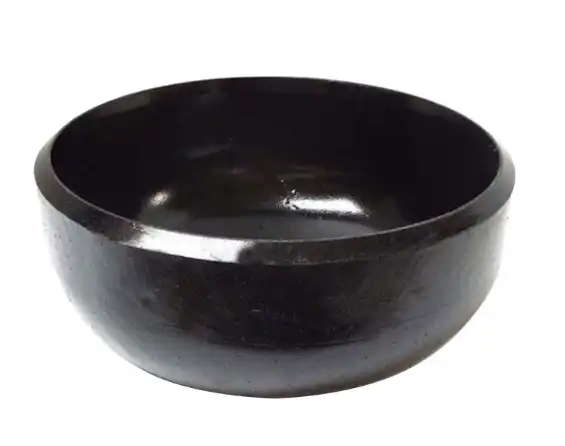
Buttweld caps don't have separate pressure class ratings like flanged parts do; instead, they work with the connected pipe system. The wall thickness of the cap fits the Schedule 40, 80, or XXS requirements of the pipe that ends the system. This makes sure that the system can hold pressure evenly throughout. During production, hydrotests are used to make sure that caps can withstand pressures equal to or higher than the pipe's calculated burst pressure, which is usually 2.5 times the design pressure for carbon steel materials.
In our factory, we have sizes ranging from NPS 1/2 to NPS 48, which can be used for a wide range of tasks, from ending instrument impulse lines to pipes for big crude distillation units. When it comes to smaller diameters (NPS 1/2 to NPS 4), seamless caps have uniform wall thickness and don't have a longitudinal weld seam, which means they work best in cyclic pressure applications. For bigger diameters, formed caps are used. Precise hot-forming processes shape flat plate stock into a hemispherical shape before beveling operations.
Manufacturing and Quality Assurance of ASME B16.9 Pipe Caps
Good manufacturing separates sellers whose products cause expensive problems in the field from those whose products are stable. Our 66,600-square-meter plant at Oudi has forming presses, automatic beveling machines, heat treatment ovens, and a wide range of inspection tools. It can produce 16,000 tonnes of steel each year. With this infrastructure, ISO 9001:2000 approval, and special equipment manufacturing licensing from the People's Republic of China, every ASME B16.9 Pipe Cap is guaranteed to meet the highest quality standards.
Precision Forming and Heat Treatment Processes
Positive Material Identification (PMI) testing is the first step in making a cap. It checks the quality of the materials used. Our XRF analyzers quickly confirm the chemistry of a metal, which keeps materials from getting mixed up and putting lower grades into important processing systems. This non-destructive testing finds chemistry problems before the raw material is used in production. This keeps expensive rework and failures in the field from happening.
Depending on the cap width and material grade, the forming process is different. Hot-pushing is used to make smaller, seamless caps. This is when heated pipe stock is pushed through, making dies that make the closed hemispherical end shape. For bigger caps, pressing is done with plate sections that have already been heated, and the dome shape is formed over several press cycles. While making, keeping an eye on the temperature makes sure the material stays in the right range—usually between 900 and 1150°C for carbon steel—so the grain structure and mechanical traits stay the same.
After making, the microstructure is optimized, and any leftover stresses are taken care of by heat treatment. Normalizing cycles for carbon steel caps include heating to 900–950°C, holding for long enough to make sure the temperature is the same all the way through the thickness, and then cooling with controlled air. This process improves the hardness and resistance to brittle fracture by fine-tuning the grain structure. This is especially important for caps that are used in low-temperature systems like LPG systems. As required by ASTM A403, caps made of alloy steel go through solution annealing and then water cooling to reach the required level of rust resistance.
Rigorous Inspection Protocols
Our plant uses the full inspection method set up by ISO 9001 standards for quality control. Instead of using statistical sampling, every output lot is looked at. To make sure the dimensions are correct, the beveled end geometry is checked by measuring the bevel angle, land width, and inside diameter to make sure they meet ASME B16.9 standards. Precision diameter tape or inside micrometers are used at different angles to measure out-of-roundness and make sure caps meet the 1.5% margin standard.
Ultrasonic thickness verification across the cap surface is part of non-destructive testing methods. This confirms the minimum wall thickness standards for the whole component. Magnetic particle inspection finds flaws that break the surface, which is especially important on the tension side of formed caps, where the stresses from the forming process are highest. Similar flaws can be found with liquid penetrant tests on caps made of stainless steel, but there is no need for a magnetic field.
Proof testing shows that the pressure is stable by doing hydraulic tests at 1.5 times the working pressure level. To make sure there are no leaks, the caps are sealed, pressurized, and held for the minimum amounts of time required by ASME B16.9. This destructive testing on sample caps from every production lot proves that the manufacturing process always makes parts that can go above and beyond what was planned.
Certification Documentation and Traceability
Every shipment that leaves our plant comes with full material tracking. Mill test records (MTRs) list the chemical make-up, mechanical features, heat treatment settings, and inspection outcomes that are connected to particular heat numbers. During refinery turnarounds, when maintenance teams need to check the specs of installed parts or look into what caused a failure, this paperwork trail is very helpful.
Our license to make special equipment shows that we follow the rules for pressure vessels. This gives procurement teams faith that the caps meet the safety standards for ASME Section VIII uses that are popular in petrochemical processing. Along with API certifications, which are being asked for more and more by foreign EPC contractors, this paperwork package speeds up the approval process for projects and makes them easier to get.
Comparing ASME B16.9 Pipe Caps to Other Standards and Types
To choose the right specifications, you need to know how different standards and ways of making things affect the performance of parts and the cost of the job. In North America, most refinery projects use ASME B16.9 Pipe Caps. In Europe, installations may use DIN or BS standards, and in Asia, facilities may sometimes use JIS dimensions. Knowing these differences keeps you from making expensive mistakes when ordering and makes sure that your systems work together properly.
ASME B16.9 vs. ASME B16.5 and Other Standards
ASME B16.5 talks about flanged connections, while ASME B16.9 talks about buttweld fittings. This difference affects how caps fit into piping systems. B16.9 caps need to be welded in place, making connections that are solid and good for process pipe, while B16.5 blind flanges can be taken apart for repair access. When permanent ending is okay, welded caps are better for petrochemical uses because they avoid the possible leak paths that come with bolted flange connections.
Dimensional differences between standards can catch buyers off guard. JIS B2313 caps have slightly different outside sizes and bevel angles than ASME B16.9 caps. If mixed with ASME pipe, this could make it hard to install. In the same way, DIN 2605 caps use metric measurements that don't work with ASME devices that use inch measurements. Our engineering team helps foreign customers deal with these differences in specifications, making sure that the caps they order fit with the equipment they already have.
Carbon Steel vs. Stainless Steel: Material Selection Criteria
The best cost-performance mix for general refinery services that work below 400°C without major corrosion worries is found in carbon steel ASTM A234 WPB caps. WPB material is strong enough to handle most crude distillation, catalytic reforming, and alkylation tasks. Its tensile strength is around 60,000 psi, and it welds very well. There are plenty of materials available and simple ways to make things, so lifecycle costs stay low.
Stainless steel is needed when high temperatures, acidic conditions, or both make carbon steel less useful. In flare systems and sulfur recovery units, Grade 304L caps don't sulfidate or oxidize, so they stay strong where carbon steel would quickly break down. The 316L version has molybdenum added to it to make it more resistant to chloride, which is very important in offshore petrochemical facilities that are exposed to marine environments or in processes that use halogenated compounds.
Material grades are separated by their temperature ranges. Above 400°C, carbon steel loses its strength, so alloy materials must be used instead. Chrome-moly grades WP11 (1.25Cr-0.5Mo) and WP22 (2.25Cr-1Mo) can be used at temperatures up to 600°C, which is good for uses that need to handle hydrocracking and delayed coking. Even though these metal caps are 50–80% more expensive than carbon steel ones of the same size, their higher high-temperature strength keeps them from breaking, which could cause catastrophic escapes.
Manufacturing Types: Seamless vs. Formed Caps
When seamless caps are made from pipe stock, lengthwise welds are not used. This makes the features the same in all directions. This design works really well in situations with changing pressures, like in batch reactors and process lines that start up and stop a lot. This is because thermal expansion and contraction create fatigue stresses. Radiographic checking is also easier with seamless construction because techs only have to look at the circumferential field weld instead of both the field weld and the factory longitudinal weld.
For larger diameters (NPS 6 and above), where seamless pipe is harder to find and costs go up, formed caps made from plate stock are the most common. Using precise dies and controlled heat treatment, modern forming techniques make caps with mechanical properties that are the same as seamless construction. During production, radiographic or ultrasonic inspections are done on the lengthwise seam of made caps to make sure the quality of the weld before the part is sent to the field.
When deciding between smooth and made, economic factors often play a big role. Both methods of production are within our range of abilities, so we can suggest the most cost-effective choice based on size, quantity, and delivery schedule. When it comes to maintenance situations, seamless caps in common sizes can be shipped right away because they are in stock. On the other hand, formed caps with unusual specs need to be custom-made, which takes 4-6 weeks.
Procurement Insights: How to Source ASME B16.9 Pipe Caps Effectively
Strategic sourcing choices affect how much a project costs, how well it stays on schedule, and how reliable the system is in the long run. To balance these competing goals, procurement workers need clear criteria for choosing suppliers and a realistic understanding of how changes in the market affect prices and availability for the ASME B16.9 Pipe Cap products.
Supplier Qualification and Certification Requirements
Recognized certifications and manufacturing licenses are ways that reliable suppliers show that their quality systems are mature. ISO 9001 certification means that quality management processes are formalized, but buying teams should make sure that the certification covers more than just distribution activities. It should also cover making pipe fittings. Special equipment manufacturing licenses, which are needed in many places for pressure-containing parts, make sure that the supplier has the engineering skills and inspection infrastructure needed to make the product safe.
The ISO 9001:2000 certification and People's Republic of China special equipment manufacturing licence for our plant show that we meet the high-quality standards that foreign petrochemical operators expect. These certificates were rigorously checked by a third party to make sure that our quality systems cover design control, process validation, inspection planning, and corrective action—all of which have a direct effect on how reliable our products are in refinery service.
Experience in the petrochemical industry is more important than just being able to make generic pipe fittings. Refineries have their own problems, like corrosive surroundings, high temperatures, strict safety rules, and tight turnaround times. Suppliers to this industry know the details of specifications, keep the right materials on hand, and offer expert help during the buying and installation stages. Our 40-country customer base includes people in the oil, chemical, and natural gas industries. This gives us a lot of information about how products are used, which helps us make better product suggestions and have fewer problems in the field.
Pricing Dynamics and Order Considerations
The price of a pipe cap depends on the cost of the raw materials, how hard it is to make, how many are ordered, and the state of the market. Standard sizes of carbon steel WPB caps (NPS 2 through NPS 12) are considered commodities, and their prices are competitive because of the low cost of materials and the ease of production. Stainless steel and alloy grades are more expensive because the raw materials are more expensive, and the manufacturing requirements are stricter. For example, normalizing stainless steel with heat takes more time and energy than normalizing carbon steel.
Minimum order quantities (MOQ) are different for each supplier and type of product. Standard sizes are usually shipped in small amounts straight from stock, so maintenance spares needs can be met without having to keep too much inventory on hand. For custom specs like odd shapes, rare materials, or specific testing needs, MOQs of 10 to 50 pieces are usually needed to cover the costs of setting up the production line. Our wide range of sizes and annual capacity of 16,000 tonnes make it possible for us to offer flexible MOQs that balance client worries about inventory with manufacturing efficiency.
Lead times span from instant availability for stock sizes to 6-8 weeks for unique specs requiring special material acquisition. Rush orders incur premium charges but can reduce manufacturing time to 3-4 weeks when existing material inventory supports the order. Costs and schedule risks are kept to a minimum by procurement teams early in the project development process by planning the cap requirements. This lets normal lead times apply and avoids rush fees.
Factory-Direct vs. Distributor Sourcing
When you buy directly from manufacturers, you save money and get better expert help. Getting rid of dealer margins cuts the cost of parts by 15 to 30 percent, which can save a lot of money on big projects. When you work directly with a manufacturer, you can get engineering help when you're making specifications and help with fixing problems in the field. At Oudi, we work directly with end users and EPC contractors, and our self-management import and export authority makes it easy to do business across borders.
When a manufacturer's minimum order quantity (MOQ) makes it impossible to get small amounts, when local inventory shortens emergency shipping times, or when projects need to buy everything from a single seller, distributors are useful. For urgent needs, being close by is important; distributors keep local stock that ships within days instead of the weeks needed for foreign orders. We work with well-known distributors in key areas to make sure that our goods can still be bought in the ways that customers want.
When problems arise, after-sales help sets one provider apart from others. Full documentation, like dimension reports, MTRs, and heat treatment charts, makes it possible to track down problems in the field if they need to be looked into. Customers can quickly solve problems with the help of technical support that can interpret test results or suggest different specifications. Our dedication to customer support goes beyond the initial sale. We provide the ongoing partnership that refineries need to keep their operations running smoothly for decades as their equipment ages.
Best Practices for Using and Maintaining ASME B16.9 Pipe Caps in Refinery Systems
When you install and maintain ASME B16.9 Pipe Caps correctly, they last longer and don't break down early, which could damage the system. After working on hundreds of projects at refineries, I've learned what the most common types of failure are and how maintenance teams can stop them.
Installation Techniques for Leak-Proof Connections
Preparing the pipe end correctly is the first step to installing a cap correctly. To make sure the root gap is the same when the cap is put on, the cut ends must be square, with a deviation of no more than 1/16 inch across the diameter. Within 2 inches of the weld joint, grinding gets rid of mill scale, rust, and other contaminants. This stops inclusions that weaken the finished weld. The fit-up check makes sure that the cap bevel lines up correctly with the pipe bevel, which makes the root hole the same all the way around.
For full entry welds, keeping the root gap open during tack welding is very important. The ASME B31.3 process piping code calls for gaps of 1/16 inch for pipe walls that are less than 3/4 inch thick and 1/8 inch for thicker walls. Placed in quadrants, tack welds keep the alignment during the final welding process and are usually only 1 inch long, so they don't change the amount of heat that goes into the joint. When the tack weld is too big, it forms hard spots that collect stress.
The way you weld has to match the requirements of the base material and the conditions of work. Carbon steel WPB caps usually have E7018 electrodes or ER70S-6 filler wire used, which gives the welded metal properties that are the same as or greater than the strength of the base metal. The amount of heat needed depends on the thickness of the material, the temperature of the environment, and the carbon equivalent. For example, caps with walls thicker than 1 inch may need 150–200°F of heat to keep them from hydrogen cracking in cold weather. For P-Number 4 and higher materials (chrome-moly alloys), post-weld heat treatment (PWHT) is required. This relieves leftover loads and softens martensite structures that would otherwise break during service.
Inspection and Preventive Maintenance Protocols
Degradation can be found before it fails through regular testing programs. During regular unit checks, visual inspection finds external corrosion, coating breakdown, or physical damage that needs to be fixed. Ultrasonic thickness surveys done during turnarounds record the remaining wall thickness and trending corrosion rates that are used to figure out how much life is left. Areas that are thinning quickly might need better materials or safe linings. This could be because of internal turbulence or preferred rusting.
When units are opened, situations that can't be seen from the outside are found by inspecting the inside. Caps that end high-speed lines get damaged by erosion, especially where catalyst or coke particles get stuck and hit the inside surface. Corrosion patterns show if the process chemistry matches the original design assumptions or if changes in the composition mean that the material needs to be upgraded. Stress corrosion cracking, which looks like small surface cracks running perpendicular to the hoop stress, means that the material has been exposed to salt or amines in service conditions that are too high for it to handle.
Preventative measures make caps last longer and stop them from breaking down as often. Epoxy or polyurethane coating systems protect the outside of things from rusting in the air. This is especially helpful in seaside factories where salty water speeds up the rusting process. Ceramic or polymer linings on the inside protect the base metal from corrosive process streams and are often cheaper than building with exotic alloys. Cathodic protection systems protect pipes that are buried or submerged, but they need to be carefully designed so that hydrogen doesn't weaken high-strength materials.
Common Failure Modes and Prevention
Corrosion failures show up as holes going through the wall or spots of thinning that lower the pressure capacity below safe levels. Aggressive bulk fluid chemistry causes uniform corrosion, which is a general loss of thickness across the cap surface. The corrosion progresses in a predictable way, which lets maintenance plans be based on thickness surveys. Localized corrosion, also known as pitting or crevice attack, tends to gather in weak spots in protective oxide films or under deposits, which can lead to rapid perforation with little warning.
Stress corrosion cracking (SCC), fatigue cracking, and brittle fracture are all types of mechanical breakdowns. SCC needs tension stress, a material that is easily damaged, and an acidic environment, all at the same time. This happens a lot in caps made of austenitic stainless steel that are exposed to chlorides above 140°F. To lessen the effects, you can choose the right materials (for example, duplex stainless steels don't react with SCC) or control the climate (for example, keep salt levels below certain levels). When thermal expansion happens during start-up and shutdown or when pressure changes in batch processes, fatigue cracks can happen. Stress ranges that cause fatigue can be lowered by doing enough flexibility analysis during design and preventing needless restraints.
Weld failures are usually caused by problems with the installation, like not enough penetration, holes, or slag inclusions that create stress concentrations. These flaws are found before the system goes into service by using X-rays or ultrasounds during the building. Using qualified welders and approved procedures to fix things in the field keeps new problems from happening during maintenance.
Conclusion
When they are ordered, made, and put on correctly, ASME B16.9 Pipe Caps provide reliable terminal sealing for petroleum and industrial pipes. Procurement teams can find parts that meet their practical needs if they understand specification requirements, differences in material properties, and quality assurance processes. Quality manufacturing, shown by certifications and thorough inspections, makes a difference between providers whose products work effectively and those whose products cause expensive problems in the field. Strategic sourcing strikes a balance between cost and quality standards, knowing that when a part fails in a factory, it causes problems that are much worse than the original purchase price savings. Best practices for installation and preventive maintenance programs make the most of the service life of equipment, protecting capital investments and keeping operations safe and reliable for decades.
FAQ
1. What material grades are available for ASME B16.9 pipe caps?
Carbon steel ASTM A234 WPB represents the standard material for general refinery service up to 400°C. Stainless steel grades include ASTM A403 WP304/304L for corrosion resistance and WP316/316L for enhanced chloride resistance. Alloy steel options—A234 WP11 and WP22—serve high-temperature applications to 600°C. Material selection depends on temperature, corrosive environment, and pressure requirements specific to each application.
2. How do buttweld caps differ from threaded caps?
Buttweld caps feature beveled ends for circumferential welding, creating permanent connections whose strength equals the connected pipe. Threaded caps use NPT or other thread forms, allowing disassembly, but introduce potential leak paths and stress concentrations at thread roots. Petrochemical applications favor buttweld caps for critical process piping where permanent sealing and maximum joint strength are required.
3. What documentation should accompany pipe cap orders?
Complete material traceability includes mill test reports documenting chemical composition and mechanical properties tied to specific heat numbers. Dimension reports verify ASME B16.9 compliance, while heat treatment charts confirm proper thermal processing. Certifications from recognized bodies (ISO 9001, special equipment licenses) demonstrate quality system compliance. This documentation package enables installation verification and supports failure investigations if problems occur during service.
Partner with a Trusted ASME B16.9 Pipe Cap Manufacturer
Oudi has been making things for more than 25 years and uses that experience in every pipe cap project. He supplies petroleum plants in 40 countries with goods that meet the highest quality standards. Our ISO 9001-certified factory makes 16,000 tonnes of carbon steel, stainless steel, and alloy caps for NPS 1/2 to NPS 48 every year. From checking the quality of the raw materials to the final review, everything is done in-house to make sure that the dimensions are correct and the metal is solid, which is what the refinery needs. Our engineering team can help you match caps to your specific service conditions, whether you need stock sizes for maintenance spares or custom specs for new construction. Get in touch with us at oudi-04@oudiguandao.com to talk about your needs with an experienced ASME B16.9 Pipe Cap supplier that is dedicated to providing you with high-quality goods at reasonable prices and quick service.
References
1. American Society of Mechanical Engineers. ASME B16.9-2018: Factory-Made Wrought Buttwelding Fittings. New York: ASME, 2018.
2. American Society for Testing and Materials. ASTM A234/A234M-21: Standard Specification for Piping Fittings of Wrought Carbon Steel and Alloy Steel for Moderate and High Temperature Service. West Conshohocken: ASTM International, 2021.
3. American Society of Mechanical Engineers. ASME B31.3-2020: Process Piping. New York: ASME, 2020.
4. American Society for Testing and Materials. ASTM A403/A403M-21: Standard Specification for Wrought Austenitic Stainless Steel Piping Fittings. West Conshohocken: ASTM International, 2021.
5. Nayyar, Mohinder L. Piping Handbook, Eighth Edition. New York: McGraw-Hill Education, 2016.
6. American Petroleum Institute. API 570: Piping Inspection Code: In-Service Inspection, Rating, Repair, and Alteration of Piping Systems, Fourth Edition. Washington: API Publishing Services, 2016.

Need help finding the right solution with our experts. Please contact us.

SINCE 1998 Your Reliable Pipeline Manufacturer



