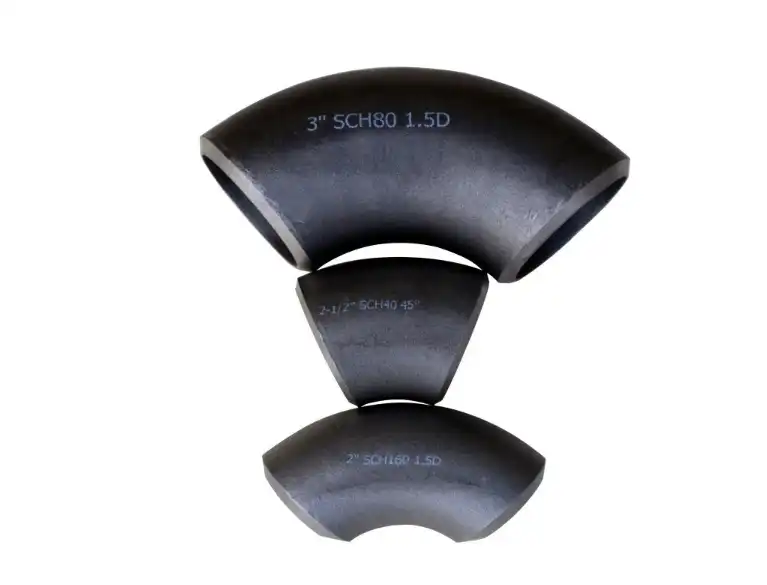
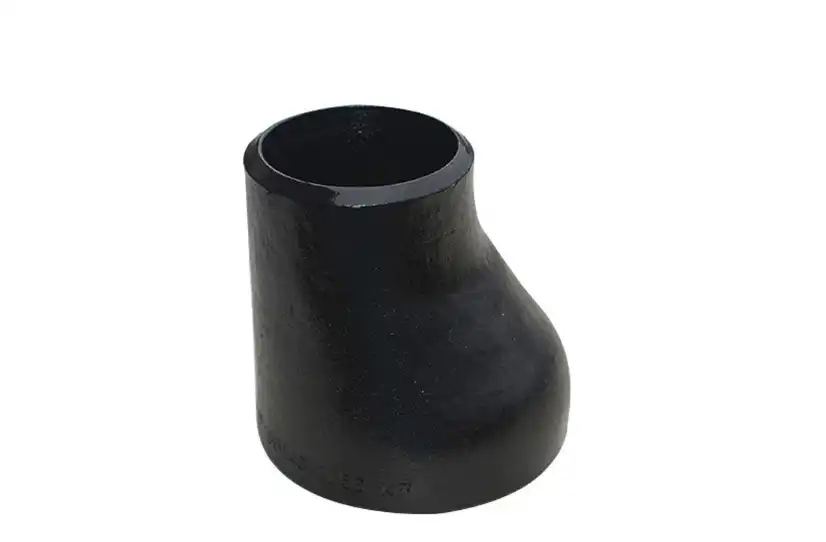
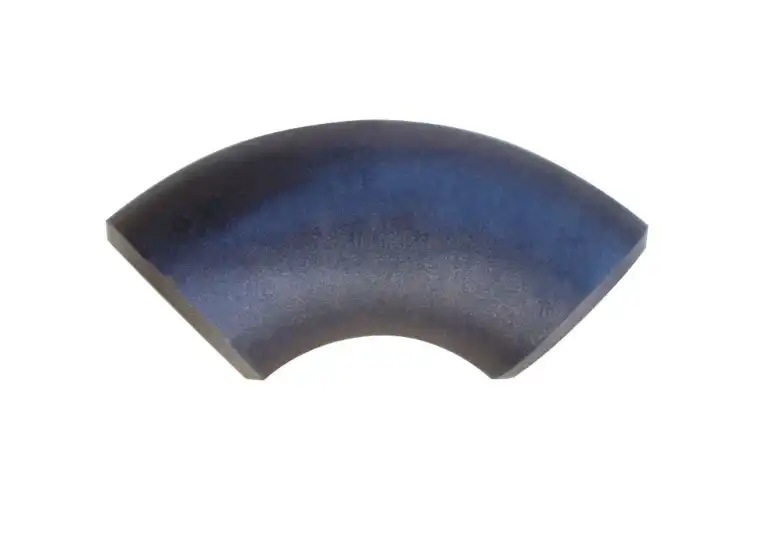
BW Carbon Steel Cap Factory with OEM & Custom Solutions
When it comes to securing reliable, high-performance pipe fitting solutions for critical industrial applications, choosing the right BW Carbon Steel Cap manufacturer makes all the difference. At Oudi, we specialize in producing butt-weld carbon steel caps that meet the rigorous demands of oil, chemical, natural gas, and water conservancy industries. With over two decades of manufacturing expertise since 1998, our factory delivers OEM and custom solutions designed to seal pipe ends securely, prevent leakage, and maintain system integrity under extreme pressure and temperature conditions. Our caps comply with ASME/ANSI B16.9, ASME B16.28, and MSS-SP-43 standards, ensuring global compatibility and procurement confidence for buyers across North America, Europe, and beyond.
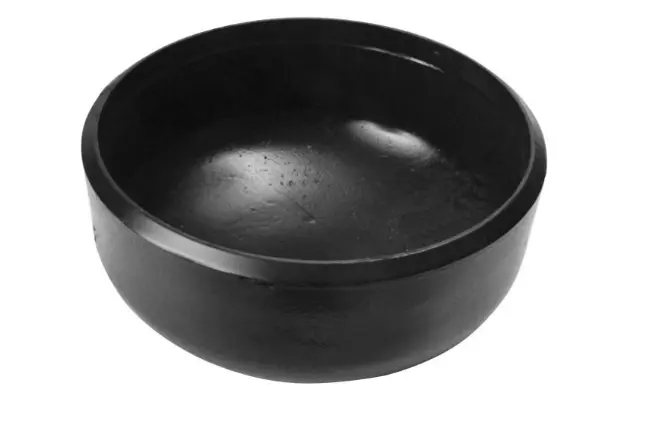
What is a BW Carbon Steel Cap? Specifications and Material Composition
Understanding Butt-Weld Carbon Steel Caps
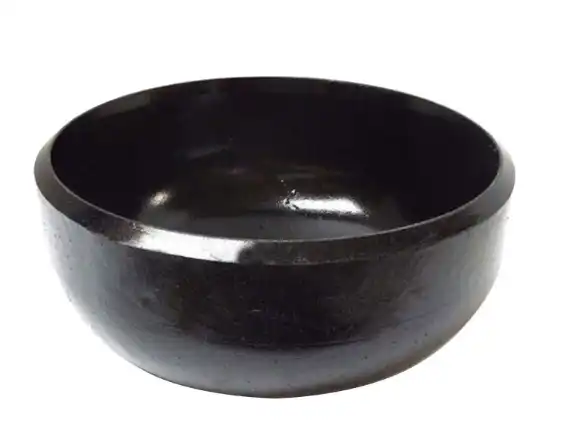
BW Carbon Steel Caps are engineered pipe fittings that permanently seal the ends of pipe systems by butt welding. This method melts the cap directly onto the pipe, making a seal that can't be broken. Butt-weld caps are better for high-pressure settings like petrochemical plants, power plants, and offshore fishing sites because they keep the structure more stable than threaded or socket-weld caps. The "BW" name stands for the butt-welding joining method, which gets rid of gaps and worries that could make things less safe.
Material Standards and Grades
Our manufacturing method follows material standards that are known all over the world to ensure efficiency and compliance. ASTM A234 WPB is the main type of material used. It is a carbon steel alloy that is known for being easy to weld, strong, and cheap. The carbon content in this grade is carefully controlled (usually less than 0.3%). This balances hardness and ductility, so the cap can handle impact and thermal expansion without cracking.
In addition to normal WPB, we also make caps in different grades to meet the needs of different operations:
- Low-Temperature Service: The ASTM A420 WPL3 and WPL6 grades don't break easily at temperatures below zero, so they can be used in cryogenics and cold-climate pipelines.
- High-Pressure Uses: Grades WPHY 52, WPHY 60, and WPHY 70 have better tensile strength for systems with pressures above 1500 PSI.
- Corrosive Environments: Our main product is carbon steel, but we also make caps out of stainless steel (ASTM A403 WP316/316L, 304/304L) and alloy steel (WP11, WP22, WP91) for customers who need corrosion resistance or performance at high temperatures.
Dimensional Specifications
Oudi makes caps in sizes from ½" (15 NB) to 48" (1200 NB), so they can fit almost any industrial pipe need. You can choose wall thicknesses from Schedule 5S to XXS, so they can fit both light-duty water systems and heavy-duty steam lines. When it comes to pressure ratings, our seamless caps (made without longitudinal welds) are better than ERW (Electric Resistance Welded) or fabricated ones. However, we offer all three types to meet your needs in terms of price and performance.
Comparing BW Carbon Steel Caps with Other Types: Informed Decision-Making for Procurement
Carbon Steel vs. Stainless Steel Caps
A lot of the time, the choice between BW Carbon Steel Caps and stainless steel comes down to cost vs. protection from rust. Caps made of carbon steel are about 40–60% less expensive than stainless steel ones of the same size and strength when used in non-corrosive environments. Stainless steel is needed when working with acidic fluids, saltwater, or food-grade systems that need to be kept clean. What do we suggest? For dry gas, hydrocarbon, and freshwater systems, use carbon steel. For harsh chemical processes or marine environments, use stainless steel.
Butt-Weld vs. Threaded Caps
Threaded caps make installation easier without using tools, but they also create several security holes. The threaded link makes stress risers where wear cracks start, especially when the temperature changes. Over time, thread seals can break down, releasing harmful gases. Butt-weld caps get rid of these risks by fusing the metal evenly, making the joint as strong as the base pipe. Installing it takes welding tools and trained workers, but the long-term dependability makes it worth the initial cost in serious situations.
Seamless vs. Forged Caps
When solid billets are hot-formed into seamless caps, there are no gaps. This gives the caps a uniform grain structure and makes it easy to predict how they will fail. Forged caps are shaped mechanically, which lines up the metal's grain flow with its stress patterns. This makes the caps very resistant to impact. In terms of pressure ratings, both types are better than welded caps, but for sizes below 24", seamless versions are more popular because they are more cost-effective. For bigger diameters, where seamless manufacturing isn't possible, we use advanced forging methods that meet ASME standards.
Standards Compliance for Global Procurement
Following international standards takes the guesswork out of buying things across borders. Our caps are certified to meet ASME B16.9 for factory-made wrought fittings, ASME B16.28 for short-radius elbows and returns, and MSS-SP-43 for wrought stainless steel fittings. These certifications make sure that the sizes can be interchanged, that the products can withstand high temperatures and pressures, and that the materials can be tracked. Buyers in Europe like that our caps are in line with DIN standards, while clients in Japan reference our JIS compliance.
Custom and OEM Solutions: Tailored BW Carbon Steel Caps for Specific Industrial Needs
Why Customization Matters
Standard off-the-shelf BW Carbon Steel Caps meet about 80% of industrial needs. The other 20% have unique problems, like non-standard pipe sizes in retrofit projects, unusual materials for special process fluids, or stronger designs for areas prone to earthquakes. Oudi's OEM capabilities fill in this gap, letting procurement teams specify exact needs instead of settling for solutions that "nearly fit." Our engineering team looks over client drawings, does finite element analysis for stress validation, and makes prototypes before full production runs.
Customization Options Available
Size Variations: We make caps for non-standard metric sizes, oval pipes, and old equipment with dimensions that are no longer useful. Our machining centers can handle custom beveling angles for difficult weld joint shapes.
Thickness Changes: In addition to standard schedules, we also make intermediate wall thicknesses that are calculated to meet specific pressure needs. This makes the best use of materials and cuts down on weight in structural applications.
Surface Treatments: A standard mill finish is fine for many uses, but we also offer shot blasting, pickling, passivation, and epoxy coatings to make them more resistant to corrosion. Anti-corrosion wrapping gets caps ready for long-term storage outside or shipping by sea.
Material Substitutions: We mostly use ASTM A234 WPB, but for the toughest chemical processes, we also work with duplex steels (UNS S31803, S32205), nickel alloys (Inconel 625, Hastelloy C276), and even titanium.
End-to-End Manufacturing Workflow
Our custom order process starts with a technical consultation. Clients send us their requirements, operating conditions, and any relevant codes. Within 48 hours, our engineering team responds with a feasibility assessment, material suggestions, and preliminary quotes. Once approved, we send the client manufacturing drawings to look over and incorporate any feedback before cutting the raw materials.
Production occurs in our 66,600-square-meter factory, which has CNC lathes, hydraulic presses, and automated welding stations. At several stages, real-time quality checks make sure that the dimensions are correct. After forming, heat treatment (normalising or stress relieving) gets rid of any remaining stresses. Each cap goes through hydrostatic testing and, if needed, a non-destructive examination using ultrasound or X-rays.
Quality Assurance Protocols
Our quality management system is official thanks to our ISO 9001:2000 certification and Special Equipment Manufacturing License from the People's Republic of China. Mill test reports (MTRs) confirm the chemical composition and mechanical properties of raw materials. In-process inspections check the wall thickness, bevel angles, and surface finish. Final inspections compare finished caps to customer specifications and international standards. Every shipment comes with documentation packages including material certifications, test reports, and dimensional inspection records.
Real-World Success Story
To expand a pipeline, a petrochemical company in North America needed 200 handmade caps with a 36" diameter and made of ASTM A234 WPB material. It was hard to match old pipe beveling angles that weren't the same as modern ASME standards. Our team made CAD models of the current pipe geometry, figured out the new bevel requirements, and made sample caps to test in the field. We finished the whole order within the client's six-week deadline after passing the welding tests. This earned us a long-term supply deal for future plant repair needs.
How to Procure BW Carbon Steel Caps: A Practical Buying Guide for B2B Clients
Identifying Reliable Suppliers
Supplier selection determines whether your procurement delivers value or creates costly headaches. Check to see if the company has ISO 9001 certification, which means they have structured quality management. Check for Special Equipment Manufacturing Licenses if they are needed by the rules in your area. Ask for customer examples from companies in the same line of work and call them to ask about on-time delivery, consistent BW Carbon Steel Caps, and how quickly they respond to technical questions.
Evaluating Technical Capabilities
You can look at production equipment by visiting facilities in person or virtually. Modern CNC equipment means that it can be precise, while manual equipment means that there is a chance of mistakes. Ask about checking tools. Reliable makers have spectroscopy analysers to check the quality of the material, coordinate measuring machines to check the size, and ultrasonic flaw testers to look for internal flaws. Check out the range of material grades that the manufacturer offers. Suppliers who work with a variety of alloys show metallurgical knowledge that can be applied to your carbon steel needs.
Pricing Considerations and MOQ
The price of a carbon steel cap depends on its size, delivery terms, quantity, and schedule. You can expect discounts when you buy more than 100 pieces at a time. Prototype or small-batch orders cost more because of the time and money needed to set them up. To get an exact picture of how much logistics costs, ask for FOB (Free On Board) and CIF (Cost, Insurance, Freight) prices. Watch out for prices that are a lot lower than the market average. This usually means that the raw materials aren't as good or that some quality steps were skipped. Our prices at Oudi are based on the fact that we only use approved steel companies and do thorough testing.
Lead Times and Logistics
Lead times for most products are between two and four weeks after an order is confirmed. Depending on how complicated the order is, it takes four to eight weeks. For urgent small-quantity needs, air freight is best; for bulk orders, sea freight is the most cost-effective option. Our 120-kilometer proximity to Tianjin Port makes it easier to load containers and lowers the cost of shipping goods between countries. We keep in touch with freight forwarders who know how to properly record dangerous materials. This makes it easier for buyers in controlled markets to get their goods through customs.
Validating Supplier Credentials
Ask for copies of the company's ISO certifications, manufacturing licenses, and patent paperwork. Check these with the issuing bodies when a lot of money is at stake. Check to see how the seller has exported in the past—the fact that we serve over 300 customers in 40+ countries shows that we are operationally mature in international trade. You can find buyer ratings and transaction volumes on websites like Alibaba and Made-in-China. However, you can often get better prices by dealing directly with the factory than through an intermediary website.
Positioning Oudi as Your Procurement Partner
We've been getting better at making carbon steel pipe fittings at Oudi for 26 years. Our annual capacity of 16,000 tonnes ensures a steady supply even when the market changes. Every batch of products is checked by high-tech detectors, so there is no longer any quality risk with low-cost suppliers. Our self-managed import and export operations allow for direct communication without the need for markups or message delays caused by middlemen. We can make as many caps as you need for the lifecycle of your project while keeping the quality high. Whether you need 20 caps for maintenance or 2,000 caps for new construction, we can do it.
Installation Guidelines and Maintenance Tips for BW Carbon Steel Caps
Pre-Installation Preparation
Preparation is the first step to a successful butt-weld installation. Check both the pipe end and the BW Carbon Steel Cap end for damage, rust, or contamination that could affect the quality of the weld. Verify dimensional compatibility by measuring outside diameters and wall thicknesses—mismatches cause incomplete fusion or excessive reinforcement. Clean mating areas with wire brushes or grinders to clear mill scale, oil, and rust, revealing bright metal. Using saws or plasma cutters, cut the ends of the pipe so they are square. The bevelled ends should match the shape of the cap's bevel within 5 degrees.
Welding Procedure
Use external clamps or internal lineup tools to line up the cap so that it fits tightly on the pipe. There should be a root gap of 1/16" to 1/8", depending on how thick the wall is. Tack weld at four points (12, 3, 6, and 9) using skilled welders and methods that follow ASME Section IX. Finish the root pass with the right filler metal, such as E7018 electrodes for stick welding or ER70S-6 wire for MIG or GTAW processes. Fill passes and cap passes come next, with temperatures staying below 500°F between passes to keep the heat-affected zone from becoming weak. Allow the finished weld to cool gradually; avoid water quenching, which causes thermal shock.
Post-Weld Inspection
A visual check shows that the bead looks uniform, goes all the way through, and doesn't have any cracks or undercuts. Dimensional checks measure reinforcement height (should not exceed 1/8" per ASME B31.3). If the code says so, use X-rays or ultrasound to find problems inside the structure that can't be seen from the outside. Before putting something into service, pressure testing makes sure it doesn't leak. The industry standard is hydraulic tests that use water at 1.5 times the original pressure.
Maintenance Best Practices
When used in non-corrosive environments, carbon steel caps don't need much upkeep, but they do benefit from being checked regularly. Every six months, a visual check is done to look for surface rust, coating wear or damage from nearby equipment. Ultrasonic thickness testing during big turnarounds measures the rate of corrosion, which helps with choices about replacement. Apply protective coats (paint, epoxy, or thermal spray) in wet or corrosive atmospheres, recoating when holidays show. Cathodic protection systems should cover welded caps on underground or submerged pipes to stop galvanic corrosion.
Replacement Criteria
When ultrasonic readings show that the wall thickness is less than the minimum needed by design codes, which is usually 87.5% of the stated thickness, the caps need to be replaced. Cracks that can be seen should be replaced right away, no matter how long they are, because they could get bigger when the pressure changes. If corrosion pitting takes up more than 20% of the wall thickness in a few places, replacement is the safest option. When changing or shutting down a system, caps can be cut off, and new units can be welded in their place using the same steps described above.
Conclusion
Choosing the right BW Carbon Steel Cap manufacturer affects not only the success of the project at hand, but also the reliability of operations and the management of costs in the long term. With our wide range of services, including standard ASTM A234 WPB caps and custom alloy solutions, along with our strict quality control systems and global transportation knowledge, Oudi is the ideal partner for procurement professionals in the oil, chemical, power, and building industries. As you think about your next piping job, we ask you to experience the Oudi difference that has won trust in North America, Europe, and other places.
FAQ
1. What advantages do butt-weld caps offer over threaded alternatives?
BW Carbon Steel Caps use metallic fusion to make lasting, high-integrity seals. This gets rid of the leak paths and stress concentration points that come with threaded connections. This means they can be used in systems with high pressures (above 600 PSI) and keep them from coming away from vibrations or changes in temperature that happen a lot in spinning equipment.
2. How do I ensure caps meet my system's pressure requirements?
Check that the schedule (wall thickness) of the cap matches the schedule of your pipe and that it works with the ASME pressure class number of your system. Based on your working conditions, material grade, and the relevant code (B31.1, B31.3, B31.4, etc.), our expert team can figure out the pressure-temperature rating for you.
3. Can Oudi fulfill custom orders with tight deadlines?
Yes, we can speed up production for jobs that need to be done quickly. Standard prices go up by 15-20% for rush orders, but wait times can be cut down to two weeks for specs that aren't too specific. Contact our sales team with your timeline, and we will check to see if it's possible based on our current production schedules.
4. What documentation accompanies shipments for quality verification?
Every order comes with measurement inspection reports, heat treatment certificates (if needed), compliance statements for certain standards, and material test records (MTRs) that trace the steel's chemistry back to the original mill. When needed by contract, extra testing paperwork, like PMI, UT, and RT records, is sent.
Partner with Oudi for Dependable BW Carbon Steel Cap Solutions
When you buy things around the world, you need more than just competitive prices. You also need a BW Carbon Steel Cap supplier that knows how hard it is to run your business and can deliver consistent quality across continents. Oudi has been making things for 26 years and has current production skills, ISO 9001 certification, and credentials for making specialised tools for businesses where failure is not an option. Our annual capacity of 16,000 tonnes supports both large-scale building projects and ongoing maintenance needs. Our custom OEM services also help engineers solve problems that standard products can't. You can talk to our technical sales team at oudi-04@oudiguandao.com about your specific needs, whether you need ANSI B16.9 standard sizes for an American project, DIN-compliant parts for a European building project, or custom sizes for a unique use. Our engineers look over your specifications, suggest the best grades of materials, and give you detailed quotes that make it clear what you're buying. We can handle 16,000 tonnes of cargo every year, and our location near Tianjin Port makes it easy for us to send large orders on time, so your projects don't get held up by delays that happen with less-capable suppliers.
References
1. American Society of Mechanical Engineers. (2020). ASME B16.9: Factory-Made Wrought Buttwelding Fittings. New York: ASME Press.
2. ASTM International. (2019). ASTM A234/A234M Standard Specification for Piping Fittings of Wrought Carbon Steel and Alloy Steel for Moderate and High Temperature Service. West Conshohocken: ASTM International.
3. Mohitpour, M., Golshan, H., & Murray, A. (2007). Pipeline Design and Construction: A Practical Approach (3rd ed.). New York: ASME Press.
4. Nayyar, M. L. (Ed.). (2000). Piping Handbook (7th ed.). New York: McGraw-Hill Professional.
5. Singh, R. (2017). Applied Welding Engineering: Processes, Codes, and Standards (2nd ed.). Oxford: Butterworth-Heinemann.
6. Weeks, A. T. (2015). Corrosion and Materials in the Oil and Gas Industries. Boca Raton: CRC Press.

Need help finding the right solution with our experts. Please contact us.
SINCE 1998 Your Reliable Pipeline Manufacturer