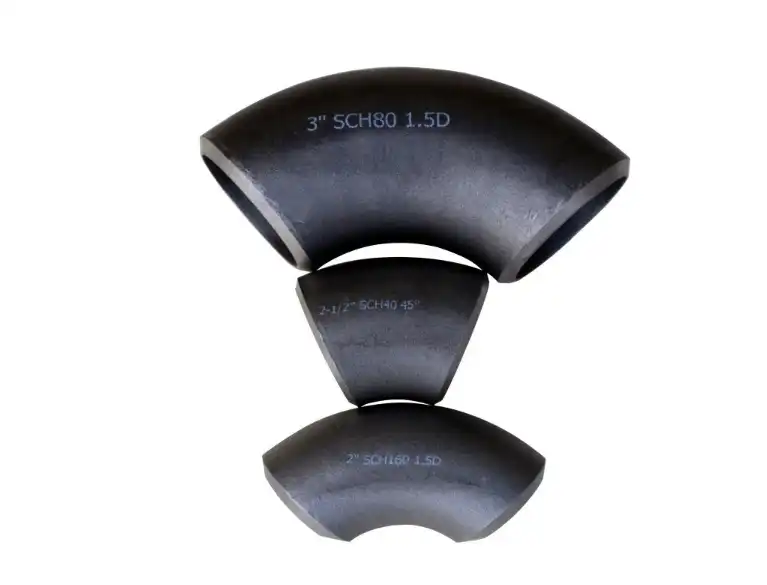
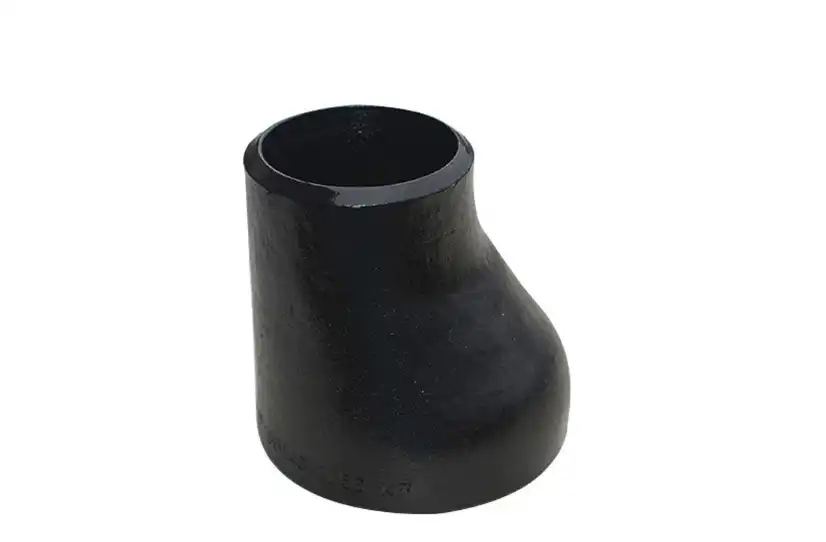
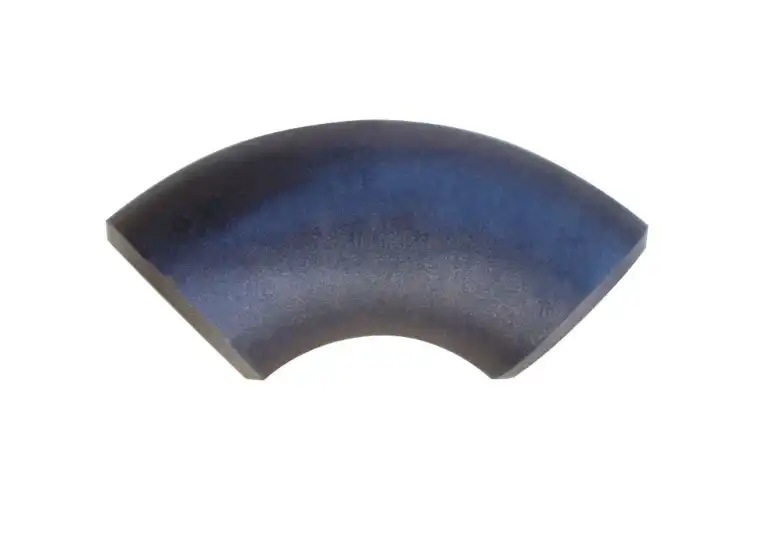
ASTM A234 WPB Mechanical Properties: A Full Breakdown
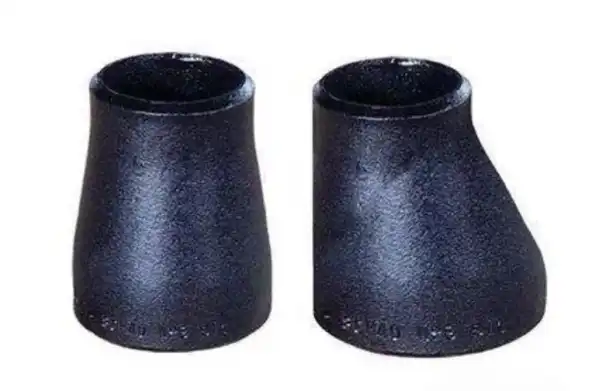
represents a crucial carbon steel specification for butt-welding pipe fittings widely utilized across industrial applications. Understanding the mechanical properties of ASTM A234 WPB materials enables procurement professionals to make informed decisions regarding tensile strength, yield characteristics, and operational reliability. These fittings deliver exceptional performance in pressure systems ranging from -29°C to 425°C, making them indispensable for oil, gas, chemical, and power generation industries where material integrity directly impacts system safety and operational efficiency.
Comprehensive Overview of ASTM A234 WPB Mechanical Properties
The technical features of ASTM A234 WPB pipe fittings are the result of many years of progress in metal science and tests in the workplace. When put together, these properties make a material that can handle the tough needs of current industrial uses.
Chemical Composition and Material Foundation
The carbon steel used to make ASTM A234 WPB fittings has to meet strict chemistry standards that make sure that the same batch of fittings always work the same way. The highest amount of carbon is usually around 0.30%, and the highest amount of manganese is up to 1.20%. Silicon content is kept at a maximum of 0.35%, and phosphorus and sulfur are kept at very low amounts to keep the material's ability to bond and bend.
This carefully controlled chemical makeup has a direct effect on how the material behaves mechanically. The carbon makeup gives it the power it needs, and the manganese makes it harder to work with and stronger. Silicon removes oxygen from the steel-making process, which makes the steel cleaner and with fewer impurities. The controlled amounts of phosphorus and sulfur make the material very easy to weld, which is very important for installation and upkeep work in the field.
Knowing these chemistry factors helps teams that buy things judge the skills of suppliers and the quality control methods they use. Manufacturers who stick to these chemical standards show that they have good metal control and stable production methods. This stability means that success can be predicted in the field, and there is a lower chance that it will break down too soon.
Tensile Strength and Yield Characteristics
ASTM A234 WPB fittings have a minimum tensile strength of 485 MPa (70 ksi), which means they work well in high-pressure situations. This tensile strength shows how well the material can hold together when it is pulled taut. This means it can be used in systems that are under a lot of pressure. The yield strength is usually around 250 MPa (36 ksi), which is the stress level at which the material starts to change shape permanently.
Because of these strengths, ASTM A234 WPB is a great choice for pipe systems that handle medium to high pressure. Under normal working conditions, the material keeps its structural integrity. It also provides a safety buffer for changes in pressure and short-term conditions. In key applications, where system downtime has big cost effects, this reliability is very important.
ASTM A234 WPB usually has bending qualities that are higher than 22%, which means it is ductile. Because the material is flexible, it can absorb energy during installation and use, which makes it less likely that it will break easily. Because these fittings are both strong and flexible, they work well in situations where the temperature changes or there is shaking.
Heat Treatment Influence on Performance
The mechanical qualities of ASTM A234 WPB fittings are changed a lot by heat treatment methods. This makes them work better in certain situations. Normalizing heat treatment smooths out the grain structure, which makes the material tougher and more resistant to pressure. In this process, the material is heated to about 900°C and then cooled by air. This makes the grain of the fitting uniform throughout.
The heat treatment method gets rid of any stresses that were left over from the making process. If you don't do anything about these stresses, they could cause the material to lose its shape or break down before it's supposed to in service. The fittings will keep their stated sizes and performance traits for as long as they are used if they are heat-treated correctly.
To get the best out of certain qualities, you can use different heat treatment plans. Stress relief methods make the structure more stable in terms of dimensions, and normalizing them makes the mechanical qualities better. By knowing about these choices, buying teams can better define the right heat treatment needs for each application.
ASTM A234 WPB Pipe Fittings Specifications and Dimensions
Standard sizes and production guidelines make sure that ASTM A234 WPB valves work the same way, no matter who makes them or what they're used for. These rules cover a wide range of issues, from simple limits for sizes to complicated geometric requirements that have an impact on flow rates and pressure ratings.
Dimensional Standards and Tolerances
The dimensions of ASTM A234 WPB fittings are the same as those in ASME B16.9. This means that they can be used with other standard fittings. Wall thickness plans go from Schedule 10 to Schedule XXS, so they can handle a wide range of pressure needs, from low-pressure systems to very high-pressure ones. The most common nominal pipe sizes are 1/2 inch to 72 inches, which meet almost all industry pipe needs.
The ASME B16.9 dimensional limits make sure that pipe systems fit and work correctly. These tolerances take into account differences in how the parts are made while keeping the accuracy needed for effective structure and sealing performance. The center-to-end measures for elbows and tees are standard, which makes designing systems and planning installations easier.
Tolerances for wall width usually allow for a difference of -12.5%, which makes sure that there is enough material for cutting and installing. This tolerance gives makers some room for error while still keeping the structural stability needed for pressure work. Knowing about these limits helps buying teams figure out what suppliers can do and set standards for quality acceptance.
Manufacturing Process Considerations
The process of making ASTM A234 WPB fittings uses either a seamless or a welded building method. Hot forming is used to make seamless fittings from solid billets, while plate or pipe materials are used to make soldered fittings. Both methods must meet the same standards for mechanical properties. This makes sure that the performance is the same no matter the manufacturing method.
To keep the right grain structure and functional features during hot forming, the temperature needs to be carefully controlled. Depending on the shape and size of the fitting, the forming temperatures are usually between 900°C and 1200°C. During forming, making sure the temperature is just right keeps the mechanical properties the same across the whole fitting cross-section.
A heat process after shaping evens out the structure of the material and reduces the stresses caused by shaping. For complicated shapes like reducing tees or large-diameter elbows, where forming pressures can be high, this method is very important. To get the right mechanical qualities and physical stability, the heat treatment process has to be carefully managed.
Compliance with International Standards
ASTM A234 WPB valves are compatible with several foreign standards, which makes them easier to find and use around the world. ASME B16.9 lists the required sizes, and ASTM A234 lists the qualities of the material and the tests that must be done. For certain uses, these pipes are mentioned in other standards, such as ASME B31.3 for process piping and ASME B31.1 for power plumbing.
Because these guidelines are recognized around the world, they can be used with confidence in global projects. Engineers and procurement teams can count on uniform performance traits, no matter where the product is made or who supplies it. This standardization lowers the risks of projects and makes quality control easier for sites that span multiple countries.
Verification of compliance needs a lot of tests and paperwork. Material test certificates must be provided by manufacturers to show that the material meets the standards for chemical composition, mechanical qualities, and dimensions. These certificates make sure that materials can be tracked and are of good quality for important uses where the performance of the materials has a direct effect on safety and dependability.
Comparing ASTM A234 WPB with Alternative Pipe Fitting Materials
Before you can choose a material, you need to know a lot about how ASTM A234 WPB works compared to other options. This comparison helps people who buy things make sure that the materials they choose meet the needs of the job, their budgets, and the performance standards they expect in the long run.
ASTM A234 WPB versus WP11 Alloy Steel
ASTM A234 WP11 is an option to chrome-molybdenum alloy steel that is made for use at high temperatures. Even though WP11 is stronger and less likely to creep at high temperatures, it costs a lot more to make and requires more complicated welding. WP11 parts can usually handle temperatures up to 595°C, while WPB materials can only handle temperatures up to 425°C.
The change in chemical makeup between these grades makes them behave differently. WP11 has 1.25% chromium and 0.5% molybdenum in it, which makes it stronger at high temperatures and less likely to rust. But these alloying elements need special welding techniques and heat treatment after the weld, which makes installation more expensive and difficult.
ASTM A234 WPB is more cost-effective than other materials for uses below 425°C without losing durability. The simpler chemical makeup makes it easier to bond and maintain, which lowers the lifetime costs. Because of this, WPB is the best choice for normal industry uses that don't involve high or low temperatures.
Carbon Steel versus Stainless Steel Alternatives
Fittings made of stainless steel, like ASTM A403 WP316L, are better at resisting rust, but they cost a lot more. Because it has chromium and nickel in it, stainless steel is very resistant to chemical attacks and rusting. But because the materials are more expensive, stainless steel is only a good choice when the resistance to rust is worth the extra cost.
ASTM A234 WPB carbon steel fittings work great in places where weathering isn't a problem or where protective coats are enough to keep the steel from rusting. Because the materials are less expensive, they can be used in more business settings where money is tight. In addition, carbon steel has great mechanical qualities and can be welded easily, which makes installation and upkeep easier.
Carbon steel's thermal expansion properties are more like those of carbon steel pipe systems, which means there are fewer worries about thermal stress during operation. The higher thermal expansion rate of stainless steel can add to the pressures in systems with more than one material, which might need expansion joints or other ways to make them work.
Performance versus Cost Analysis
When choosing what materials to use, economic factors are very important. Most of the time, ASTM A234 WPB valves are 30–50% less expensive than similar stainless steel options, but they still work well enough for most commercial uses. When working on big jobs with a lot of fittings, this cost advantage becomes very important.
The lifecycle cost study needs to look at more than just the original cost of the materials. It also needs to look at the costs of installation, upkeep, and replacement. Because carbon steel is so easy to weld, installation takes less time and is easier, which lowers project costs. Carbon steel parts are easy to find, which keeps prices low and ensures solid supply chain performance.
Because fixing and replacing methods are so common, carbon steel is often the best choice for maintenance purposes in many situations. Most industrial maintenance teams have the skills and tools to fix carbon steel, which cuts down on downtime and maintenance costs. Most of the time, this practical benefit is greater than the academic benefits of more unusual materials.
Procurement Considerations: Pricing, Suppliers, and Quality Assurance
To buy ASTM A234 WPB fittings successfully, you need to know how the market works, what the source can do, and what the quality assurance standards are. These things have a direct effect on the success of the project and the long-term dependability of operations.
Market Pricing Dynamics
The price of ASTM A234 WPB fittings changes depending on the cost of raw materials, the number of fittings that can be made, and the trends of demand around the world. The price of carbon steel has a direct effect on the cost of fittings. The price of steel as a commodity sets the base price for industrial costs. Manufacturing productivity is also affected by things like the complexity of the shape, the range of sizes, and the number of items ordered.
Standard fittings, like elbows and tees, tend to have lower prices because they are made in large quantities and efficiently. Unit prices are higher for specialty parts or custom designs because they need more tools and setup costs. Understanding these changes in prices helps buying teams get the best deals on specs and order time so they can meet their cost goals.
Lead times and supply are also affected by how the market is doing. When there is a lot of demand, lead times get longer, and prices go up because of limited supply. Strategic buying planning involves keeping an eye on these market conditions and changing the way you order things so that you always have enough supplies and your holding costs are as low as possible.
Supplier Evaluation Criteria
There are more than just prices to think about when choosing supply chains that you can trust. The dependability of a supplier depends on their ability to make things, their quality processes, and how well they deliver. Certification compliance, production capacity, and quality control methods that make sure products always work well are the most important factors for evaluation.
Here are the most important things to look for in an ASTM A234 WPB parts supplier:
- Quality certifications, such as ISO 9001 quality management systems and licenses to make certain types of tools, that show they have a method for controlling quality
- A production capacity of more than 16,000 tons per year allows for reliable transport and enough stock to meet immediate needs.
- High-tech testing tools with chemistry analysis, mechanical testing, and non-destructive examination options for thorough quality checks
- Export experience working with more than 300 people in over 40 countries, showing that they can handle foreign shipping and paperwork
These skills make sure that suppliers can meet strict quality standards and stick to tight shipping dates that are necessary for the project to succeed. When you combine strict quality control with a lot of production capacity, you get the dependability that big industry projects need.
Logistics prices and shipping times are affected by where the supplier is located. While domestic providers may have shorter wait times and lower shipping costs, they may not be able to meet all of your needs during times of high demand. International providers can save you money and offer specialized services, but they need more complicated shipping planning and longer wait times.
Quality Assurance Protocols
Quality control for ASTM A234 WPB valves starts with inspecting the raw materials that come in and ends with testing the finished product. Chemical analysis proof makes sure that the makeup meets the standards, and mechanical testing proves the strength and ductility. Dimensional checking makes sure that the standards of ASME B16.9 are met, as well as business requirements.
Liquid penetrant testing and magnetic particle checking are two non-destructive ways to look for surface flaws that could weaken the fitting's integrity. Ultrasonic testing can be used in serious situations to find problems inside things. These checking methods give you comfort in the quality of the fit without affecting the integrity of the material.
As proof, you need material test certificates, measurement inspection reports, and records that show how final goods can be traced back to the sources of their raw materials. This paperwork makes it possible to track things down, which is needed for quality reviews and following the rules. Having the right paperwork also makes it easier to keep track of supplies and plan for upkeep throughout the fitting's lifecycle.
Application Insights and Industry Use Cases
ASTM A234 WPB fittings are very important in many different types of industries where the mechanical qualities need to meet strict requirements. Knowing about these uses helps buying teams understand how versatile and reliable the material is in tough conditions.
Oil and Gas Industry Applications
Because they work so well in hydrocarbon service, the oil and gas business is one of the biggest buyers of ASTM A234 WPB valves. These fittings are used in upstream, midstream, and downstream activities to move crude oil, natural gas, and refined goods. The material is great for building pipelines and facility plumbing systems because it is compatible with petroleum fluids and welds very well.
The material is proven to be reliable and cost-effective, which makes it ideal for use in offshore applications. Marine environments are very tough, so materials need to be able to resist corrosive conditions and still keep their shape. When mixed with the right coating methods, ASTM A234 WPB's natural strength makes it very durable in these tough situations.
Standardized materials, such as ASTM A234 WPB, are used in pipeline integrity management programs because they perform reliably over time. A large database of field performance data makes it possible to accurately measure dependability and plan upkeep. This level of certainty is very important for pipeline owners who are in charge of thousands of miles of transmission lines.
Petrochemical and Chemical Processing
ASTM A234 WPB fittings are used in chemical processing plants for non-corrosive service uses where the material's mechanical qualities and low cost make it the best choice. As long as the process temperatures stay below 425°C, the material can be used in a lot of different chemical processes, such as processing oil, making petrochemicals, and making specialty chemicals.
The material is very easy to weld, which makes it possible for chemical plants to have complicated pipe designs. When standard ASTM A234 WPB fittings are used, they make it easy to change pipe sizes, directions, and connect branches. This makes the system more reliable while lowering the complexity of the tech and the cost of maintenance.
Process safety management systems benefit from the fact that ASTM A234 WPB fittings have to go through a lot of testing and approval steps. Standardized testing methods and paperwork needs give safety-critical applications the quality control and tracking they need. This organized way of managing quality is in line with goals for process safety and government rules.
Power Generation and Utilities
Facilities that make electricity use ASTM A234 WPB fittings for fuel oil, cooling water, and compressed air systems, among others. The main steam systems need higher-quality materials, but carbon steel parts are reliable and don't cost much for the supporting systems. The material's proven success in these uses helps plants meet their uptime goals while keeping capital costs low.
These fittings are used a lot in district heating and cooling systems because they work so well in hot water and steam circulation systems. The temperature limits in ASTM A234 WPB are good for district heating needs because they provide steady service while keeping costs low over time. Standardized measurements make it easier to do repair and replacement work, which is necessary for reliable service all the time.
Nuclear power uses ASTM A234 WPB fittings in non-nuclear systems because they are reliable and have a long history of qualification, so you can be sure they will work well in the long run. The strict quality control rules that are widespread in nuclear power plants are a good fit for the tests and documentation rules for these materials.
Company Introduction & Product Services
Since 1998, Cangzhou Oudi Pipe Manufacture Co., Ltd. has been making ASTM A234 WPB pipe fittings better than anyone else. They offer complete solutions that meet the highest quality standards to the business market around the world. Our 66,600-square-meter plant is in Mengcun Hui Autonomous County, which is known as China's fitting manufacturing hub. It has both modern production tools and strict quality control systems.
As an ASTM A234 WPB manufacturer, we know how to make all kinds of pipe fittings, like elbows, reducers, tees, and flanges. Each product goes through strict quality control steps that start with checking the raw materials and end with testing and inspection. This methodical technique makes sure that every fitting meets or goes beyond ASTM standards and gives important industrial uses the dependability they need.
With a yearly production capacity of 16,000 tons, the company can support both large-scale projects and specialized uses with on-time delivery. Our state-of-the-art production tools include hot forming, heat treatment, and full testing labs that make sure we meet all international standards, such as those set by ANSI, JIS, DIN, and BS.
We are committed to rigorous quality control, as shown by our quality management systems, which include ISO 9001:2000 certification and People's Republic of China special equipment manufacturing permits. Customers can trust that our manufacturing methods and quality control are good because of these approvals. Our self-managed import and export operations make sure that foreign clients get good customer service and efficient logistics planning.
Customer support goes beyond production and includes expert advice, unique engineering solutions, and full service after the sale. Our experienced engineering team works with customers to find the best-fitting specs for each application. This way, we can make sure that the fittings work perfectly while keeping costs low. This consultative method has helped build strong relationships with more than 300 customers in over 40 countries, including those in Europe, North and South America, Africa, Southeast Asia, the Middle East, and more.
Because the company wants to keep getting better, it keeps investing in new processing technology and quality control tools. Chemical analysis, mechanical testing, physical checking, and non-destructive examination methods that check for compliance with the strictest international standards are some of the tests we can do. This thorough testing method gives customers the records and accountability they need for important apps.
Conclusion
The ASTM A234 WPB mechanical qualities are a well-balanced mix of strength, weldability, and cost-effectiveness that has made these fittings essential in industry settings around the world. The minimum tensile strength of the material is 485 MPa, and it is very flexible and has been tested to work at temperatures up to 425°C. This makes it a safe choice for difficult piping systems. Because buying teams know about these technical features, they can make decisions that are best for both performance and cost. As a result of being widely standardized and accepted around the world, ASTM A234 WPB standards make it easier to source goods with confidence and keep quality high throughout global supply lines. ASTM A234 WPB fittings will continue to be an important part of important building projects around the world as long as industrial markets need solid, low-cost pipe solutions.
FAQ
What are the key mechanical properties of ASTM A234 WPB fittings?
The tensile strength of ASTM A234 WPB fittings is at least 485 MPa (70 ksi), and the yield strength is about 250 MPa (36 ksi). The material has great stretch qualities, going over 22%, which means it is flexible. These fittings work well in temperatures ranging from -29°C to 425°C, which means they can be used in a wide range of industrial settings that need stable mechanical performance.
How does heat treatment affect ASTM A234 WPB mechanical properties?
Heat treatment greatly improves the mechanical qualities of ASTM A234 WPB fittings by leveling processes that smooth out the grain structure and make the fittings tougher. The treatment gets rid of any leftover stresses from the making process and makes the grain better so that it always works well mechanically. The right heat treatment makes sure that the dimensions stay the same and the features are the same across the whole fitting cross-section.
What certifications should I verify when selecting ASTM A234 WPB suppliers?
Important certifications include ISO 9001 quality management systems and licenses to make special tools that show you can control quality in a planned way. Suppliers should give test reports for materials that show they meet certain requirements for chemical composition and mechanical traits. Check the supplier's testing options, such as chemistry analysis, mechanical testing, and non-destructive examination tools, to make sure the quality is complete.
How do ASTM A234 WPB fittings compare to stainless steel alternatives?
Most of the time, ASTM A234 WPB carbon steel valves are 30–50% less expensive than stainless steel options, but they still work well enough for non-corrosive uses. With carbon steel pipe systems, it is easy to join and doesn't expand or contract when heated or cooled. There is, however, a better resistance to rust in stainless steel, so the choice of material depends on the climate and the budget.
What are the standard dimensions available for ASTM A234 WPB fittings?
The dimensions of ASTM A234 WPB valves are based on ASME B16.9 standards, and they come in pipe sizes ranging from 1/2 inch to 72 inches. Schedules for wall thickness run from Schedule 10 to Schedule XXS to meet different pressure needs. For different pipe configurations, there are equal and lower choices as well as standard configurations like elbows, tees, reducers, and caps.
Partner with Oudi for Premium ASTM A234 WPB Solutions
Are you ready to find reliable ASTM A234 WPB pipe parts that will work for your project? With more than 25 years of experience making things and strict quality control, Cangzhou Oudi Pipe Manufacture Co., Ltd. can give you the best carbon steel fittings for your most important uses. Our ISO 9001-certified factory makes more than 16,000 tons of steel every year, so projects all over the world can always get what they need at a price they can afford. As a reputable ASTM A234 WPB maker, we offer full expert support, low prices, and on-time delivery that has made over 300 customers in over 40 countries happy. Please email our engineering team at oudi-04@oudiguandao.com right away for full specs, pricing information, and expert advice that is tailored to your particular pipe needs.
References
1. ASTM International. "ASTM A234/A234M - Standard Specification for Piping Fittings of Wrought Carbon Steel and Alloy Steel for Moderate and High Temperature Service." Annual Book of ASTM Standards, Vol. 01.01.
2. American Society of Mechanical Engineers. "ASME B16.9 - Factory-Made Wrought Buttwelding Fittings." ASME Boiler and Pressure Vessel Code, Section II.
3. American Petroleum Institute. "API 5L - Specification for Line Pipe." Petroleum and Natural Gas Industries Standards, 45th Edition.
4. Boyer, Howard E. "Atlas of Stress-Strain Curves, Second Edition." ASM International Materials Property Database, Metals Park, Ohio.
5. Davis, Joseph R. "Carbon and Alloy Steels: Microstructure and Mechanical Properties." ASM Specialty Handbook, Materials Park, Ohio.
6. International Organization for Standardization. "ISO 3183 - Petroleum and Natural Gas Industries Pipeline Transportation Systems." International Standards for Pipeline Materials and Testing.

Need help finding the right solution with our experts. Please contact us.

SINCE 1998 Your Reliable Pipeline Manufacturer