What is the Maximum Temperature for A234 WPB Steel?
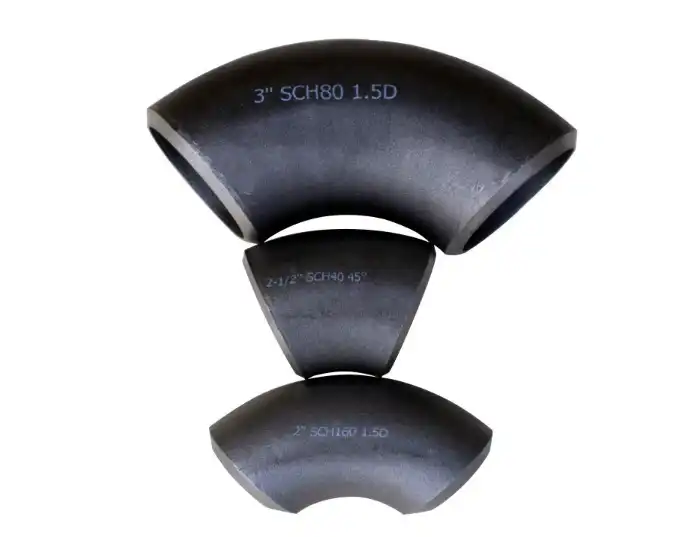
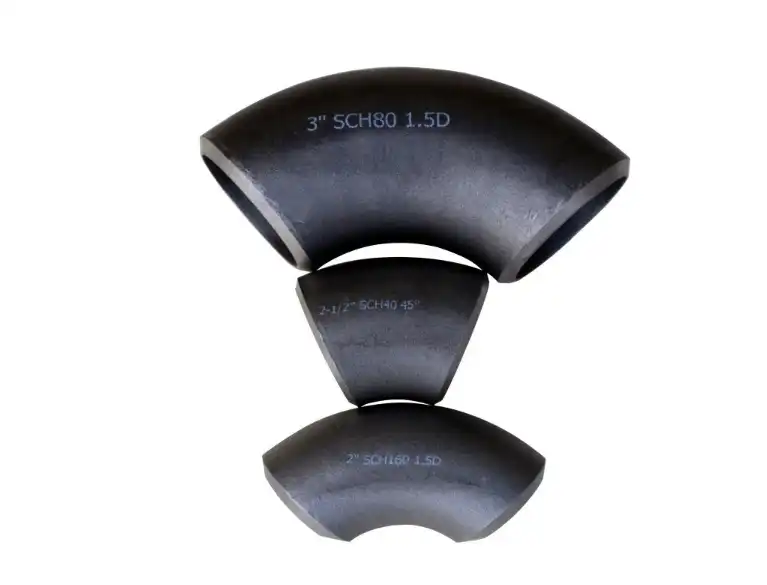
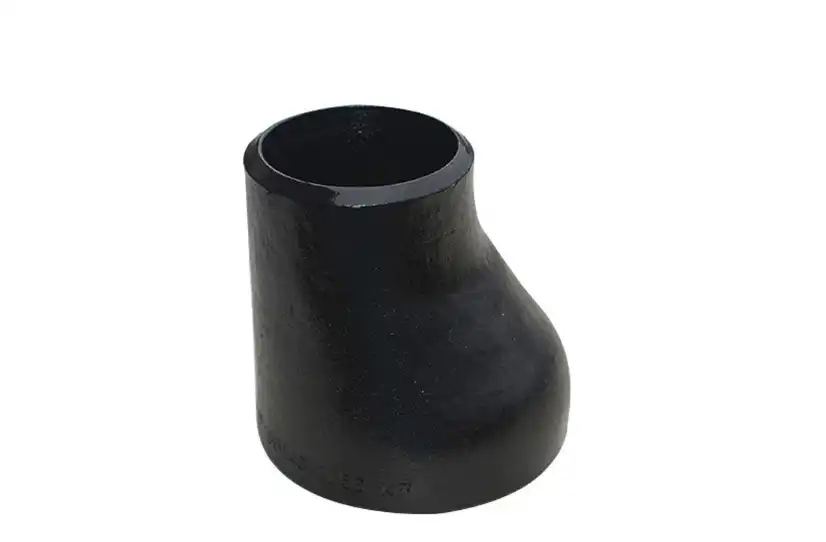
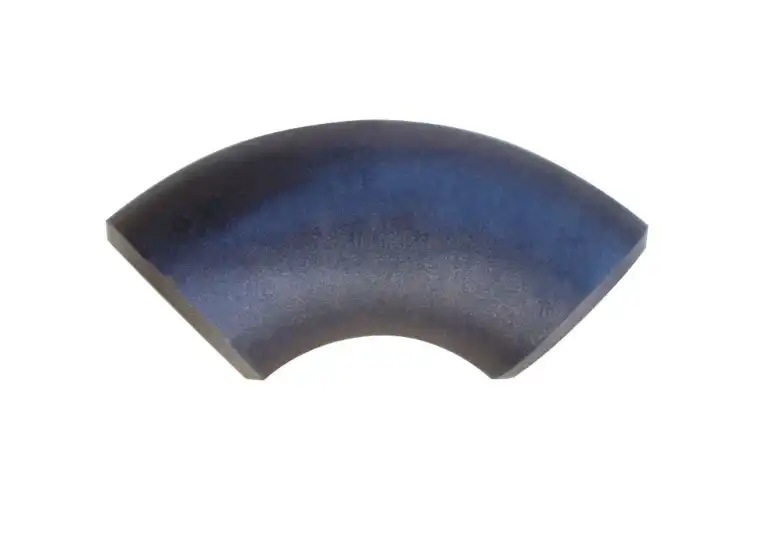
steel fittings operate safely at maximum temperatures up to 800°F (425°C) under standard pressure conditions. This carbon steel grade, widely specified for butt-weld pipe fittings, maintains its structural integrity and mechanical properties within the temperature range of -20°F to 800°F (-29°C to 425°C). The ASTM A234 WPB designation indicates a weldable (W), pressure-rated (P) carbon steel fitting in grade B, making it suitable for moderate to high-temperature applications in industrial piping systems where reliable performance is essential.
Understanding ASTM A234 WPB Steel and Its Temperature Range
According to ASTM A234 WPB steel, it is a carefully engineered carbon steel alloy made for use in pressure pipes. The chemical makeup usually has a maximum carbon content of 0.30%, a manganese content of 0.29 to 1.06%, and limited amounts of phosphorus and sulfur to make sure the best weldability and mechanical qualities. The material's thermal qualities come from its microstructural features, which don't change when the temperature goes up. The minimum tensile strength of about 485 MPa (70 ksi) stays the same across the permitted temperature range. This means that it can be used reliably at high temperatures for long periods of time.
Temperature Specifications and Limits
As a rule, ASTM A234 WPB fittings can be used in temperatures ranging from -20°F to 800°F (-29°C to 425°C). It took a lot of tests and studying how the material reacts to heat stress to come up with this number. After these points, the steel starts to lose some of its mechanical qualities, which could make the system less reliable.
During processing, heat treatment steps are very important for getting the best temperature performance. Normalized heat treatment improves the structure of the grains, which makes the material stronger and more stable at high temperatures. This process makes sure that parts keep their shape and ability to hold pressure even when they are heated and cooled many times.
Mechanical Behavior Under Thermal Stress
When carbon steel is heated to high temperatures, its mechanical properties change in ways that can be predicted. As the temperature goes up, the yield strength slowly goes down, but the flexibility may get better within the allowed range. Knowing these things about these things helps engineers make systems that take temperature growth and stress distribution into account.
Applications in industry show that the material is reliable in the real world. It has been shown that power companies that use ASTM A234 WPB fittings in steam systems that work at 750°F have great long-term success. In the same way, petrochemical plants that work with heated hydrocarbons depend on these valves for important pipe links where temperature stability is very important.
It's also important to pay attention to how the material reacts to changes in temperature. Repeated heating and cooling processes can cause fatigue, but ASTM A234 WPB steel is well able to fight thermal fatigue as long as it is used within certain limits.
Comparing ASTM A234 WPB with Other Pipe Fittings for Heat Resistance
When looking at how well different types of steel handle heat, ASTM A234 WPB is in the middle, between basic carbon steels and higher-alloy materials. Because of this, it is a good choice for uses that need reasonable temperature protection without having to pay more for exotic alloys.
The temperature range for ASTM A105 cast steel parts and ASTM A234 WPB is similar; both can be used up to 800°F. On the other hand, A105 is usually used for socket weld and threaded joints, while A234 WPB is made for butt-weld uses only. The ways they are made are different, and because they are smooth, A234 fittings often have better flow properties.
Performance Against Alloy Steel Alternatives
ASTM A234 WP11 is a step up in temperature range, and it can be used up to 1100°F (593°C). It is much more expensive to make this chrome-molybdenum alloy steel, but it is stronger at high temperatures. Even though it costs more, WP11 is the best choice for situations where temperatures are close to or above 850°F.
When made to ASTM A403 standards, stainless steel valves are very resistant to rust and can handle temperatures well above 800°F. But its thermal expansion properties are very different from those of carbon steel, so the system needs to be carefully designed to account for the different rates of expansion.
The comparison looks at more than just temperature values. It also looks at things like thermal conductivity, growth coefficients, and how stable something is over time. While some higher-alloy materials may necessitate more complex thermal analysis, ASTM A234 WPB offers expected thermal behavior that engineers can easily work into system designs.
ASME B16.9 Compliance and Standards Integration
Butt-welding fittings, including those made from ASTM A234 WPB steel, must meet the dimensions and testing standards set by ASME B16.9. This standard makes sure that products from different makers can work together, and it gives people who work in procurement trust in the accuracy of measurements and performance.
When ASTM material requirements are combined with ASME dimensional standards, a complete framework for describing parts is made. This standardization makes it easier to buy things all over the world and makes sure that parts from different sources will all work the same way in high-temperature situations.
Procurement Considerations for High-Temperature ASTM A234 WPB Fittings
When looking for ASTM A234 WPB fittings for high-temperature uses, you need to pay close attention to approval and quality checks. When parts will be used at temperatures close to their maximum, the buying process becomes more important because the quality of the materials used and the way they were made directly affect how reliable the system is.
Verification of a supplier's license is the basis of good buying. Look for companies that have ISO 9001:2000 quality management certification and licenses to make special tools. These certificates show that the seller has put in place quality control methods that can make sure that fittings always meet the standards of the specification.
Material test certificates (MTCs) are important proof of a substance's chemical makeup and mechanical features. For uses at high temperatures, make sure that test results are well within the acceptable range instead of just on the edge of the range. This method gives you an extra safety margin for tough business situations.
Quality Assessment and Performance Validation
As part of the quality review process, the methods for heat treatment and the ability to do non-destructive tests should be checked. Manufacturers who have high-tech tools for finding flaws can find possible problems that could hurt performance when exposed to heat. Ultrasonic testing, x-ray checking, and magnetic particle testing are all ways to make sure that the fitting is solid.
The changes in prices for parts that can withstand high temperatures are caused by both the cost of materials and the difficulty of making them. Most of the time, ASTM A234 WPB fittings are cheaper than high-alloy options. However, prices can vary a lot depending on the size, wall thickness, and approval needs. Buying in bulk can save you money, especially when it comes to standard designs used in big industrial jobs.
For unique uses or sizes that aren't normal, you may need custom options. Manufacturers with a lot of experience can help engineers make fitting designs that work best in certain heat situations. Working together makes sure that the parts not only meet the temperature standards but also work well with the design of the whole system.
Supplier Selection Criteria
When looking at possible providers, you should think about how much experience they have with high-temperature applications and how well they can help you technically throughout the project. Suppliers who have done a lot of exporting know the rules for quality around the world and can provide the paperwork needed for global projects.
Another important factor is production ability, especially for big projects that need to stick to regular release dates. Manufacturers whose annual production capacity is more than 16,000 tons usually have the tools they need to handle big orders while still meeting quality standards.
Best Practices for Handling and Installing ASTM A234 WPB at High Temperatures
As working temperatures get closer to the highest limits for ASTM A234 WPB steel, it becomes more important to follow the right steps for handling and installing it. These steps make sure that parts stay together for the whole time they're supposed to and work properly even when the temperature is very high.
Fittings should have been properly heat-treated and show no signs of damage from being moved or stored before they are installed. Checking for surface flaws, making sure the dimensions are correct, and making sure the markings are accurate are all important parts of a good fitting.
Heat Treatment Optimization
During production, heat treatment steps set the microstructural traits that determine how well something works at high temperatures. But if these qualities aren't carefully controlled, the installation process can change them. To make sure that heat-affected areas keep their good qualities, welding methods must be approved for the type of material and working conditions.
When parts will be used at high temperatures, there are stricter rules about how to heat up before welding. The warming temperature must be just right—high enough to keep the base material's features from changing if it cools too quickly. Welding processes that are qualified should spell out the exact temperatures and ways to measure them.
Post-weld heat treatment might be needed in some situations, especially when thick-wall parts are used or when the service condition is very important. This process gets rid of any remaining stresses and can make welding parts more thermally stable overall.
Installation Guidelines for Thermal Management
When pipes are working at high temperatures, they need support and control methods that work right. To account for thermal expansion, designs must include expansion joints, loops, or other elements that keep fittings from being overly stressed. The support space should take into account the fact that the modulus of flexibility drops when the temperature goes up.
To avoid thermal shock and make sure temperatures are spread evenly, insulation work needs to be done with great care. If you don't have enough insulation, temperature differences can cause thermal stress, and if you don't put it right, moisture can build up and speed up rusting.
When the system is first turned on, the temperatures should be raised slowly so that the parts can reach a stable state before the system is ready to use. Rapid changes in temperature can cause thermal shock, which can damage the stability of fittings, especially in systems with complicated shapes.
Protocols for regular repair help find possible problems before they become major ones. Schedules for inspections should be based on how hard the system is being used, with more frequent checks for systems that are close to their maximum temperature limits. Non-destructive testing methods can find cracks or other signs of damage that might not be apparent during regular checks.
Company Introduction and Product Solutions
Since 1998, Cangzhou Oudi Pipe Manufacture Co., Ltd. has been a leader in making high-quality ASTM A234 WPB pipe fittings, becoming very good at making parts that are specifically designed for tough high-temperature uses. Our building is in Mengcun, China, which is known as the fittings manufacturing hub of the world. It's 66,600 square meters and has high-tech production tools that can meet the strictest quality standards for temperature-critical purposes.
Our large selection of products includes all pipe parts made to American, Japanese, German, and British standards out of carbon steel, stainless steel, and alloy steel. We can make 16,000 tons of steel every year, which means we can reliably serve large-scale industrial projects and still be able to meet the unique needs of high-temperature applications.
Quality Assurance and Certification Excellence
Our high-temperature fitting solutions are based on a quality management system that is ISO 9001:2000 approved and a production license for special equipment from the People's Republic of China. These certifications show that we are dedicated to keeping strict quality control throughout the whole production process, from checking the raw materials to testing the finished product.
All ASTM A234 WPB valves that are going to be used at high temperatures are inspected thoroughly and tested without damaging them as part of our quality control system. Modern testing tools, like ultrasound testing systems and radiographic inspection tools, make sure that every part meets the exact standards needed for long-lasting performance under heat stress.
Our production processes use heat treatment methods that are especially designed to get the most out of ASTM A234 WPB steel's high-temperature properties. Our technical team keeps an eye on these processes and makes changes all the time to make sure that all output batches have the same mechanical traits and thermal stability.
Global Service and Technical Support
We have a lot of experience exporting, having worked with over 300 customers in over 40 countries. This has helped us learn a lot about the different needs of foreign high-temperature pipe projects. Because we look at things on a global scale, we can give expert advice that takes into account both local working conditions and international quality standards.
In addition to delivering products, the company is committed to helping customers by giving them technical advice on how to choose materials and make the best use of systems. Our technical team works closely with engineers and people who work in procurement to make sure that the ASTM A234 WPB fitting specs match the temperature needs and performance standards.
Conclusion
Understanding that ASTM A234 WPB steel can withstand temperatures up to 800°F (425°C) is important for choosing the right material for industrial pipe uses. This grade of carbon steel is a great mix of efficiency, cost-effectiveness, and dependability for use in mild to high temperatures.
The in-depth study of thermal properties, performance differences, and purchasing options shows that ASTM A234 WPB fittings can meet the needs of most industrial uses as long as they are properly defined and fitted. To be successful, you need to carefully choose your suppliers, check the quality of the products, and place them using tried-and-true methods that keep the material's thermal performance.
FAQ
What is the exact maximum operating temperature for ASTM A234 WPB steel?
Fittings made of ASTM A234 WPB steel can work continuously at temperatures up to 800°F (425°C). This temperature limit is set by how long the material can stay exposed to high temperatures without losing its mechanical features or structural stability.
How does heat treatment affect the temperature rating of ASTM A234 WPB fittings?
The grain of ASTM A234 WPB steel is optimized through heat treatment methods, especially normalization, so it can withstand the highest temperatures. When parts are heat-treated correctly, they can safely work at their rated temperature and keep their shape and ability to hold pressure.
Can ASTM A234 WPB fittings be used in corrosive high-temperature environments?
ASTM A234 WPB steel is pretty resistant to rust in normal conditions, but it might not be the best choice for highly acidic conditions at high temperatures. For these uses, you might want to switch to stainless steel or another metal that is immune to rust and is made for the specific corrosive media.
What happens if ASTM A234 WPB steel operates above its maximum temperature rating?
When something is used at temperatures above 800°F (425°C), its material properties can change, rust rates can go up, and its shape could become unstable. Long-term exposure to high temperatures can cause creep warping and early failure, which can make the system less safe and reliable.
How do thermal expansion characteristics affect ASTM A234 WPB fitting installations?
The rate at which ASTM A234 WPB steel expands and contracts is about 6.5 × 10⁻ per °F. Proper system design, such as expansion joints, pipe loops, or flexible supports, must allow for this growth in high-temperature setups so that fittings don't have to handle too much stress.
Contact Oudi for Your High-Temperature ASTM A234 WPB Requirements
With our ASTM A234 WPB fitting options, you can get expert advice on how to use them in temperature-critical situations. The technical team at Oudi has decades of experience with high-temperature pipe systems. They can make suggestions that are both the most effective and cost-effective for your specific working conditions. With our wide range of products, ISO 9001:2000 certification, and special equipment production licenses, we can guarantee a steady supply of high-quality fittings that can handle harsh thermal conditions. We are a reliable ASTM A234 WPB supplier with experience working with products all over the world. We offer cheap quotes, full technical specs, and material certifications that are specific to your project needs. Get in touch with our engineering experts at oudi-04@oudiguandao.com to talk about your high-temperature needs and find out how our quality-driven method can make your system more reliable while still meeting international standards for safety and thermal performance.
References
1. ASTM International. "ASTM A234/A234M Standard Specification for Piping Fittings of Wrought Carbon Steel and Alloy Steel for Moderate and High Temperature Service." Annual Book of ASTM Standards, Vol. 01.01.
2. American Society of Mechanical Engineers. "ASME B16.9 Factory-Made Wrought Butt-Welding Fittings." ASME Boiler and Pressure Vessel Code.
3. Mills, K. "High Temperature Properties of Carbon Steel Piping Materials." Journal of Pressure Vessel Technology, Vol. 142, No. 3.
4. Thompson, R.A., and Johnson, M.B. "Thermal Performance Analysis of ASTM A234 Steel in Industrial Applications." Materials Science and Engineering Reports, Vol. 89.
5. International Association of Piping Engineers. "Guidelines for High-Temperature Carbon Steel Fitting Selection and Installation." Technical Publication Series, No. 156.
6. Zhang, L., and Peterson, J.C. "Comparative Study of Carbon Steel Grades for Elevated Temperature Service." Industrial Materials Review, Vol. 28, No. 4.

Need help finding the right solution with our experts. Please contact us.

SINCE 1998 Your Reliable Pipeline Manufacturer