Best Carbon steel elbow supplier for Industrial Applications
Finding the right Carbon steel elbow supplier affects the safety of long-term operations in industrial pipe systems and the time it takes to finish projects. Carbon steel elbows are the connecting parts of complicated pipeline networks. They direct flow, make room for other pipes, and can handle high pressures in places like oil refineries, chemical plants, and power plants. For procurement managers and engineers, it's not enough to just find a provider; they need to find one that regularly provides approved goods, keeps quality control strict, and knows the legal needs of global industrial markets.
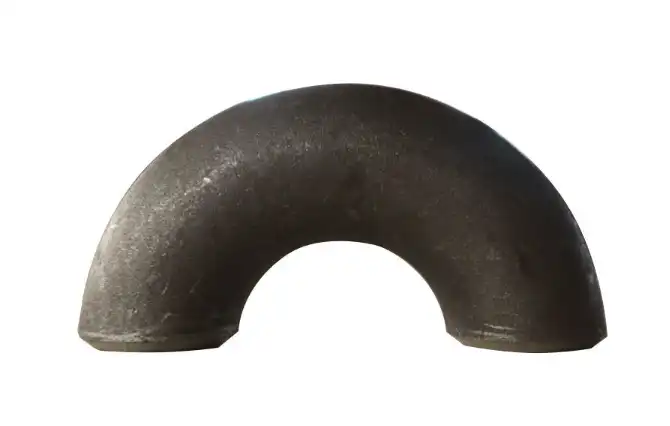
Understanding Carbon Steel Elbows for Industrial Use
Definition and Core Characteristics
Carbon steel elbows change the direction of pipe runs at certain angles, usually 45 or 90 degrees. This keeps the flow going smoothly while changing to space needs. These parts have a fixed amount of carbon in them, which gives them strength without the high cost of stainless steel or other rare metals. The make-up of the materials makes them especially good for uses where non-corrosive fluids are present, temperatures are mild, and there is high pressure and the structure must remain intact.
Good carbon steel elbows are different because they are accurate in size and consistent in how they are made. We make these parts using hot forming methods, like hot pushing and hot heating bending, which make molecular structures that don't crack under stress. The way the product is made directly impacts its performance. For example, hot-formed elbows have higher pressure values than machine-formed ones.
Types and Manufacturing Classifications
The industrial market divides things into several clear groups based on how they are connected and how they are made. Butt-welded elbows, which come in both seamless and welded styles, are the most common type used in heavy industry because they can handle high pressures. When you make seamless elbows from solid pipe stock, you don't have to worry about weld seams that can break in harsh conditions. For lower-pressure systems where the longitudinal seam doesn't put safety at risk, welded elbows are cheaper.
Socket-welded elbows are easier to place in smaller diameter situations, while threaded elbows are better for systems that need to be taken apart often. For American markets, we make all three types of connections to ASTM A105 standards, with threads that meet ASME B1.20.1 requirements. The definition of radius—short radius vs. long radius—affects how the flow works and how much room is needed. Long radius versions reduce noise and pressure drop in important flow systems.
Industry Specifications and Material Grades
Carbon steel pipe elbows have to follow strict international rules about their chemical make-up, mechanical properties, and size tolerances. The basic standard for pipe valves is ASTM A234, and the WPB type is the material that works best at temperatures from -29°C to 400°C. This grade has the right amount of carbon, manganese, phosphorus, and sulphur to make it strong and easy to weld.
Our factory keeps its ISO 9001:2000 certifications up to date and has special equipment production licenses from the government. These credentials aren't just for looks; they're part of quality control systems that have been checked and can be used to track materials from mill licenses to final review. Every batch of products we make goes through full inspection protocols and nondestructive testing to make sure they meet ANSI, JIS, DIN, and BS standards, depending on where they are going.
Performance Benefits in Industrial Applications
There are measured benefits to using Carbon steel elbow supplier carbon steel elbows that make them a good choice for big businesses. The material has a very high tensile strength, usually more than 415 MPa for ASTM A234 WPB grade. It can handle pressure spikes and mechanical forces that would bend smaller materials. Durability means longer service life in rough uses, which means fewer replacements and lower costs for downtime.
When choosing materials for big projects, cost-effectiveness is still very important. It is 60–70% cheaper to use carbon steel than stainless steel, and it works just as well in non-corrosive environments. With a production capacity of 16,000 tonnes per year, we can offer volume discounts that help projects stay within their budgets without lowering the quality standards. The ability to weld the material makes installation easier, which cuts down on labour costs and project timelines, which is very important when managing complicated building plans.
Key Factors to Consider When Choosing a Carbon Steel Elbow Supplier
Certification Verification and Standards Compliance
Trustworthy suppliers keep third-party certifications that prove their quality management systems and production skills. Getting ISO 9001 approval shows that you have an organised way of controlling processes, managing documents, and making improvements all the time. We've had this approval since we put in place strict quality control measures that start with checking the raw materials that come in and end with testing the finished product.
In businesses that are controlled, licenses to make special tools are very important. These licenses from the government show that the factories that make pressure tank and pipe parts meet safety and technical standards. When evaluating possible suppliers, ask for up-to-date certification documents and check with the groups that issued them to make sure they are real. Real certificates have registration numbers, scope statements, and expiration dates that can be checked on their own.
Material Quality and Grade Selection
The chemicals that make up carbon steel have a direct effect on how well it works and how long it lasts. The ASTM A234 WPB grade has carefully balanced amounts of carbon, manganese, and minor elements that make it strong and easy to weld. We only buy raw materials from approved mills that give us material test results that show chemical analysis and testing of mechanical properties.
Traceability systems use heat numbers to connect produced goods to the materials they came from. This paperwork is very important when projects need material clearance packages that show they meet the requirements. As part of our quality control procedures, we test samples from each production batch and look at them under a spectrometer. This creates a chain of custody that can be checked and meets the strictest project requirements.
Product Range and Specification Capabilities
Full product catalogues show how technically advanced and flexible a company is when it comes to making things. We make carbon steel elbows in sizes from 1/2 inch to 48 inches, and the wall thickness ranges from SCH 10 to SCH 160. This range can be used for many different things, from low-pressure building services to high-pressure chemical handling equipment.
In addition to standard configurations, suppliers who can meet specific needs can be told apart by their customisation options. We make reducing joints that go from one pipe size to another, so you don't have to buy separate reducer fittings. Standard 45-degree and 90-degree fits can't work with certain space limitations, but custom angle elbows can. Manufacturing agility is shown by being able to meet non-standard requirements without long lead times or minimum order quantities. This helps meet the needs of specific projects.
Supply Chain Reliability and Production Capacity
Suppliers can fill orders without missing delivery dates as long as their output capacity stays the same. Our annual production of 16,000 tonnes supports both large EPC projects and long-term supply agreements with distributors. This ability comes from the fact that our factories are ideally placed in Cangzhou, close to major transportation networks that make sending to Tianjin Port easy.
Predictable lead times are just as important as output quantities. We keep extra raw materials on hand in case there are problems in the supply chain. This lets us confidently stick to delivery dates. Our production planning systems organise the steps needed to make things so that orders are filled as quickly as possible while still following the rules for quality control. When looking at different providers, find out how many orders they have waiting to be filled, how long the lead times are for standard and special goods, and how often they deliver on time.
Carbon Steel Elbow vs Alternatives: Making the Right Choice
Carbon Steel vs Stainless Steel Performance
When choosing materials, you have to balance the need for efficiency with the available cash. Carbon steel is best used in dry or non-corrosive conditions because it has the best strength-to-cost ratio. Stainless steel is needed when process fluids contain acidic elements, when installations are outside and will be wet, or when standards for food or medicine are in place.
In large-scale projects, the difference in cost often determines the choice of material. Carbon steel elbows are usually 40–60% cheaper than stainless steel parts of the same type. This can save a lot of money on projects that need a lot of connections. Because it is cheaper, carbon steel is the material of choice for systems that process hydrocarbons, distribute steam, and treat water, as long as the risk of rust can be controlled with coats or cathodic protection.
Elbows vs Pipe Bends: Understanding the Distinction
These words from a Carbon steel elbow supplier seem to mean the same thing, but they actually refer to different ways of making things that are different in their own ways. Elbows are factory-formed parts that are made to exacting standards for size and pressure. Field bending operations take straight sections of pipe and bend them into different angles. When you curve an elbow, the wall width stays the same, but when you bend something, the material thins on the outside radius and thickens on the inside radius.
For pressure systems that need to work in a reliable way, factory-formed joints with approved pressure values are needed. Field bending can't match the regular metallic qualities and physical tolerances that are made by controlled production. Once we start making elbows, we use hot forming methods that keep the structure strong and avoid work hardening that can happen when cold bending is used.
Seamless vs Welded Elbow Comparison
Although seamless elbows cost more, they are more reliable in important service uses. Since there are no joint gaps, there are no weak spots where stress or rust could cause the structure to break. We use rotary piercing to make seamless elbows from solid pipe stock. This creates uniform material structures that can handle high temperatures and pressures.
When the lengthwise joint doesn't put safety at risk, welded bends work well in certain situations. With modern welding techniques and heat treatment after the weld, seams are made that are almost as strong as the original material. These fittings are more cost-effective for large-diameter, low-pressure systems where making smooth pipes would be too expensive. If you know your system's pressure classification and consequence-of-failure risk, you can decide if the extra cost of seamless construction is worth it.
Corrosion Resistance and Pressure Rating Considerations
The type of material used and the factors of the process determine which grade of carbon steel to use. Standard ASTM A234 WPB grade works well in controlled factory settings with little contact to corrosives. Adding chromium or molybdenum to enhanced types makes carbon steel more resistant to rust while keeping its lower cost compared to stainless steel.
Ratings for pressure depend on the temperature, wall thickness, and diameter. According to ASTM A105 standards, the pressure classes for the elbows we make range from 150# to 2500#, and threaded joints can handle up to 2000#. Higher pressure classes need walls that are proportionally thicker and stricter checking procedures. Our engineering team can give you pressure-temperature rating charts that will help you choose the right products for your needs.
How to Evaluate and Compare Carbon Steel Elbow Suppliers Effectively
Pricing Models and Total Cost Analysis
Price comparisons at the surface level often lead to bad purchasing decisions because they don't take into account differences in quality and hidden costs. We don't just compete on price; our prices are based on actual manufacturing costs, the grade of the raw materials, and the cost of certification. People who are trying to save money may find that cheap products don't pass inspection, arrive broken, or need to be replaced within the warranty period, which ends up costing more than properly made alternatives.
Supplier Reputation and Industry Standing
In the pipe fittings business, longevity means stable operations and happy customers. Carbon steel elbows have been made by us since 1998, and we have over 300 users in Europe, North and South America, Africa, Southeast Asia, and the Middle East. This range of locations shows that we can meet different international standards and adjust to different regulatory environments.
Technical Support and Engineering Assistance
For complicated projects to work, they need suppliers who can do more than just fill orders. Before manufacturing starts, our engineering team looks over the system specs, suggests the right grades and configurations, and finds any problems that might come up. This consultative method stops mistakes in design that could be very expensive and might not be seen until the project is installed or commissioned.
Certification Documentation and Quality Assurance
Full material certification packages from a Carbon steel elbow supplier come with all the paperwork that controlled businesses and quality-conscious customers need. We offer mill test reports that show how raw materials were sent to certified steel producers, dimensional inspection reports that show if the product meets the tolerances set by the specification, and nondestructive testing certificates that show the results of an ultrasonic or radiographic examination.
Procurement Best Practices for Buying Carbon Steel Elbows Online and Offline
Requesting Accurate Quotations
Asking for quotes that are very specific can help avoid confusion and make price comparisons more useful. Name the type of material, the production standard, the size standards, the pressure number, the connection type, and any approvals that are needed. When requirements aren't clear, providers will offer the cheapest goods, which can be confusing when the given items don't meet standards.
In your request, you should say where you want the item delivered, when you need it, and how you want it packaged. We've seen projects get behind schedule because suppliers offered good prices but couldn't get goods to remote locations or didn't properly protect them during shipping. When you give us clear specs, we can give you accurate prices that keep you from being surprised by extra costs or delays during fulfilment.
Negotiating Bulk Orders and Project Terms
Volume commitments unlock pricing advantages that benefit both parties. We offer graduated pricing that rewards larger orders while maintaining profitability to support quality manufacturing. Project-based procurement allows us to optimize production scheduling, reducing setup times and material waste that translate to cost savings we can share with customers.
Payment terms and delivery schedules require negotiation that balances buyer cash flow concerns with supplier financial risk. We typically structure milestone-based payments for large projects, aligning payment events with material procurement, production completion, and shipment milestones. This approach provides working capital for manufacturing while protecting buyers from prepaying for undelivered products.
Certification and Traceability Requirements
Industries subject to regulatory oversight require comprehensive documentation proving product conformance. Nuclear power, pressure vessel, and offshore oil applications demand material traceability, certified mechanical properties, and impact testing data. We maintain documentation systems that preserve certification packages throughout the supply chain, delivering complete traceability from steel mill to installation site.
Third-party inspection services provide independent verification when projects require additional quality assurance. We accommodate inspections by recognized agencies, coordinating factory visits during production and facilitating witness testing of critical properties. Building inspection costs into procurement budgets prevents disputes when buyers and suppliers disagree about conformance.
Logistics Coordination and Delivery Planning
Shipping arrangements significantly impact total costs and schedule adherence. We coordinate container loading to maximize utilization, reducing per-unit freight costs through efficient packaging. Our proximity to Tianjin Port enables flexible shipping schedules that align with project timelines rather than fixed sailing dates that could delay urgent orders.
International shipments require coordinated documentation for customs clearance and import compliance. We prepare commercial invoices, packing lists, certificates of origin, and other documents according to destination country requirements. This expertise prevents shipment delays at borders—a common pitfall when working with suppliers unfamiliar with specific customs procedures.
Conclusion
Selecting the right carbon steel elbow supplier determines whether your project proceeds smoothly or encounters delays, quality issues, and budget overruns. The evaluation process extends beyond comparing prices to assessing certifications, manufacturing capabilities, and supply chain reliability. Reputable suppliers demonstrate their commitment through internationally recognized quality systems, comprehensive product ranges, and technical support that addresses your specific requirements.
We've built our reputation over 25 years by delivering consistent quality, maintaining certifications that meet global standards, and supporting customers from initial inquiry through project completion. Our manufacturing capacity and diverse product range serve industries from petroleum to power generation, backed by documentation that satisfies the most demanding procurement standards. The suppliers you choose become partners in your project success—select ones who understand that relationship extends beyond a single transaction.
FAQ
What are standard dimensions for carbon steel elbows?
Carbon steel elbows are manufactured in sizes from 1/2 inch through 48 inches in diameter, following ASME B16.9 dimensional standards. Wall thickness ranges from Schedule 10 through Schedule 160, with XXS (double extra strong) available for specialized applications. Long radius elbows maintain a centerline radius of 1.5 times the nominal pipe diameter, while short radius elbows use a 1.0 multiplier. These standardized dimensions ensure compatibility with pipe and other fittings across manufacturers.
How do I verify supplier certifications?
Request copies of ISO 9001 certificates, special equipment manufacturing licenses, and any industry-specific certifications relevant to your application. Verify certificate validity by checking registration numbers with issuing bodies—legitimate certifiers maintain online databases for authentication. Ask for recent audit reports that document conformance to certified standards. We provide complete certification documentation with quotes and maintain current certificates accessible for customer verification throughout the procurement process.
Can carbon steel elbows be customized for special applications?
Customization options include non-standard angles, reducing configurations that transition between different pipe sizes, special radius requirements, and enhanced material grades. We manufacture custom specifications when standard catalog items don't address unique design constraints. Minimum order quantities for custom products vary based on complexity but remain accessible for most project-scale requirements. Technical drawings and performance specifications help our engineering team evaluate feasibility and provide accurate quotations for specialized configurations.
Partner with Oudi for Certified Carbon Steel Elbows
Oudi has manufactured premium carbon steel elbows since 1998, serving over 300 customers across 40 countries with products that meet ASTM, ASME, DIN, and JIS standards. Our ISO 9001-certified facility in Cangzhou produces 16,000 tons annually, offering comprehensive product ranges from standard configurations to custom specifications. We maintain special equipment manufacturing licenses and implement full inspection protocols that ensure every elbow meets documented specifications. Our engineering team provides technical support throughout the procurement process, helping you specify appropriate grades, pressure ratings, and configurations for your specific applications. Whether you're sourcing for a single project or establishing a long-term supply agreement, we offer competitive bulk pricing with delivery reliability that keeps your construction schedules on track. Contact our team at oudi-04@oudiguandao.com to discuss your requirements with a carbon steel elbow supplier and manufacturer that understands the quality, certification, and service standards your projects demand. We'll provide detailed quotations, complete material specifications, and delivery timelines tailored to your procurement needs.
References
1. American Society for Testing and Materials. (2021). ASTM A234 Standard Specification for Piping Fittings of Wrought Carbon Steel and Alloy Steel for Moderate and High Temperature Service. West Conshohocken, PA: ASTM International.
2. American Society of Mechanical Engineers. (2020). ASME B16.9 Factory-Made Wrought Buttwelding Fittings. New York, NY: ASME Press.
3. Davis, J. R. (Ed.). (2006). Piping Systems and Pipeline Materials: Selection, Design, Application. Materials Park, OH: ASM International.
4. Nayyar, M. L. (2019). Piping Handbook (8th ed.). New York, NY: McGraw-Hill Education.
5. Peckner, D., & Bernstein, I. M. (1977). Handbook of Stainless Steels. New York, NY: McGraw-Hill.
6. Singh, R., & Khamba, J. S. (2012). Comparative Analysis of Carbon Steel Pipe Fittings in Industrial Applications. International Journal of Engineering Research and Technology, 1(5), 234-248.

Need help finding the right solution with our experts. Please contact us.

SINCE 1998 Your Reliable Pipeline Manufacturer



