Best High-Temperature Carbon Steel Elbow for Industrial Piping
The correct pipe fitting is generally high on the list of engineers and procurement managers when it comes to high-temperature carbon steel elbows. This kind of elbow controls fluid flow across bends of 45°, 90°, or 180° while withstanding extreme heat and pressure. You may find these fittings in some of the most demanding settings on the globe, from oil refineries to power production facilities. Choosing the incorrect one might jeopardize system safety. Opting for the correct one – a trusted manufacturer – guarantees non-stop functioning.
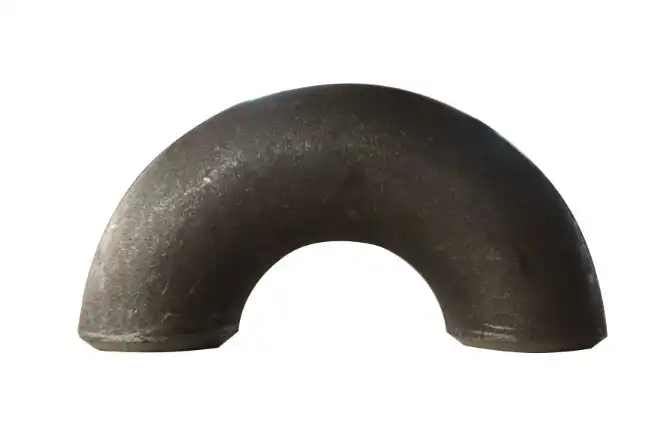
Understanding High-Temperature Carbon Steel Elbows
What They Are and Where They're Used
A carbon steel pipe elbow is used to alter the direction of flow in a piping system. These elbows are used in high-temperature applications to transmit steam, hot oil, or process gases at increased pressures. Typical industries include oil and gas extraction, chemical processing, water treatment infrastructure, and boiler systems. The fitting requirements vary with various applications, so the material selection and dimensional precision are both of great importance.
Key Specifications and International Standards
The majority of industrial purchasers in the United States call for elbows to ASME B16.9 for butt weld fittings or ASME B16.11 for socket weld types. Material grades such as ASTM A234 WPB are rated for duty up to about 800°F (427°C), whereas ASTM A234 WP11 and WP22 alloy grades are suitable for service to approximately 1,100°F (593°C). Wall thickness schedules – Sch 40, Sch 80, Sch 160 determine pressure capacity. Picking the proper timetable for system pressure class averts premature failure and expensive downtime.
Temperature and Pressure Ratings at a Glance
Below is a simplified reference for common grades:
| Material Grade | Max Temperature | Typical Pressure Class |
|---|---|---|
| ASTM A234 WPB | ~800°F (427°C) | 150–2500# |
| ASTM A234 WP11 | ~1050°F (565°C) | 150–2500# |
| ASTM A234 WP22 | ~1100°F (593°C) | 150–2500# |
These ratings guide initial specification, though final selection should always reference project-specific codes and engineering calculations.
How High-Temperature Carbon Steel Elbows Are Made and Tested
Seamless vs. Welded Production Methods
Seamless high-temperature carbon steel elbows are produced from solid billets and hot-formed into the shape with no weld junction. This method results in a uniform wall thickness and avoids the danger of seam collapse with pressure cycling or heat stress. Welded elbows, made from plate or strip and seam welded, are usually cheaper and may be used for lower pressure applications. Seamless construction is the material of choice for experienced engineers for high-temperature, high-pressure operation — steam lines, refinery process pipes.
Quality Assurance and Non-Destructive Testing
Responsible producers have a thorough inspection chain. Once raw materials reach Oudi’s plant, they are checked for chemical composition before any manufacturing occurs. During forming, dimensional tests are done to verify wall thickness and bend radius limits. Finished elbows are subjected to non-destructive testing (NDT) such as ultrasonic testing (UT) and magnetic particle inspection (MT) and hydrostatic pressure testing to ensure leak-free operation. This end-to-end inspection system is manufactured with Oudi's ISO 9001:2000 quality management certification and People's Republic of China special equipment production license.
Certifications That Matter to Buyers
Certification is not just a paper — it is proof of process discipline. Oudi is ISO 9001:2000 certified and has the PRC Special Equipment Manufacturing License. Both demand documented processes at every step of manufacturing. Products built within these frameworks may also be made to ANSI, DIN, JIS, and BS standards, offering foreign purchasers in Europe, North America, and Southeast Asia the compliance paperwork their projects need.
Choosing the Best High-Temperature Carbon Steel Elbow for Your Industrial Needs
Comparing Material Grades for Specific Services
Carbon steel elbows offer an economical solution for most steam and hydrocarbon services below 800°F. When process temperatures climb higher or corrosive media are present, alloy steel grades (WP11, WP22) extend service life without the price jump associated with stainless steel. Stainless steel elbows suit chloride-containing or highly corrosive streams but cost two to four times more per unit. For budget-conscious EPC contractors and plant operators, carbon and alloy steel elbows deliver the best balance of performance and cost across the widest range of industrial applications.
Seamless vs. Welded: What Installation Teams Need to Know
Here are the core differences that affect purchasing decisions:
- Seamless elbows carry no weld seam, which means uniform material properties around the bend. They handle rapid pressure fluctuations and thermal cycling better, reducing maintenance intervals in steam boiler and power generation systems.
- Welded (ERW) elbows cost less and are adequate for water distribution and lower-temperature chemical lines. They require more thorough weld inspection before installation in critical services.
- Long radius (LR) vs. short radius (SR): LR elbows (centerline radius = 1.5× pipe diameter) reduce pressure drop and turbulence. SR elbows fit tighter spaces but increase flow resistance.
Selecting the right type from the start reduces rework costs and improves long-term system reliability.
Matching Dimensions to Project Requirements
Oudi makes elbows from ½ inch to 72 inches in diameter in a wide variety of wall schedules. Procurement teams ordering for major projects like being able to deal with one supplier that can provide whole bills of materials — elbows, flanges, tees, reducers — all under one quality system. This lessens the burden on supplier management and maintains documents traceable to a single source.”
Procurement Guide: How to Buy High-Temperature Carbon Steel Elbows Efficiently
Qualifying a Supplier Before Placing an Order
Prior to any purchase, industrial buyers must confirm four things about any high-temperature carbon steel elbow vendor they consider: valid ISO 9001 certification, a special equipment manufacturing license (for pressure-rated components), proven export experience to the buyer’s target region, and the ability to meet project deadlines. Since 1998, Oudi has supplied more than 300 clients in more than 40 countries. Oudi has an annual production capacity of 16,000 metric tons, and the manufacturing scale can meet both spot orders and major project needs.
Pricing, Lead Times, and Bulk Orders
Carbon steel butt-weld elbow prices depend on material grade, wall schedule, and order quantity. Stock goods are standard WPB elbows in popular sizes (2”–12”) and arrive in 2–4 weeks. Custom dimensions or specific alloy grades take 4 to 8 weeks, depending on availability of raw material. Bulk purchase agreements may cut unit cost by 10–20%, which is important for EPC contractors managing tight project budgets. Contact Oudi’s sales team early in the project cycle to ensure precise lead time planning and competitive pricing.
Logistics and International Shipping Considerations
Oudi’s plant is situated in Cangzhou, China, about 120 km from Tianjin Port, one of the major cargo ports in northern China. Its location offers reduced transit times to the key maritime routes to North America, Europe, and Southeast Asia. As a matter of course, mill test reports, certificates of compliance, packing lists, and other export papers are generated for each order to adhere to foreign shipping standards.
Conclusion
In industrial pipe systems, selecting a suitable high-temperature carbon steel elbow is a crucial step in guaranteeing that the system functions efficiently and safely. Most industrial uses of ASTM and ASME standard carbon and alloy steel elbows are economically feasible. Since 1998, Oudi has earned its name across the world, supplying approved fittings, validated by inspections, to customers on four continents. Oudi has a full product portfolio and an annual production capacity of 16,000 tons, supporting projects of any size, from single-plant renovations to multi-site infrastructure operations.
FAQ
1. What temperature range can a carbon steel pipe elbow handle?
Standard ASTM A234 WPB elbows are rated for continuous service up to approximately 800°F (427°C). For higher temperatures, alloy steel grades such as WP11 (up to 1,050°F / 565°C) and WP22 (up to 1,100°F / 593°C) are more appropriate. Always confirm the specific rating against your system's design pressure and temperature with a qualified engineer.
2. When should I choose seamless over welded construction?
Choose seamless construction for high-pressure steam lines, boiler systems, refinery process piping, and any service that involves frequent thermal cycling or pressure fluctuations. Welded elbows are acceptable for lower-pressure water or utility services where seam integrity is less critical.
3. What factors influence the price of a custom elbow order?
The three primary cost drivers are material grade (carbon vs. alloy vs. stainless), wall schedule (heavier walls require more material and machining time), and order quantity. Custom dimensions outside standard ASME B16.9 sizes also add tooling and setup costs. Providing full specifications upfront helps suppliers generate accurate quotes faster.
4. How long does delivery typically take for bulk orders?
Standard grades in common sizes generally ship within 2–4 weeks. Alloy grades or non-standard specifications typically require 4–8 weeks. Confirming specifications early and placing orders ahead of project milestones helps avoid schedule delays.
Partner with Oudi for Your Next High-Temperature Piping Project
Oudi has supplied certified carbon steel elbow fittings to industrial clients across 40+ countries since 1998. Our ISO 9001-certified production, 16,000-ton annual capacity, and full product range — including flanges, tees, and reducers — make us a dependable high-temperature carbon steel elbow supplier for projects of any scale. Contact our team today for a competitive quote tailored to your specifications. Reach us at oudi-04@oudiguandao.com.
References
1. ASME B16.9 – Factory-Made Wrought Buttwelding Fittings, American Society of Mechanical Engineers, 2018.
2. ASTM A234/A234M – Standard Specification for Piping Fittings of Wrought Carbon Steel and Alloy Steel for Moderate and High Temperature Service, ASTM International, 2022.
3. Nayyar, M. L. – Piping Handbook, 7th Edition, McGraw-Hill, 2000.
4. Becht, C. – Process Piping: The Complete Guide to ASME B31.3, ASME Press, 2009.
5. Pipe Fittings — Industrial Applications and Standards, The Valve & Fitting Industry Magazine, 2021.
6. Engineers Edge – Carbon Steel Pipe Fittings Material Properties and Temperature Ratings, Engineering Reference Publication, 2020.

Need help finding the right solution with our experts. Please contact us.

SINCE 1998 Your Reliable Pipeline Manufacturer



