Best High Temperature Pipe Tee for Steam and Process Lines
When operating steam systems at 600°C or chemical process lines handling volatile hydrocarbons, the right high temperature pipe tee becomes the backbone of your entire operation. These specialized T-shaped fittings enable secure fluid branching in environments where conventional carbon steel would fail catastrophically within hours. Engineered from Chrome-Molybdenum alloys like ASTM A234 WP91 or high-grade stainless steels such as 310S, high temperature pipe tees resist creep deformation, oxidation scaling, and thermal fatigue that plague standard fittings. For purchasing managers and engineers overseeing power generation, petrochemical refineries, or heavy industrial installations, selecting the optimal tee directly impacts system uptime, safety compliance, and long-term operational costs.
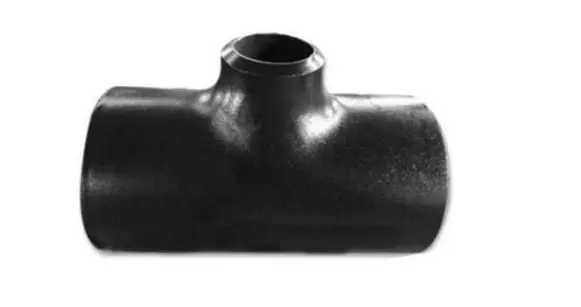
Comparing High Temperature Pipe Tees: Making the Right Choice
The first and most important step in making a purchase is to differentiate between fitting types and materials. The differences go beyond just temperature ratings and include things like how they rust, how often they need to be maintained, and how much they cost to own in total, all of which have a big effect on project budgets.
High Temperature vs. Standard Pipe Tees
Standard pipe tees made from basic carbon steel work great in HVAC systems, water distribution, and low-pressure situations where the temperature is less than 200°C. But putting them in a steam system causes them to break down quickly. The material's tensile strength decreases, oxidation speeds up, and stress concentration points form at weld seams. We have records of instances where standard fittings failed within six months after being installed incorrectly in high-temperature services, requiring expensive repairs and production delays.High Temperature Pipe Tees have alloy parts that keep the crystal structure stable at high temperatures. Adding molybdenum makes the material more resistant to creep, and adding chromium makes an oxide layer that heals itself and stops scaling. Controlled heat treatment cycles are used in the production process to improve the microstructure. This makes parts that stay the same size after thousands of thermal cycles. This investment in engineering pays off in systems that last more than 20 years, while alternatives that aren't built right break down quickly.
Carbon Steel vs. Stainless Steel Performance
When used in steam situations up to 600°C, carbon steel tees are very cost-effective, especially those that meet ASTM A234 WP91 standards. They have strong mechanical properties and are easy to weld using standard methods. Our carbon steel products are used by petrochemical companies that are in charge of distributing superheated steam. The working environment is not very corrosive, and the temperature can be reliably controlled. When chemical interaction is very important, stainless steel types like 310S and 347H are worth the extra money they cost at first. Carbon steel corrodes very quickly in chemical processing plants that use acids, chlorides, or oxidizing agents. Stainless steel options don't pit or crack from stress corrosion, so they last longer between services and require less maintenance work. To decide which material to use, you have to look at the chemistry, concentration levels, and temperature profiles of the process fluids and figure out the return on investment over their entire life.
Selection Criteria for Optimal Performance
The most obvious thing to consider when making a choice is the thermal limits, but pressure values are just as important. Every material has a link between pressure and temperature in which the amount of stress that can be applied drops as the temperature rises. Engineers need to look at pressure-temperature charts that are specific to the grade of alloy they've chosen and make sure that the fitting's rating is higher than the maximum design conditions by a sufficient amount. Chemical compatibility is more than just tables of corrosion. Some process lines have small amounts of contaminants that speed up decline in ways that are hard to predict. We help our clients figure out what their specific working conditions are by suggesting material grades that deal with well-known ways that things can go wrong. When thinking about durability, you should think about how often the temperature changes, how the system starts up and shuts down, and whether the temperature goes outside of its usual working ranges.
Procurement Guide: Buying High Temperature Pipe Tees for Industrial Use
A successful procurement process includes more than just comparing catalog specifications. It also includes making sure that suppliers are reliable, checking their certifications, and coordinating the supply chain so that projects stay on schedule. Since 1998, we've worked with over 300 customers in 40 countries, giving us a better understanding of the problems international buyers face when they try to buy things.
Identifying Reputable Manufacturers
On the global market, there are a lot of different suppliers, from official manufacturers to shady people selling fake goods. The first step in verification is to look over the quality management certifications. Our quality systems are backed up by our ISO 9001:2000 certification and the People's Republic of China special equipment manufacturing licenses. We welcome workplace checks and keep clear records from where the raw materials come from to the final inspection. Technical skill is what sets good makers apart from those who don't have the right production equipment. There are advanced forging presses, heat treatment furnaces with precise temperature control, and a wide range of testing tools at our facility, such as Positive Material Identification analyzers, ultrasonic testing stations, and radiographic inspection systems. With this infrastructure, we can oversee every step of the production process instead of giving important tasks to subcontractors we don't know or trust.
Understanding Pricing and Bulk Purchasing
The prices of High Temperature Pipe Tees are based on the costs of the raw materials, the difficulty of making them, and the strictness of quality control. Different types of alloy steel are much more expensive than regular carbon steel. Also, rare materials like Inconel are very expensive because they have unique properties. When manufacturers offer incredibly low prices, they often skimp on material chemistry, dimensional accuracy, or inspection procedures. This creates long-term risks that are much bigger than the initial savings. When you buy things in bulk, you can save money without losing quality. We can produce 16,000 tons of goods every year, which lets us offer big savings while keeping production standards high. We help EPC contractors in charge of big infrastructure projects set up framework agreements that lock in prices and allow for flexible staged deliveries that fit with construction schedules.
Lead Times and Global Delivery Coordination
Standard standards usually ship within 30 to 45 days, but custom designs need more time for planning and production. We keep popular sizes of materials that are often asked for in stock so that we can get them to you faster when you need them. We've gotten better at logistics planning by shipping to Europe, North and South America, Africa, Southeast Asia, and the Middle East. We make sure we have the right paperwork for customs clearance and choose carriers who know how to handle industrial fittings properly. Just-in-time inventory management is easier with flexible delivery schedules. This is especially helpful for clients in North America, where the cost of storage affects the project's economics. We organize the loading of containers to get the best freight rates, and we can set up partial shipments when deliveries need to be spread out over time because of a phased project schedule.
Customization Capabilities
Even though standard ASME dimensions work for most uses, some installations need to be set up in a different way. We offer customization services that include non-standard size ranges, special material grades, extra thickness at branch intersections, and custom beveling to fit the way our clients weld. Our engineering team looks over technical specs to make sure that custom designs keep the structure's integrity and follow all code requirements. This feature is especially useful for retrofit jobs where the way the pipelines are set up now makes it hard to use new parts.
How High Temperature Pipe Tees Improve System Performance and Safety
When you buy fittings that are properly defined, you get measurable returns in the form of higher dependability, lower upkeep costs, and fewer catastrophic failures that put people's safety and environmental compliance at risk. To understand why quality is important, you should look at the engineering ideas behind these perks.
Operating Principles and Failure Prevention
The biggest problem in high-temperature plumbing is dealing with thermal stress. The thermal expansion coefficients of different materials tell us how fast they will expand as the temperature rises. When fittings don't have the right metal qualities to handle this growth without deforming, stress builds up at the points where they meet. Over time, these stresses lead to small cracks that grow into through-wall failures. This lets pressurized fluids out, which could have very bad results. Our High Temperature Pipe Tees are made from alloys that keep their elasticity and yield strength over a wide range of temperatures. The controlled heat treatment process we use gives Chrome-Moly grades a martensitic structure, which makes them as hard and flexible as possible. Post-Weld Heat Treatment is needed for these materials to get rid of the pressures that were put on them during installation welding. This stops Stress Corrosion Cracking and brittle fracture. When we ship our products, we include PWHT guidance documents that make sure installation teams follow steps that protect the fitting's engineered properties.
Measurable Benefits in Industrial Operations
It looks like the most obvious gain will be lower maintenance costs. When chemical plants use our high-grade stainless steel tees in corrosive service, they say that the time between checks and replacements has grown from once a year to more than five years. The difference in material costs is only justified by the saves in labor, and not having to shut down unexpectedly protects production income. Better system uptime directly leads to better plant capacity factors. This is especially important in industries where the price of commodities makes small gains in capacity financially significant. Following safety rules keeps people safe and meets government requirements. Boiler and pressure vessel codes require certain grades of materials to be used in certain situations. Using approved fittings with full material traceability paperwork makes it easier to check for compliance during reviews by the right authorities. Our full test reports have Positive Material Identification results, Non-Destructive Testing records, hardness testing data, and dimensional verification certificates. These give inspectors the proof they need.
Real-World Performance Examples
A petrochemical plant in Southeast Asia that used ethylene cracking furnaces kept having problems with cheap parts that came from sources that couldn't be trusted. On paper, the parts looked like they had the right chemical makeup, but they hadn't been heat-treated properly, so they started to creep distort too soon. After moving to our ASTM A234 WP22 tees with verified heat treatment certificates, the plant ran without any problems for three years without any fitting-related problems. They were able to recover the difference in cost within eight months because they no longer had to shut down. A North American power generation client was changing a coal-fired plant to burn natural gas. They needed tees that could handle temperature changes when the load changed quickly. The engineers on our team suggested 347H stainless steel with thicker walls where branches meet. The installation has been used through more than 10,000 thermal cycles without getting the wear cracks that happened in older carbon steel parts. This shows that choosing the right material can handle different types of practical stress.
Key Considerations When Selecting High Temperature Pipe Tees for Steam and Process Lines
Technical selection includes reading and understanding specification sheets, making sure that fitting characteristics match system needs, and planning installation methods that protect the engineered properties of the component, such as a High Temperature Pipe Tee. Understanding these evaluation frameworks helps procurement professionals communicate requirements clearly and avoid making mistakes that cost a lot of money.
Interpreting Pressure and Temperature Ratings
Pressure-temperature charts show the highest working pressure that a certain grade of material can withstand at different temperatures. As the temperature rises, these scores go down because materials lose strength at high temperatures. When engineers are choosing fittings, they have to figure out the highest pressure and temperature that the system can handle at the same time. They then have to choose a fitting that is rated much higher than these values to be safe. Pressure values are affected by wall thickness in a big way. Fittings in Schedules 80 and 160 are made of more material than those in Schedule 40, so they can handle higher pressures. But too much thickness can cause thermal stress problems when temperatures change quickly, because the bigger cross-section creates temperature differences that cause stress inside the material. We help our clients find the best wall schedules by balancing the need for pressure with the need for thermal cycling.
Material Compatibility Assessment
In addition to being able to handle different temperatures, the choice of material must also take into account the fluid being moved and the conditions of its exposure. When water is properly treated in steam systems, rust isn't a big problem, so carbon steel can be used. However, process lines that use sulfur compounds, chlorinated liquids, acidic catalysts, or chlorinated catalysts need types of stainless steel or alloys that are not easily corroded by these fluids. Material choice is also affected by things in the outside environment. Coastal sites are exposed to salt spray, which speeds up the rusting of carbon steel on the outside. If a building has a lot of humidity, it might need stainless steel fittings even if carbon steel would work with the process fluid. When proposing material types, our technical team looks at both internal and external exposure conditions. This way, outdoor factors that aren't taken into account can't cause materials to fail too soon.
Installation Best Practices
When welding high-temperature alloys, certain controls must be in place to keep defects from happening. Chrome-Moly materials need exact preheat temperatures, interpass temperature limits, and controlled cooling rates to keep hardness zones from forming that can crack. We give you Welding Procedure Specifications that are matched to our fitting materials. These include suggestions for filler metal and parameters for heat input. If you follow these steps, the weld joints will be as strong as the base material. Visually checking for oxidation patterns on the outside that show changes in the temperature inside, ultrasonic thickness testing to find wall loss that wasn't expected, and regular xX-raysof key junctions should all be part of routine inspection processes. If you notice signs of wear and tear early on, you can replace them during planned maintenance instead of having to shut down in an emergency. We suggest collecting baseline inspection data at the start of the project and then looking at readings over time to see if degradation rates are rising quickly enough to need immediate action.
Conclusion
To choose the best High Temperature Pipe Tee for steam and process lines, you need to carefully look at the qualities of the material, how it will be used, and the supplier's reputation. These special fittings keep systems from breaking down, which could put safety, production continuity, and regulatory compliance at risk. Grades of chrome-molybdenum and stainless steel offer the necessary creep resistance, rust protection, and thermal stability for effective performance at high temperatures. Partnering with a qualified maker that offers full testing paperwork, technical support, and proven global shipping capabilities makes sure that choices about purchases are in line with long-term business goals and budgets.
FAQ
What temperature range can high temperature pipe tees handle in steam applications?
The range of temperatures that can be used varies on the type of alloy. Chrome-Moly fittings made to ASTM A234 WP91 can usually handle continuous steam applications up to 600°C. In some cases, high-grade stainless steels like 310S can handle temperatures up to 1100°C. After reaching the maximum temperature, the creep strength drops quickly, which increases the chance of warping and failure. To choose the right material, you need to make sure that the approved temperature limit of the fitting matches the maximum design temperature of your system, plus some extra safety margin.
How do I choose between carbon steel and stainless steel tees for my application?
Options made of carbon steel, such as WP91, work well in steam systems and don't rust when exposed to temperatures up to 600°C. When working with acidic process fluids, chloride-filled surroundings, or temperatures that are too high for carbon steel, the higher cost of stainless steel types is worth it. Look at the chemistry of the fluid, the temperature profile, and the history of corrosion to find the material with the best lifetime value for your conditions.
Can high temperature pipe tees be customized for unique project specifications?
Customization options include sizes that aren't standard, different types of materials, thicker walls at critical points, and different ways of preparing the ends. By giving detailed engineering specifications, you can help manufacturers make fittings that meet the exact needs of your project while still following the rules and keeping the structure strong. Custom production usually takes longer, so getting together with sources early on helps keep projects on track.
Partner with Oudi for Certified High Temperature Pipe Tee Solutions
Every High Temperature Pipe Tee that Oudi makes is backed by more than 25 years of specialized production experience. Our ISO 9001-certified factory in Cangzhou uses strict quality control measures, from checking the raw materials to performing final non-destructive testing, to make sure that every part meets the ASME B16.9 standards for dimensions and the ASTM standards for materials. We keep a large stock of carbon steel, stainless steel, and alloy steel tees that can be shipped right away to customers all over the world. All of these products come with full mill test reports and traceability documentation that meet the strictest procurement requirements. Our engineering team helps clients with the whole process of specifying and installing, giving them advice on what materials to use, how to build, and technical advice that keeps them from making mistakes that cost a lot of money. We know how important it is for your steam and process systems to be reliable because we are a trusted High Temperature Pipe Tee manufacturer that works with the oil, chemical, natural gas, power generation, and shipbuilding industries in North America, Europe, Southeast Asia, and other places. Email Oudi at oudi-04@oudiguandao.com right now to talk about the details of your project and get a detailed quote. To see for yourself that our quality standards are met, ask for material certifications, test reports, or physical samples. Let us show you how Oudi's manufacturing skills, low prices, and quick response time to customer service make us the best company to work with for High Temperature Pipe Tees that will last for decades and keep working safely. For more detailed information and how-to tips, check out our blog at https://blog.odpipefitting.com/.
References
1. American Society of Mechanical Engineers. (2020). ASME B16.9: Factory-Made Wrought Buttwelding Fittings. New York: ASME Press.
2. ASTM International. (2019). ASTM A234/A234M: Standard Specification for Piping with Fittings of Wrought Carbon Steel and Alloy Steel for Moderate and High Temperature Service. West Conshohocken: ASTM International.
3. Boyer, H.E. (2018). Atlas of Creep and Stress-Rupture Curves for High-Temperature Alloys. Materials Park: ASM International.
4. Davis, J.R. (2017). Corrosion of Weldments in High-Temperature Service. Materials Park: ASM International.
5. Smith, R.P. & Thompson, K.L. (2021). Pressure Vessel Design Manual: Piping Systems and Component Selection for Extreme Operating Conditions (5th ed.). Oxford: Butterworth-Heinemann.
6. Viswanathan, R. (2019). Damage Mechanisms and Life Assessment of High-Temperature Components in Power Plants. Metals Park: ASM International.

Need help finding the right solution with our experts. Please contact us.

SINCE 1998 Your Reliable Pipeline Manufacturer



