Top Uses and Benefits of BW Carbon Steel Cap
BW Carbon Steel Cap fittings represent a cornerstone solution in industrial piping systems, delivering reliable end-of-line sealing for pipelines across demanding environments. These butt-welded components protect piping integrity in oil and gas facilities, chemical plants, power generation stations, and water treatment infrastructure. Their ability to withstand extreme pressures while maintaining leak-proof closures makes them indispensable for procurement managers seeking dependable, cost-effective sealing solutions that comply with international standards.
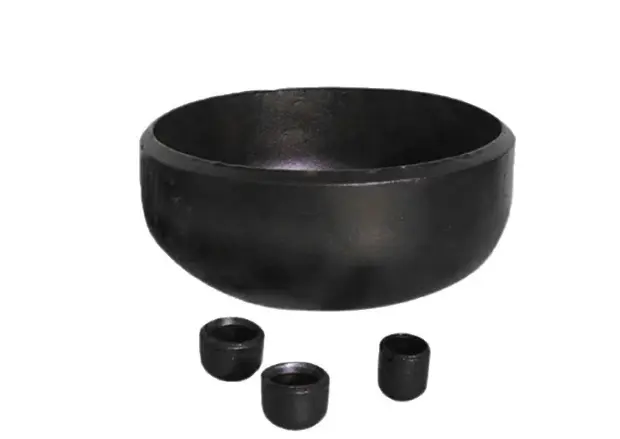
What Is a BW Carbon Steel Cap? Understanding Its Specifications and Material Composition
Defining BW Carbon Steel Caps and Their Core Function
A BW Carbon Steel Cap is a butt-weld pipe cap that is designed to weld shut the open end of a pipeline for good. Butt-welded caps don't use mechanical links as threaded or socket-weld caps do. Instead, they fuse straight to the pipe, making a joint that doesn't leak. These round plates don't have a center bore, but their edges are beveled so that the weld can go through them easily. The carbon steel composition, which is an iron-carbon alloy with up to 2.1% carbon by weight, gives it the mechanical strength needed for high-pressure uses while still being easy to weld and machine.
Material Standards and Grades
Standards for manufacturing control the quality of materials to make sure that they always work the same way. ASTM A234 WPB is still the most common grade for carbon steel caps because it has the right amount of strength and flexibility for most uses. Dimensional tolerances are spelled out in ASME B16.9, and short radius options are discussed in ASME B16.28. Material grades include ASTM A420 WPL6 for use in cold places (down to -50°F) and higher grades like WPHY 52, WPHY 60, and WPHY 65 for uses that need more tensile strength. These names help engineers match the properties of materials to the conditions in which they will be used. This is especially helpful in petrochemical plants where changing temperatures and corrosive media can shorten the life of parts.
Dimensional Specifications and Pressure Ratings
Sizes range from 1/2" (15 NB) to 48" (1200 NB), so they can fit everything from monitoring lines to main transmission pipes. There are standard schedules for wall thickness options, with 10S, 40S (standard), 80S (extra strong), and 160 (double extra strong) all corresponding to different pressure ratings. At room temperature, a Schedule 40S cap with a width of 6 inches that meets ASME B16.9 guidelines can usually handle pressures of up to 3000 PSI. During buying, the link between wall thickness and pressure capacity is very important. Specifications that are too small can cause failure early on, while specifications that are too high can lead to extra costs.
Distinguishing Cap Types: Butt Weld vs. Alternatives
Butt weld caps are different from socket weld and threaded caps in terms of how they are connected. Socket weld caps slide over the outside of the pipe before fillet welding. They work well for lines with a diameter of less than 2 inches, where full penetration welds are hard to do. Threaded caps screw onto externally threaded pipe ends. They can be taken off, but they lose their ability to hold pressure and stop leaks. Butt weld configurations are the best choice for critical service lines in chemical processing plants and factories where safety must be paramount because the joint is stronger, as it fuses completely across the length of the pipe wall.
Top Uses of BW Carbon Steel Caps in Industrial Applications
Oil and Gas Infrastructure
Butt-welded caps are very important at the ends of pipelines in both upstream production and midstream transportation networks. BW Carbon Steel Cap products cover unused manifold outlets at the wellheads to stop hydrocarbons from leaking during the pressure testing and production phases. Transmission pipes that are still being built use temporary caps to keep the open ends clean until the link points are ready. Caps are used on the nozzles and branches of distillation columns in downstream refinery units, where pressures regularly exceed 1500 PSI and temperatures reach 800°F. Carbon steel caps are used in fields all over Texas, North Dakota, and the Gulf of Mexico because they can't be replaced, as they don't crack when exposed to hydrogen sulfide stress.
Chemical Processing and Petrochemical Plants
Handling corrosive media requires strong sealing solutions. We've given BW Carbon Steel Cap fittings to systems that handle sulfuric acid, caustic soda pipelines, and ammonia synthesis loops where the choice of component depends on how well it works with the other materials. With eccentric cap designs, liquid doesn't pool at dead-leg terminations, which lowers the risk of rusting in horizontal runs. These fittings are flexible, which is good for plant expansions because engineers can cap auxiliary connections while the plant is being built and then remove the caps when more capacity comes online. Our Cangzhou plant can produce 16,000 tons of goods every year, which ensures that projects with multiple stages that last for years can always get what they need.
Power Generation Facilities
In coal-fired, natural gas, and nuclear power plants, carbon steel caps are used on boiler feed systems, condensate return lines, and steam distribution networks. For high-temperature steam service, ASTM A234 WP11 alloy steel caps with chromium and molybdenum are needed to resist creep. However, carbon steel variants are most common in auxiliary systems that work below 750°F. Cooling water systems that use river or seawater use caps that are more resistant to rust, which makes them last longer in harsh conditions. Our quality systems, which are ISO 9001:2000 approved, make sure that every cap going to a power plant goes through strict non-destructive testing to make sure it meets the needs of those facilities.
Water Treatment and Municipal Infrastructure
Potable water distribution networks and wastewater collection networks are examples of high-volume uses where choosing the right material is based on how much it costs. Carbon steel caps that meet NSF/ANSI 61 standards for drinking water system components seal stub-outs in water main construction. This lets service connections happen in the future without affecting the integrity of the system. After cleaning, inspection ports on sewage force mains and lift station pipes are closed with BW Carbon Steel Caps. Because ASTM A234 WPB material is so easy to weld, installation time is cut down, which is very important when teams are working in cities with limited access for traffic. These parts are used in municipal projects all over North America because they match the need for efficiency with limited budgets.
Shipbuilding and Marine Applications
Ships need caps that can handle vibrations, changes in temperature, and saltwater for hull penetrations, ballast systems, and cargo handling pipes. Caps for LNG carriers' cryogenic systems, fire control networks for container ships, and offshore platform power systems are what we make. Customizing wall thickness meets the needs of different vessel classification societies. For example, Lloyd's Register, ABS, and DNV standards often require material certifications that go beyond standard ASTM documentation. Our special equipment manufacturing license from the government of the People's Republic of China lets us give ships the tracking paperwork they need during building checks. Comparing material options makes decisions about what to buy easier. Stainless steel caps are better at resisting corrosion than carbon steel ones, but they cost 300–400% more, so they should only be used in environments where corrosion is a problem. Alloy steel caps with chromium-molybdenum give better high-temperature strength, but they need to be welded in a certain way. Carbon steel is the market leader because it is the best material for 70% of industrial uses that stay within its temperature and corrosion resistance range.
Key Benefits and Advantages of Using BW Carbon Steel Caps
Superior Structural Integrity and Pressure Resistance
When the joint is installed, a full-penetration butt weld is made, which makes the connection stronger than the base pipe material. When you put weld metal across the whole length of the wall, the stress is spread out evenly. This gets rid of the stress points that cause threaded connections to fail. Lab tests show that BW Carbon Steel Cap products that are properly welded can withstand forces 150% above their stated capacity before they break. This gives people and equipment safety gaps that protect them when things go wrong. In natural gas transmission systems, where pipeline breaks can have terrible effects, this dependability is very important.
Cost-Effectiveness Without Compromising Safety
The economics of a project are directly affected by the cost of materials. This is especially true for big infrastructure projects that need hundreds or thousands of end caps. Compared to stainless steel and alloys, carbon steel prices have stayed the same, ranging from $15 to $80 per unit based on size and schedule, while stainless steel prices range from $60 to $350 for similar fittings. Because raw materials are easy to get, there aren't any delays in getting them, which is a problem for specialty alloys when demand goes up. We keep enough common sizes in stock so that they can be shipped right away. This lowers the cost of carrying for distributors who are working on multiple projects at the same time.
Installation Efficiency and Long-Term Reliability
Welders who know how to work with carbon steel can quickly install BW Carbon Steel Cap using standard SMAW, GTAW, or FCAW methods without having to get special training. Compared to stainless steel, which is sensitive to heat, this material is more flexible and can handle small changes in the welding parameters, which lowers the rate of rejects. Once placed, caps that are the right size and shape last for decades without needing any repairs. Field data from petrochemical facilities show that carbon steel caps that were put in place in the 1980s are still in use today, lasting longer than expected if corrosion allowances were properly calculated during design.
Environmental and Sustainability Considerations
Modern manufacturing focuses on making the best use of resources and reducing waste. Our factory uses closed-loop water recycling systems, which cut the amount of rainwater used by 40% compared to normal methods. 95% of the materials used are reused when scrap metal from forming operations is sent back to steel mills to be remelted. Companies that want to be environmentally friendly should use carbon steel because it can be recycled over and over again. Old parts still have value as scrap, which helps pay for the costs of shutting down plants when they are updated. Companies that want to get LEED certification or ISO 14001 environmental management systems like it when their suppliers show that they care about the environment in a way that can be measured.
How to Select and Install BW Carbon Steel Caps: A Practical Procurement and Installation Guide
Material Grade Selection Criteria
By matching the properties of the material to the conditions of service, early failures can be avoided. ASTM A234 WPB can be used in non-corrosive work at temperatures ranging from -20°F to 650°F, which is most industrial settings. Impact-tested A420 WPL6 material is needed for low-temperature uses below -20°F to keep it from breaking easily. For use at temperatures above 650°F, alloy steel caps with chromium added (WP11, WP22, WP91) must be used because they don't deform when they creep. The choice of wall thickness is based on how fast the metal corrodes. For example, in harsh environments, Schedule 80 or 160 caps with extra metal for waste are acceptable, while in mild environments, Schedule 40 specs are fine.
Dimensional Specification and Pressure Rating Verification
To make sure the caps will work with the pipes, engineers have to compare the nominal diameter, schedule, and material grade. For a 4-inch Schedule 40 carbon steel pipe to fit, it needs a 4-inch Schedule 40 cap that is machined to ASME B16.9 dimensions. Using a Schedule 10 cap would result in a thickness mismatch that would cause weld defects. To check the pressure rating, you have to use ASME B31.3 formulas to figure out the allowed stress at the design temperature and then make sure the wall thickness of the cap meets or exceeds the standards. We give engineers mill test reports that show the chemical makeup and mechanical properties of the material, so they can confidently do these calculations.
Installation Best Practices and Welding Procedures
Edge preparation is the first step in a proper installation. To get rid of mill scale, rust, and other contaminants that are less than an inch from the weld zone, grind the pipe end. Check that the bevel angles meet the requirements, which are usually 37.5° with a 1/16" land. Tack-weld the BW Carbon Steel Cap in place using qualified welding techniques, making sure to keep the root gap and alignment in line with WPS standards. Finish the root pass using techniques that prevent burn-through, then do the fill and cap passes to get the throat thickness you need. For thick-wall applications or when joining different materials, ASME Section VIII guidelines say that a post-weld heat treatment may be necessary.
Common Installation Pitfalls to Avoid
Lack of fusion, incomplete penetration, and slag inclusions weaken the joint's integrity. Contaminated base material increases the risk of hydrogen cracking; store caps indoors to keep them from absorbing water. Misaligned fit-up creates high-low conditions that cause turbulent flow and erosion. Inadequate non-destructive examination misses internal defects; radiographic or ultrasonic testing confirms weld quality on critical services. We recommend that clients request welding procedure qualification records and welder performance qualification tests that match project codes, making sure that craftsmen have shown their skills.
Procurement Strategies and Supply Chain Optimization
Lead times depend on how complicated the specifications are. Standard sizes in Schedule 40 and 80 ship within two to three weeks from our facility, while custom configurations need six to eight weeks to get the raw materials and be made. Ordering in bulk lowers the cost per unit through production run economies. Projects that need 100 or more pieces are eligible for volume discounts. Ship shipments with other pipe fittings (elbows, tees, and reducers) to save money on freight costs. We offer just-in-time delivery scheduling, timing arrivals with construction milestones to minimize the amount of storage needed on-site.
Choosing the Best BW Carbon Steel Cap Supplier: Comparison and Trusted Brands
Certification and Quality Assurance Verification
Checking a supplier's certifications is the first step in evaluating them. An ISO 9001 registration shows that they have established quality management systems that cover design control, purchasing, production, and inspection activities. A People's Republic of China Special Equipment Manufacturing License shows that they are in line with the rules for pressure vessels and piping components. Material test reports from accredited laboratories confirm that the chemicals used meet ASTM standards. For products such as BW Carbon Steel Cap, these certifications and test reports also help verify material quality and manufacturing compliance. We keep full traceability from raw material heat numbers to finished product lot codes, which meets audit requirements for nuclear and petrochemical applications.
Production Capacity and Technical Capabilities
A supplier's manufacturing capacity shows how well they can handle big projects without any delays. Our 66,600-square-meter facility has dedicated forming equipment that can handle sizes from 1/2" to 48", as well as heat treatment furnaces that can meet stress relief needs. Our advanced inspection equipment includes ultrasonic thickness gages, PMI analyzers that check the grade of the materials, and dimensional measurement systems that make sure ASME B16.9 tolerances are met. Our 16,000-ton annual output supports multi-year supply agreements for EPC contractors building refineries, power plants, and pipeline systems on six continents.
Global Reach and Export Experience
For example, products going to Europe need to be marked with CE and PED compliance paperwork. Projects in the Middle East need to be inspected by third-party organizations like Bureau Veritas or TÜV. Buyers in North America want ASME code stamps and CRN registration for Canadian provinces. Our export team is used to dealing with all of these requirements because they have shipped goods to facilities in Texas's petrochemical corridors, Singapore's Jurong Island complex, and Greece's port infrastructure projects. This experience keeps customs delays to a minimum and makes sure that delivered goods meet the needs of each jurisdiction.
Factory Direct vs. Distributor Purchasing Considerations
When you buy directly from the factory, you skip the middleman and save 15–25% on large orders. You also get access to engineering support, customization options, and visibility into the production schedule. On the other hand, distributors offer value through local inventory, lower minimum order quantities, and shipping with other components. Projects that need 10–20 caps benefit from distributor stock, while orders over 100 pieces justify going directly to the factory. We support both channels, keeping partnerships with reputable distributors while also welcoming direct inquiries from end users and EPC contractors.
After-Sales Support and Long-Term Partnership Value
Our engineering team helps customers choose the right materials, provides AutoCAD dimensional drawings for design confirmation, and suggests the best ways to install products. The warranty covers manufacturing defects, but it is still the customer's responsibility to make sure the products are installed correctly. Repeat customers like our consistent product quality—dimensional accuracy and material properties stay the same across multiple orders, which makes inventory management easier and reduces problems with fit-up in the field. We see every transaction as the start of a long-term relationship, and we earn trust through honest performance rather than false marketing claims. Trusted manufacturers around the world all have clear communication, well-documented quality systems, quick technical support, and a track record of success. At Oudi, we've built our reputation over decades by putting these principles first. As a result, we have long-term relationships with petrochemical giants, municipal utilities, and shipyards that come back for more projects because our products work as promised.
Conclusion
As shown in many industrial settings, BW Carbon Steel Caps work well to seal pipeline ends in oil refineries, chemical plants, power plants, and municipal water systems. They are also very cost-effective and easy to install, which is why procurement professionals always choose these parts for important jobs. To make sure projects are successful and costs are kept low, it's important to choose suppliers with the right certifications, manufacturing capacity, and technical knowledge. Reliable materials and knowledgeable suppliers are the basis for safe, efficient industrial operations that last for decades.
FAQ
What distinguishes butt-welded carbon steel caps from threaded caps?
Butt weld caps make permanent joints by welding across the whole thickness of the pipe wall. They offer better pressure ratings and leak resistance than threaded caps that use mechanical threads. Threaded options are easier to remove, but they lose strength, so they can only be used for low-pressure, non-critical applications under 300 PSI. Butt-welded configurations can handle pressures over 3000 PSI when they are properly specified and installed.
How can I check the pressure ratings for different cap sizes?
Check the ASME B31.3 allowable stress tables for your material at the design temperature and then use the formula P = 2SE(t-c)/D, where S is the allowable stress, E is the weld joint efficiency, t is the wall thickness, c is the corrosion allowance, and D is the outside diameter. Material test reports from suppliers give you the chemical and mechanical properties you need to make accurate calculations.
Can I order custom-sized caps in bulk quantities?
Custom sizes that fit non-standard pipe sizes or special wall thicknesses can be made in quantities greater than 50 pieces, though the minimum order requirement depends on how complicated the specification is. Accurate quotes can be made by providing detailed drawings that show the tolerances for dimensions, the material grade requirements, and inspection criteria. Lead times for custom orders usually last between 6 and 8 weeks, depending on the availability of raw materials.
Contact Oudi for Your BW Carbon Steel Cap Requirements
Oudi has been making high-quality pipe caps that meet ASTM A234, ASME B16.9, and ISO standards for over 20 years. Our Cangzhou facility can handle 16,000 tons of annual production, which means it can handle projects of all sizes, from small maintenance tasks to multimillion-dollar infrastructure builds. We have ISO 9001:2000 certification and the Special Equipment Manufacturing License, and we test all of our materials and make sure they work before sending them out. Whether you need standard Schedule 40 caps right away or custom-engineered solutions for specific uses, our team can deliver high-quality products at low prices. Email us at oudi-04@oudiguandao.com to talk about your needs with experienced engineers who know how to keep your projects on time and on budget.
References
1. American Society of Mechanical Engineers. (2020). ASME B16.9: Factory-Made Wrought Butt-Welding Fittings. New York: ASME Press.
2. ASTM International. (2021). ASTM A234/A234M: Standard Specification for Piping Fittings of Wrought Carbon Steel and Alloy Steel for Moderate and High Temperature Service. West Conshohocken: ASTM International.
3. Parisher, R. A., & Rhea, R. A. (2012). Pipe Drafting and Design (3rd ed.). Burlington: Gulf Professional Publishing.
4. Nayyar, M. L. (2000). Piping Handbook (7th ed.). New York: McGraw-Hill Professional.
5. Becht, C., & Sims, J. R. (2005). Pressure Vessel and Piping Design and Analysis: A Decade of Progress. New York: American Society of Mechanical Engineers.
6. Singh, R. K. (2018). Industrial Piping and Equipment Estimation Manual. Burlington: Gulf Professional Publishing.

Need help finding the right solution with our experts. Please contact us.

SINCE 1998 Your Reliable Pipeline Manufacturer



