High Temperature Pipe Tee Supplier for Power, Chemical & Energy
When your industrial operations demand piping components capable of withstanding extreme thermal stress, selecting the right High Temperature Pipe Tee becomes mission-critical. These specialized T-shaped fittings serve as branching connectors in piping systems operating at temperatures from 400°C to beyond 1100°C, handling superheated steam, volatile hydrocarbons, and aggressive chemical flows. At Oudi, we've spent over two decades engineering pipe tees that solve the persistent challenges faced by power generation plants, petrochemical refineries, and energy infrastructure—delivering components that resist creep deformation, thermal fatigue, and rapid oxidation where conventional fittings fail.
Understanding High Temperature Pipe Tees: Specifications and Applications
Industrial procurement managers are often faced with a dilemma: standard carbon steel fittings break catastrophically when exposed to high temperatures for a long time, but operations can't afford to be shut down. High Temperature Pipe Tees represent the engineered solution to this problem, specifically designed to maintain structural integrity where thermal expansion cycles and sustained heat would compromise inferior materials.
What Defines a High Temperature Pipe Tee
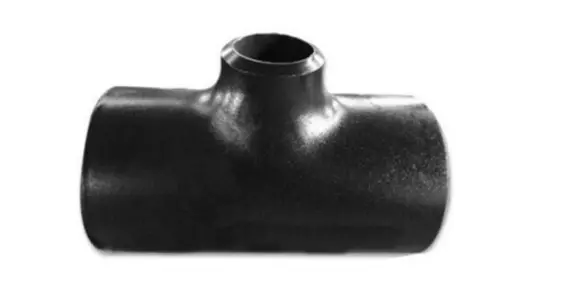
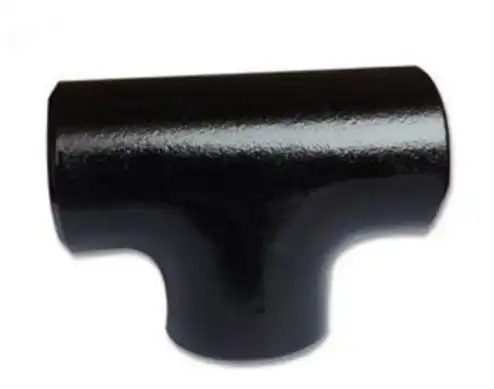
A High Temperature Pipe Tee is a special T-shaped pipe fitting that is made to make it easier to connect fluid branches in pipe systems that are working at very high temperatures. These parts are different from regular fittings because they address important problems like thermal fatigue from cycles of expansion and contraction, and creep, which is when something permanently changes shape under long-term high-temperature stress. These tees keep their structural integrity in high-pressure environments where regular carbon steel would immediately lose its mechanical properties. They do this by using high-alloy materials and precise forging techniques.
Key Material Specifications and Properties
The advanced metals that make up a High Temperature Pipe Tee and the strict engineering standards that govern it determine its qualities. Chrome-Molybdenum alloys such as ASTM A234 WP91 and WP22 provide excellent creep-rupture strength up to 600°C, while high-grade stainless steels, including 310S and 347H, increase operational limits to 850°C. Inconel 625 and other nickel-based alloys are very good at resisting corrosion at high temperatures, especially in places where sulfidizing gases or carburization are likely to happen. Even at very high temperatures, these materials keep their high yield strength-to-weight ratios. This makes sure that they are safe for a long time and that there is little downtime.
Critical Applications Across Industries
In complicated industrial settings where thermal stability has a direct effect on safety and efficiency, the High Temperature Pipe Tee is a must-have. These tees carry very hot steam from boilers to turbines in supercritical and ultra-supercritical thermal power plants. They can handle pressures of more than 250 bar at 600°C. These fittings are used in ethylene cracking furnaces and hydrocracking units at petrochemical refineries. They handle volatile hydrocarbons at temperatures up to 850°C without getting hard. Energy production facilities use them in exhaust pipes and thermal processing lines where rapid gas flow and high-velocity thermal shocks demand fittings that resist cracking and keep leak-proof seals.
Material and Design Comparison for Optimal Performance
Selecting appropriate materials and design configurations significantly impacts the longevity and reliability of your piping infrastructure. Our experience serving over 300 global customers across 40 countries has revealed common specification mistakes that lead to earlier breakdowns and costly replacements.
Stainless Steel Versus Carbon Steel Performance
Stainless steel types regularly beat carbon steel in corrosion resistance and temperature endurance, making them better for aggressive chemical environments. Carbon steel is still a good choice for moderate-temperature uses below 450°C, especially in building and water conservation tasks. The chromium in stainless steels creates an oxide layer that protects against scaling, which is high-temperature oxidation that makes pipe walls thinner over time. When looking at the total cost of ownership, stainless steel tees have longer service intervals and less frequent upkeep, which makes up for their higher starting cost.
Seamless Versus Welded Construction
When you choose between seamless and welded High Temperature Pipe Tees, the choice has measurable effects on strength, pressure tolerance, and the quality of the fabrication. When made from solid billets using hot-forming methods, seamless tees have better grain structure and mechanical integrity, especially where branches meet and stress builds up. Welded tees are cheaper for uses with larger diameters, but they need a strict Post-Weld Heat Treatment to get rid of any remaining stresses and stop stress corrosion cracking. Both ways of building must meet the measurement requirements set by ASME B16.9 and go through strict non-destructive testing to make sure they are structurally sound on the inside.
Standard, High-Pressure, and High-Temperature Variants
When purchasing managers know the differences between normal, high-pressure, and high-temperature pipe tees, they can choose parts that meet practical needs without over-engineering. Standard tees can be used in a wide range of industrial settings with temperatures and pressures below 400°C and 20 bar. High-pressure versions have thicker walls that are reinforced to handle pressures of up to 420 bar, which is common in natural gas compression stations and hydraulic systems. High Temperature Pipe Tees put the alloy makeup and heat treatment methods ahead of pressure ratings to get the best creep resistance and oxidation stability when exposed to high temperatures all the time.
How to Choose the Right High Temperature Pipe Tee Supplier
It's not enough to just compare unit prices when looking for a supplier. You also need to check their manufacturing capabilities, quality systems, and supply chain reliability, all of which have a direct effect on project timelines and operational safety.
Essential Certifications and Quality Systems
When it comes to quality control, High Temperature Pipe Tees have to follow a lot stricter rules than regular plumbing parts. People who want to buy things should give preference to suppliers who have both the ISO 9001:2000 quality management certification and the People's Republic of China special equipment manufacturing licence. These credentials show that the suppliers follow systematic quality procedures. Positive Material Identification with XRF or OES research shows that the alloy's chemistry fits the requirements, which stops expensive material mix-ups. Radiographic and ultrasonic testing, which are both non-destructive, can find internal flaws or volumetric flaws in the crotch area, which is where most failures start because of high stress.
At Oudi, we use advanced monitoring equipment that goes above and beyond what customers expect as part of full checking systems that start with receiving raw materials and end with shipping finished products. Our methods for hardness testing prove that heat treatment works. This is especially important for P91 and P92 grades that need exact martensitic structures. Long-term stress-rupture tests are used for creep testing, which confirms the material's expected life span before it is put into service. Dimensional verification makes sure that the wall width is correct where branches meet, which stops stress buildup in one place that shortens the service life.
Manufacturing Capacity and Technical Capabilities
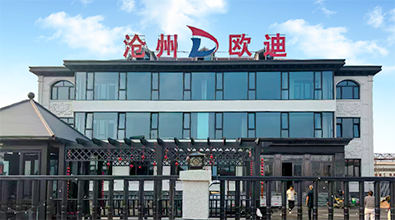
Looking at a supplier's production capacity and technical infrastructure shows how well they can meet project deadlines and deal with complicated specifications. Our 66,600-square-meter factory in Cangzhou makes 16,000 tonnes of products every year, so we are always available for big projects without lowering the quality. We keep up-to-date production tools like precision forging presses, heat treatment furnaces with programmable thermal profiles, and CNC machining centers that can make parts with very tight tolerances on size. Because we have this technical skill, we can make fittings that meet the requirements of the American standard ANSI, the Japanese standard JIS, the German standard DIN, and the British standard BS.
Logistics, Customization, and Support Services
Trusted suppliers offer complete solutions that go beyond just delivering products. These solutions help global procurement managers deal with the many challenges they face every day. Minimum order quantities (MOQs) should match the stages of a project instead of forcing extra inventory. Our MOQs are flexible enough to accommodate both pilot installations and full-scale construction. Competitive bulk pricing systems know the importance of long-term relationships, especially for EPC contractors in charge of building projects that last for more than one year. We can handle our own imports and exports, which makes cross-border operations easier. Also, we are only 120 kilometres from Tianjin Port, which makes sending containers to Europe, the Americas, Africa, Southeast Asia, and the Middle East quick and easy.
Technical support is very helpful when choosing materials for specific working conditions or fixing problems with fitting. Our engineering team helps you choose the right material based on temperature ranges, pressure ratings, and chemical exposure situations. We offer customisation options such as non-standard sizes, unique alloy compositions, and faster delivery times for projects with tight deadlines. Customer trust has been gained in the oil, chemical, natural gas, water conservation, shipbuilding, electric power, and boiler production industries through this helpful method.
Installation and Maintenance Best Practices for High Temperature Pipe Tees
Even the best fittings don't work as well when they aren't installed or maintained properly. Following tried-and-true procedures cuts down on downtime and increases service life, protecting your investment.
Pre-Installation Verification and Safety Measures
Before installation starts, check that the supplied fittings match specs through visual inspection and documentation review. Check that the heat treatment records, test certificates, and material certifications match the buy orders. Inspect fitting surfaces for transportation damage, particularly at branch openings where hits can cause stress risers. Keep parts in clean, dry places that won't get contaminated. Once the system is up and running, embedded debris can cause localised corrosion starting points.
Safety measures during installation keep people safe and keep fittings from getting damaged. To lower the risk of thermal shock and hydrogen-induced cracks, High Temperature Pipe Tees are often heated up first. Keep the temperatures between passes within certain ranges to manage the rate of cooling and get the weld metal microstructures you want. To keep an eye on the temperature during the welding process, use accurate thermometers or temperature-indicating pens.
Welding and Post-Weld Heat Treatment Requirements
To weld High Temperature Pipe Tees, you need to follow the right steps and have a trained welder who knows high-alloy materials. Use the right filler metals that fit the makeup of the base material. Using the wrong electrodes makes galvanic couples that speed up corrosion. Limit the amount of heat that goes into keep grains from growing too much in the heat-affected zone, which lowers the resistance to creep. Chrome-Moly tees must go through Post-Weld Heat Treatment to get rid of any remaining stresses and stop stress corrosion cracks and brittle fracture. In order to meet metallurgical goals, PWHT cycles must follow the rules for heating rates, hold temperatures, soak times, and controlled cooling.
Inspection Protocols and Maintenance Scheduling
Routine check procedures that focus on corrosion and mechanical wear help figure out what repairs are needed before they happen. Set baseline thickness measurements when the system is first turned on, and then do regular ultrasonic thickness surveys to figure out how much metal is being lost. Keep an eye out for designs on the outside of the surface that show high temperatures or burning gas entering the system. Check for deformation at branch links that could mean creep damage is building up—even a small bulge can mean the end of the life of the pipe. Using thermal imaging during operation can show hot spots caused by turbulent flow or buildups inside the pipe that are blocking its passage.
Putting in place predictive repair plans has made power plants much more reliable, according to reports. Setting up three-monthly inspections for High Temperature Pipe Tees in one supercritical steam system cut unplanned outages by forty percent. Chemical processing companies that used ultrasound testing found signs of wall thinning, which allowed replacements to be planned for planned turnarounds instead of having to shut down in an emergency.
Why Partner with Oudi for Your High Temperature Pipe Tee Needs
Choosing a High Temperature Pipe Tee supplier has effects on the success of the project that go far beyond the purchase. When you work with the right partner, you get technical know-how, a reliable supply chain, and quality assurance that shows up when things get tough.
Our history of making things since 1998 has given us a lot of knowledge about parts made of carbon steel, stainless steel, and alloy steel for the most demanding businesses in the world. We know what happens when parts fail in energy infrastructure, petrochemical processing, and power generation: millions of dollars worth of downtime, safety incidents with long-lasting effects, and damage to the company's reputation that makes customers less likely to trust it. Because of this knowledge, we are dedicated to technical excellence and quality control at all stages of production.
Because we offer so many products, procurement managers only have to work with one company to meet all of their piping needs, instead of having to coordinate with several different companies. In addition to High Temperature Pipe Tees, we also make bends, flanges, reducers, steel pipes, and tube caps that meet international standards. This full category coverage makes managing vendors easier, streamlines processes, and makes sure that all of your pipe systems use the same metals.
We've exported goods to customers in Europe, North and South America, Africa, Southeast Asia, and the Middle East, which shows that we know how to deal with different quality standards, shipping rules, and paperwork needs. Among other difficult places, we've successfully delivered to projects in Iran, Singapore, and Greece. This international experience keeps us up to date on how the industry is changing and on new material technologies that are coming out.
Our method is different from transactional providers because we offer responsive customer service and technical know-how. We don't see each inquiry as a one-time sale, but as the start of a partnership. We invest in your success because it affects our reputation and opens up new opportunities for us in the future.
Cost-effectiveness is still very important for projects that need to be competitive. Our low prices aren't because we're cutting corners on quality; they're because we're using efficient manufacturing methods and smart strategies to find raw materials. Large EPC companies and smaller specialised projects can both use flexible MOQ policies that don't punish order size. We align our success with yours by giving bulk discounts for long-term partnerships and projects that are completed in stages.
Conclusion
Finding High Temperature Pipe Tees means finding the right balance between technical requirements, quality control, and the dependability of the supply chain. The choices you make now will have long-lasting effects on operational safety and the project's budget. The difference between adequate and exceptional suppliers becomes obvious during extreme working conditions, where lesser materials fail and supply delays spread into costly schedule effects. We are your reliable partner because our manufacturing processes are ISO 9001 certified, we offer a wide range of products from carbon steel to rare alloys, and we have exported to over 40 countries before. When you choose Oudi, you get access to 20 years of metallurgical knowledge, advanced testing tools, and customer-focused service that turns buying from a transactional need into a strategic benefit.
FAQ
1. What is the maximum temperature limit for ASTM A234 WP91 pipe tees?
WP91 material is usually approved for constant service up to 600°C (1112°F). After this point, the material's microstructure starts to break down, and its creep strength drops significantly. Depending on the length of time and level of stress, occasional trips up to 650°C may be okay, but for long-term use, you need to switch to WP92 or Nickel-based alloys.
2. Why is Post-Weld Heat Treatment mandatory for Chrome-Moly tees?
PWHT reduces residual stresses introduced during welding that would otherwise form stress concentration sites sensitive to cracking. The heat treatment also softens the joint metal and the area affected by the heat. This keeps the structures from becoming brittle and martensitic, which could break under normal use. Skipping PWHT greatly raises the chances of stress corrosion cracks and brittle fracture.
3. Can high-temperature pipe tees be used in cryogenic applications?
High-temperature pipe tees work best when they are heated to very high temperatures, and they often break when they drop below freezing. For cryogenic services, you need special low-temperature metals, such as austenitic stainless steels like 304L or LCC steels (low carbon content) that can still be bent at -196°C. When high-temperature metals are used in cryogenic environments, they could break very easily and catastrophically.
4. What causes scaling, and how do high-temperature alloys resist it?
Scaling happens when metal reacts with oxygen or sulphur compounds at high temperatures, causing the walls of pipes to get thinner over time. Chromium-rich metals create protective oxide layers (mainly Cr2O3) that stop rusting from going any further. Alloys with 18–25% chromium show great resistance to scaling and keep their wall thickness over long periods of service.
Partner With a Trusted High Temperature Pipe Tee Manufacturer
Since 1998, Oudi has been making High Temperature Pipe Tees for important power, chemical, and energy uses. These parts work reliably in the world's harshest thermal conditions. We can meet your needs and schedules thanks to our ISO 9001-certified quality systems, ability to produce 16,000 tonnes of steel every year, and wide range of materials, from carbon steel to rare metals. Our job as a High Temperature Pipe Tee supplier means that we know how important it is for your projects to have fittings that don't creep deform, can handle thermal cycling, and stay intact for decades of use. You can email our technical team at oudi-04@oudiguandao.com to talk about your unique needs, ask for material certifications, or get competitive quotes for jobs you have coming up. Let us show you why more than 300 customers in 40 countries choose Oudi as their pipe fitting partner of choice.
References
1. American Society of Mechanical Engineers. (2020). ASME B16.9: Factory-Made Wrought Buttwelding Fittings. New York: ASME Press.
2. Boyer, H.E. (1987). Atlas of Creep and Stress-Rupture Curves. Materials Park, OH: ASM International.
3. Cerjak, H. & Mayr, P. (2008). Creep Strength of Welded Joints of Advanced 9-12% Cr Steels. Transactions of the Indian Institute of Metals, 61(2-3), pp. 87-92.
4. Viswanathan, R. (1989). Damage Mechanisms and Life Assessment of High-Temperature Components. Materials Park, OH: ASM International.
5. European Committee for Standardization. (2017). EN 10253-2: Butt-Welding Pipe Fittings for Pressure Purposes – Part 2: Non-Alloy and Ferritic Alloy Steels with Specific Inspection Requirements. Brussels: CEN.
6. Zhang, W. & Hu, Z. (2015). High Temperature Deformation and Fracture of Materials. Boca Raton, FL: CRC Press.

Need help finding the right solution with our experts. Please contact us.
SINCE 1998 Your Reliable Pipeline Manufacturer