BW Carbon Steel Cap Procurement Guide for Pipelines
If you don't choose the right tubing end cap, your industrial system could fail. As important closing parts, BW Carbon Steel Caps keep pipeline ends safe in systems for oil, chemicals, natural gas, and water conservation. BW Carbon Steel Caps, unlike threaded or socket weld options, make a stable seal that doesn't leak through full-penetration welding that can handle big changes in temperature and pressure. When buying these important fittings, it's important to know the specs, quality standards, and supplier skills so that your project can meet practical needs and keep costs low.
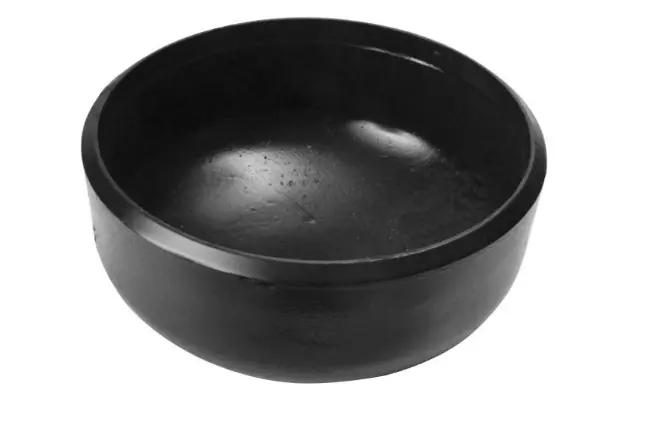
Understanding BW Carbon Steel Caps: Specifications and Benefits
What Are BW Carbon Steel Caps and Their Core Function
BW Carbon Steel Caps are meant to firmly seal the male threaded or plain ends of pipes. These fittings work like plugs and blind flanges, but their soldered joints make them more structurally sound. The buttweld design gets rid of the places where threaded joints can leak, which makes them perfect for high-pressure uses in power plants, chemical plants, and oil refineries.
Standard Specifications You Should Know
The rules for making cast carbon steel buttweld parts, like end caps, are set by ASME B16.9. Manufacturers must follow these guidelines when making products: they include limits for size, pressure levels, testing procedures, and marking requirements. According to data from the industry, BW Carbon Steel Caps come in sizes from 1/2" (15 NB) to 48" (1200 NB), and the wall thickness can be changed from Schedule 5S to XXS to meet different pressure needs. The material is usually made according to ASTM A234 standards, and the most popular grades for normal uses are WPB, WPHY 42, WPHY 52, and WPHY 65. The mechanical qualities and weldability of these grades are very good. Depending on the grade chosen, the tensile forces range from 60,000 to 75,000 PSI.
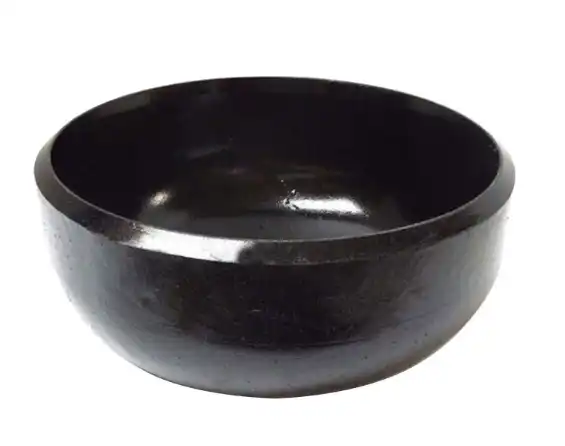
Key Benefits Driving Procurement Decisions
- BW Carbon Steel Caps have benefits that go beyond their basic closing function. One of the best things about these caps is that they don't lose their shape in temperatures between -20°F and 650°F, so they can be used in a wide range of industry settings. The welded connection gets rid of the areas of high mechanical stress that are common in threaded fittings. This makes it less likely that the connection will fail in high-vibration environments, which are common in shipping and boiler making.
- Cost-effectiveness is another really strong benefit. When it comes to non-corrosive settings, BW Carbon Steel Caps usually work just as well as cast stainless steel caps for 30 to 40 per cent less money. At Oudi, we use either seamless or ERW (Electric Resistance Welded) manufacturing methods to keep quality high across large quantities. This is how our 16,000-ton annual production capacity helps us serve over 300 users in 40 countries.
-
Installation efficiency should also be thought about. Welders with more experience can put on a BW Carbon Steel Cap faster than flanged ones, which saves money on labour costs during the job. Because the link is permanent, it doesn't need to be maintained like bolted parts do, which lowers the overall cost over their lifetime.
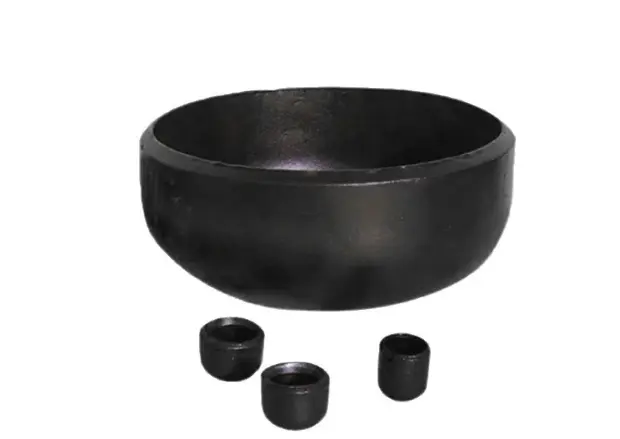
BW Carbon Steel Cap Installation and Quality Identification
Proper Installation Procedures for Optimal Performance
A careful preparation of the pipe ends is the first step to a successful fitting. To make sure the cap fits correctly, the pipe end must be cut evenly and smoothed out. For pipes with walls thicker than 3/16", we suggest beveling the pipe edge at 37.5 degrees. This makes full-penetration welding easier. Clean the contact surfaces to get rid of mill scale, oil, and other contaminants that could affect the quality of the weld. Accurate alignment has a direct effect on long-term dependability. Line up the cap with the pipe axis, making sure there are no gaps around the circumference. Tack weld at four equal distances to secure the position before finishing the circumferential weld. Qualified welders should follow either the AWS D1.1 structural welding code or ASME Section IX procedures, depending on the needs of the service.
Quality Identification and Certification Standards
Paying attention to certain markings is needed to tell the difference between high-quality caps and lower-quality ones. Reputable manufacturers stamp fittings with the material grade, heat number, and standard compliance markings. At Oudi, every cap that leaves our facility has a traceable identification that links back to mill test reports that list the chemical composition and mechanical properties. Dimensional accuracy is a good way to tell if a cap is of high quality. Check the outer diameter, wall thickness, and overall length against ASME B16.9 tolerances. For sizes under 12", premium caps keep their dimensions consistent within ±1/32". Surface finish quality also shows how well the caps were made—smooth, uniform surfaces without any pitting, laminations, or weld splatter show that the caps were made with advanced techniques.
Common Installation Challenges and Solutions
Misalignment during tack welding often delays installation. Using external alignment clamps or internal lineup fixtures keeps the pieces concentric throughout the welding process. To reduce weld distortion from too much heat input, it is best to use the right welding sequences, which involve switching between weld locations around the circumference instead of continuous single-pass welding. Porosity in the weld zone is usually caused by not enough shielding gas coverage or surface contamination. This flaw can be fixed by extending the gas coverage time and following strict cleaning procedures. When working with thicker-wall caps, AWS requirements for preheating them stop cracking in the heat-affected zone.
Comparing BW Carbon Steel Caps with Alternative Options
Material Property Comparison Across Cap Types
When moderate corrosion resistance is enough, and cost is an issue, BW Carbon Steel Caps work well. They are much cheaper than stainless steel options made from ASTM A403 WP316L material, but they still do a good job in non-corrosive environments. Stainless steel, on the other hand, is better at resisting corrosion in chemical processing environments with acids, chlorides, or high-purity requirements. The performance gap is filled by alloy steel caps that meet the requirements of ASTM A234 WP11 or WP22. These materials offer better high-temperature strength and creep resistance for power generation applications. They can handle temperatures up to 1100°F, which makes them suitable for superheated steam systems where BW Carbon Steel Caps would oxidise more quickly.
Installation Complexity and Lifecycle Considerations
Threaded caps are the easiest to install because all you need to do is make sure the threads are engaged properly and apply the sealing solution. However, this ease of use comes with big drawbacks: threaded connections can only be used for smaller sizes and lower pressure ratings. Over time, heat cycling can loosen the threaded contact at the mechanical connection points, which could lead to leaks. Socket weld caps are easy to place because all you have to do is fillet weld around the outside shoulder of the cap. Socket welds are easier to use than full-penetration butt welding, but they leave cracks that can be filled with harmful materials, which means they can't be used for all chemical services. The fillet weld style also has slightly lower pressure values than other options, like the BW Carbon Steel Cap.
Cost Analysis and Procurement Strategy Implications
The most obvious thing to think about when buying something is the cost of the materials. According to recent market data, normal BW Carbon Steel Caps cost around $15 to $45 each for popular sizes (2" to 6" diameter) in Schedule 40 thickness. If you buy more than 100 pieces, you can get 15-20% off the price per piece. Similar items made of stainless steel usually cost 2.5 to 3 times more, while those made of alloy steel are in the middle. Lifecycle cost study shows that BW Carbon Steel Caps often have the lowest total purchase cost, even though the cost of the materials isn't very high. Over the 20-year service life that is normal for industrial buildings, not having to pay for ongoing upkeep, inspections, and possible leak repairs for mechanical connections saves a lot of money. The cost of installation work is about the same for all welded choices because skilled welders charge the same amount of money for all fitting types.
Effective Procurement Strategies for BW Carbon Steel Caps
Identifying Qualified Suppliers and Manufacturers
Choosing a supplier has a huge effect on the success of a project. Since 1998, we've worked with construction, shipbuilding, electric power, and boiler manufacturing businesses. This has given us the knowledge to tell the difference between capable makers and distributors who don't have production control. Check the manufacturing permits of possible suppliers, especially for Special Equipment Manufacturing permits, which are needed in many places for pressure-bearing parts. Production capacity signs show if a seller can meet your deadline. Our modern forming equipment and wide range of testing tools, along with our annual output capacity of 16,000 tons, allow us to meet large orders while keeping quality standards. Ask possible suppliers how they get their raw materials. Having direct ties with steel mills ensures that materials can be tracked and have the same chemical make-up.
Critical Procurement Considerations for Project Success
Different providers have very different minimum order amounts. Distributors may be able to handle small orders, but they will charge more per unit. Manufacturers, on the other hand, usually set MOQs based on how profitable it is to make a large batch. At Oudi, we find a good mix between making things quickly and giving customers a lot of options. We offer low prices for orders starting at 50 pieces for basic configurations and can still handle contracts for thousands of pieces. Managing lead times requires setting sensible goals that are in line with the facts of production. Standard ASME B16.9 caps in standard sizes and materials can be shipped in two to three weeks from stock or four to six weeks for production runs. Custom requirements, such as wall thicknesses that aren't standard, special materials, or unique marks, make the lead time 8–10 weeks. Adding extra time to project plans ahead of time helps avoid expensive fees for speeding up work or building delays.
Negotiation Tactics and Custom Specification Options
Negotiating well is more than just talking about unit prices. Payment terms have a big effect on the cash flow of a project. Standard foreign terms include a 30% payment, with the remaining 70% due when the shipping papers are ready. However, repeat customers may be able to arrange longer terms. Choosing the right currency affects how stable prices are; setting orders in USD, EUR, or RMB protects against changes in the exchange rate during long-term projects. When you commit to buying a lot, you can get better prices. Manufacturers can plan their production more accurately with annual blanket orders that include planned releases. This is why bulk discounts of 15–25% are allowed compared to spot purchases. This method works especially well for EPC workers who work on many jobs throughout the year that need similar fittings.
Ensuring Long-Term Success: Maintenance and Future Trends
Maintenance Protocols Extending Component Lifespan
Scheduled inspections keep pipeline systems from breaking down without warning. During planned shutdowns, visual checks of the surface should be done to record any rust, covering wear, or mechanical damage that needs to be fixed. For outdoor systems that are subject to moderate weather, once-a-year checks are enough. However, in corrosive environments or near the coast, every six months, inspections are needed. Different types of contact lead to different ways to stop corrosion. When used indoors and in dry conditions, BW Carbon Steel Caps don't need much protection beyond the mill scale that forms during production. Protective coating systems work well for outdoor installations—a primer coat followed by epoxy or polyurethane topcoats greatly increases service life. For underground uses, stronger protection is needed, usually a plastic or epoxy encasement that is fused together.
Innovations Shaping Pipeline Component Evolution
Improvements in material science are making the BW Carbon Steel Cap work better. Small amounts of niobium, vanadium, or titanium are added in microalloying methods to make metals stronger and tougher without making them harder to weld. Because of these changes, designs with smaller walls are now possible, which lowers weight and material costs while keeping pressure levels the same. The technology behind protective coatings keeps changing quickly. Nano-ceramic coats put on with thermal spraying give things corrosion protection that is almost as good as stainless steel for a lot less money. These high-tech coatings make BW Carbon Steel Caps last longer in fairly corrosive environments, which could mean that expensive metal updates aren't needed after all.
Digital Transformation in Procurement Processes
Digitising the supply chain makes the buying process much easier. Online platforms make it possible to get quick access to technical specs, see what products are available in real time, and get quotes automatically. The buying cycle times are cut from days to hours by these systems. This speeds up project timelines and makes sure that paperwork is correct. The use of blockchain technology in business supply chains makes it easier to track materials. Immutable digital records that connect parts to the original test reports, production records, and inspection certificates help stop fake goods and make it easier for controlled businesses to keep track of their compliance paperwork. Early users say there are fewer quality disagreements and projects are certified faster.
Conclusion
To successfully purchase BW Carbon Steel Caps, you need to know the technical requirements, find qualified sources, and use smart sourcing techniques. Because these caps provide a permanent, leak-proof seal, they are more reliable than threaded or socket weld options. This makes them the best choice for high-stakes industrial uses. The best project economics are achieved by choosing materials that balance performance needs with cost limitations. Supply chain risks can be reduced by qualifying suppliers based on their manufacturing skills, quality systems, and output capacity. As Oudi has worked with a wide range of industries in over 40 countries, we know that pairing technical know-how with customer-focused service builds relationships that last beyond single transactions and help businesses succeed in the long run.
FAQ
1. What size range is available for BW carbon steel caps?
The ASME B16.9 rules say that BW Carbon Steel Caps can be made in sizes ranging from 1/2" (15 NB) to 48" (1200 NB). You can choose wall thicknesses from Schedule 5S to XXS, so they can handle a wide range of pressures, from low-pressure drainage systems to high-pressure process uses. Forging methods can make custom sizes that aren't in the normal range, but there are usually minimum order amounts that apply.
2. Which certifications should I verify when sourcing BW caps?
Compliance with the ISO 9001 quality management system is an important certification that shows that the production process is managed. In many places, you need a Special Equipment Manufacturing License to make pressure-bearing parts. Material approvals that follow the rules in ASTM A234 and include written information about their chemical make-up and mechanical qualities show that they are fit for the purpose they were made for. Third-party inspection badges from well-known organisations add extra security to important applications.
3. How do BW carbon steel caps perform in corrosive environments?
BW Carbon Steel Caps don't rust in dry, non-acidic places, but they need coats to protect them when they're used outside or in places that are prone to rusting. Coating methods with glue or polyurethane make things last a lot longer. Although they are more expensive, stainless steel or specific metal caps work better in harsh environments with acids, chlorides, or high humidity.
Partner with Oudi for Your BW Carbon Steel Cap Requirements
For the complicated process of buying pipeline parts, you need a maker with both expert know-how and quick customer service. We are Oudi, and we have been making carbon steel, stainless steel, and alloy steel pipe fittings for more than 25 years. This makes us your ideal strategic sourcing partner. Every BW Carbon Steel Cap we make meets the strictest international standards thanks to our ISO 9001-certified quality system, Special Equipment Manufacturing License, and thorough testing processes. With the ability to handle 16,000 tons per year and established transport networks that serve more than 40 countries, we can give you the same high quality whether you need 50 or 5,000 pieces. Email our team at oudi-04@oudiguandao.com to talk about your needs, get detailed information, or set up a sample review. As a reputable BW Carbon Steel Cap maker, we're dedicated to helping your project succeed by offering low prices, on-time delivery, and expert engineering.
References
1. American Society of Mechanical Engineers. (2018). ASME B16.9: Factory-Made Wrought Buttwelding Fittings. New York: ASME Press.
2. American Welding Society. (2020). AWS D1.1/D1.1M: Structural Welding Code - Steel. Miami: AWS Publications.
3. ASTM International. (2021). ASTM A234/A234M: Standard Specification for Piping Fittings of Wrought Carbon Steel and Alloy Steel for Moderate and High Temperature Service. West Conshohocken: ASTM.
4. Harvey, J.F. (2019). Theory and Design of Pressure Vessels (3rd ed.). New York: Van Nostrand Reinhold.
5. Nayyar, M.L. (2017). Piping Handbook (8th ed.). New York: McGraw-Hill Education.
6. Singh, R.K. & Verma, A. (2020). "Comparative Performance Analysis of Butt-Welded and Threaded Pipe End Closures in High-Pressure Applications." Journal of Pressure Vessel Technology, 142(4), 041503-1–041503-9.

Need help finding the right solution with our experts. Please contact us.

SINCE 1998 Your Reliable Pipeline Manufacturer



