Top Cost-Effective Carbon Steel Elbow Suppliers in China
When searching for top cost-effective carbon steel elbow suppliers in China, procurement managers across the oil, chemical, natural gas, and construction industries face a critical decision that impacts both project budgets and operational reliability. The market offers numerous manufacturers claiming competitive pricing, yet finding suppliers who deliver genuine value—combining international certification compliance, consistent quality, and transparent pricing structures—requires careful evaluation. Among these suppliers, Cangzhou Oudi Pipe Manufacture Co., Ltd. stands out as a trusted partner since 1998, offering ISO 9001-certified carbon steel elbows that meet ANSI, JIS, DIN, and BS standards with a proven 16,000-ton annual production capacity serving over 300 customers across 40+ countries.
Introduction to Carbon Steel Elbows and Their Importance in Industrial Applications
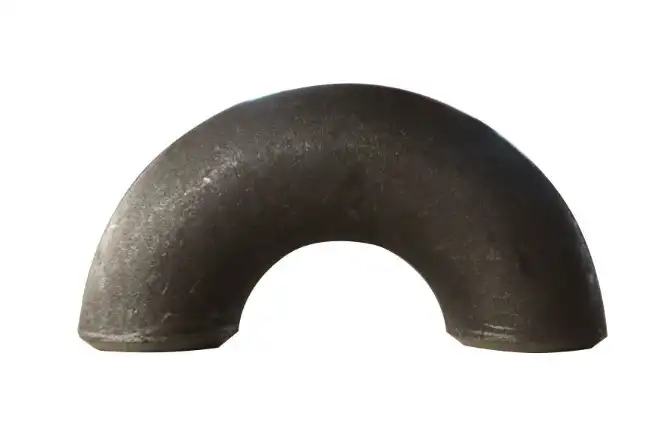
Carbon Steel Elbows are important parts of pipeline systems that change the flow direction. They make it possible for fluids and gases to move through a wide range of industrial settings. These fittings allow pipe networks to make 90-degree or 45-degree turns, which works with limited space while keeping the system's pressure and flow intact.
Essential Functions in Pipeline Systems
In oil and gas activities, Carbon Steel Elbows can handle high pressures of up to 2500 PSI, based on the material grade and schedule rating. Chemical processing plants rely on these parts to get around in complicated building plans and keep out corrosive media. Carbon Steel Elbows are used in water conservation projects for large-diameter uses where cost and longevity are more important than corrosion control through protective coatings.
Industrial Application Scope
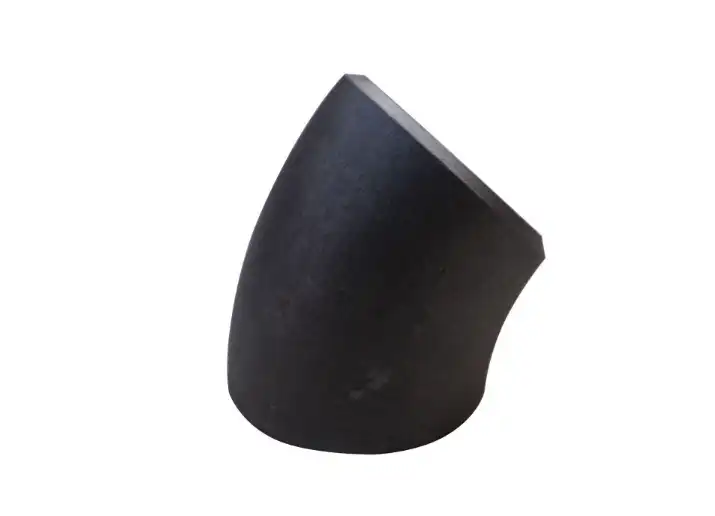
Carbon Steel Elbows can be used in gas industries, shipbuilding shops, power plants, and boiler factories. For HVAC systems, fire suppression networks, and structural pipe installs, construction tasks call for these parts. They are widely used because they strike the best mix between being strong mechanically, being easy to shape during production, and being cost-effective carbon steel elbows compared to higher-alloy options.
B2B Procurement Considerations
When purchasing Carbon Steel Elbows, people in charge of buying things need to look at a number of performance factors. These include how accurate the dimensions are according to ASME B16.9 standards, the paperwork that shows how the materials were sourced, inspection reports from a third party, and certifications from the supplier's quality management system. If you understand these technical requirements, you can avoid costly project delays that are caused by materials that don't meet the standards or pressure rates that aren't high enough. The selection process has an instant effect on budgets for purchases, but it also has an ongoing effect on upkeep costs and system reliability over the lifespan of the asset.
One of China's top five carbon steel elbow suppliers with the best price-performance ratio
There are a lot of pipe fitting manufacturers in China, but only a few of them regularly meet the approval requirements, production size, and export experience that foreign B2B buyers look for. The following providers are the best cost-effective carbon steel elbow choices because they have quality management systems, reasonable prices, and a history of integrating global supply chains.
Cangzhou Oudi Pipe Manufacture Co., Ltd.
Oudi has a 66,600-square-meter production plant that is conveniently located 120 kilometers from Tianjin Port. The company was founded in 1998 in the specialized fitting manufacturing zone of Mengcun Hui Autonomous County. The company has a lot of certifications, like the People's Republic of China Special Equipment Manufacturing License and ISO 9001:2000 quality management system approval. These show that they follow strict rules set by the government.
Oudi can make American, Japanese, German, and British standard Carbon Steel Elbows in all size ranges. These elbows are made from certified raw materials and go through full inspection procedures and nondestructive testing during the whole production cycle. The facility's yearly output of 16,000 tons helps complete large orders and keep shipping schedules consistent. Modern detection tools let us check the material completely, check its dimensions, and test it under pressure, all while following the customer's instructions.
The company's self-managed import-export license makes it easier to do business directly with buyers in Europe, North and South America, Africa, Southeast Asia, and the Middle East. This cuts down on the costs of going through middlemen and makes contact with buying teams clear. This way of running a business is especially helpful for EPC builders and industrial sellers who need quick technical support and custom OEM solutions.
Regional Manufacturing Cluster Advantages
Because there are so many specialized fitting makers in Cangzhou, prices are kept low by sharing supply chain facilities and technical know-how. Buyers in this area can find a lot of certified sellers close by, which lets them compare quality and use that information to their advantage in negotiations. The established distribution networks that connect Cangzhou to the ports of Tianjin and Beijing speed up shipping times for foreign orders and lower the cost of transportation.
Certification and Quality Assurance Standards
Leading Chinese providers keep their API, ASTM, ASME, and ISO certifications up to date, which are all accepted by global engineering standards. These certificates prove that the material's makeup, dimensional tolerances, and testing methods for pressure are correct. During the seller qualification stages, buyers should ask for mill test certificates, third-party inspection reports from groups like SGS or TÜV, and paperwork on the manufacturing process.
Production Capacity and Customization Capabilities
Well-known companies have many production lines that make standard and custom elbow shapes, such as long-radius bends, short-radius fits, and custom-angle fabrications. Some things that show how much can be produced are the annual volume output, the range of materials that can be processed (carbon steel grades A234 WPB, A105, and A106), and the sizes that can be made, which range from 1/2" to 72" nominal widths. OEM features allow for custom marking, unique packing needs, and customized material approvals to meet the compliance needs of a particular project.
Customer Service and Export Experience
Suppliers who have done a lot of exporting are good at understanding foreign business terms, the rules for paperwork, and how to settle quality disputes. Procurement cycle times are cut down by a large amount when customer service teams are responsive and offer expert advice, samples, and clear quotation methods. Established providers can communicate in more than one language and know the exact safety rules that apply to each market in a different area.
Understanding the Technical and Performance Aspects of Carbon Steel Elbows
Understanding technical specifications helps procurement professionals match the features of pipe fittings with the needs of the project, making sure that the system works well and that workers are safe. Cost-effective carbon steel elbows come in a lot of different shapes, sizes, materials, and ways of being made, and each of these affects how well they work and how much they cost.
Elbow Types and Dimensional Standards
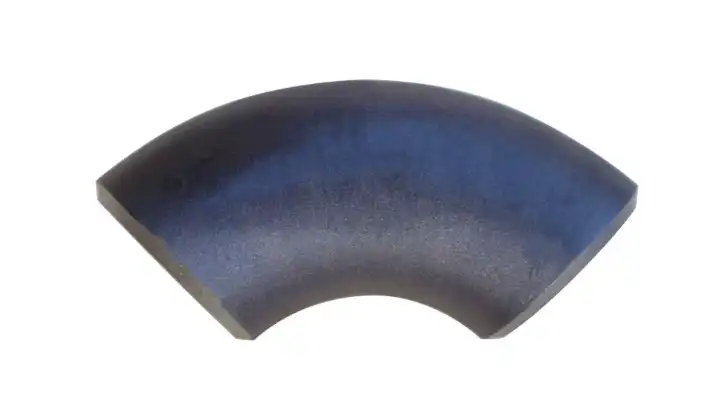
Most of the time, 90-degree elbows are used. They come in two types: long-radius (LR) designs, where the centerline radius is 1.5 times the nominal diameter, and short-radius (SR) designs, where the centerline radius is the nominal diameter. Even though they cost more, long-radius elbows are better for high-flow uses because they reduce pressure drop and fluid turbulence. Fittings with a short radius can fit in small spaces, but they make the flow more difficult.
Compared to multiple 90-degree fits, 45-degree elbows allow for slow changes in direction, which lowers pressure losses. Dimensional compliance follows ASME B16.9 standards, which list wall thickness schedules (Schedule 40, 80, 160, and XXS), outside width, and center-to-end lengths. Mechanical qualities like tensile strength, yield strength, and elongation rates are based on material grades, such as ASTM A234 WPB for seamless and welded fittings.
Pressure Ratings and Material Performance
There is a direct link between pressure levels, wall thickness schedules, and material grade requirements. Schedule 40 Carbon Steel Elbows can usually handle up to 1000 PSI of pressure at room temperature, while Schedule 160 elbows can handle over 3000 PSI for the same nominal sizes. According to ASME B31.3 derating factors, changes in temperature affect the allowed working pressures. This means that specifications need to be carefully aligned with running conditions.
Comparative Analysis: Carbon Steel vs. Alternative Materials
When it comes to value for money, Carbon Steel Elbows are better than stainless steel ones because they are usually 40–60% cheaper for the same size and pressure class. Stainless steel is better at resisting rust in acidic or chloride-rich environments, but carbon steel with the right protective coats works well in neutral pH environments and for dry gas services. PVC and HDPE options work well for moving toxic chemicals at low pressure, but they aren't as strong or able to handle high temperatures as metal fittings. When choosing a material, the decision maker weighs the original costs of purchase against the needs for lifecycle upkeep and environmental compatibility.
How to Procure Cost-Effective Carbon Steel Elbows from China Efficiently
To get the most cost-effective carbon steel elbows from Chinese makers, you need to carefully evaluate each seller, make sure the quality of the goods you buy is checked, and make sure there are clear rules for communicating with them. For foreign sourcing to work, technical specifications must be clear, and business due diligence must be done.
Supplier Qualification and Certification Verification
To start evaluating a provider, you should ask for all of their certifications, such as ISO 9001 quality management system certificates, special equipment manufacturing licenses, and material mill test results. Check the validity of the certification by searching databases of the issuing body and make sure that the scope of coverage covers the product categories that are needed. Ask for customer reference lists from businesses in the same industry as you, and use trade platforms and industry groups to do your own study on reputation.
Technical Specification Communication
Make thorough technical data sheets that list the required pressure class, dimensions, material grades, testing methods, and acceptance criteria. Make sure everyone understands the relevant rules, like ASME B31.3 for process piping or ASME B31.1 for power plumbing. Give engineering plans for unique setups and ask for approval of the manufacturing process before starting production. This clear paperwork stops specification mistakes that cause deliveries that don't meet requirements.
Price Negotiation and Order Structuring
Ask for detailed quotes that break down the prices of materials, production, testing, and shipping to find places where you can negotiate. Use large order amounts to set tiered pricing, and make framework deals for needs that will come up again and again. Explain how the terms FOB, CIF, and DDP affect who pays for what and when things are delivered. When negotiating payment terms, you might want to find a balance between the need for a deposit and fees based on when the check is finished.
Quality Inspection and Verification
Set up rules for pre-shipment inspections that can be done by third-party agencies or by customer reps auditing the plant. Checklists for inspections should include comparing measurements to the buy specs, testing the material's composition by positively identifying it, reviewing the documentation for pressure testing, and looking for surface flaws. Ask for chances to be a witness during tests for important pressure systems or high-stakes situations. In buy agreements, make sure there are clear acceptance standards and ways to handle nonconformances.
Logistics and Supply Chain Management
Make shipping plans while keeping in mind that lead times for standard goods are usually 30 to 45 days, and for special fabrications, they are 60 to 90 days. Think about optimizing containers to lower the cost of shipping each unit, and make sure you have the right amount of cargo insurance for the value of the package. Keep in touch with people throughout the production process by sending them information on milestones and warnings about possible delays. Make backup plans that include how to handle customs clearance and how to distribute the goods within the country.
Advantages of Choosing Chinese Carbon Steel Elbow Suppliers for Your Global Supply Chain
Chinese manufacturers have strong strategic advantages that go beyond just comparing prices. These advantages include production size, technological skills, and supply chain infrastructure that meet the needs of industries around the world.
Cost Competitiveness Without Quality Compromise
Chinese suppliers can offer lower prices because their supply lines are fully connected and connect where they get their raw materials, their specialized manufacturing tools, and their best ways to make things. There are a lot of fitting makers in industrial areas like Cangzhou. This makes the market competitive, which is good for buyers because prices are clear and there is room for negotiation. These cost savings are especially important for big projects that need thousands of parts, because the savings per unit get very big. Certified makers keep quality standards that are on par with Western producers while offering cost-effective carbon steel elbows with 20–35% price cuts on the same specs.
Production Scale and Capacity Reliability
Established Chinese makers run factories that produce between 10,000 and 50,000 tons of goods every year. This means that they always have stock and can make standard versions quickly. This production scale can handle both multi-phase project needs and emergency repair needs without having to stop production. The industrial infrastructure includes advanced forming equipment, heat treatment facilities, and full testing labs. This allows for full control of production within the company, from checking the raw materials to inspecting the finished product.
Infrastructure for exports and how well logistics work
China has a well-developed export infrastructure that uses efficient train and highway networks to connect industrial hubs to major ports. It is easy to get cheap ocean freight rates and flexible shipping plans because of its closeness to shipping hubs like Tianjin, Shanghai, and Qingdao. Suppliers who have done business internationally before can easily handle the paperwork, customs procedures, and quality approval processes, which makes it easier for buying teams to do their jobs. This knowledge of logistics is especially helpful for buyers who are in charge of multi-country distribution networks that need to arrange delivery times.
Technical Innovation and Customization Capability
Leading Chinese companies are always investing in new production technologies and quality control tools to keep their skills up to par with global standards. This technical base supports unique manufacturing needs like non-standard sizes, different types of materials, and marking or coating requirements that are specific to the project. As technical partners rather than just product providers, engineering support teams help with technical questions, the best way to choose materials, and advice that is specific to an application.
Conclusion
Finding cost-effective carbon steel elbows in China means balancing a lot of different factors, such as making sure the sellers are certified, having enough production capacity, being clear about prices, and having a history of exporting. Well-known Chinese manufacturers, like Cangzhou Oudi Pipe Manufacture Co., Ltd., which has thorough quality systems, a large production scale, and decades of experience supplying countries around the world, offer procurement teams a reliable way to find products that meet both their technical and budgetary needs. Careful supplier qualification, clear technical communication, and systematic quality testing methods that make sure given goods meet project requirements and international standards are all important for building strong relationships.
FAQ
1. What certifications should I verify when sourcing carbon steel elbows from Chinese suppliers?
Check for certifications of an ISO 9001 quality management system, ASME code stamps if they apply, and material certifications that meet ASTM A234 standards. Ask for Special Equipment Manufacturing Licenses that show you are following the rules in China. Third-party inspection records from SGS, TÜV, or Bureau Veritas add to the confidence in the quality. Make sure that the approval covers Carbon Steel Pipe Fittings and not just general production.
2. How do carbon steel elbows compare with stainless steel options regarding durability and cost?
Most of the time, Carbon Steel Elbows cost 40 to 60 percent less than stainless steel elbows of the same size and pressure grade. The climate affects how long something lasts. Carbon steel works well in dry, non-corrosive situations and can be covered with coatings for light exposure. Stainless steel is better at resisting rust in acidic or chloride-rich environments, but it doesn't offer any practical benefits in neutral conditions. For these reasons, carbon steel is the more cost-effective option for these uses.
3. What are typical lead times for bulk orders from Chinese manufacturers?
Standard Carbon Steel Elbow orders usually take 30 to 45 days to deliver from the time the order is confirmed, which includes production, testing, and shipping within the country to the port. Depending on how complicated they are, custom specs or shapes that aren't standard can make the lead time 60 to 90 days. It takes 25–35 days longer to ship containers to North America, and 30–40 days longer to ship containers to Europe. Setting up framework agreements with kept inventory cuts emergency order wait times by a large amount.
Partner with Oudi for Reliable Carbon Steel Elbow Solutions
Cangzhou Oudi Pipe Manufacture Co., Ltd. is happy to hear from procurement workers who need a reliable, cost-effective carbon steel elbow seller with a track record of quality and reasonable prices. Our factory is ISO 9001-certified and makes a wide range of fittings that meet ANSI, JIS, DIN, and BS standards. All of the materials used can be tracked back to their source, and third-party inspections are coordinated. With the ability to produce 16,000 tons per year and specialized export experience working with more than 40 countries, we offer the production stability and technical support needed for tough industrial uses. Email our team at oudi-04@oudiguandao.com to get full lists of our products, quotes for your specific project, and advice on how to make OEM customizations. Find out how working with a well-known Carbon Steel Elbow maker can improve the ease of your supply chain while keeping the quality control your projects need.
References
1. American Society of Mechanical Engineers. (2020). ASME B16.9: Factory-Made Wrought Buttwelding Fittings. New York: ASME International.
2. Davis, J.R. (2006). Carbon Steel: Properties and Selection. Materials Park, Ohio: ASM International Handbook Committee.
3. Liu, H. (2018). Pipeline Engineering and Construction Practices in the Oil and Gas Industry. Beijing: Petroleum Industry Press.
4. Mohitpour, M., Golshan, H., & Murray, A. (2007). Pipeline Design and Construction: A Practical Approach (3rd ed.). New York: American Society of Civil Engineers.
5. Nayyar, M.L. (2000). Piping Handbook (7th ed.). New York: McGraw-Hill Professional.
6. Zhang, W., & Chen, Y. (2019). Quality Management Systems in Chinese Manufacturing: Standards and Implementation. Shanghai: China Standards Press.

Need help finding the right solution with our experts. Please contact us.

SINCE 1998 Your Reliable Pipeline Manufacturer



