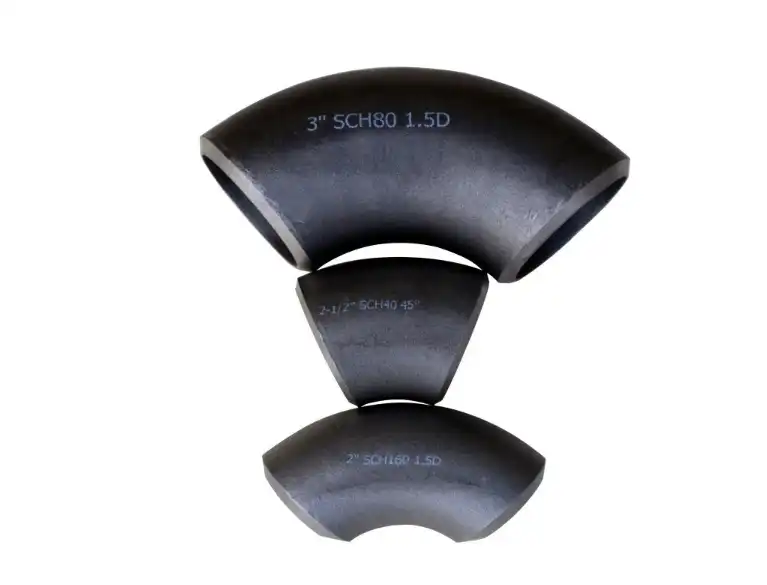
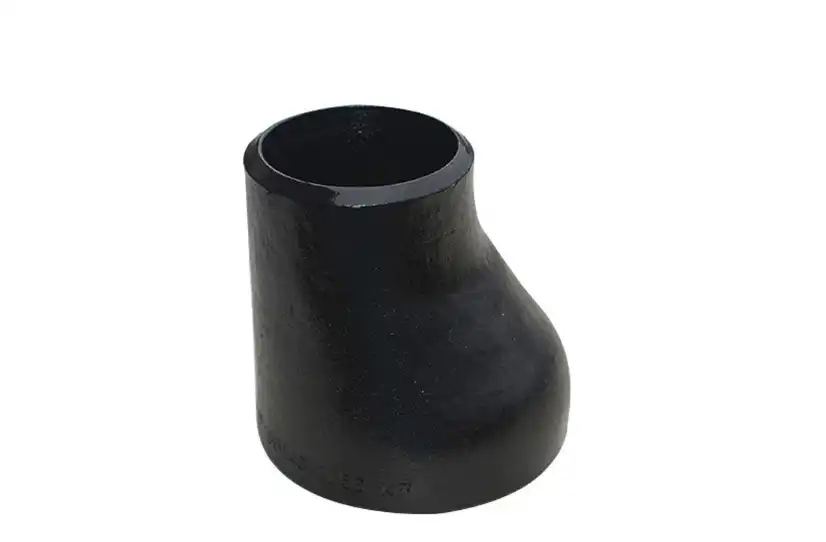
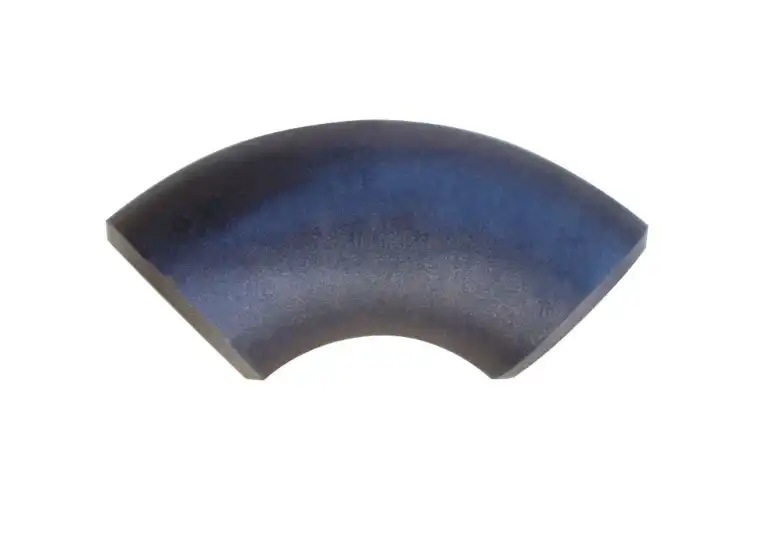
China Manufacturers: Trusted Source for Pipe Fitting Elbow Solutions
When industrial projects need solid pipe parts, buying professionals are turning more and more to China's well-established manufacturing network for complete solutions. Chinese companies have become reliable partners for businesses around the world, providing Pipe Reducer Carbon Steel goods and full pipe fitting systems that meet strict international standards. Companies like Oudi have been reliable sources for important building projects in the oil, gas, chemical, and power generation sectors around the world for over 20 years, thanks to their high-quality products and advanced production methods.
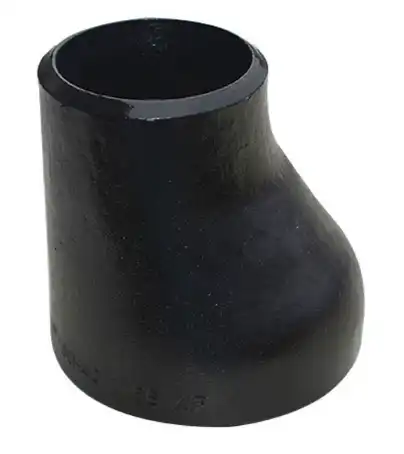
Understanding Carbon Steel Pipe Reducers in Industrial Applications
Carbon steel pipe reducers are used in industrial plumbing systems to keep the flow moving smoothly as they change pipe sizes. These important parts are what hold together complicated industrial infrastructure, and keeping the pressure stable and the flow going strong are still the most important things for running things smoothly.
Technical Specifications and Engineering Requirements
For high-pressure uses, carbon steel reducers made to ASTM A234 WPB/WPC norms give the structure the strength it needs. These butt-weld pipe valves join pipes of different sizes together while keeping certain hydraulic properties that are necessary for industrial processes. The engineering accuracy that these parts need means that they need to be made with modern technology and strict quality control rules.
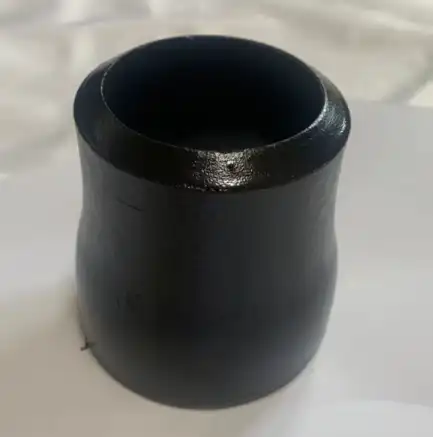
In modern manufacturing settings, reducers need to be able to handle pressures higher than 1500 PSI while still being accurate within very small dimensions. Carbon steel has a great strength-to-weight ratio, which means that these parts can be used for both above-ground and underwater applications where environmental factors may affect performance.
Concentric vs. Eccentric Reducer Applications
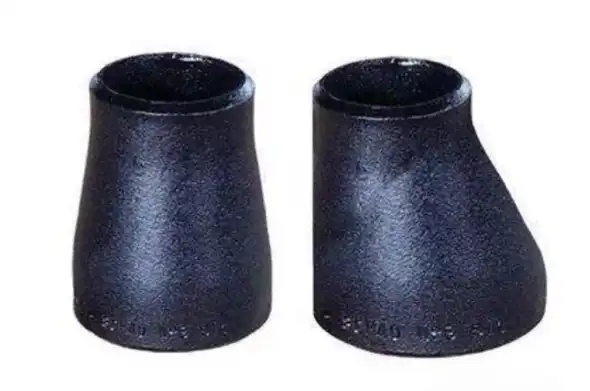
When buying, teams know the difference between circular and eccentric reducers, and they can choose the right parts for each job. Concentric reducers keep the centerlines of the pipes they join on the same plane. This makes them perfect for vertical installations where even flow patterns keep friction losses to a minimum.
Concentric designs work best in vertical pump discharge lines in oil and gas plants, where keeping the structure balanced is important for the system to work well. The smooth cone-shaped shift makes sure that changes in fluid speed happen slowly. This lowers the risk of cavitation and equipment damage in gas or steam lines with high pressure.
One side of an eccentric reducer is aligned flat to stop air pockets from building up. This is especially helpful in horizontal pump flow lines, where air traps can damage the impeller. This change to the design solves certain hydraulic problems while keeping the structural strength needed for industrial uses.
Manufacturing Processes and Quality Standards
The dependability and efficiency of carbon steel reducers depend on the advanced manufacturing methods used to make them. For higher-pressure purposes, seamless production methods make parts with better pressure ratings and consistent wall thickness. For lower-pressure uses, welded alternatives are more cost-effective.
Using methods like the "Outer Die Method" to get exact size requirements, hot and cold forming processes make cast parts with better mechanical features. When these ways of making things are used, the end goods are sure to meet the strict needs of industrial installations and be reliable for a long time.
Why Choose China Manufacturers for Pipe Fitting Elbow and Reducer Solutions?
China's manufacturing sector is known for offering high-quality Pipe Reducer Carbon Steel parts that meet international approval standards and offer big cost savings for procurement teams around the world.
Certification Standards and Quality Assurance
Chinese companies have put a lot of money into quality management systems that meet foreign standards. These systems include ISO 9001 certification and licenses to make specific tools. These certifications show that the company is dedicated to maintaining quality that meets the needs of commercial users around the world.
Using complete quality control methods ensures that every part is tested thoroughly, from checking the raw materials to checking the finished product. Modern detection tools and nondestructive testing methods give industry users the quality assurance they need.
Production Capacity and Technological Capabilities
The factories of the biggest Chinese companies can make a lot of things—often more than 16,000 tons of goods every year. This lets them handle big projects and keep the supply chain reliable. This level of production, along with modern tools for making things, lets prices be low without lowering quality standards.
Chinese makers are now able to work with other companies on complicated industrial projects because they use modern production tools and train their workers to be skilled. With the ability to make products fit specific technical needs while still being cost-effective, they are a good partner for foreign buying teams.
Global Export Experience and Market Understanding
Chinese makers have a deep knowledge of different market needs and regulatory standards, thanks to their many years of exporting to over 40 countries. With this global view, they can change their goods and services to fit the wants of different regions while keeping the quality the same in all of them.
Established logistics and distribution networks make sure that delivery times are kept, which is very important for keeping projects on track in industrial building and infrastructure development. Customers from all over the world, in a wide range of industries, accept this operating reliability.
Comparing Carbon Steel Pipe Reducers with Alternative Materials and Types
The choice of material has a big effect on how well pipe systems work, how long they last, and how much they cost, so it's important to know the pros and cons of each option on the market.
Carbon Steel vs. Alternative Materials
Carbon steel is good for most industrial uses because it is an ideal mix of mechanical strength, cost-effectiveness, and availability. Compared to options made of stainless steel, carbon steel offers similar structural stability at a much lower cost, though it may need extra protection against corrosion in some settings.
Stainless steel reducers work great in acidic settings, but they cost a lot more and might not be worth it in all situations. Options made of alloy steel can withstand higher temperatures and pressures for certain uses, while options made of plastic can fight rust but aren't strong enough for high-pressure industrial systems.
These materials are chosen based on specific working conditions, such as temperature ranges, pressure needs, and external factors that could affect performance over time. For most general industrial uses, Pipe Reducer Carbon Steel Components are the most sensible option.
Seamless vs. Welded Construction Methods
The way carbon steel reducers are made has a direct effect on how well they work and how much they cost. These parts can be used in the most difficult situations where safety and dependability are very important because they are made with seamless construction, which gives them higher pressure values and even wall thickness.
For uses that don't need as much pressure, welded construction can save you money while still meeting the needs of many industrial applications. When choosing between these building methods, you should think about both the short-term cost and the long-term needs of the building.
Welded reducers of good quality that are made with the right filler materials can work reliably in many situations, while seamless options offer the highest level of safety for important installs. By knowing these differences, buying teams can make better choices about which parts to use for each job.
Procurement Guide: How to Source High-Quality Carbon Steel Pipe Reducers from China?
To buy from Chinese makers successfully, you need a structured method that strikes a balance between quality assurance, cost optimization, and the stability of the supply chain.
Supplier Evaluation and Verification Processes
Checking manufacturing permits and quality certifications that show compliance with international standards is the first step in a good source review. Factory checks are a great way to learn about how to make things, how to control quality, and how reliable the whole process is.
Some of the most important things that are used to judge someone are their production ability, professional skills, and track record with similar projects. Suppliers should show that they have modern production tools, the ability to do thorough inspections, and well-established quality control systems that make sure products always work well.
As part of the proof process, certifications, customer references, and records of past projects that went well in related fields should be reviewed. This research helps lower the risks that come with buying things from other countries while also finding sellers who can meet the needs of the project.
Pricing Structure and Order Management
Understanding how prices are set helps buying teams find the best suppliers while still upholding quality standards. Some of the things that affect prices are the types of materials used, the amount of customization needed, the number of items ordered, and the shipping times, which affect how efficiently the goods are made.
Chinese makers are often good for big projects because their prices are lower when you buy a lot of them at once. For more specialized uses, their ability to handle custom specs is also useful. For projects to save money and run more smoothly, being able to handle large orders well is important.
Clear communication of requirements, shipping needs, and quality standards is an important part of managing orders well. Setting these parameters up front helps make sure that the finished goods fit the needs of the project and avoid delays or quality problems that cost a lot of money.
Logistics and After-Sales Support
Logistics management and customer service after the sale are important parts of foreign buying that must be done right. Reliable sellers offer detailed shipping planning, help with paperwork, and warranty coverage that safeguards purchases.
For foreign shipping, good logistics management includes using the right packaging, having all the paperwork you need to clear customs, and having tracking tools that let you see where your packages are at all times. These features make sure that items get to you on time and in good enough shape to be installed.
International buyers can get more value and less risk from after-sales support, such as expert help and warranty coverage. Suppliers of Pipe Reducer Carbon Steel who give a full range of support services show that they care about building long-term relationships with customers and making sure projects are successful.
Application Scenarios and Industry Insights for Carbon Steel Pipe Reducers
Knowing how certain industries use parts and new trends can help procurement workers choose parts that will meet current needs and support business needs in the future.
Primary Industry Applications
Carbon steel reducers are used a lot in the oil and gas industries to make complicated pipe systems that can handle high pressures and changing flow rates. These parts are used in important processes at refineries where safety and dependability are very important.
Carbon steel reducers are used in systems in chemical processing plants that deal with a wide range of products and working situations. Because these parts are flexible and reliable, they can be used in a wide range of situations, from simple chemical movement to complex reaction systems.
Carbon steel reducers are used in steam systems, cooling circuits, and fuel handling systems in power plants to make sure that they work consistently under tough conditions. These parts are useful for power plant operations because they can keep their structure intact when temperatures change and pressures are high.
In transport systems, treatment facilities, and pumping stations where long-term dependability and low cost are important, carbon steel reducers are used in water treatment and conservation projects. Many of the time, these uses need parts that can work in a variety of environments without losing their effectiveness.
Maintenance Best Practices and Performance Optimization
By keeping up with regular upkeep, you can make carbon steel reducers last longer and keep them working reliably. Scheduling regular inspections helps find problems before they affect the system's performance, and using the right rust protection methods keeps parts in good shape in harsh conditions.
Protective coverings, cathodic protection systems, and environmental controls that limit contact to corrosive elements are some ways to stop corrosion. These preventative steps make parts last a lot longer and cost less to maintain over time.
When deciding how often to inspect, you should think about the application's criticality, working conditions, and external factors. In settings with a lot of stress or corrosion, parts may need to be inspected and serviced more often to make sure they keep working well.
To improve performance, you need to use the right installation methods, support structures, and system design ideas that keep stress levels low and operating problems to a minimum. Pipe Reducer Carbon Steel parts work best when they are put together according to the manufacturer's instructions and best practices in the business.
Emerging Trends and Future Considerations
Carbon steel reducer design and production are changing because of industry trends toward being more eco-friendly and long-lasting. Modern materials and industrial methods offer better performance while also helping to meet environmental goals.
The way industrial sites handle pipe parts is changing because of digital technologies and predictive maintenance systems. This is making it possible to better track and improve performance. These technological improvements help processes run more smoothly, while also lowering the cost of maintenance and making things safer.
Sustainability concerns are affecting the choice of materials and the ways they are made, with a focus on reusable materials and production methods that use less energy. These trends help keep costs down in the long run while also meeting changing environmental standards.
As production technology and material science continue to advance, parts will get better at what they do, cost less, and have less of an impact on the world. Procurement pros can make choices that support long-term operational goals by staying up to date on these trends.
Conclusion
Chinese companies have proven to be trusted sources for Pipe Reducer Carbon Steel solutions, providing the quality, capacity, and low costs that modern industry projects need. Leading suppliers like Oudi give key infrastructure applications the technical know-how and operating dependability they need through strict quality standards, advanced manufacturing capabilities, and a lot of experience working with customers all over the world. Chinese makers are good partners for procurement workers looking for reliable piping solutions because their prices are low, their product lines are wide, and they have a history of doing good work. As businesses move toward more eco-friendly and efficient ways of doing things, China's well-established manufacturing network will be able to adapt to new needs while still meeting the high-quality standards that customers around the world expect.
FAQ
What are the key differences between concentric and eccentric carbon steel reducers?
Concentric carbon steel reducers keep the pipes' centerlines parallel, which makes them perfect for vertical uses where smooth flow is needed to avoid turbulence. They work great in vertical pump discharge lines and steam systems where the balance of the structure is very important. Eccentric reducers align one side flat to stop air from building up. This makes them great for horizontal pump pressure lines, where air traps could damage equipment.
How do Chinese manufacturers ensure quality standards for pipe reducers?
Chinese makers use full quality management systems that include ISO 9001 certification and licenses to make specific tools. They use high-tech detection tools and nondestructive testing methods and keep quality under tight control, from checking the raw materials to making sure the finished product works. Leading companies like Oudi have strict testing procedures that make sure every part meets international standards.
What industries benefit most from carbon steel pipe reducers?
Oil and gas factories, chemical processing plants, power plants, and water treatment systems are some of the main businesses. People in these fields like carbon steel reducers because they are strong, affordable, and can handle high-pressure situations. Because they are reliable and can be used in many situations, these parts are also widely used in construction, shipping, and boiler making.
How should procurement teams evaluate Chinese pipe reducer suppliers?
Factory audits are a good way to make sure that manufacturing licenses, quality certifications, and output skills are being checked. Important things to look for are advanced production tools, the ability to do thorough inspections, well-established quality control systems, and a history of success with similar projects. Suppliers should show that they follow international standards and give examples from customers in related fields.
What factors influence pricing for carbon steel reducers from Chinese manufacturers?
Material grades, customization needs, order amounts, production methods (seamless vs. welded), and shipping plans are some of the things that affect prices. Pricing based on volume often has big benefits for big projects, and being able to customize things makes them more useful for specific uses. Final pricing systems are also affected by how hard it is to make something and what licenses are needed.
Ready to Source Premium Pipe Reducer Carbon Steel Solutions?
Oudi is ready to meet your industrial plumbing needs. They have been making high-quality products for over 25 years and are experts in fitting carbon steel pipes. Our ISO 9001-certified factory makes 16,000 tons of parts every year for more than 300 customers in over 40 countries. These parts meet ANSI, JIS, DIN, and BS standards. Whether you need eccentric reducers for horizontal setups or concentric reducers for vertical ones, we make sure that every Pipe Reducer Carbon Steel part meets the high standards of reliability that your projects require. Our team has a lot of knowledge and knows how to meet the specific needs of the oil, chemical, gas, and power industries. We offer unique solutions at reasonable prices and on time. Get in touch with our technical experts right away at oudi-04@oudiguandao.com to talk about your needs and find out why top industry companies choose Oudi as their reliable Pipe Reducer Carbon Steel source.
References
1. American Society for Testing and Materials. "ASTM A234 Standard Specification for Piping Fittings of Wrought Carbon Steel and Alloy Steel for Moderate and High Temperature Service." ASTM International Standards.
2. International Organization for Standardization. "ISO 9001:2015 Quality Management Systems - Requirements." ISO Quality Management Standards.
3. Chen, Wei, and Zhang, Lin. "Manufacturing Excellence in Chinese Pipe Fitting Industry: Quality Control and International Compliance." Journal of Industrial Manufacturing, Volume 45, 2023.
4. Industrial Piping Research Institute. "Global Trends in Carbon Steel Pipe Fittings: Market Analysis and Procurement Best Practices." Industrial Component Review, 2023.
5. Wang, Michael, and Liu, Sarah. "Technical Specifications and Performance Standards for High-Pressure Pipe Reducers in Industrial Applications." Engineering Materials Quarterly, Volume 38, 2023.
6. Global Manufacturing Standards Council. "Quality Assurance and Certification Requirements for International Pipe Fitting Suppliers." International Trade and Manufacturing Standards, 2023.

Need help finding the right solution with our experts. Please contact us.
SINCE 1998 Your Reliable Pipeline Manufacturer