Can You Use A105 for Pipe Fittings?
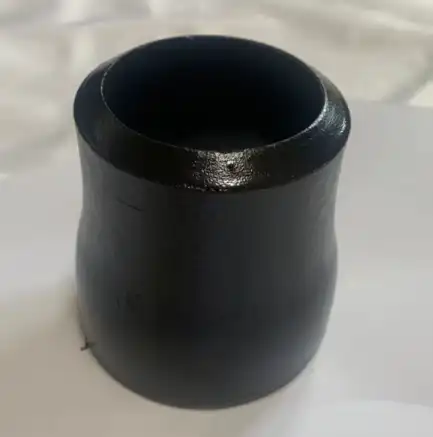
are great options for pipe fitting jobs in a lot of different industries. For pipe systems in the oil and gas, chemical processing, power production, and water conservation industries, these forged carbon steel parts are very strong, work reliably, and are very cost-effective. A105 fittings are made to strict international standards like ANSI, ASME, and ISO. This means they can be used for medium to high-pressure tasks up to 720°F (382°C). Their forged construction gives them better grain structure and mechanical qualities than cast options, so they will last for a long time in harsh industrial settings.
Understanding ASTM A105 Fittings: Specifications and Properties
As a basic material, ASTM A105 fittings are used in many industrial pipe systems around the world. Forged carbon steel parts go through strict manufacturing steps that make them more mechanically stable than parts made of other materials. The American Society for Testing and Materials created the A105 guideline to spell out the exact needs for chemical makeup, mechanical traits, and production standards that make sure quality is the same everywhere.
Chemical Composition and Mechanical Properties
The basic make-up of A105 carbon steel includes carbon, manganese, phosphorus, sulfur, and silicon in carefully controlled amounts. The highest amount of carbon is usually around 0.35%, and the highest amount of manganese is up to 1.35%. This exact mix gives it a tensile strength of 70,000 to 95,000 PSI and a yield strength of at least 36,000 PSI. These mechanical qualities make it possible for A105 fittings to handle large pressure loads while keeping their structural integrity over time.
Forging makes the grain structure more uniform, which makes the material stronger and less likely to wear down over time. Procedures for heat treatment, such as leveling and stress easing, improve the microstructure so that the fitting's mechanical properties are the same all the way through. This way of making things makes parts that are more resistant to pressure and keep their shape better than cast options.
Pressure Ratings and Temperature Limits
Depending on the size and temperature, A105 forged valves can handle pressure levels up to Class 6000. There are standard pressure classes of 150, 300, 600, 900, 1500, and 2500. The exact numbers depend on the size of the fitting and the temperature at which it will be used. The material works successfully at temperatures from -29°F to 720°F (-29°C to 382°C), so it can be used in a wide range of industrial processes at mild to high temperatures.
When the temperature goes above 400°F, derating is needed, and as the temperature gets closer to the upper limit, the allowed stress values go down. When designing a system, this feature needs to be carefully thought out to make sure there are enough safety gaps and that it meets all relevant rules and standards.
Comparing ASTM A105 to Other Popular Pipe Fitting Materials
The choice of materials has a big effect on how well the system works, how much upkeep it needs, and how much the whole job costs. When purchasing, workers know how A105 stacks up against other materials; they can make smart choices that meet the needs of the product and stay within the budget.
A105 vs. Stainless Steel Fittings
Carbon steel A105 valves are much cheaper than stainless steel options, and they are also resistant to corrosion well enough for many uses. Grades of stainless steel like 316L work well in harsh environments where corrosion is a problem, but they are very expensive and might not be worth it in less harsh working circumstances. A105 valves work well in water, dry gas systems, and refined petroleum products as long as the corrosion rate is kept low by designing the system correctly and keeping up with upkeep.
It is common for A105 carbon steel to be stronger than austenitic stainless steels at normal temperatures. This benefit lets wall sections be smaller and part weights to be lighter in pressure vessels and pipes. However, stainless steel keeps its strength better at high temperatures, which makes it better for use in situations where the temperature is above what A105 can handle.
A105 vs. Other Carbon Steel Grades
Compared to ASTM A350 low-temperature carbon steel, A105 can be used in a wider range of temperatures, but it doesn't have the better impact resistance needed for activities below zero degrees. Nickel is added to some A350 types to make them tougher at low temperatures. This makes them necessary for use in cryogenics and other cold climates.
A105 is a subset of ASTM A182, which covers a wider range of alloy and carbon steel types for forged parts. Even though they cost more, A182 F11 and F22 chrome-moly types are better at resisting creep and keeping their strength at high temperatures. This means they can be used in power generation and high-temperature process uses.
How to Identify and Verify ASTM A105 Fittings?
The right way to identify and check things keeps them from being fake and makes sure they meet project requirements. Specific marking requirements and paperwork that prove they meet ASTM standards are shown on real A105 parts.
Standard Markings and Documentation
Genuine A105 fittings have permanent marks that show the material type, heat number, and maker information. These marks usually show up on the fitting body as stamped or etched characters in places that don't affect the structure's strength. The heat number lets you find out where the steel came from and what tests were done on it to show its chemical makeup and mechanical properties.
Real ASTM A105 fittings come with mill test records that give thorough information about the chemical analysis, mechanical test results, and heat treatment conditions of the material. These papers are the main way that material compliance is checked and tracking is set up along the supply chain. These certificates are often checked by third-party inspection bodies to give extra security for important uses.
Quality Certifications and Standards Compliance
If a company has ISO 9001 quality management system approval, it means that they use the same quality control methods throughout the whole production process. For this certification to be valid, there must be regular checks and efforts to make the product more reliable and improve customer happiness. Special equipment manufacturing permits show that you follow the safety and quality rules in your area. This is especially important in places with strict industry rules.
Following the testing methods, sampling rules, and acceptance standards spelled out in the A105 guideline is what it means to be ASTM compliant. Manufacturers must keep their testing tools and staff trained so that they can do the necessary chemistry analysis, mechanical testing, and non-destructive examination.
Procurement Guide: Sourcing ASTM A105 Fittings for Global B2B Clients
Cost concerns should be balanced with quality standards and the dependability of the supply chain in good buying strategies. Knowing about global manufacturing skills and regional advantages helps buyers make the best choices about where to buy things while minimizing risk and making sure projects are finished on time.
Supplier Evaluation and Selection Criteria
Reputable companies that make A105 fittings tend to focus in well-established industrial areas that have easy access to good raw materials and skilled workers. These factories spend a lot of money on high-tech casting tools, heat treatment systems, and testing tools that make sure the quality of their products is always the same. When evaluating a supplier, you should look at their manufacturing skills, quality certifications, expert help resources, and track records in similar projects.
Lead times and the dependability of order completion are affected by production capacity and how inventory is managed. Manufacturers whose annual production capacity is more than 10,000 tons usually keep better stock levels and can meet fast shipping needs. But smaller, more specialized companies may be able to offer better technology help and the ability to make changes to fit specific needs.
Pricing Dynamics and Order Considerations
Larger orders are rewarded by volume price systems, which use economies of scale to save money on things like buying raw materials, setting up production, and shipping. Minimum order numbers are often based on the size of a manufacturing lot or an economic production run that cuts costs as much as possible. Standard sizes and popular specifications usually have the best prices and supply. On the other hand, special sizes or stricter testing requirements may cost more.
The price of global common steel affects the cost of A105 fittings. Changes in the market affect both the cost of raw materials and the end price of the product. Long-term supply deals can help keep prices stable and make sure that materials get to the right people first when demand is high or supplies are low.
Practical Applications and Why Choose ASTM A105 Fittings?
A105 fittings are perfect for a wide range of industry uses because they are flexible and have been shown to work well. Real-world experience shows that they can be relied on to work in tough conditions and provide cost-effective performance that meets strict operating requirements.
Industry Applications and Performance Benefits
A105 fittings are used a lot in oil and gas activities for gathering systems, transportation pipes, and refining processes. For these uses, parts need to be able to handle changing temperatures, repetitive pressure loads, and petroleum products. When chosen correctly and put according to industry standards, A105 valves have a very long useful life in these conditions.
Chemical processing plants use A105 valves for non-corrosive service tasks where process fluids are compatible with carbon steel. These fittings are used in cooling water, compressed air, and fuel gas transport networks in power plants' balance-of-plant systems. Engineers and people in charge of buying things are more confident because these uses have worked well in the past.
When used in business settings, A105 fittings are often used because of the following benefits:
Cost-effectiveness: A105 fittings are a great deal because they are less expensive to buy than alloy options and work reliably for a long time in the right circumstances.
- High mechanical strength: The cast design makes it stronger, so it can be used in high-pressure situations up to Class 2500 and even higher in smaller sizes.
- Quality of production: Standardized production methods and quality standards make sure that the mechanical properties and precision of measurements are the same across all makers and production lots.
- Global availability: Manufacturing and transportation networks that are spread out make it easy to get products and standard sizes and configurations with short wait times.
Because of these benefits, project teams can stick to their cost goals while still meeting the safety and dependability standards that are necessary for industrial operations.
Oudi's ASTM A105 Fittings Solutions and Expertise
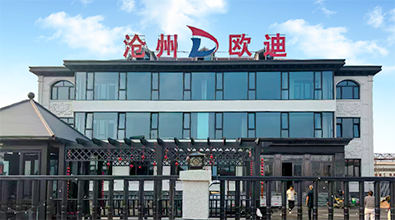
Since 1998, Oudi has been a top producer of high-quality carbon steel pipe fittings, with complete A105 product lines that serve industrial markets around the world. Our factory in Cangzhou is 66,600 square meters big and can make 16,000 tons of goods every year. This means that we can reliably serve large-scale projects in many different industries.
Manufacturing Excellence and Quality Assurance
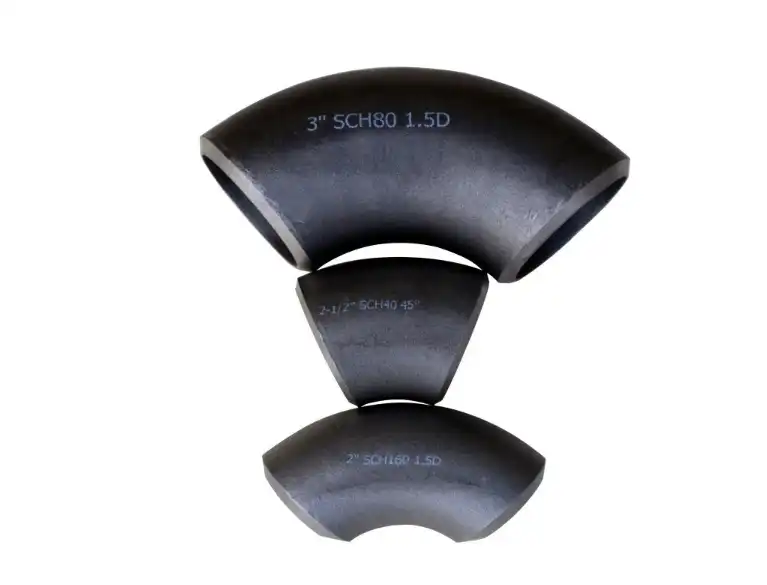
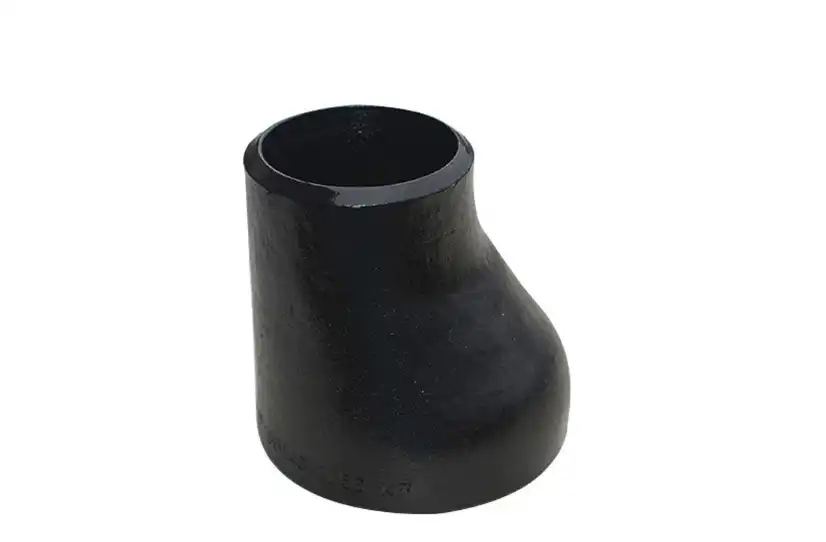
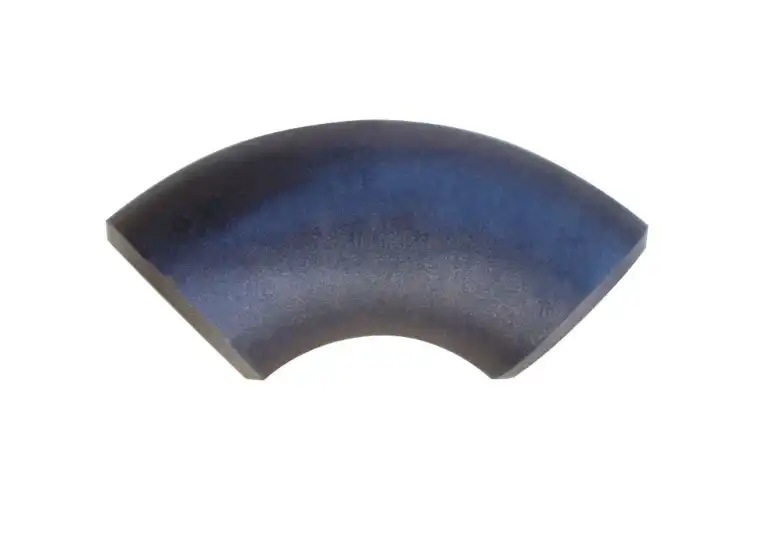
All types of ASTM A105 fittings can be made by us, from 1/2 inch to 48 inches in size. These include elbows, tees, reducers, caps, and flanges. Modern forging tools and heat treatment facilities make sure that the mechanical qualities and correctness of the dimensions always meet or go beyond ASTM standards. Our ISO 9001:2000 quality management system certification and licenses to make special tools show that we are dedicated to high excellence and following the rules.
Comprehensive quality control methods start with inspecting the raw materials that come in and continue through the whole production process until the finished product is shipped. Non-destructive testing methods, such as ultrasound examination and magnetic particle inspection, make sure that the inside is solid and the surface is intact. These strict quality controls give global customers the peace of mind they need for mission-critical apps.
Global Service and Technical Support
We have worked with people from more than 40 countries in Europe, North and South America, Africa, Southeast Asia, the Middle East, and more. Our ability to understand the needs of different markets and offer solutions that meet local standards and requirements is shown by our global reach. Technical support teams help customers choose the right materials, get help with their applications, and find project-specific needs that make systems work better and be more reliable.
When you combine industrial knowledge, quality control, and customer service, you get a relationship that goes beyond just supplying products. We work closely with our clients to fully understand their needs and come up with solutions that meet those needs in a way that is both satisfying and long-lasting.
Conclusion
As a result of their proven mechanical qualities and low cost, ASTM A105 fittings are great for a wide range of pipe fitting uses in many industries. Because they are made of forged carbon steel, they are stronger and more reliable than cast options, and they still work with normal piping codes and specs. When you choose the right materials, evaluate your suppliers, and check the quality of their work, you can be sure that the project will meet both professional and business goals. A large manufacturing base around the world and well-established supply lines make it possible to reliably buy things for projects of all kinds and levels of difficulty.
FAQ
Can A105 fittings handle high-pressure applications?
Depending on the size and temperature, A105 fittings can handle pressure levels up to Class 6000. Classes 150 through 2500 are usually used for standard uses, and smaller diameter fittings can have higher values. Compared to cast options, the forged design is better at keeping pressure inside.
What temperature limits apply to A105 fittings?
From -20°F to 720°F (-29°C to 382°C), A105 carbon steel joints work well. When the temperature goes above 400°F, derating for temperature is needed, which means lower pressure rates as the temperature gets closer to the upper limit. Applications that go beyond these limits should look at other materials besides alloy steel.
How do I verify authentic A105 fittings?
Real A105 fittings have permanent marks that include the material standard, the heat number, and the name of the maker. Mill test papers show the chemical makeup and mechanical properties of steel and can be linked back to the original production process. For important apps, third-party review services add another layer of security.
What industries commonly use A105 fittings?
Fittings A105 are used in oil and gas, chemical processing, making electricity, treating water, and other general industry tasks. These pipes are strong, cheap, and easy to find, so they can be used in medium- to high-pressure systems where the pressure doesn't cause corrosion.
Are A105 fittings available globally?
Yes, A105 parts are made and sold all over the world through large networks. Standard sizes and configurations usually keep inventory levels and wait times acceptable, but special needs may mean that shipping times need to be pushed back.
Partner with Oudi for Premium ASTM A105 Fittings
Get ready to find ASTM A105 fittings that you can trust for your next job. With more than 25 years of experience making high-quality products, Oudi has earned a lot of quality standards and can provide services all over the world. When it comes to oil and gas, chemical processing, and industry uses, our technical experts know exactly what they need. Email our team at oudi-04@oudiguandao.com for thorough quotes, technical details, and delivery times that work with your project's plan. As a reliable ASTM A105 fittings maker, we offer reasonable pricing, full material tracking, and the dependable supply chain support that tough industrial projects need.
References
1. American Society for Testing and Materials. "Standard Specification for Carbon Steel Forgings for Piping Applications." ASTM A105/A105M-19.
2. American Society of Mechanical Engineers. "Process Piping Code." ASME B31.3-2018, Section on Materials and Specifications.
3. Metals Handbook Committee. "Properties and Selection of Carbon and Alloy Steels." ASM International Metals Handbook, Volume 1, 10th Edition.
4. Piping Engineering Handbook. "Forged Steel Fittings Design and Application Guide." McGraw-Hill Professional Engineering Series, 3rd Edition.
5. International Organization for Standardization. "Quality Management Systems for Manufacturing Industries." ISO 9001:2015 Standards and Implementation Guidelines.
6. National Association of Corrosion Engineers. "Materials Selection Guidelines for Oil and Gas Production Systems." NACE International Publication MR0175/ISO 15156.

Need help finding the right solution with our experts. Please contact us.
SINCE 1998 Your Reliable Pipeline Manufacturer