Carbon steel elbow supplier Buying Guide for Engineers
When engineers are looking for a dependable carbon steel elbow supplier, they have to find a balance between the need for technical accuracy and the need to make purchases. The right supplier doesn't just send fittings; they become a strategic partner that helps keep the system running smoothly, projects on time, and within budget. This guide tells you what you need to think about in order to make smart decisions that protect your piping systems and your company's bottom line. It starts with understanding product specifications and ends with evaluating supplier credentials.
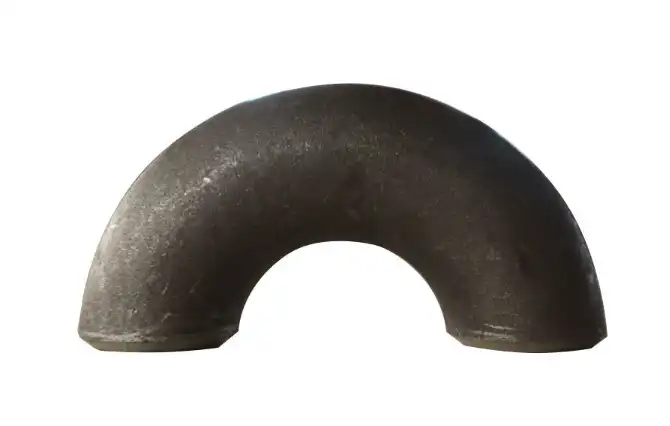
Understanding Carbon Steel Elbows and Their Specifications
Carbon steel elbows are the directional backbone of industrial piping systems. They change the flow paths in places like oil refineries, chemical processing plants, power plants, and water treatment facilities. Choosing these parts was a very important engineering choice because they deal with everything from toxic chemicals to high-pressure steam.
Types of Carbon Steel Elbows and Manufacturing Methods
The method of making something has a big effect on its cost and performance. Most carbon steel elbows are made using hot forming processes, with hot pressing and thermal bending being the main ones. By heating pipe sections and driving them through dies, hot pressing makes smooth elbows. This method makes joints without weld gaps that could weaken the structure. For bigger diameter uses, thermal bending warms pipes to certain temperatures before shaping them at an angle.
There are three types of carbon steel elbows based on how they are joined: butt welded elbows (which come in both seamless and welded versions), socket welded elbows, and threaded pipe elbows. Butt-welded elbows are stronger for high-pressure uses because they are joined by welding the ends to each other. Socket welding versions slide over the ends of the pipes before welding, which makes installation easier in systems with smaller diameters. Threaded elbows make connections that can be taken off in places where maintenance is needed a lot easier.
Critical Specifications Engineers Must Evaluate
Corrosion protection and dynamic strength are directly related to the make-up of a material. ASTM A105 carbon steel elbows are commonly used for high-pressure applications up to 2000LB. They are very durable and work well in steam, gas, and oil systems. The chemical makeup, especially the amount of carbon between 0.20% and 0.30%, decides how well something can be welded and how hard it is.
Radius classifications change how flows and how much space is needed. Long radius (LR) elbows have a central radius that is 1.5 times the standard pipe diameter. This keeps pressure drops and corrosion to a minimum in systems with high speeds. Short radius (SR) versions, whose centerline radii are the same as the nominal diameter, are good for small installations where hydraulic efficiency is less important than space. In industries like chemical processing and construction, where directions change often and space is limited, the 45-degree short radius elbow is very useful.
The working conditions must match the pressure and temperature limits. At room temperature, elbows rated for Class 150 to Class 2500 can handle pressures between 285 PSI and 6170 PSI. Temperature ranges from -20°F to 650°F are sufficient for most industrial situations, but these ranges can be widened by adding certain alloys.
Dimensional Standards and Compatibility
International guidelines make sure that parts of global projects can be used together. ASME B16.9 sets the rules for factory-made metal butt-welding parts in the US. It says what the measurements, limits, and markings must be. The ASTM A234 standard lists the different types of materials that can be used to make carbon steel fittings, and the API 5L standard covers line pipe elbows in systems that move oil and gas. Engineers working on foreign projects have to deal with the JIS B2313 (Japanese), DIN 2605 (German), and BS 1640 (British) standards. Each has small differences in size that affect the buying requirements.
How to Choose the Right Carbon Steel Elbow Supplier
Supplier selection extends beyond price comparison—it encompasses quality assurance, technical capability, and long-term partnership potential. The consequences of choosing inadequately certified suppliers range from system failures to regulatory violations and project delays.
Certification Compliance and Quality Management Systems
ISO 9001:2000 certification is the basic standard for quality management for a Carbon steel elbow supplier. It shows that documented processes are used to make sure that products are made consistently. We at Oudi Pipe Manufacture have this certification along with a special equipment manufacturing licence from the People's Republic of China. This proves that we can make safety-compliant pressure-bearing parts. These certificates aren't just pieces of paper; they show that quality control is being carried out in a planned way, from checking the raw materials to testing the finished product.
Material test records (MTRs) that come with every package prove the chemical make-up and mechanical qualities of the goods and can be linked to steel mill heat numbers. When projects need extra security, third-party inspection companies like SGS, TUV, and Bureau Veritas can provide independent verification. Suppliers who won't let a third party check their goods should immediately raise issues about the uniformity of their products.
Manufacturing Capabilities and Technical Infrastructure
Production capacity has a direct effect on how reliably deliveries happen. Our yearly output of 16,000 tonnes keeps supply lines stable for both emergency requests and planned stock builds. Accuracy in measurements and quality of the surface finish depend on high-tech production tools like CNC pipe benders, hot forming presses, and automated welding stations.
The abilities of detection equipment set good suppliers apart from great ones. Ultrasonic testing finds problems inside that can't be seen, and hydrostatic testing makes sure the pressure stability is correct. Spectroscopic analysers check the chemical make-up, and physical measurement tools make sure the product meets the requirements of the drawing. Our site keeps a wide range of testing tools on hand so that every output batch can go through full inspection processes and nondestructive flaw discovery.
Service Reliability and Commercial Terms
Lead times are very different between providers. Standard orders can be filled within 15 to 30 days by well-known manufacturers with inventory management systems. However, custom orders that need special materials or certifications may take 45 to 60 days. Minimum order quantities (MOQs) affect the total cost of acquisition. Suppliers with lower MOQs offer more options for prototype installations and small-scale projects, but the price per unit may go up.
When problems happen in the field, after-sales help is very important. Suppliers who offer technical support, help with installation, and warranties show that they are committed to the long term. Our team provides mechanical help throughout the entire lifespan of a project, answering worries about fit-up and suggesting solutions for unplanned field situations.
Regional Sourcing Considerations and Global Supply Networks
Total landing prices and supply chain stability are affected by geography. We are in the Lushop Industrial Zone in Mengcun Hui Autonomous County, which is known as China's "fitting capital." This puts us close to suppliers of specialised raw materials and skilled workers. We are 120 kilometres from Tianjin Port and have direct access to the highway, which makes it easy to load containers and ship goods between countries.
We have set up delivery networks in Europe, North and South America, Africa, Southeast Asia, and the Middle East to serve more than 300 customers in 40 countries. With this global reach, regional product placement and faster emergency reaction are possible compared to providers with only one location. Engineers in charge of projects in Iran, Singapore, and Greece can use our established logistics partnerships and knowledge of how to handle customs paperwork in these countries.
Procurement Process for Carbon Steel Elbows
Structured procurement processes reduce errors, accelerate approvals, and optimize costs. Understanding each phase helps engineers coordinate with purchasing departments and suppliers effectively.
Technical Specification Development and Quote Requests
Specifications that are too detailed for a Carbon steel elbow supplier can lead to misunderstandings and change orders. The nominal pipe size, schedule thickness, elbow angle (45°, 90°, or custom), radius type (LR/SR), material grade, pressure class, end preparation (bevelled for welding, threaded, or plain), surface finish requirements, and relevant standards (ASME, ASTM, API, etc.) should all be written down by engineers. Both the entrance and exit sizes must be clearly stated to reduce bends.
Quote requests should include expected amounts, where the goods need to be delivered, when they need to be delivered, any certification needs (MTRs, third-party inspection, special finishes), and how the goods should be packaged. Giving suppliers information about the project, like the industry, operating conditions, and how important it is, lets them suggest the best specifications and point out any possible application problems.
Sample Approval and Quality Verification
Checking a sample before buying a lot of them helps avoid confusion about the specifications. Comparing the dimensions to the drawings proves that the product was made correctly, and a visual inspection shows how good the surface finish is. Chemical makeup is checked with testing, and tensile strength and stiffness are checked with mechanical testing.
Certification check makes sure that all the paperwork is correct. Certifications from steel mills should be linked to material test reports, production dates and heat treatments should be written down in factory records, and test results should be compared to acceptance standards in inspection reports. Problems found during sample review are much easier to fix than problems found after the full order arrives.
Logistics Coordination and Inventory Management
Packaging standards keep items from getting damaged during transit, which could affect how well they fit. Wooden boxes with plastic wrapping protect against wetness and pressure, while individual wrapping prevents surface scratches during handling. Container loading plans make the best use of space; a standard 20-foot container can hold between 20 and 25 tonnes, depending on the sizes of the fittings and the way the goods are packed.
Choice of shipping way strikes a mix between cost and speed. With travel times of 30 to 45 days from Chinese ports to US destinations, sea freight is a cheap way to build up your inventory. Air freight can handle urgent orders at higher costs and deliver them in 5 to 7 days. When engineers make plans for projects, they need to take into account the time it takes to clear customs, which usually adds 3–7 days to the travel time.
By buying in bulk, you can save money on each unit and make sure that materials are always available for projects that are being worked on in stages. Negotiating annual supply agreements with scheduled releases lets you lock in good prices while still having some flexibility in your cash flow. These setups work especially well for EPC workers who are in charge of several projects at once that all have the same requirements.
Comparing Carbon Steel Elbows with Other Materials
Material selection involves tradeoffs between performance characteristics, environmental compatibility, and budget constraints. Understanding these distinctions prevents over-specification and under-specification errors.
Carbon Steel Versus Stainless Steel Performance
Carbon steel elbows are the most cost-effective choice for environments that don't corrode or only slightly corrode. Carbon steel is good for water distribution systems, low-pressure steam lines, and fuel service where hydrogen sulphide levels stay below acidic limits. Its material costs are about 30–40% less than those of stainless steel alternatives.
Different types of stainless steel (304, 316, and duplex grades) don't rust when exposed to acids, chlorides, or high temperatures. The higher price is worth it for offshore platforms, chemical processing units that deal with acidic streams, and food-grade uses. Temperature powers are very different. Carbon steel can keep its shape up to about 650°F, but stainless types can safely work above 1200°F.
When the temperature and pressure are normal, carbon steel has a higher yield strength (15–20%) than austenitic stainless steels of the same size. At high temperatures, where steel grades keep their strength better, this benefit becomes less important. Material densities don't change much, so weight concerns don't change much either.
Alloy Steel Applications and Specialized Requirements
Alloy steel elbows with chromium, molybdenum, and vanadium in them are better at handling harsh conditions. Power plants that use high-pressure, high-temperature steam systems choose grades like ASTM A234 WP11 and WP22 because they don't creep and stay stable at temperatures above 800°F. To keep hydrogen from weakening the metal, petrochemical crushers that work with streams that are high in hydrogen need steel fittings.
Depending on the alloying elements and heat treatment needs, alloy steel from a Carbon steel elbow supplier can cost 60 to 150% more than carbon steel. When carbon steel would fail too soon, these materials are worth the extra cost because they prevent catastrophic leaks and unplanned shutdowns that are much worse than the difference in material costs.
Seamless Versus Welded Construction Trade-offs
When hot forming is used to make seamless elbows, lengthwise weld gaps are eliminated. This gives the fitting a uniform grain structure. This design is better at handling changes in pressure over time, which is why seamless goods are chosen for important tasks like high-pressure gas gearbox and boiler feedwater systems. It is easier to do ultrasonic tests when there are no weld zones that need extra care.
When the diameter is over 12 inches, welded elbows made from rolled plate or pipe sections with longitudinal welds cost 15 to 25 percent less than seamless elbows of the same size. Welded valves of good quality work consistently in steady-state situations where pressure doesn't change a lot. Radiographic testing confirms the stability of the weld, which raises the cost of inspections but makes sure the structure is sound. Low-pressure process pipe, water distribution, and structural uses can all use welded construction without any performance problems.
Benefits and Value of Choosing High-Quality Carbon Steel Elbows
Investment in premium fittings delivers returns through extended service life, reduced maintenance expenses, and enhanced system safety. Understanding these advantages helps justify procurement decisions to cost-focused stakeholders.
Mechanical robustness ensures structural integrity under operating stresses. High-quality carbon steel elbows withstand pressure surges, thermal expansion stresses, and external loads from piping supports without deformation or cracking. Proper material selection aligned with operating conditions prevents premature failures that disrupt operations and require emergency repairs.
Certified products guarantee compliance with international standards, satisfying regulatory requirements and insurance stipulations. Projects in regulated industries—petroleum refining, chemical processing, power generation—face audit scrutiny of material certifications and traceability documentation. Suppliers maintaining rigorous quality systems simplify compliance verification during commissioning and operational audits.
Our products serve diverse industrial applications including petroleum extraction and refining, chemical synthesis and processing, natural gas compression and distribution, municipal water treatment and distribution, power generation (coal, gas, nuclear), boiler manufacturing, shipbuilding, and heavy construction. This breadth reflects the versatility and reliability that engineers across sectors depend upon for critical piping systems.
Stable supply chains prevent project delays and cost overruns. Suppliers with adequate production capacity, quality raw material sources, and established logistics networks deliver on schedule even during industry demand surges. Our established relationships with steel mills ensure material availability, while our export experience navigating customs procedures in 40+ countries minimizes clearance delays that plague inexperienced exporters.
Cost efficiency emerges from total cost of ownership rather than purchase price alone. Fittings priced 10% lower but failing 30% sooner deliver negative value. Premium products from certified manufacturers minimize leak risks, reduce maintenance labor and downtime costs, and extend the interval between replacement campaigns. These operational savings compound over 20-30 year system lifespans typical in industrial facilities.
Conclusion
Selecting a carbon steel elbow supplier demands systematic evaluation of technical capabilities, quality certifications, and service reliability. Engineers must balance specification requirements with commercial considerations, ensuring fittings meet performance standards while procurement processes remain efficient. Material selection involves understanding tradeoffs between carbon steel, stainless steel, and alloy options based on operating environments and budget constraints. Manufacturing methods—seamless versus welded, hot formed versus fabricated—impact product integrity and cost structures. Suppliers demonstrating ISO certification, advanced production equipment, comprehensive testing capabilities, and global logistics experience provide the foundation for successful long-term partnerships. By following structured procurement processes and prioritizing quality over minimum purchase price, engineers protect system reliability while optimizing total ownership costs across decades of operation.
FAQ
What certifications should a carbon steel elbow supplier provide?
Reputable suppliers maintain ISO 9001 quality management certification and special equipment manufacturing licenses required for pressure-bearing components. Material test reports (MTRs) tracing to steel mill certifications should accompany every shipment, documenting chemical composition and mechanical properties. Third-party inspection reports from agencies like SGS or TUV provide independent verification when specified.
How do I determine the correct elbow specifications for my application?
Engineers must define nominal pipe size, schedule thickness, angle (45° or 90°), radius type (long or short), material grade (ASTM A234 WPB for standard carbon steel), pressure class, end preparation (beveled, threaded, plain), and applicable standards (ASME B16.9, API 5L). Operating conditions including pressure, temperature, fluid characteristics, and corrosive elements guide these selections.
What are typical lead times for carbon steel elbow orders?
Standard specifications from inventory ship within 15-30 days. Custom orders requiring special materials, non-standard dimensions, or additional certifications typically require 45-60 days from purchase order to delivery. Emergency orders may qualify for expedited production depending on supplier capacity and material availability.
Can suppliers accommodate custom specifications and special requirements?
Established manufacturers handle custom angles, reducing configurations, special material grades, non-standard dimensions, and proprietary coating systems. Sample approval processes verify specifications before bulk production. Communication of detailed requirements during quotation stages prevents misunderstandings and ensures feasibility confirmation.
Connect with a Trusted Carbon Steel Elbow Manufacturer
Oudi Pipe Manufacture has delivered quality piping components since 1998, serving petroleum, chemical, power generation, and water infrastructure projects across six continents. Our ISO 9001-certified facility produces 16,000 tons annually of carbon steel, stainless steel, and alloy steel fittings meeting ASME, ASTM, API, JIS, DIN, and BS standards. Engineers and procurement managers seeking a reliable carbon steel elbow supplier benefit from our comprehensive product range, advanced testing equipment performing full nondestructive inspection, and established export capabilities to over 40 countries. We maintain rigorous quality control from raw material verification through finished product testing, ensuring every fitting meets specification requirements. Our technical team provides engineering support throughout project lifecycles, assisting with specification development, material selection, and field installation guidance. Contact us at oudi-04@oudiguandao.com to discuss your project requirements, request technical documentation, or arrange sample evaluation. Experienced purchasing managers appreciate our flexible minimum order quantities, competitive pricing for bulk contracts, and reliable delivery schedules that keep projects on track.
References
1. American Society of Mechanical Engineers. ASME B16.9: Factory-Made Wrought Buttwelding Fittings. New York: ASME Press, 2018.
2. ASTM International. ASTM A234/A234M: Standard Specification for Piping Fittings of Wrought Carbon Steel and Alloy Steel for Moderate and High Temperature Service. West Conshohocken: ASTM International, 2021.
3. Nayyar, Mohinder L. Piping Handbook, 8th Edition. New York: McGraw-Hill Education, 2019.
4. American Petroleum Institute. API Specification 5L: Specification for Line Pipe, 46th Edition. Washington: API Publishing Services, 2018.
5. Becht, Charles IV. "Fatigue of Pressure Vessel and Piping Components." Journal of Pressure Vessel Technology, Volume 142, Issue 4, August 2020.
6. Shuai, Jie and Zhang, Wei. "Manufacturing Process Optimization for Hot-Formed Steel Pipe Fittings." International Journal of Advanced Manufacturing Technology, Volume 108, 2020, pp. 2847-2859.

Need help finding the right solution with our experts. Please contact us.

SINCE 1998 Your Reliable Pipeline Manufacturer



