Carbon Steel Elbow Supplier vs. Trader: Which Is Best for OEM?
If you are looking for a carbon steel elbow supplier for your OEM applications, you will almost always have better results dealing directly with a carbon steel elbow supplier than via brokers. Direct suppliers provide the benefit of full quality control, customisation, certification transparency, and technical assistance throughout the manufacturing process. These are benefits that merchants just cannot match. Traders may seem convenient for smaller purchases, but they create more layers between you and the source of manufacture, which might dilute quality assurance and responsibility. Industries such as oil, chemical, natural gas, and water conservancy need the highest degree of safety and accuracy. Partnering with an experienced manufacturing supplier guarantees adherence to international standards, traceability, and product consistency.
Introduction
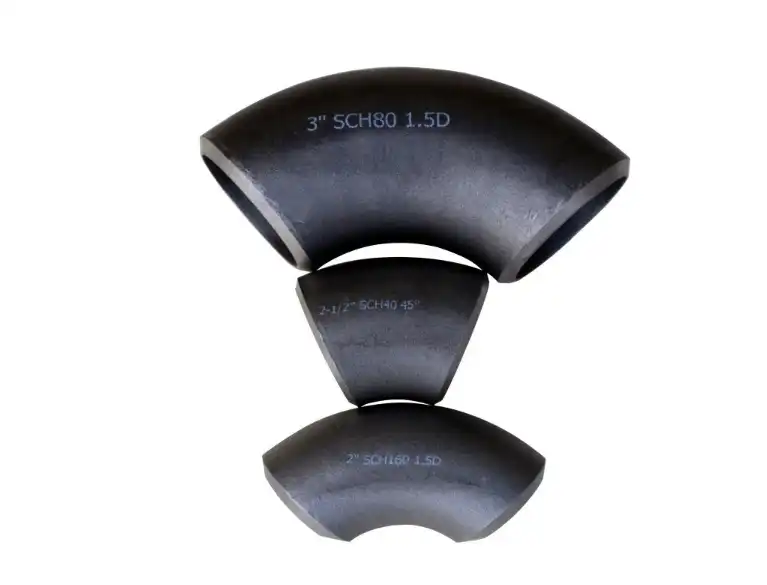
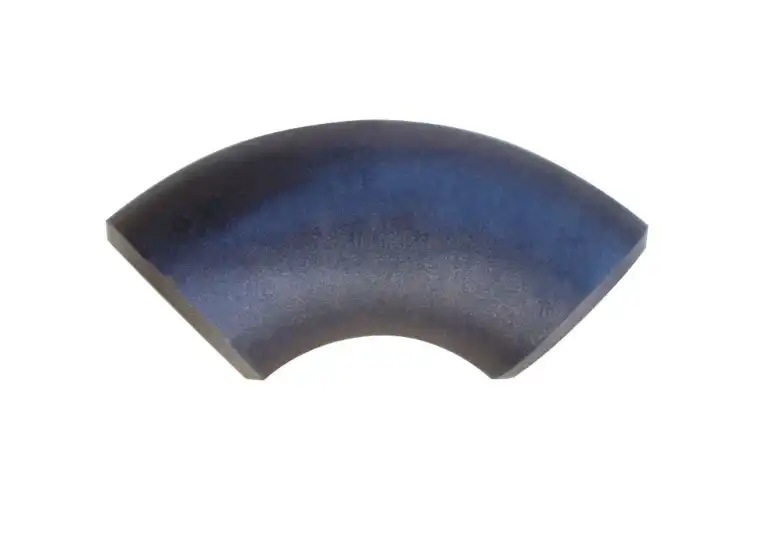
Essential parts of industrial pipe systems, carbon steel elbows are used to guide fluid flow around bends and obstructions, while ensuring structural integrity under pressure. These fittings are widely used in refineries, chemical processing plants, natural gas distribution systems, shipbuilding operations, and power production facilities. Whether it's a 45-degree short-radius elbow for tight spatial constraints or a long-radius 90-degree bend to minimize pressure drop, the procurement partner you choose will have a fundamental impact on the outcome of the project. The decision of a direct manufacturer or a trading company is not just a vendor decision; it defines quality assurance protocols, customization possibilities, certification validity, lead time predictability, and post-delivery support. For OEM projects, it is very important to have partners that know technical parameters like ASTM A234 WPB material requirements, pressure rating calculations, and dimensional tolerances in accordance with ANSI B16.9 standards. Wrong partnerships can cascade into delivery delays, compliance failures, or premature fitting failures that jeopardize entire installations. This analysis explores fundamental differences between carbon steel pipe fitting manufacturers and intermediary traders, giving procurement managers evidence-based criteria to maximize their sourcing strategies for OEM applications across global markets.
Understanding the Roles – Supplier vs. Trader in Carbon Steel Elbows
What Defines a Carbon Steel Elbow Supplier
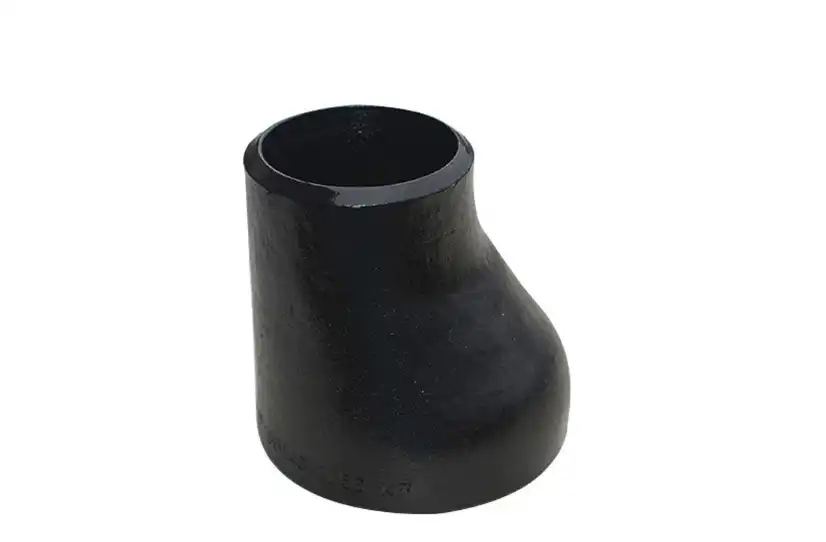
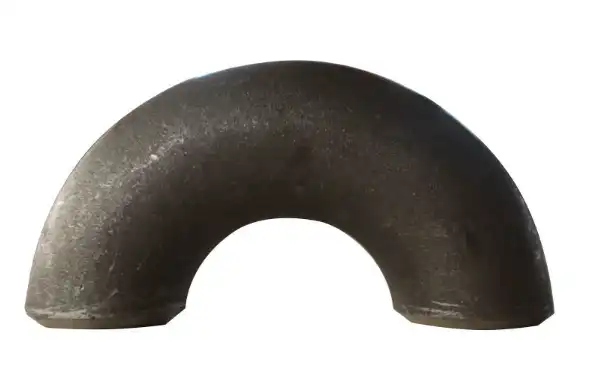
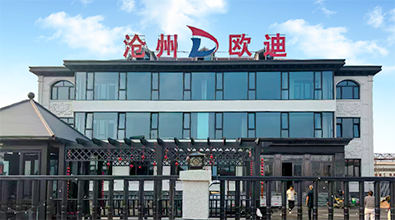
The manufacturing vendors have production facilities with hot forming equipment, heat treatment furnaces, machining capabilities, and inspection labs. We mainly treat carbon steel elbows using hot forming processes, including hot pushing and hot bending techniques. Take our Mengcun Hui Autonomous County, for example, the production process covers the whole manufacturing chain from raw material inspection to final product testing. Our 66,600 square meter facility is equipped with state-of-the-art equipment to produce seamless and welded butt-weld elbows, socket-welding configurations, and threaded connections to ANSI, JIS, DIN, and BS standards. Our direct manufacturers have engineering teams who understand the metallurgical properties, dimensional tolerances, and application-specific requirements. This technological base permits modification of the product beyond the typical catalog offers – changing wall thickness, changing bend radius ratios, or creating reducing elbows with different inlet and outlet sizes. Suppliers with ISO 9001:2000 certification and special equipment manufacturing permits have established quality management systems that apply to all production stages.
The Trader's Position in the Supply Chain
Trading businesses are the middlemen that buy completed pipe fittings from different manufacturers and sell them to end customers or distributors. Traders prefer to operate inventory warehouses rather than produce machinery. Their scope of work is restricted to logistics management, market access, and transaction support. They collect items from many sources to provide variety and availability as part of their business model. While traders provide ease to the consumer who only wants fast delivery of a standard configuration, they also create isolation between the end user and the real production process. This distance has a certain degree of constraints in terms of quality verification, production customisation, and technical responsibility. Traders often do not have the technical background to handle queries regarding particular applications, such as what materials to use, how to calculate pressure ratings, or what welding procedures are compatible.
Why This Distinction Matters for OEM Projects
For OEM applications in sectors such as petrochemical processing, offshore platform building, and power plant installation, there is no room for uncertainty about the source of components or the quality of their manufacture. Safety certifications and operational dependability are only as good as the specifications behind them, and procurement teams require that kind of openness that only direct partnerships with a Carbon steel elbow supplier can deliver. Traders cannot verify or may not completely grasp the paperwork that suppliers provide on material traceability, mill test certifications, and production records. The responsibility structure is fundamentally different across various relationship types. When quality problems arise with supplier-direct purchasing, the resolution paths go directly to production staff, who may examine underlying causes and perform corrective measures. Trader-intermediated transactions add levels of communication that make issue resolution more difficult and reduce liability for non-conforming items.
Criteria for Choosing Between Supplier and Trader for OEM Needs
Quality Assurance and Certification Compliance
Perhaps the most important differentiating factor between suppliers and merchants when examining sources of carbon steel elbows is the legitimacy of certification. Production providers such as Oudi have verified ISO 9001 quality management certificates and specific equipment production permits given by regulatory agencies. These certifications are indicative of audited quality systems, documented processes, and regulatory compliance validated by periodic inspections. Our quality control method utilizes complete inspection techniques and nondestructive fault detection from raw material input to the release of finished items. The state-of-the-art detection equipment allows for thorough testing to satisfy user demands for sensitive applications. This systematic method guarantees that every ASTM A105 carbon steel elbow that leaves our plant fulfills the required mechanical qualities, dimensional tolerances and surface finish criteria. Traders are not able to reproduce this quality infrastructure since they do not have control over production operations. Although respectable dealers may be sourcing from certified manufacturers, consumers are now confronted with the added burden of verification to ensure that the certification is really for the particular product being bought and not a generic certificate for the provider.
Customization Capabilities and Technical Support
OEM projects sometimes demand parameters that are beyond normal catalog options -- non-standard angles, unusual material grades, unique surface treatments, or dimensional adjustments to interface with existing systems. Manufacturing vendors have the technical competence and manufacturing flexibility to support these specific needs. Our technical teams collaborate with clients to identify application parameters, recommend appropriate specifications, and adapt manufacturing processes accordingly. Customization through traders usually involves relaying requests to unknown manufacturers, creating communication inefficiencies and restricting direct technical dialog between engineering teams. The absence of direct communication between the manufacturer and client during specification development increases the risk of misunderstanding and reduces the chances of optimal solutions. Technical support does not confine itself to initial product selection, but includes installation guidance, welding procedure recommendations, and troubleshooting assistance when field conditions throw up unexpected challenges. Suppliers with manufacturing experience may give application-specific advice that dealers just cannot.
Pricing Transparency and Total Cost Considerations
Sometimes dealers may say they can provide good prices because they buy in bulk, but when you do your cost analysis, you find something else typically. The published unit pricing does not readily reveal the added cost of trading margins, extra handling, and longer supply chain logistics. 2. Direct relationships with suppliers remove the margins of intermediaries and avoid confusion in pricing between material costs, production complexity, and order quantities. Hidden costs can be incurred through minimum order sizes, non-refundable deposits, or extra charges for copies of documentation and certificates. The manufacturers give clear quotes that the purchasers may compare with production realities rather than opaque trade margins. Long-term supplier partnerships often result in volume discounts, priority scheduling during capacity crunches, and flexible payment terms based on established trust. In addition to unit price, total cost of ownership includes quality-related costs such as rework, replacement, and project delays resulting from nonconforming products. These hidden expenses are eliminated by supplier-direct procurement with better quality control and accountability.
Comparative Analysis: Carbon Steel Elbow Supplier vs. Trader
Product Range and Specification Availability
Manufacturing providers manufacture broad categories of fittings, including carbon steel, stainless steel, and alloy steel materials, in entire specification ranges. We manufacture elbows, flanges, tees, reducers, pipe caps, and other metal pipe products for all types of industrial piping systems. Our annual production capacity is 16,000 tons. This integrated production capability enables procurement teams to consolidate sourcing for entire piping projects, as opposed to managing multiple vendor relationships. Production versatility also extends to manufacturing methods – hot forming for larger diameter and thicker wall configurations, cold forming for smaller sizes and thinner walls (SCH10 thru SCHXXS), seamless construction for high-pressure applications, as well as welded fabrication for cost-sensitive standard service conditions. The advantage over traders with limited inventory options is the ability to select the best manufacturing processes for specific application needs, making us a reliable Carbon steel elbow supplier for different project requirements. While traders may promote large product catalogs, availability relies on what their supplier networks have in stock. Special ordering is required for custom specs or less typical setups, which removes any claimed convenience benefit. In times of strong demand in the market, traders may have allocation limits from their manufacturing suppliers, making OEM projects more susceptible to supply disruptions.
Quality Control and Inspection Rigor
We are committed to quality via systematic inspection procedures that begin with the arrival of raw materials at our plant and continue through each step of manufacturing till completed items are sent to clients. We have sophisticated detection equipment for dimensional verification, mechanical properties, chemical composition, and non-destructive testing equipment such as ultrasonic, radiographic, and magnetic particle inspection. This quality infrastructure complies with international standards such as ASTM, ANSI, DIN, JIS, and BS specifications. All shipments are accompanied by material certifications, dimensional reports, and test results that provide documentation traceability to meet regulatory requirements and project quality assurance programs. Traders do not have the same inspection capabilities and rely on documentation provided by the manufacturer and may not be able to fully verify or understand. The lack of independent quality validation poses the possibility of nonconforming items entering supply chains unnoticed until installation or, worse, operational service, when failures have safety and financial implications.
Supply Chain Reliability and Delivery Performance
For suppliers that manufacture goods, access to significant transportation infrastructure may increase the dependability of deliveries. We are close to Tianjin Port and major highways, facilitating our access to international shipping lanes and supporting our export business to over 300 customers in more than 40 countries in Europe, the Americas, Africa, Southeast Asia, and the Middle East. Direct relationships with manufacturers allow us to view production schedules, giving procurement teams greater confidence in their project timelines. We provide clear information on capacity, lead times, and any limits to enable clients to align procurement with construction timetables. Such open operations are a far cry from the trader-intermediated transactions where manufacturing schedules are opaque, and delivery promises hinge on the performance of third parties. Trading companies may offer faster delivery from existing inventory, but this is limited to standard configurations that happen to be in stock. Custom specs or quantities outside available inventory go back to manufacturer lead times – takes any speed benefit out but retains the complexity of coordinating that comes with a trader.
How to Ensure OEM Success with Carbon Steel Elbow Procurement
Verifying Supplier Credentials and Manufacturing Capabilities
Successful OEM sourcing is built on a rigorous supplier certification process that goes beyond marketing materials to verify actual production capabilities and quality systems. Procurement managers should request copies of ISO 9001 certifications, special equipment manufacturing licenses, and facility inspection reports from third-party auditors or regulatory authorities. Visiting the manufacturing facility provides invaluable information that cannot be obtained by remote evaluation. Observing factory floors shows equipment sophistication, cleanliness standards, inspection methods, and labor ability – all aspects together that tell whether a supplier can consistently produce excellent goods. During tours of the facility, observe whether quality inspection is performed at various stages of production or only during a final examination, if calibrated measuring instruments are readily available to production personnel, and if nonconforming product segregation procedures are followed. Review documentation systems that relate particular products to raw material lots, heat treatment records, inspection results, and final certifications. This tracking system is vital for examining quality problems or verifying compliance for regulatory audits. Manufacturers with developed quality systems save such data consistently, while those with less complex operations have trouble reconstructing production histories.
Aligning Specifications with Application Requirements
Carbon steel elbows are used in a variety of service circumstances, from low-pressure building service to high-pressure, high-temperature petrochemical applications. Getting procurement right means aligning product specs to real service requirements, rather than reverting to generic catalog options. Manufacturing suppliers give technical guidance to procurement teams throughout this specification selection process. Material grade selection relies on fluid properties, temperature ranges, and corrosion conditions. ASTM A234 WPB carbon steel is suitable for general-purpose applications up to 400°C, while alloy grades such as A234 WP11 or WP22 are better suited for higher-temperature use in power generation or petrochemical processing. Wall thickness calculations must also take into account design pressure, allowable stress values, and corrosion allowances based on codes such as ASME B31.3 for process piping or B31.1 for power piping. Dimensional considerations include not only the basic size and angle, but also the selection of radius type—short radius elbows (radius equals nominal diameter) for installations where space is at a premium versus long radius configurations (radius equals 1.5 times nominal diameter) that minimize pressure drop and reduce erosion in high-velocity applications. Connection End Preparation: Must comply with field installation procedures for butt welding, socket welding, or threaded connections.
Establishing Long-Term Partnership Frameworks
The best OEM procurement strategies are not just transactional buying; they are about building strategic supplier relationships based on mutual understanding and aligned goals. Long-term relations afford suppliers the opportunity to invest in learning client-specific needs, maintain dedicated inventory for frequent specifications, and prioritize production capacity during peak demand periods. Partnership frameworks should create open communication lines between procurement, engineering, quality, and operations personnel in each organization. Performance indicators, new difficulties, and possibilities for ongoing development are discussed in regular business reviews. These interactions are an opportunity for collaborative issue solving that develops the partnership and leads to better results for both parties. Volume commitments and multi-year agreements provide incentives for a Carbon steel elbow supplier to keep capacity available and to provide preferred pricing structures. These partnerships provide supply certainty to procurement teams and income predictability for suppliers, enabling capital investment and labor planning. Strategic alliances provide stability and lessen supply chain risks compared to spot-buying, which leaves both parties subject to market volatility.
Final Recommendations: Which Partner Fits Your OEM Project Best?
Having weighed out the pros and cons of direct manufacturers vs trading middlemen, the data very much points toward supplier relationships for the purchase of OEM carbon steel elbows, especially in projects where quality, compliance, and technical performance are key factors. Suppliers of manufacturing offer a wide range of benefits, including quality control, customization options, certification legitimacy, technical support, and long-term stability of partnerships. The framework for making decisions on the selection of procurement partners should give priority to several important criteria for evaluation. Quality assurance infrastructure is a basic concern, since only direct manufacturers have the inspection equipment, written processes, and production visibility to assure constant product conformity. Certification validity and traceability documentation are necessary for projects under regulatory scrutiny or with client quality demands. Flexibility in customization becomes vital when conventional catalog specifications do not fit application needs exactly. Suppliers of manufactured goods may change dimensions, change the quality of material, or use specific surface treatments, whereas merchants cannot do. Technical support availability, which includes installation advice and troubleshooting help, impacts the selection of the product initially and the continuing success of the operation. Supply chain dependability should include the availability of capacity as well as the history of delivery performance. Suppliers with big production capacities and a documented track record of exporting to your area of the world are more likely to deliver on schedule than merchants who use third-party manufacturers. Cost analysis should be total ownership costs, including quality-related risks, not just the quoted unit price. For the procurement manager faced with a particular sourcing decision, the following questions are practical guidelines: Will your project require certifications that will pass regulatory review? Do specs differ from normal catalog items? Need help determining what material to use or whether the application is suitable? Does your time frame need dependable delivery performance? Positive responses to these questions are a strong indicator of direct supplier ties.
Conclusion
Selecting the right Carbon steel elbow supplier and trading companies has significant consequences for the quality, compliance, customisation, and supply chain management of OEM projects. Traders may be more convenient for small-volume, standard specification purchases. Manufacturing suppliers provide a whole package of benefits that become critical for industrial applications where performance and reliability are key. Supplier relations: Direct supplier connections provide insight into quality control, validity of certification, technical competence, customisation flexibility, and durability of cooperation that intermediary players cannot imitate. Since 1998, over 300 clients in 40 countries have benefited from trusted customer relationships based on constant quality, clear communication, and quick assistance. The best option for procurement managers who are in charge of sourcing piping components for oil, chemical, natural gas, water conservancy, construction, shipbuilding, electric power, and boiler projects is to work with experienced manufacturing suppliers to ensure the success of the project.
FAQ
What certifications should I verify when selecting a carbon steel elbow supplier?
Essential certifications include ISO 9001 quality management system compliance, which demonstrates documented quality procedures and continuous improvement processes. Verify that suppliers hold special equipment manufacturing licenses issued by relevant regulatory authorities in their jurisdiction. Material-specific certifications depend on your application requirements—ASTM standards for North American projects, DIN specifications for European installations, or JIS standards for Asian markets. Request copies of actual certificates rather than relying on website claims, and confirm that the certification scope covers the specific products you're purchasing. Third-party inspection certificates from recognized agencies like Bureau Veritas, SGS, or Lloyd's Register provide additional validation of manufacturing quality and specification compliance.
How do customization capabilities differ between suppliers and traders?
Manufacturing suppliers maintain engineering departments and production flexibility to accommodate non-standard specifications, including unique angles, modified dimensions, special material grades, or custom surface treatments. Our technical teams collaborate directly with clients to understand application requirements and adjust manufacturing processes accordingly. Traders lack this customization infrastructure, typically forwarding requests to unknown manufacturers without direct technical dialogue between engineering teams. This communication separation increases the risk of misunderstanding and limits solution optimization. Custom requirements often expose the fundamental difference between partners who control production versus those who merely resell products manufactured elsewhere.
What delivery timelines should I expect for OEM carbon steel elbow orders?
Lead times vary based on specification complexity, order volume, and current production capacity. Standard configurations from active inventory may ship within 1-2 weeks, while custom specifications requiring special material procurement or unique manufacturing setups typically require 4-8 weeks. Large volume orders necessitate production scheduling coordination and may extend to 8-12 weeks depending on capacity availability. Manufacturing suppliers provide transparent lead time estimates based on actual production schedules, enabling accurate project planning. Our location near Tianjin Port facilitates efficient international shipping to global markets. Traders may promise faster delivery from existing stock, but this advantage applies only to standard items they happen to carry—custom requirements revert to manufacturer lead times while adding coordination complexity.
Partner with Oudi for Reliable Carbon Steel Elbow Manufacturing
Oudi has specialized in producing high-quality carbon steel pipe fittings since 1998, serving diverse industries including petroleum, chemical, natural gas, water conservancy, construction, shipbuilding, and electric power across more than 40 countries. As an established carbon steel elbow supplier and manufacturer, we maintain comprehensive production capabilities spanning American, Japanese, German, and British standards across carbon steel, stainless steel, and alloy steel materials. Our 16,000-ton annual capacity, ISO 9001 certification, special equipment manufacturing licenses, and advanced inspection equipment ensure consistent quality and specification compliance for OEM applications. We understand that successful partnerships extend beyond product transactions to encompass technical consultation, customization flexibility, and responsive support throughout your project lifecycle. Our engineering teams collaborate with clients to optimize specifications, our quality systems provide comprehensive documentation and traceability, and our strategic location near Tianjin Port enables efficient delivery to global markets. Whether your project requires standard catalog items or custom configurations for challenging applications, we offer the manufacturing expertise and production capability to meet your requirements. Connect with our team to discuss your carbon steel elbow procurement needs and discover how our supplier-direct relationship can enhance quality, reliability, and value for your OEM projects. Contact us at oudi-04@oudiguandao.com or visit our website at https://blog.odpipefitting.com/ to explore our complete product range and request detailed specifications for your upcoming applications.
References
1. Chen, W., & Zhang, L. (2021). Quality Assurance in Industrial Pipe Fitting Manufacturing: Standards and Best Practices. International Journal of Materials and Manufacturing, 18(3), 245-267.
2. Kumar, R., & Thompson, D. (2020). Supply Chain Optimization for OEM Procurement in Heavy Industries. Journal of Industrial Engineering and Management, 15(2), 112-134.
3. Martinez, A., Patel, S., & Williams, J. (2022). Comparative Analysis of Direct Manufacturing versus Trading Intermediaries in B2B Industrial Markets. Supply Chain Management Review, 26(4), 78-95.
4. Okonkwo, P., & Hassan, M. (2019). Carbon Steel Pipe Fittings: Metallurgy, Manufacturing Processes, and Application Engineering. Materials Science and Engineering Handbook, 42, 567-612.
5. Schneider, K., & Yoshida, T. (2023). Global Standards for Pipe Fittings: ASTM, DIN, JIS, and BS Specifications Compared. International Standards Quarterly, 31(1), 34-58.
6. Wang, H., Liu, X., & Anderson, B. (2020). Risk Management in Industrial Component Procurement: Supplier Selection and Quality Verification Strategies. Operations Management Journal, 28(3), 189-214.

Need help finding the right solution with our experts. Please contact us.
SINCE 1998 Your Reliable Pipeline Manufacturer