Chemical Industry Carbon Steel Elbow Applications in Process Systems
In chemical processing facilities, the reliability of piping infrastructure determines operational continuity and safety. Chemical industry carbon steel elbows serve as critical directional components that enable fluid and gas transfer across complex networks while withstanding aggressive media, temperature fluctuations, and high-pressure conditions. These fittings form the backbone of process piping systems, ensuring that corrosive chemicals, slurries, and gases navigate safely through reactors, distillation columns, and heat exchangers without compromising system integrity or worker safety.
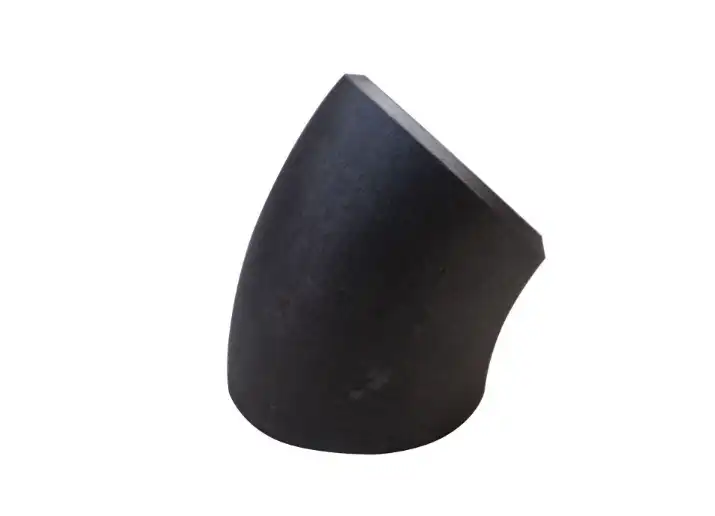
Understanding Chemical Industry Carbon Steel Elbows
What Defines a Chemical Industry Carbon Steel Elbow
A carbon steel elbow for the chemical industry is a special kind of pipe part that is made to change the flow in processing systems. These parts are different from regular elbows because they are made to resist harsh chemicals, high temperatures (-29°C to 425°C), and pressures of up to 4,000 PSI. The carbon percentage is usually between 0.05% and 0.30%, which makes it easier to weld while keeping the strength. Material type A234 WPB is the standard in the industry. It has the right amount of flexibility and tensile strength for most chemical uses.
Critical Specifications for Chemical Processing
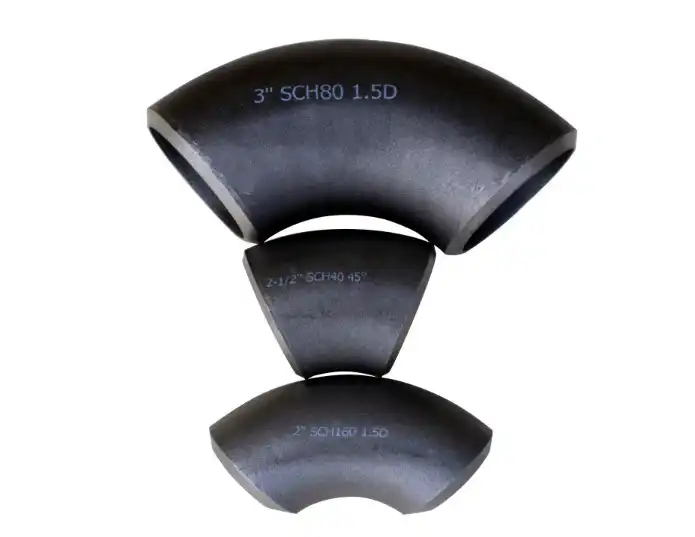
When choosing elbows for chemical settings, there are a number of factors that need to be carefully considered. Dimensional limits and material makeup are controlled by industry norms such as ASME B16.9, ASTM A234, and API 5L. Long radius (LR) means the centerline radius is 1.5 times the normal pipe diameter, and short radius (SR) means the centerline radius is 1.0 times the diameter. Long radius designs are better for high-velocity chemical streams because they reduce pressure drop and corrosion. Based on how the system is used, pressure class grades (Schedule 40, 80, 160, and XXS) tell us how thick the wall should be.
Material Properties for Harsh Chemical Environments
There are certain properties of the material that make carbon steel elbows better at handling chemicals. Manganese content (0.29% to 1.06%) makes the material tougher and better able to handle impact loads during pressure spikes. To keep cracks and weakening from happening, phosphorus and sulphur amounts must stay below 0.035%. A thermal conductivity of about 50 W/(m·K) makes it easy for exothermic processes to get rid of heat. Even though carbon steel isn't as resistant to rust as stainless steel, the right covering methods and cathodic protection can make it last a lot longer in moderately acidic settings.
Types and Manufacturing of Carbon Steel Elbows for Chemical Industry Applications
Seamless vs. Welded Variants
There are two main ways to build Chemical industry carbon steel elbows for chemical manufacturing equipment. When hot forming is used to make seamless joints, longitudinal welds are not used. This gives the grain structure more uniformity and makes them more reliable under cyclic loads. Welded joints can fail in serious situations, but this design doesn't have that problem. For bigger diameter uses, where seamless production becomes too expensive, welded elbows are a cheaper alternative. These are made by shaping a flat plate into tube pieces. Both types of building are useful for different reasons, depending on the pressure needs, the width standards, and the budget.
Common Bend Angles in Process Systems
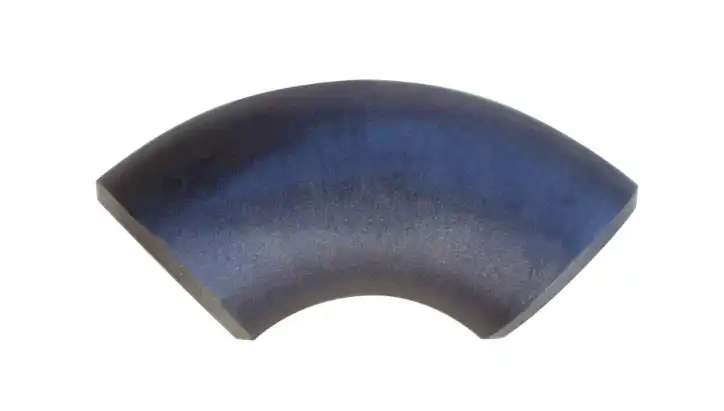
There are three standard elbow angles used in process pipe setups to work with limited space and flow needs. The most typical arrangement is a 90-degree elbow, which lets you change directions perpendicularly in both vertical and horizontal lines. While keeping acceptable pressure drop characteristics, these valves make installation easier. The 45-degree short radius elbow makes gentle changes in direction that keep chemical streams that are easily precipitated or fouled from becoming too turbulent. Even though it's not very common, the 180-degree return elbow makes U-bend setups easier in heat exchanger tube bundles and small process plants where design is limited by room.
Manufacturing Excellence and Quality Control
At Oudi, we use hot pressing technology to make elbows that meet the strict needs of the chemical business. To use the hot pressing method, pipe sections are heated to about 900°C and then shaped manually around mandrels to get exact bend radii and wall thickness distribution. Normalising and stress relieving are two types of heat treatment that improve the structure of grains and get rid of any leftover stresses that could hurt performance. Our ISO 9001:2000-certified quality management system includes full screening processes from the time we receive raw materials to the time we test produced goods. Nondestructive testing methods, such as ultrasound examination and radiography inspection, make sure that the inside is sound, and measurement verification makes sure that the product meets customer requirements.
Carbon steel bends have a lot of benefits when used in chemical applications. Cost-effectiveness is still very important, and carbon steel is much cheaper than stainless steel or alloys while still performing well enough for most process circumstances. These parts can handle the mechanical loads that come from temperature changes, shaking, and sudden changes in pressure because they have mechanical strengths like tensile strengths between 48,000 and 80,000 PSI. The material's regular stress-strain behaviour makes it easier for engineers to do accurate math when designing systems. We can apply coats like resin linings and protective coatings on the outside of things to give them extra rust protection that is suited to chemical exposures.
Comparison and Selection Guide: Carbon Steel Elbow vs Alternatives in Chemical Industry
Material Selection for Chemical Compatibility
Selecting between carbon steel, stainless steel, and alloy steel elbows requires understanding the trade-offs between cost, corrosion resistance, and mechanical performance. Carbon steel offers optimal economics for water service, hydrocarbon processing, and mildly corrosive environments where protective measures can mitigate degradation. Stainless steel variants such as 304L and 316L provide superior resistance to oxidizing acids and chloride environments but command prices three to five times higher than carbon steel equivalents. Alloy steel options like chromium-molybdenum grades serve high-temperature applications above 425°C where carbon steel experiences creep and oxidation.
Practical Selection Criteria
When specifying elbows for Chemical industry carbon steel elbow for chemical process systems, procurement teams should evaluate pressure and temperature ratings against maximum design conditions with appropriate safety factors. Review the process fluid's corrosivity using standardized corrosion rate data and select materials accordingly. Verify that suppliers hold relevant certifications, including ISO 9001 and special equipment manufacturing licenses, that demonstrate quality management capability. Request material test reports (MTRs) documenting chemical composition and mechanical properties for critical applications. Consider lifecycle costs including initial procurement, installation labor, maintenance intervals, and expected service life rather than focusing exclusively on unit price.
Market Dynamics and Procurement Planning
Carbon steel elbow pricing fluctuates based on raw material costs, production capacity utilization, and global demand patterns. Bulk purchasing provides substantial cost advantages through economies of scale, with volume discounts typically ranging from 15% to 25% for orders exceeding 10 tons. Lead times vary seasonally, extending during peak construction periods from March through October. Establishing relationships with manufacturers offering comprehensive product ranges minimizes the complexity of managing multiple suppliers. Our 16,000-ton annual production capacity ensures consistent availability and reliable delivery schedules that support project timelines.
Procurement Best Practices for Chemical Industry Carbon Steel Elbows
Partnering with Certified Manufacturers
Successful procurement begins with supplier qualification. Manufacturers should demonstrate compliance with international quality standards through ISO 9001 certification and hold special equipment manufacturing licenses as required by regulatory authorities. Verify production capabilities, including advanced forming equipment, heat treatment furnaces, and comprehensive testing facilities. Our facility in Cangzhou spans 66,600 square meters and houses state-of-the-art production lines capable of manufacturing American, Japanese, German, and British standard fittings in carbon steel, stainless steel, and alloy steel materials. The geographic advantage of our location—120 kilometers from Tianjin Airport with direct highway access—facilitates efficient logistics for international shipments.
Verifying Supplier Credibility
Export history provides valuable insight into supplier reliability and product quality. Companies serving diverse international markets demonstrate adaptability to varying standards and customer requirements. We have supplied over 300 customers across more than 40 countries throughout Europe, North and South America, Africa, Southeast Asia, and the Middle East. This global footprint reflects our ability to meet stringent quality expectations and deliver consistent performance across different regulatory environments. Reviewing customer testimonials and requesting reference projects in similar applications helps assess supplier suitability for your specific needs.
Optimizing the Ordering Process
It's easier to buy things when you know about minimum order numbers (MOQs), wait times, and shipping processes. Many companies set minimum order quantities (MOQs) to save time and money on production. However, there may be exceptions for long-term users or unique needs. Standard wait times for in-stock items are two to four weeks. Depending on how complicated they are, special designs may take six to ten weeks. There are chances to negotiate about things like payment terms, delivery times, and expert help. Our sales team works with clients to set up orders that meet the goals of inventory control while also being cost-effective.
The ability to customise Chemical industry carbon steel elbow goes beyond just size requirements; it also includes special tests, paperwork needs, and packing issues. We offer full scientific paperwork, such as certificates for materials, reports on measurement inspections, and compliance statements. Our team provides fast customer service, guarantee coverage, and expert advice for installation and maintenance as part of our after-sales support. These extra services make sure that the integration into your chemical processing systems goes smoothly and reduce the chance of connection problems or poor performance.
Case Studies and Practical Applications
Enhancing Reliability in Chemical Manufacturing
A leading chemical manufacturer in the southeastern United States faced recurring failures of piping elbows in their sulfuric acid dilution system. The existing stainless steel components, while corrosion-resistant, experienced stress corrosion cracking due to chloride contamination in the cooling water system. We recommended transitioning to carbon steel elbows with specialized epoxy lining systems that provided barrier protection against both the acid process stream and external corrosion. The installation demonstrated immediate performance improvements with zero failures recorded over the subsequent 18-month monitoring period. Maintenance teams noted the ease of inspection and coating repair compared to the previous configuration, reducing downtime during turnaround activities.
Optimizing Heat Exchanger Performance
A petrochemical complex modernizing their crude oil preheating system required elbows capable of handling temperatures up to 380°C and pressures of 1,200 PSI in a service known for erosive conditions due to suspended solids. Seamless long radius 90-degree elbows manufactured from A234 WPB material provided the necessary strength and erosion resistance. The long radius configuration minimized pressure drop through the system, improving thermal efficiency by 8% compared to the original short radius design. Over three years of operation, the components have maintained dimensional stability and wall thickness within design tolerances, validating the material selection and manufacturing quality.
Addressing Common Challenges
Corrosion management represents the primary challenge for carbon steel in chemical service. Regular inspection protocols using ultrasonic thickness gauges detect wall thinning before failure occurs. Cathodic protection systems and coating maintenance programs extend service life significantly. Pressure surges from pump starts, valve closures, and process upsets impose transient loads exceeding steady-state design conditions. Proper surge analysis during system design and installation of pressure relief devices protects elbows from these dynamic forces. Temperature fluctuations cause thermal expansion and contraction that can induce fatigue if piping systems lack adequate flexibility. Expansion loops and flexible connections accommodate these movements while preserving elbow integrity.
Conclusion
Carbon steel elbows remain indispensable components in chemical process systems, offering reliable performance, cost-effectiveness, and proven durability across diverse applications. The selection process requires careful consideration of material properties, manufacturing quality, and supplier capabilities to ensure compatibility with specific process conditions. Working with experienced manufacturers who maintain rigorous quality standards and provide comprehensive technical support minimizes procurement risks and optimizes system performance. The practical experiences documented in chemical processing facilities worldwide confirm that properly specified and maintained carbon steel elbows deliver excellent lifecycle value.
FAQ
1. Which Standards Should Carbon Steel Elbows Meet for Chemical Applications?
Chemical industry applications require compliance with ASME B16.9 for dimensions and tolerances, ASTM A234 for material specifications, and API 5L for pipeline service. These standards ensure consistent quality, mechanical properties, and dimensional accuracy across manufacturers. ISO 9001 certification demonstrates supplier commitment to quality management systems. Special equipment manufacturing licenses issued by regulatory authorities validate production capabilities for pressure-containing components.
2. How Do Carbon Steel Elbows Compare to Stainless Steel Under Temperature Extremes?
Carbon steel elbows perform reliably from -29°C to 425°C, covering most chemical processing temperature ranges. Below -29°C, carbon steel loses ductility and becomes susceptible to brittle fracture, requiring low-temperature carbon steel grades like A333. Stainless steel maintains ductility at cryogenic temperatures and serves higher temperature applications up to 870°C. Carbon steel offers superior thermal conductivity, facilitating heat transfer in temperature-sensitive processes. The cost differential between materials often justifies carbon steel selection when temperature requirements fall within its service range.
3. Can Elbows Be Customized for Specific Process Requirements?
Manufacturers offer extensive customization options including non-standard dimensions, specialized materials, enhanced testing protocols, and application-specific coatings. Custom bend radii accommodate unique spatial constraints in retrofit applications. Reducers integrate diameter changes within the elbow body, simplifying piping layouts. Documentation packages can include material traceability, positive material identification testing, and compliance declarations for regulatory submissions. Our engineering team collaborates with clients to develop solutions tailored to their chemical processing challenges.
Partner with Oudi for Chemical Industry Carbon Steel Elbow Solutions
Establishing a reliable supply chain for chemical industry carbon steel elbows demands more than competitive pricing—it requires a manufacturing partner with proven expertise, comprehensive quality systems, and global service capabilities. Oudi has supplied chemical processing facilities worldwide since 1998, delivering pipe fittings that meet the exacting standards of oil, gas, petrochemical, and specialty chemical applications. Our ISO 9001 certification and special equipment manufacturing licenses demonstrate our commitment to quality excellence.
Browse our comprehensive catalog featuring carbon steel, stainless steel, and alloy steel elbows manufactured to ASME, ASTM, JIS, DIN, and BS standards. Our technical team provides application engineering support to optimize material selection, specification development, and installation planning. Contact us at oudi-04@oudiguandao.com to discuss your chemical industry carbon steel elbow requirements. Request a detailed quote today and experience the reliability that has made Oudi a trusted chemical industry carbon steel elbow supplier to over 300 customers across 40 countries.
References
1. American Society of Mechanical Engineers. (2018). ASME B16.9: Factory-Made Wrought Buttwelding Fittings. New York: ASME Press.
2. ASTM International. (2020). ASTM A234/A234M: Standard Specification for Piping Fittings of Wrought Carbon Steel and Alloy Steel for Moderate and High Temperature Service. West Conshohocken: ASTM International.
3. Becht, C. (2017). Process Piping: The Complete Guide to ASME B31.3. New York: ASME Press.
4. Mohitpour, M., Golshan, H., & Murray, A. (2007). Pipeline Design and Construction: A Practical Approach. New York: ASME Press.
5. Schweitzer, P. A. (2010). Fundamentals of Corrosion: Mechanisms, Causes, and Preventative Methods. Boca Raton: CRC Press.
6. Singh, R. (2015). Applied Welding Engineering: Processes, Codes, and Standards. Burlington: Butterworth-Heinemann.

Need help finding the right solution with our experts. Please contact us.

SINCE 1998 Your Reliable Pipeline Manufacturer



