Top Carbon Steel Elbow Supplier for Petrochemical Industry Use
Selecting a reliable carbon steel elbow supplier is the foundation of successful petrochemical pipeline projects. In the United States market, procurement professionals face increasing pressure to balance quality, compliance, and cost-effectiveness while maintaining strict delivery schedules. A trustworthy carbon steel elbow supplier not only delivers products meeting international standards like ASTM, ASME, and API but also provides comprehensive technical support, transparent pricing, and proven experience serving complex industrial applications. The right partner transforms procurement from a transactional challenge into a strategic advantage that enhances pipeline integrity and operational safety.
Understanding Carbon Steel Elbows for Petrochemical Use
In petrochemical pipeline systems, carbon steel bends are very important for directing fluid and gas flow through complicated industrial facilities. These fittings let you connect pipe pieces at different angles, so you can work with limited space while keeping the pressure and flow intact. Carbon steel elbow makers are an important part of the supply chain because they make sure that the dimensions are correct, the material is consistent, and the surface quality is good. These factors have a direct effect on how well the pipeline works in the long run.
Types and Configurations of Carbon Steel Elbows
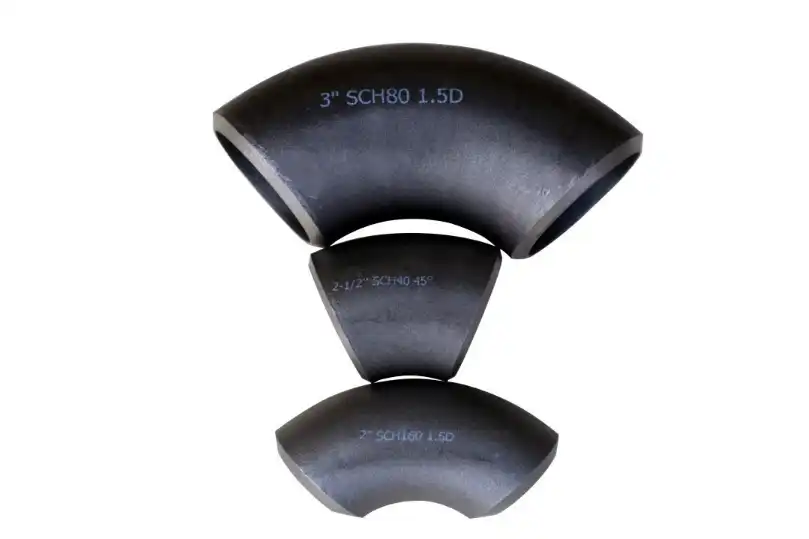
In the petroleum business, different types of elbows are used depending on the fitting needs. Long radius elbows have a central radius that is 1.5 times the standard pipe diameter. This keeps the pressure drop and turbulence to a minimum in high-flow situations. Short radius elbows, whose central radius is the same as the pipe diameter, are good for installs that need small joints because of limited room. These goods are also made in different ways. Seamless elbows are made from solid pipe stock and don't have any welded seams, so they are stronger in high-pressure environments. Straight-seam welded elbows, on the other hand, are more cost-effective for moderate-pressure environments.
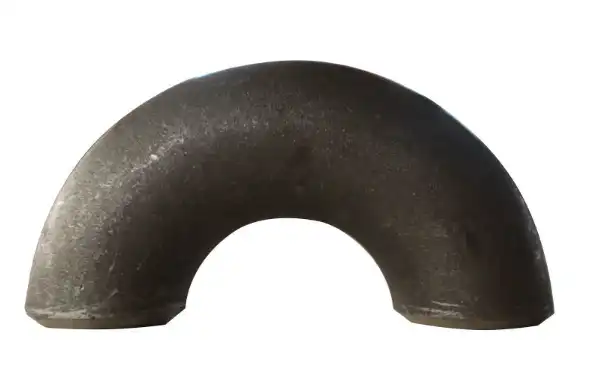
Angle options meet the needs of petroleum plants with different direction needs. The most common fitting is the 90-degree elbow, which changes the direction of a pipeline plan perpendicularly. Data from the industry shows that about 80% of all elbow joints used in industrial pipes are 90-degree elbows. The 45-degree elbow makes it easier to change directions slowly, lowers flow resistance, and allows links between processing units to be made at an angle. The 180-degree return bend lets flow go in the opposite direction inside heat exchanges and other similar devices, which keeps system designs small.
Material Grades and Industry Standards
The choice of material has a direct effect on how well an elbow works in petroleum environments. ASTM A234 WPB carbon steel is still the most common grade for moderate-temperature uses because it is easy to weld and has good mechanical qualities that make it useful for processing oil, gas, and chemicals. This standard describes parts made of worked carbon steel and alloy steel that can be used in pressure pipe systems at both low and high temperatures. For some specific uses, you may need low-temperature carbon steel types like A420 WPL6 or variations of higher-strength alloys.
Safety and communication are ensured on foreign projects by following set norms of Carbon steel elbow suppliers. ASME B16.9 lists the sizes, standards, grades, and testing needs for elbows and other factory-made metal butt-welding parts. The API 5L standards set the rules for line pipe used to move oil and gas, while the DIN 2605 and JIS B2313 standards are for Europe and Japan, respectively. When providers keep up with multiple standards for approval, they can meet a wide range of building requirements for petrochemical projects that serve global markets.
How to Choose the Best Carbon Steel Elbow Supplier for Your Petrochemical Needs
Procurement scenarios in petrochemical construction vary significantly based on project scale, timeline constraints, and technical specifications. Large-scale refinery expansions may require 16,000 tons of pipe fittings annually with stringent delivery schedules aligned to construction phases. Maintenance operations demand rapid fulfillment of smaller quantities matching existing specifications precisely. Customization needs arise when standard dimensions or materials cannot accommodate unique process conditions, requiring suppliers with engineering capabilities and flexible manufacturing systems.
Core Selection Metrics for Supplier Evaluation
Checking the quality of a product starts with making sure that the certification paperwork confirms that the company has an ISO 9001 quality management system and special equipment manufacturing licenses. These qualifications show that quality control procedures have been followed from buying raw materials to inspecting produced goods. The technical capability review looks at how advanced the production equipment is. This includes making presses, heat treatment ovens, and testing tools such as ultrasonic flaw detectors and spectroscopic analyzers. Consistently accurate measurements and material quality are highly linked to more advanced tools.
Being clear about prices lets you make correct project budgets and compare costs from different sources. Reliable makers give thorough quotes that include the types of materials, how they are made, how they are treated on the outside, and the standards that apply. Delivery dependability includes being able to confirm production capacity, keep promises about wait times, and coordinate operations. Suppliers who work with the petroleum industry should be able to show that they have experience with foreign shipping, customs paperwork, and protected packing for precision-machined parts that keeps them from getting damaged during travel.
After-sales service, like expert support, guarantee coverage, and quick problem settlement, sets apart great providers. Suppliers who help with engineering during design creation, installation advice, and regulatory compliance documents are all good for petrochemical projects. A useful evaluation process should look at how complete the licensing is, how well the production capacity matches the order number, how strict the quality control is, how much experience the company has exporting to target markets, and how quickly they respond to initial enquiries.
Balancing Cost-Efficiency with Quality Requirements
Project constraints often require balancing competing priorities within procurement decisions. Cost-conscious approaches examine total ownership expenses beyond initial purchase price, including shipping expenses, customs duties, inventory carrying costs, and potential rework expenses from quality deficiencies. Quality-focused strategies prioritize supplier certifications, material traceability, and inspection protocols that reduce long-term maintenance costs and unplanned downtime risks. Relationship longevity considerations favour suppliers demonstrating stable operations, continuous improvement initiatives, and collaborative problem-solving approaches that adapt to evolving project needs.
Comparison of Carbon Steel Elbows Against Alternatives
Material selection significantly impacts pipeline system performance, maintenance requirements, and lifecycle costs within petrochemical environments for carbon steel elbow suppliers. Carbon steel elbows dominate industrial applications due to favourable mechanical properties, weldability, and economic advantages. Understanding comparative characteristics helps procurement professionals select optimal materials aligned with specific operating conditions and budget parameters.
Material Performance Characteristics
Alloy steel elbows have extra chromium, molybdenum, or nickel added to them, which makes them stronger at high temperatures and less likely to rust than normal carbon steel. These parts can handle rough conditions in catalytic breakers and hydroprocessing units, but they cost a lot more than carbon steel equivalents—usually 40 to 60 percent more. Stainless steel elbows are better at resisting rust in harsh chemical conditions, especially when the use of carbon steel is not allowed because of worries about product quality. When compared to carbon steel, the price difference is 200 to 300 percent, which means that it can only be used in important process lines that need the material to be neutral.
Copper elbows are good at moving heat and killing germs, so they can be used in water systems. But they don't have the pressure ratings or temperature ranges that are needed for petroleum process pipes. PVC and other polymer elbows don't rust and are easy to place in low-pressure, room-temperature situations like drainage systems. But they can't handle the high temperatures, mechanical loads, and gas contact that are typical in petrochemical operations.
Supplier Quality Impact on Performance
Quality control at the manufacturer has a direct effect on how reliable and long-lasting elbows are in pipeline systems. Inconsistent wall thickness caused by bad making processes makes stress collection points that can crack under repeated pressure. Surface flaws like pits, laps, and gaps can start rusting, which speeds up the breakdown of the material. Differences in dimensions make placement in the field more difficult and may require extra work, which adds to the cost of labour and slows the project plan.
Reputable makers use strict quality control procedures that include certifying the raw materials, checking the dimensions of the product while it's being made, making sure the heat treatment is correct, and testing the finished product using both damaging and nondestructive methods. These controls help make sure that products always meet the requirements of the specifications. This lowers the number of products that are rejected in the field and supports smooth project execution. Defect rates at established companies that work with the petroleum industry are usually less than 0.5%, while they can be as high as 3–5% at less strict manufacturers. This has a direct effect on how quickly and reliably systems are installed and for a long time.
Procurement Process: Buying Carbon Steel Elbows Efficiently
Streamlined procurement practices reduce acquisition costs while ensuring product quality and delivery reliability. Strategic approaches to ordering, supplier engagement, logistics management, and quality verification optimize procurement outcomes for petrochemical pipeline projects.
Bulk Ordering Strategies and Volume Considerations
Quantity planning finds the best mix between the costs of keeping goods, number savings, and the most efficient way to ship. Putting together needs from different stages of a project or locations of a building lets you place bigger orders that can use tiered price structures. Manufacturers usually give savings of 5–10% at 50-ton levels, and they give even bigger discounts at 100-ton and 200-ton levels. The minimum order quantity depends on how complicated the product is. For example, for normal elbows, it can be 500 kilograms, but for complex designs that need specific production runs, it can be 2 to 3 tonnes.
Lead times and prices are optimized when order timing is coordinated with production plans. When demand is high, suppliers who are close to full may extend shipping windows or charge extra for rush orders. By buying ahead of time during slower production periods for makers, you may be able to negotiate lower prices and secure your chosen delivery dates. Framework deals that last more than one year set stable prices and make sure that enough space is available for ongoing repair programs or staged building projects.
Methods for Engaging Suppliers
Directly working with manufacturers gives you the most information about prices and technical issues, but it also means coordinating a lot more contact across time zones and possibly languages. Online business-to-business (B2B) platforms make it easier to buy things from other countries by providing efficient buying systems, standardized product lists, and security measures for transactions. But complicated customization needs and large orders often go beyond what the platform can handle, so design details, inspection procedures, and delivery schedules need to be worked out directly.
Distribution partners that serve regional markets offer localized supplies, faster delivery to project sites, and easier handling of transportation. When compared to direct factory prices, this ease usually comes at a 15–25% higher cost, but it may be worth it for smaller orders or pressing needs where faster shipping costs would otherwise apply.
Logistics and Quality Verification
Shipping cost optimization looks at how to choose the best way of shipping, how to package things efficiently, and how to plan routes. Ocean freight is the cheapest way to ship big goods, but it takes 4 to 6 weeks to get there. Air freight, on the other hand, is faster but costs a lot more. Shipments in consolidated containers can carry more weight and keep goods safe from damage during transport by using the right blocking and supports.
In lead time planning, the amount of time needed for producing, setting quality checks, shipping, clearing customs, and delivering goods within the country is all taken into account. Standard carbon steel elbows usually take 25 to 35 days from the time the order is confirmed until they are finished in the plant. For custom goods, the time frame can be 45 to 60 days. When shipping and customs processing are added in, the whole process of getting an overseas order usually takes 6 to 10 weeks.
Pre-acceptance inspection procedures make sure that the agreement is met before the package leaves, so that expensive quality problems aren't found after delivery. Some important steps in the verification process are measuring the dimensions against the specification drawings, reviewing the material certification to make sure that the grade and heat number can be tracked, checking the surface quality for flaws, making sure that the markings are correct, and making sure that the packaging has enough protection for shipping. When buyer agents can't go to factories themselves, third-party inspection services provide an independent check.
Why Choose Oudi as Your Trusted Carbon Steel Elbow Supplier
Since 1998, Cangzhou Oudi Pipe Manufacture Co., Ltd. has worked with the petroleum business around the world, earning a name in more than 40 countries for high-quality products and helpful customer service. Our factory is in Mengcun Hui Autonomous County, which is 120 kilometres from Tianjin Port and has 66,600 square meters of modern production space. This makes it easy to ship goods to markets in Europe, North and South America, Africa, Southeast Asia, and the Middle East.
We can make all the different kinds of carbon steel bends that are needed in petroleum uses. We make seamless and straight-seam elbows with angles of 45 degrees, 90 degrees, and 180 degrees. These elbows come in both long and short radius designs. You can choose from ASTM A234 WPB carbon steel, different types of stainless steel, and alloy steel that meets American, Japanese, German, and British standards. With this wide range of products, buying workers can get all the pipe parts they need from a single approved seller. This makes managing vendors easier and makes sure that the quality of all projects is the same.
Certification and Quality Assurance
Oudi, as a Carbon steel elbow supplier, has an ISO 9001:2000 quality management system approval and a special equipment production licence from the People's Republic of China. This shows that they follow strict quality standards that are known around the world. Our quality control system uses full checking methods at every stage of production, from getting the raw materials to delivering the finished product. Before production starts, incoming material testing makes sure that the chemical makeup and mechanical qualities meet the criteria. During production processes, in-process measurement checks make sure that the geometry is accurate within certain limits. As part of the final checking process, modern ultrasound equipment is used to find possible flaws without damaging the product. This finds problems before it is shipped.
This thorough approach to quality assurance makes products more reliable, which cuts down on problems during installation and supports the long-term stability of pipelines. Our testing tools fully meet international standards for spotting, which means that we can provide proof for customers' quality records and proof that we're following the rules. We keep track of all of our materials using heat number tracking systems that connect produced goods to approved mill test records. This is necessary for petrochemical uses that need full proof of the materials' history.
Technical Support and Customer Service
During the whole buying process, our engineering team gives expert advice and helps with things like writing specifications, choosing the best materials, and making suggestions based on the unique needs of the job. This help is especially useful when projects run into custom installation problems or working situations that need answers that aren't available in the catalogue. We work with the engineering teams of our customers to come up with fitting designs that meet exact size standards while still being structurally sound and following all building codes.
When it comes to quality and delivery promises, production freedom means that both big orders and smaller upkeep amounts can be met. Our yearly capacity of 16,000 tonnes meets the needs of large projects while still leaving us with enough freedom to meet ongoing operating needs. Clear communication lets customers know about the state of their orders, the progress of production, and shipping plans, which helps with accurate planning of project schedules.
Reach around the world and proven results
Oudi has more than 300 users in many different industries, such as oil and gas, chemical processing, natural gas transport, power generation, shipping, and water treatment. This wide range of application knowledge gives you a deep understanding of a wide range of operating systems and standard needs. Our export knowledge includes preparing paperwork, coordinating shipping, and following customs rules in a number of different trade areas. This makes it easier for our customers to buy things from other countries.
We have long-term ties with petroleum operators in Asia, Africa, Europe, and the Americas, which shows that we can meet high standards and offer good value. Repeat business from big corporate customers shows that they are happy with the quality of the products, the trustworthiness of the deliveries, and the quick service that goes beyond the initial sales. We see our relationships with customers as partnerships based on shared success, and we're always working to improve our services to keep up with the changing needs of our business.
Conclusion
Selecting the right carbon steel elbow supplier fundamentally impacts petrochemical project success through product quality, delivery reliability, and total cost of ownership. Oudi combines over two decades of manufacturing expertise with comprehensive certification, advanced quality control, and customer-focused service that addresses the complete spectrum of procurement requirements. Our proven track record serving global petrochemical operators, combined with strategic location near major shipping infrastructure and flexible production capabilities, positions us as an ideal partner for organizations seeking dependable pipe fitting solutions that meet rigorous industry standards while maintaining cost-effectiveness.
FAQ
1. What industry standards must carbon steel elbows meet for petrochemical applications?
Petrochemical carbon steel elbows must conform to ASME B16.9 for dimensions and tolerances, ASTM A234 for material specifications, and API standards where applicable to oil and gas service. Additional requirements may include NACE MR0175 for sour service environments and customer-specific standards referencing DIN, JIS, or BS specifications depending on project engineering basis.
2. How can I verify a supplier's credibility and product quality?
Verification begins with confirming ISO 9001 certification and special equipment manufacturing licenses. Request material test reports showing chemical composition and mechanical property data. Review dimensional inspection reports documenting conformance to specifications. Third-party inspection services can conduct independent verification at manufacturing facilities. References from existing customers in similar applications provide practical performance insights.
3. What are typical lead times for bulk carbon steel elbow orders?
Standard carbon steel elbows typically require 25-35 days for manufacturing, with specialized configurations extending to 45-60 days. Adding international shipping and customs clearance, total procurement cycles generally span 6-10 weeks. Urgent requirements may accommodate expedited production schedules depending on current capacity utilization, though rush charges typically apply for accelerated delivery.
Partner with Oudi for Reliable Carbon Steel Elbow Supply
Petrochemical procurement professionals seeking a dependable carbon steel elbow supplier and manufacturer will find Oudi delivers exceptional value through quality products, competitive pricing, and comprehensive service. Our ISO 9001-certified manufacturing processes, complete product range conforming to international standards, and proven export experience serving 40+ countries provide the foundation for successful project execution. Whether you require large-volume supplies for new construction or ongoing maintenance support, our technical team stands ready to provide personalized quotes and engineering assistance tailored to your specific requirements. Contact Oudi today at oudi-04@oudiguandao.com to discuss how our carbon steel elbow solutions can support your petrochemical pipeline projects with quality, reliability, and cost-effectiveness that enhance operational performance.
References
1. American Society of Mechanical Engineers. (2018). ASME B16.9: Factory-Made Wrought Buttwelding Fittings. New York: ASME Press.
2. ASTM International. (2020). ASTM A234/A234M: Standard Specification for Piping Fittings of Wrought Carbon Steel and Alloy Steel for Moderate and High Temperature Service. West Conshohocken: ASTM International.
3. Mohitpour, M., Golshan, H., & Murray, A. (2007). Pipeline Design and Construction: A Practical Approach (3rd ed.). New York: ASME Press.
4. Nayyar, M.L. (2000). Piping Handbook (7th ed.). New York: McGraw-Hill Professional.
5. American Petroleum Institute. (2019). API Specification 5L: Specification for Line Pipe (46th ed.). Washington: API Publishing Services.
6. Liu, H. (2003). Pipeline Engineering. Boca Raton: CRC Press.

Need help finding the right solution with our experts. Please contact us.

SINCE 1998 Your Reliable Pipeline Manufacturer



