What are the industry standards for carbon steel elbows sold wholesale?
When you buy Carbon steel elbows wholesale in bulk, it's important to know the industry norms to make sure the quality, safety, and compatibility of the products in different commercial settings. Elbows made of carbon steel that are sold in bulk markets have to meet foreign standards like ASTM, ASME, ANSI, DIN, JIS, and ISO. For constant performance in oil, chemical, natural gas, and water conservation uses, these guidelines control tolerances for sizes, the make-up of materials, pressure ratings, and the ways they are made.
Overview of Carbon Steel Elbows and Their Industry Standards
Carbon steel elbows are important parts of pipe systems because they change the direction of fluid flow while keeping pressure under control. There are two types of these fittings: butt-welding elbows and socket elbows. Our plant specializes in making industrial elbows with smooth and straight seams for tough jobs.
Carbon steel elbows are used a lot in industry, so strict standards must be followed to make sure they are safe, reliable, and can be used in different systems and areas. Key standards like ASTM, ASME, EN, and ISO set the measurements for production, the nominal pipe sizes, the pressure classes, and the tolerances. This makes sure that the quality is the same all over the world.
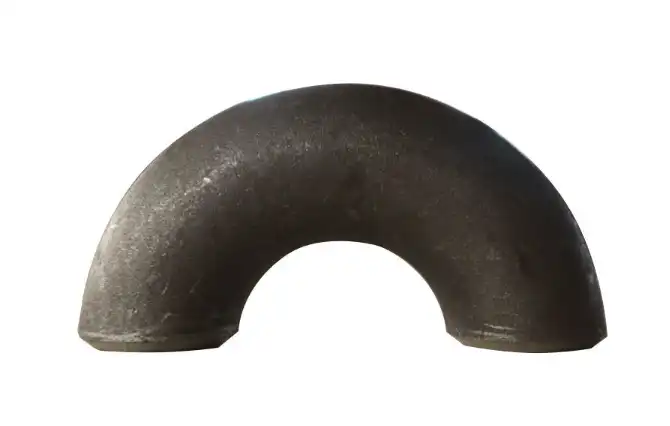
Primary Industry Standards Governing Carbon Steel Elbows
The most well-known standards are ASTM A234 for fittings made of wrought carbon steel and alloy steel, ASME B16.9 for butt-welding fittings made in a factory, and ANSI B16.28 for short-radius elbows made of wrought steel. Each standard talks about a different part of quality control, testing, and production.
Global Market Requirements
Regional standards like DIN (German), JIS (Japanese), and BS (British Standards) must be met in order to sell goods on international markets. This method uses multiple standards so that engineers and procurement managers around the world can choose the right elbows that will work with the current infrastructure. This reduces the number of installation problems and operational risks in many different markets.
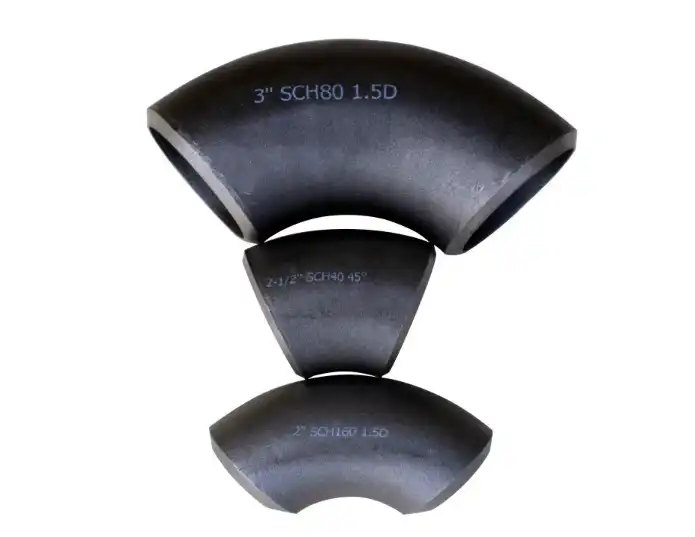
Material and Mechanical Property Standards of Carbon Steel Elbows
Carbon steel elbows, including Carbon steel elbow wholesale, must meet exact chemical makeup and mechanical property requirements set by well-known standards such as ASTM A234 WPB and A105 in order to be considered solid. These standards state how much carbon is in an alloy and what alloy elements are needed to achieve optimal strength, toughness, and corrosion resistance, which are important for many commercial uses.
Chemical Composition Requirements
As per standards, the highest amount of carbon that can be present is usually around 0.30% for normal uses. Manganese, phosphorus, sulfur, and silicon levels must also be controlled. These standards make sure that the welding characteristics and mechanical properties are the same across different runs of production. This helps keep the quality of carbon steel elbow wholesale deals consistent.
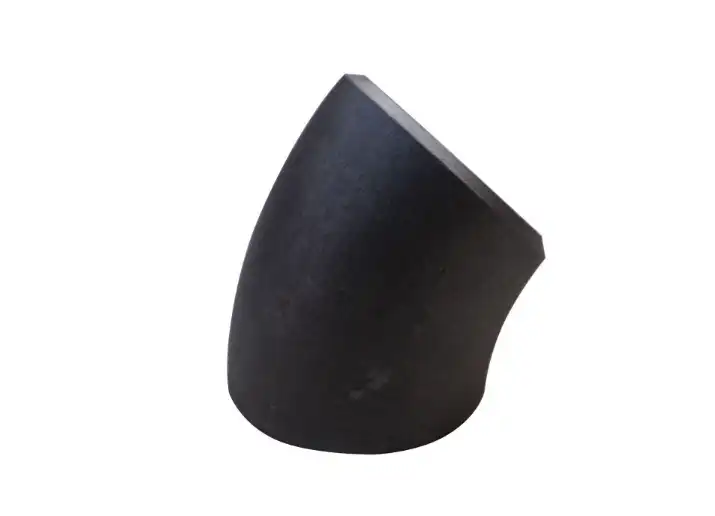
Mechanical Property Specifications
The yield strength (at least 205 MPa), tensile strength (415–585 MPa), and elongation standards of a material are very important for engineers to make choices and make sure it works safely in a variety of situations. Standards set pressure-temperature values that help engineers choose the right fittings for different working conditions, ensuring long-term safety and efficiency.
By comparing carbon steel to other options like stainless steel or alloy steel, procurement managers can make smart decisions about how to balance cost and performance that meet the needs of the project and stay within the budget.
Manufacturing Processes and Quality Control Standards
To meet strict quality standards, carbon steel elbows are made using a variety of techniques, such as hot pressing, casting, and welding. The final product's size, strength, and ability to meet standards set by foreign groups for quality are all affected by the steps that are taken.
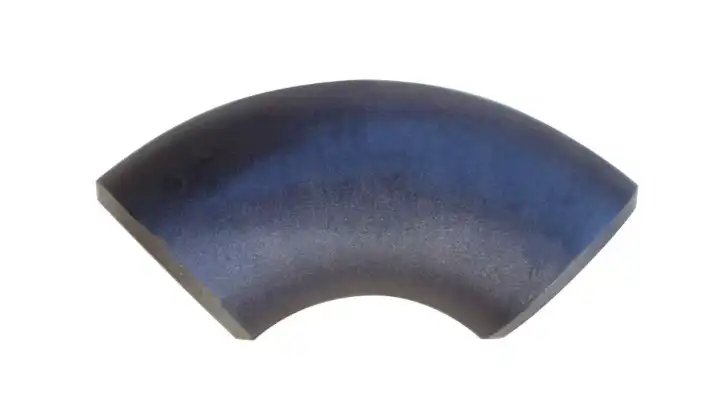
Production Methods and Standards Compliance
Carbon steel elbow wholesale products are manufactured using hot-forming methods, which make smooth elbows that are stronger, while welding is a cheaper way to make elbows that are used in lower-pressure situations. To make sure that the quality of each production run is the same, manufacturing standards spell out the acceptable limits, surface finish requirements, and checking procedures.
Quality Assurance Protocols
Non-destructive testing (NDT), hardness checks, and dimensional inspections are all part of strict quality assurance. These tests are backed by ISO-certified companies and independent third-party inspectors. Our company has both ISO 9001:2000 quality management system approval and licenses to make special equipment, which shows that we are committed to meeting world quality standards.
Full tracking through Mill Test Certificates (MTC), heat numbers, and certifications makes sure that everyone is responsible and supports warranty claims. This is an important factor for global B2B clients who want to ensure long-term performance and dependability.
Wholesale Procurement Considerations and Industry Standard Compliance
Checking that the products meet international standards and seeing if the seller can handle large orders without lowering quality are important parts of buying carbon steel elbows wholesale in bulk. Standards-based selection factors keep buyers from getting low-quality goods and make sure that new products can be used with current pipe systems.
Supplier Evaluation Criteria
Verification of quality management system certifications, special equipment manufacturing licensing, and technical ability shown through advanced production and testing equipment are some of the most important things that are looked at when judging someone. To get large-scale buying contracts, suppliers must show that they have exported goods before and have a good name in global markets.
Pricing and Lead Time Considerations
Standards-based price factors include the grade of the material, the difficulty of making, and the cost of certification for Carbon steel elbow wholesale. These factors affect discounts for buying in bulk and wait times. When buying, managers know about these cost causes, and they can negotiate better terms while still meeting quality standards and delivery deadlines.
Proper packing that follows industry standards keeps the quality of the product safe while it's being shipped, and clear inventory management helps with fast delivery and full compliance paperwork all along the supply chain.
Industry Best Practices for Ensuring Compliance and Maximizing Value
Adopting organized quality assessment procedures lowers the risks of buying while increasing the value of bulk purchases. These practices have grown out of decades of experience in the field and well-documented case studies showing how they've worked in different industries.
Quality Verification Checklist
Visual inspection for surface flaws, measuring dimensional accuracy against tolerances, and checking standards certificates from known testing labs are all important steps in the verification process. To make sure that everything can be tracked, material papers should list the chemical makeup, mechanical qualities, and heat treatment records.
Long-term Sourcing Strategies
Following accepted standards can save clients money, make things safer, and cut down on downtime. This is shown by successful trade deals. By lowering upkeep costs and ensuring adherence to changing regulatory frameworks, carbon steel elbow wholesale orders from certified sellers protect the integrity of the project.
These best practices give global procurement managers the information they need to make smart choices, get the most out of their investments, and keep the supply chain running smoothly during tough industrial projects.
Conclusion
When you know the industry standards for buying carbon steel elbows wholesale in bulk, you can make smart choices that balance quality, cost, and safety needs. Standardization groups like ASTM, ASME, and ISO make sure that products work well in oil, chemical, natural gas, and water conservation settings. Thoroughly evaluating suppliers, checking the quality of all products, and building long-term partnerships with certified makers who consistently meet international standards are all parts of successful buying strategies.
FAQ
What key standards should I prioritize when purchasing wholesale carbon steel elbows?
When purchasing carbon steel elbows wholesale, make sure they meet widely known standards like ASTM A234, ASME B16.9, ANSI, DIN, JIS, and ISO. This will make sure they work well in all kinds of situations around the world.
How do industry standards affect product compatibility and performance?
Following set standards makes sure that elbows fit perfectly into existing pipe systems. This stops leaks and other problems that could happen because of mismatched sizes or low-quality materials that could weaken the system.
Can manufacturers provide customization while maintaining standards compliance?
When you buy in bulk, many approved makers let you change the sizes, pressure ratings, and certifications to fit your needs. This lets you get solutions that are perfect for your project while still meeting all the standards.
Partner with Oudi for Standards-Certified Carbon Steel Elbows
Oudi has served over 300 customers across 40 countries since 1998, delivering exceptional quality and reliability in pipe fitting solutions. Our ISO 9001:2000-approved manufacturing facility strictly follows foreign standards like ASTM, ASME, DIN, JIS, and BS. We promise consistent quality for your carbon steel elbow wholesale needs because we can produce 16,000 tons of goods every year and check the quality of all the products, from the raw materials to the finished goods. As a reliable carbon steel elbow wholesale provider, you can email our team at oudi-04@oudiguandao.com to talk about the details of your project, get reasonable quotes, and find shipping options that fit your needs.
References
1. American Society for Testing and Materials. "ASTM A234 Standard Specification for Piping Fittings of Wrought Carbon Steel and Alloy Steel." ASTM International Standards Manual, 2023.
2. American Society of Mechanical Engineers. "ASME B16.9 Factory-Made Wrought Steel Buttwelding Fittings." ASME Boiler and Pressure Vessel Code, 2021.
3. International Organization for Standardization. "ISO 3419 Non-alloy and Alloy Steel Butt-welding Fittings." ISO Standards Catalog for Industrial Applications, 2022.
4. Deutsches Institut für Normung. "DIN 2605 Steel Pipe Fittings - Elbows, Tees and Reducers." German Engineering Standards Handbook, 2023.
5. Japanese Industrial Standards Committee. "JIS B 2311 Steel Pipe Fittings." Japanese Industrial Standards for Piping Components, 2022.
6. British Standards Institution. "BS EN 10253 Butt-welding Pipe Fittings of Non-alloy and Ferritic Alloy Steels." British Engineering Standards Manual, 2021.

Need help finding the right solution with our experts. Please contact us.

SINCE 1998 Your Reliable Pipeline Manufacturer



