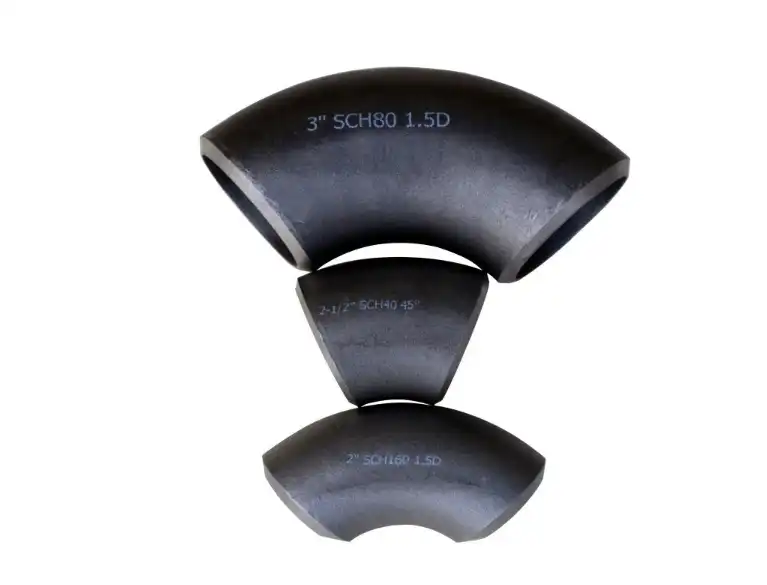
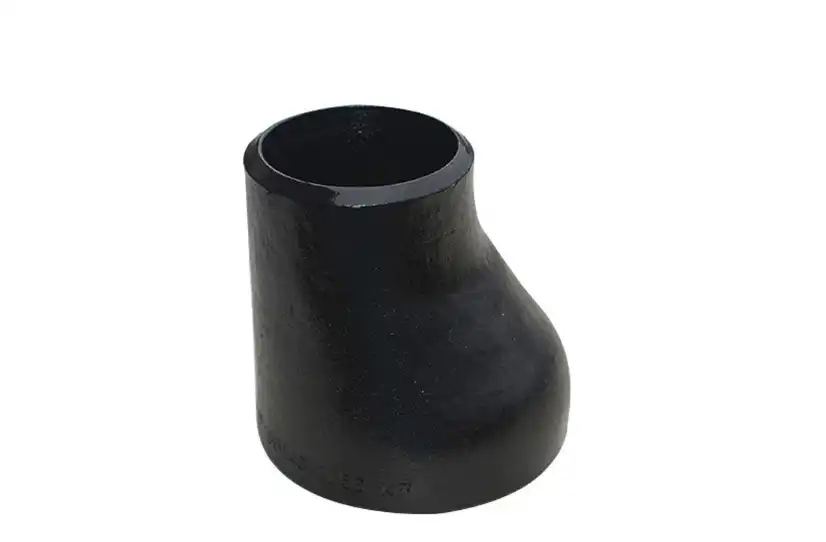
Concentric Reducer Carbon Steel: China vs India for Qatar Buyers
The option between China and India as a partner for sourcing Concentric Reducer Carbon Steel components is a key one for procurement specialists buying industrial pipe fittings for Qatar’s demanding oil, gas, and petrochemical industries. The countries are all competitive manufacturing environments, but each has its own advantages in terms of quality certifications, scale of production, price, and logistical efficiency. Understanding these intricacies has a direct influence on project timeframes, adherence to budget, and long-term operational dependability. This detailed survey provides engineers and buying managers in Qatar with practical knowledge to improve their sources of supply and cut down the hazards of international procurement for demanding industrial purposes.
China vs India — Comparative Analysis for Sourcing Concentric Reducer Carbon Steel
Procurement choices are based on an objective assessment of the manufacturing ecosystems, regulatory compliance, and supply chain resilience that each sourcing location offers.
Manufacturing Capabilities and Quality Certifications
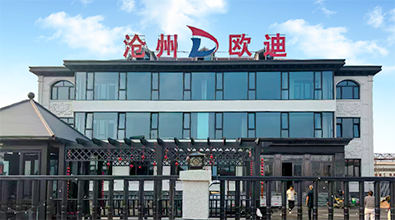
Since the late 1990s, China’s pipe fittings sector has evolved. Specialized manufacturing bases such as Mengcun in Cangzhou have concentrated technological knowledge and production facilities. This progress is shown by facilities such as Oudi Pipe Manufacture Co., Ltd. The company has been in business since 1998 and has an annual production capacity of 16,000 tons. Advanced forging presses, CNC machining centers, and automated heat treatment furnaces provide tight tolerance control, ±1.5mm on face-to-face dimensions and ±12.5% on wall thickness, as per ASME requirements. Certification portfolios set apart top Chinese manufacturers. ISO 9001:2000 quality management systems offer basic process control, and the People’s Republic of China Special Equipment Manufacturing License attests to the capability to manufacture pressure vessel components.
Acceptance of third-party inspection from organizations such as TÜV Rheinland and Lloyd’s Register gives credibility to overseas purchasers. Full-spectrum non-destructive testing of ultrasonic thickness verification, magnetic particle examination, and radiographic inspection ensures defect detection rates of more than 99.5%. Indian manufacturing sector offers comparable certifications, with many suppliers having ISO 9001:2015 accreditation and API 5L monogram licenses. Production units are located close to the industrial zones of Mumbai and Rajkot with state-of-the-art induction heating facilities and labs for spectroscopic analysis. Capacity is scalable to smaller batch runs, which is good for tailored specs but might be a limitation for big-scale project needs with 500+ ton orders and tight delivery timelines. For buyers comparing suppliers, Concentric Reducer Carbon Steel products can also be evaluated based on manufacturing capabilities, certification, inspection procedures, and production capacity.
Pricing Structures and Lead Time Analysis
The cost factors include not just unit price but also total landing costs and inventory carrying costs. Chinese manufacturers often quote FOB costs for similar ASTM A234 WPB reducers in common sizes (2” to 48”) around 12-18% cheaper than Indian manufacturers. Volume savings are significant, at above 50-ton levels, and tiered pricing structures provide an additional 8-12% discount. Customization premiums for non-standard wall thickness or material upgrades (WPC grade for low-temperature service) are still competitive, averaging 15-20% premiums. Lead times from Chinese suppliers average 35-45 days for standard inventory items, extending to 60-75 days for custom-engineered specifications requiring material procurement and specialized heat treatment cycles. India-based manufacturers cite comparable schedules (40-50 days) for regular items but indicate more flexibility for accelerated production runs, which might reduce critical-path delays by 10-15 days via priority scheduling agreements.
Supply Chain Reliability and Logistics
China has a geographical advantage in servicing Qatar’s industrial corridor. Shipping routes between the ports of Tianjin and Shanghai and Hamad Port in Doha have an average transit time of between 18 and 22 days, with key carriers such as COSCO and MSC offering weekly container services. Freight expenses per twenty-foot comparable unit ($1,200 to $1,800, depending on seasonal demand swings). Chinese exporters have established documentation processes for Qatari customs clearance, including Certificate of Origin, Mill Test Certificates, and third-party inspection reports as per Qatar Petroleum supplier qualification requirements. Indian logistics routes from Nhava Sheva or Mundra ports take 12-16 days sailing time, with the advantage of shorter distances across the Arabian Sea. Container availability is more irregular, and the monsoon season (June-September) may create schedule gaps that impair the dependability of departures. Freight economics is somewhat more favorable for India – $1,000-$1,600 per TEU –, but the overall logistics costs are comparable when interior transportation from industrial centers to port facilities is included.
Key Considerations When Choosing Concentric Reducers for Qatar's Industrial Needs
Successful procurement is a balancing act between technical needs and business realities, and regulatory duties within Qatar’s industrial sector.
Material Selection and Application-Specific Requirements
In Qatar, there are particular stresses in the operating environment, which require careful selection of material grades. In crude distillation units, ambient temperatures higher than 50°C and process fluid temperatures up to 380°C need carbon steel grades with low creep deformation. ASTM A234 WPB is still appropriate for moderate temperature use, but WP11 and WP22 alloy grades are needed for hydrocracker and catalytic reformer service at temperatures above 450°C. Corrosion resistance considerations play an important role in specification decisions for saltwater applications common to Qatar's offshore platforms and desalination plants. Carbon steel reducers are suitable for dry gas transmission, but in chloride-rich situations they corrode rapidly via pitting, limiting their service life to 8-12 years without protective coatings. The use of fusion-bonded epoxy (FBE) or three-layer polyethylene coatings may increase the service life to 20-25 years; therefore, the 25-30% premium on costs is worthwhile, with lower maintenance downtime and replacement costs.
Certification Compliance and Quality Assurance
Procurement approval procedures for Qatar Petroleum-related projects need strict vetting of paperwork. The Material Test Reports (MTRs) should be traceable to heat batch numbers and validate chemical composition analysis by optical emission spectroscopy. The mechanical properties shall be verified by tests performed in laboratories accredited according to ASTM A370 test procedures, covering tensile strength, yield strength, elongation, and Charpy V-notch impact values at specified test temperatures. Certificates of pressure tests showing hydrostatic test pressure of 1.5 times the design pressure ratings for a minimum duration of 10 seconds are required for quality verification. The documentation bundle includes dimensional inspection reports certifying conformance to specified schedules and bevel angles (37.5° ±2.5° standard), as well as surface polish specification (max. 6.3 μm Ra). SGS, Bureau Veritas, or Intertek third-party inspection services provide independent verification, reducing procurement risk and enabling speedier project approvals.
Customization Capabilities and Bulk Ordering Benefits
The flexibility and ability of suppliers to meet non-standard standards are important for large-scale infrastructure projects. Concentric Reducer Carbon Steel custom bore-matching, which involves fabricating the smaller end with a tapered internal diameter that exactly matches downstream pipe schedules, avoids turbulence at weld transitions and reduces erosion rates by 15-20% in high-velocity applications. This modification adds 3-5 weeks to production timelines but offers meaningful performance gains in slurry transport and multiphase flow systems. Bulk ordering tactics may provide significant economic advantages. We may combine yearly reduction needs into quarterly shipments to negotiate framework agreements with locked-in prices, guarding against raw material cost fluctuations. Oudi Pipe Manufacture and others will provide volume commitments with sliding discounts (5% for 100 tons per annum, up to 12% for 500 tons). This strategy needs good demand forecasting and warehouse capacity planning, but yields procurement savings far in excess of $80,000 per year for typical major project consumption patterns.
Insights into Market Trends and Procurement Strategies for Qatar Buyers
Evolving industry dynamics and technological innovations reshape sourcing strategies for forward-thinking procurement teams.
Technological Advancements in Manufacturing Processes
Recent advances in metallurgical technology have resulted in the development of thermomechanical controlled processing (TMCP) methods that may produce fine-grained microstructures with enhanced toughness qualities. These new production techniques allow wall thickness to be reduced by 10-15% with equal pressure ratings, saving material costs and shipping weight. More Chinese manufacturers have adopted TMCP technology than Indian manufacturers, with approximately 40% of tier-one suppliers offering these value-added products versus a 20% adoption rate in India’s manufacturing industry. Automated ultrasonic testing systems based on phased-array technology detect subsurface defects as small as 1.5mm equivalent diameter, which is a significant improvement over the conventional radiographic testing method for quality control. The degree of investment in this inspection equipment corresponds closely with the maturity of the firm; facilities operational for more than 20 years usually have complete automated testing capabilities, whereas younger entrants may have manual inspection methods with greater mistake rates.
Supplier Evaluation Criteria and Risk Mitigation
Good due diligence involves not just doing a pricing comparison but also looking at markers of operational stability. Credit reporting organizations, such as Dun & Bradstreet, may provide financial health assessments by revealing supplier liquidity ratios and payment history trends. Financial strength to meet long-term supply commitments is evident in manufacturers with current ratios over 1.5 and debt-to-equity ratios below 0.8. Facility audits provide capacity evaluation to verify stated production capacities. Site inspections should review raw material inventory levels (sufficient suppliers maintain 45-60 days' supply), equipment maintenance records, and labor skill certification programs. Testimonials from current customers in comparable sectors are a great way to gauge the dependability of delivery, consistency of product, and how responsive they are to quality issues. You request performance information (defect rates, percentage of on-time deliveries, frequency of warranty claims, etc.) on completed projects, and you get objective statistics to quantify supplier dependability.
Contract Negotiation Best Practices
Strategic contract structure protects the buyer’s interest and incentivizes the supplier to fulfill. Lead-time penalty clauses that require price reductions of 0.5%-1.0% each week of delay over the agreed timetable keep manufacturers honest without placing an excessive load on them. Phased payment terms – 30% up front, 40% against production completion documentation, 30% after delivery inspection – balance cash flow needs while maintaining leverage to enforce quality. Quality escape clauses allowing for rejection of non-conforming materials without penalty fees protect project schedules. Instead, acceptance requirements should be clearly defined (e.g., particular ASTM test methods, dimensional tolerances, surface polish standards, etc.). This leaves no doubt when there is an inspection disagreement. Adding provisions for arbitration by third parties, such as international chambers of commerce, ensures impartial channels for resolving disputes if differences develop, which is especially crucial in cross-border transactions involving multiple legal jurisdictions.
Conclusion
Industrial procurement executives in Qatar are faced with challenging sourcing options when they are required to choose between Indian and Chinese vendors for concentric reducer carbon steel components. China has the benefit of scale of production, modern manufacturing technology, and mature export logistics infrastructure, and is especially ideal for big-quantity orders with standard specifications. Suppliers like Oudi Pipe Manufacture have well-developed capabilities with all-round certifications, large yearly capacity, and an established track record servicing the worldwide markets since 1998. India has attractive options with the advantage of location and flexible customisation options. Effective procurement methods should balance technical standards, compliance with certification, cost efficiency, and supplier dependability evaluation. Qatar buyers use rigorous evaluation frameworks including financial stability checks, facility audits, and performance reference checks. This puts their organizations in a position to procure high-quality components that support operational excellence across their oil, gas, and petrochemical infrastructure projects.
FAQ
What factors influence pricing differences between Chinese and Indian manufacturers?
Raw material costs constitute 55-60% of total production expenses, with both countries accessing similar global steel markets. Labor cost differentials contribute 8-12% pricing variations—Chinese manufacturers benefit from higher automation, reducing per-unit labor content, while Indian facilities maintain lower wage rates, offsetting manual process dependencies. Economies of scale create the most significant pricing gap: Chinese suppliers operating at 80-90% capacity utilization distribute fixed overhead costs across larger production volumes, reducing unit costs by 12-18% compared to smaller Indian operations averaging 60-70% utilization rates.
How do warranty terms compare between suppliers from both countries?
Standard warranty coverage spans 12-18 months from the delivery date or 12 months from installation, covering manufacturing defects, including dimensional non-conformity, material composition deviations, and premature failure due to metallurgical defects. Chinese manufacturers increasingly offer extended 24-month warranties on premium product lines, particularly when supply agreements exceed 200-ton annual volumes. Indian suppliers typically maintain conservative 12-month terms but demonstrate greater flexibility in negotiating remediation approaches—offering partial credits, expedited replacements, or on-site technical support rather than rigid replacement-only policies.
Can buyers order custom-sized reducers for specialized applications?
Both Chinese and Indian manufacturers accommodate custom specifications, though minimum order quantities and pricing structures differ substantially. Chinese suppliers typically establish 10-ton minimums for non-standard dimensions, applying 20-25% surcharges for custom tooling and setup costs. Indian manufacturers accept smaller batch runs—sometimes as low as 2-3 tons—but impose proportionally higher premiums reaching 35-40% above standard pricing. Custom specifications requiring special material grades (duplex stainless steel, nickel alloys) or exotic dimensional requirements necessitate 90- 120-day lead times regardless of sourcing origin, as raw material procurement and specialized heat treatment cycles dominate production schedules.
Partner with Oudi: Your Trusted Concentric Reducer Carbon Steel Manufacturer
Qatar's demanding industrial environments require pipe fitting suppliers to demonstrate unwavering quality standards and operational reliability. Oudi Pipe Manufacture Co., Ltd has served global markets since 1998 from our 66,600-square-meter facility in Cangzhou's specialized manufacturing zone, producing 16,000 tons annually of ASTM-compliant fittings. Our ISO 9001-certified quality management system and Special Equipment Manufacturing License validate technical capabilities essential for your critical applications. We maintain comprehensive inventory across standard dimensions—2" through 48" in schedules 10 through XXS—enabling rapid fulfillment while offering custom engineering for project-specific requirements. Reach our procurement specialists at oudi-04@oudiguandao.com to discuss your concentric reducer carbon steel needs and receive detailed technical proposals with competitive quotations. Visit https://blog.odpipefitting.com/ to explore our complete product range and download certified mill test reports demonstrating our commitment to excellence.
References
1. American Society of Mechanical Engineers (2020). ASME B16.9: Factory-Made Wrought Buttwelding Fittings. ASME International Standards Committee.
2. Bhatia, A. (2019). Material Selection for Piping Systems in Oil and Gas Applications. Continuing Education and Development, Inc.
3. Chen, Y., & Liu, W. (2021). Comparative Analysis of Manufacturing Clusters in Asian Pipe Fitting Industries. Journal of Industrial Engineering and Management, 14(3), 487-503.
4. NACE International (2015). NACE MR0175/ISO 15156: Petroleum and Natural Gas Industries—Materials for Use in H2S-Containing Environments in Oil and Gas Production. NACE Standards Publication.
5. Qatar Petroleum (2022). Supplier Quality Requirements for Materials and Equipment. Corporate Materials Organization Technical Standards.
6. Rahman, S., & Kumar, P. (2018). Global Supply Chain Strategies for Industrial Components: India and China Comparison. International Journal of Production Economics, 206, 112-128.

Need help finding the right solution with our experts. Please contact us.
SINCE 1998 Your Reliable Pipeline Manufacturer