Why Choose an OEM Carbon Steel Elbow Supplier for Custom Orders?
Choosing a Carbon steel elbow supplier with a focus on OEM customisation may have a considerable impact on project results when procuring pipe components for large-scale industrial projects. OEM vendors don’t just provide standard items; They supply precision-engineered solutions designed to meet the system’s particular needs, supported by strict quality control and technical competence. As opposed to off-the-shelf solutions, bespoke orders enable procurement teams to choose precise dimensions, material grades, pressure ratings, and connection types that fit with project plans and regulatory specifications. Such customisation is required in the sectors where safety, durability and performance are non-negotiable, and an experienced OEM partner is a must-have.
Key Factors to Consider When Selecting a Carbon Steel Elbow Supplier
Choosing the right Carbon steel elbow supplier requires careful evaluation of multiple factors that directly impact procurement success and operational reliability.
Quality Compliance and Certifications
Supplier credibility is grounded in the verification of certification. ISO 9001 accreditation proves adherence to quality management systems. Special equipment manufacturing permits prove technical competence. We comply with ANSI, JIS, DIN, and BS standards so that our goods may be used worldwide according to different regulations. Our quality control system covers all stages from inspection of raw material to final product testing, including thorough inspection procedures and nondestructive fault identification. This thorough strategy ensures that every elbow leaving our facility is at or above the defined performance requirements.
Production Capabilities and Manufacturing Methods
Whether procurement teams know what a supplier has the ability to manufacture, they can see whether the company can handle complicated bespoke requests. Carbon steel elbows may be made in many production processes, namely seamless, welded, and forged. Each of them has its own benefits. Seamless elbows are more resistant to pressure and are stronger than other types of elbows; therefore, they are appropriate for use in applications that are exposed to severe stress. Welded elbows are a cost-effective option for routine installations. We have the most modern equipment for manufacturing, which can do hot and cold forming. We can create elbows from SCH10 to SCHXXS thickness standards. This flexibility enables us to meet the needs of different projects under one supplier.
Lead Time Predictability and Order Flexibility
On industrial projects, delays cascade into major cost overruns; thus, reliable delivery schedules are important. We have transparent production planning methods. You will be given a lead time depending on the complexity of your order and our existing capacity. We have versatile order management systems to suit urgent small-batch needs as well as big-volume contracts with long lead times. Other advantages include preferred pricing arrangements that allow for more predictable budgeting and priority scheduling if the relationship is a long-term agreement.
Geographic Advantages and Logistics Support
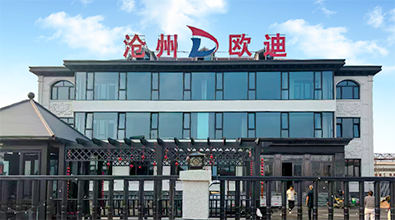
Situated in Mengcun Hui Autonomous County, Cangzhou, our position allows us strategic access to Tianjin Port, minimising shipping times and logistical costs to worldwide markets. We have a good transit infrastructure, being located 120 km from Tianjin Airport and next to the Beijing-Shanghai Highway. This regional advantage means speedier customs clearance, lower freight costs and more predictable delivery times – notably when servicing customers in Europe, the Americas, Africa, Southeast Asia and the Middle East.
Comparing Carbon Steel Elbow Types and Their Impact on Customization
Understanding the technical distinctions between elbow types enables procurement teams to specify components that optimize system performance and cost-efficiency.
Manufacturing Method Variations
Hot forming produces elbows with uniform material properties and enhanced mechanical strength. At Oudi, our hot pushing process creates smooth inner surfaces that minimize turbulence and pressure loss, while hot bending accommodates larger diameters and specialized angle requirements. Cold forming suits thinner-walled stainless steel applications, offering precision for delicate specifications. Each method influences the final product's pressure tolerance, corrosion resistance, and installation characteristics, making supplier expertise in multiple techniques essential.
Standard and Custom Angle Configurations
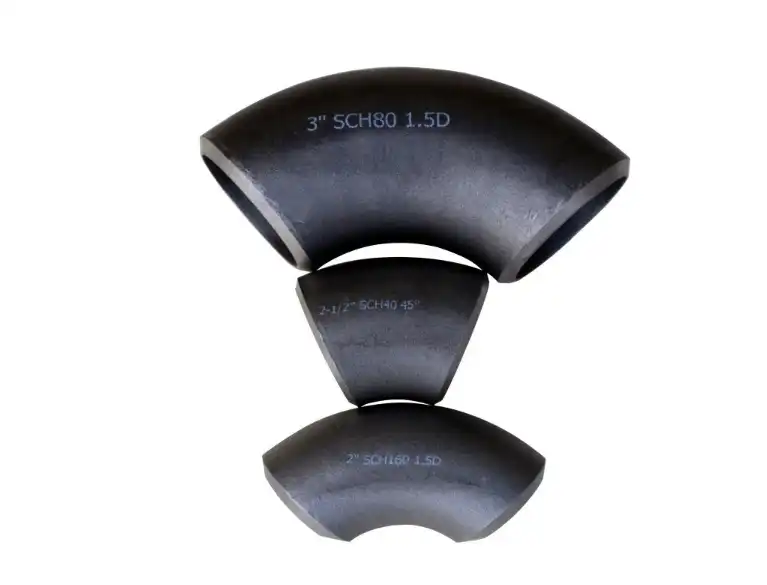
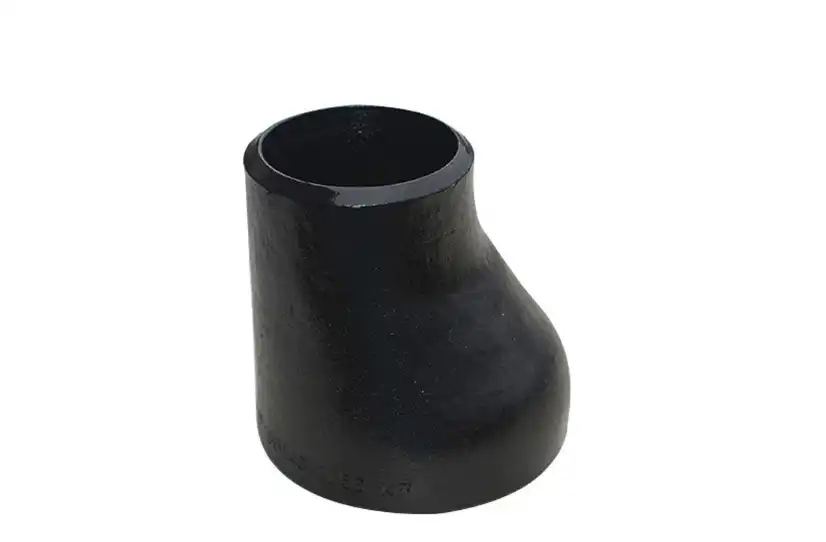
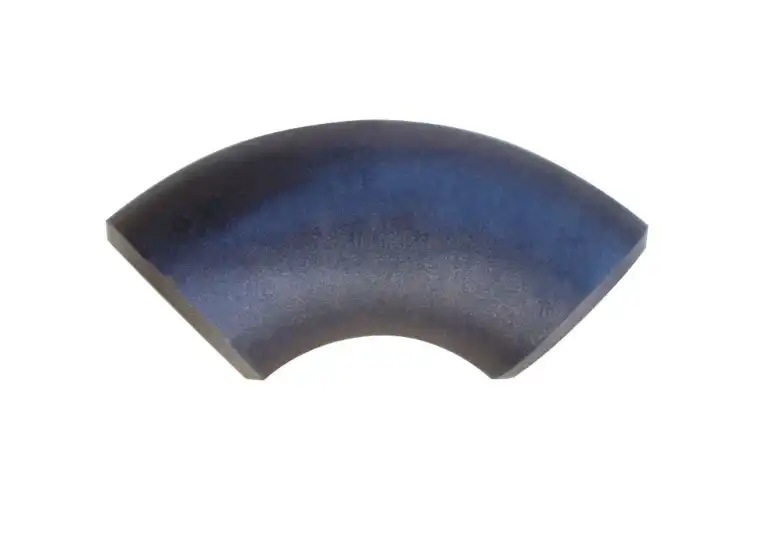
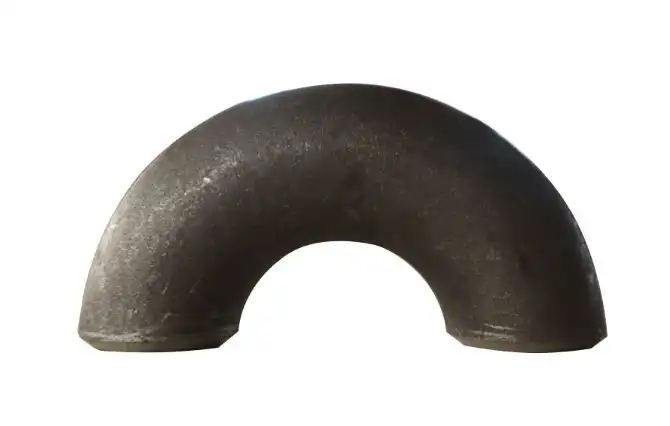
While 45-degree and 90-degree elbows dominate most piping layouts, custom angles provide solutions for space-constrained installations or unique directional changes. The 45-degree short-radius elbow, widely used in chemical, construction, paper, cement, and shipbuilding industries, offers a compact design without compromising flow efficiency. Long radius variants reduce friction loss in high-velocity systems. We manufacture reducing elbows when pipe diameter transitions are necessary, eliminating the need for additional fittings and potential leak points.
Material Grade Selection and Performance Implications
Material grades directly determine operational longevity and safety margins. ASTM A234 WPB Carbon steel elbow supplier provide reliable performance in moderate temperature and pressure environments, making them suitable for water conservancy and general industrial applications. For cryogenic service, ASTM A420 WPL6 grade offers superior low-temperature toughness. ASTM A105 carbon steel elbows excel in high-pressure steam, gas, and oil systems, with threaded connections facilitating installation in tight spaces. Our comprehensive material inventory enables clients to select precisely the grade that balances performance requirements against budget constraints.
How OEM Suppliers Ensure Quality and Compliance in Custom Orders
Quality assurance in custom manufacturing demands systematic inspection protocols and transparent documentation practices that extend beyond standard production.
Rigorous Inspection and Testing Protocols
We implement multi-stage quality verification processes that begin with raw material certification and continue through every production phase. Nondestructive testing methods, including ultrasonic and radiographic inspection, detect internal flaws without compromising product integrity. Dimensional accuracy checks ensure conformance to specified tolerances, while hydrostatic pressure testing validates structural integrity under operational conditions. Material verification confirms chemical composition and mechanical properties align with grade specifications. Our advanced detection equipment meets all international testing standards, providing clients with complete confidence in product reliability.
Comprehensive Documentation and Traceability
Every custom order generates detailed documentation that supports installation, maintenance, and compliance verification. We provide technical datasheets specifying material composition, mechanical properties, and dimensional tolerances. Material certificates trace components back to raw material sources, satisfying auditor requirements and regulatory scrutiny. Installation guidelines offer practical recommendations that optimize performance and prevent common application errors. This documentation package becomes particularly valuable during project inspections, warranty claims, and long-term maintenance planning.
Case Study: Evidence of Performance Optimization
Our experience serving over 300 customers across more than 40 countries shows how OEM customization solves complex industrial challenges. A recent petroleum infrastructure project in the Middle East required elbows with enhanced corrosion resistance and precise dimensional specifications to integrate with existing systems. Through close technical collaboration, we developed custom ASTM A234 WPB elbows with specialized surface treatments that extended service life by 40% compared to standard options. This solution reduced maintenance frequency, cut lifecycle costs, and shortened installation time—outcomes achievable only through an OEM supplier's technical flexibility and manufacturing expertise.
Streamlining Procurement: How to Order Custom Carbon Steel Elbows from an OEM Supplier
Good procurement procedures involve straightforward communication, open workflows, and a shared knowledge of the technical requirements and commercial objectives.
Initial Inquiry and Specification Review
It starts with the customer providing the project specs, the size, the grade of steel, the connection type, the pressure class, the regulations to follow, and so on. Our technical staff evaluates these standards and identifies any possible optimisation possibilities or compatibility problems. This joint review step avoids expensive misunderstandings and ensures that quoted items exactly fit project demands. During this step, we also ask customers to disclose system designs, operational characteristics, and installation limits so we may propose changes to increase performance or minimise costs.
Quotation, Sampling, and Approval
We analyse the specifications and generate thorough bids including unit price and tooling expenses where appropriate, lead times, and payment arrangements. You may save a bundle on big jobs by buying in bulk and locking in long-term contracts for volume discounts and priority production scheduling. Samples are provided, if applicable, for customer review so that engineering teams may check quality before full production runs. During this sample phase, we develop confidence and show our willingness to satisfy specific criteria.
Production, Quality Assurance, and Delivery
Once your order is verified, our production planning tools will assign assets and schedule manufacture to stipulated timescales. Progress updates are sent to customers during production to keep the status of their purchase visible. Inspection reports are accessible on request, including quality assurance at key points throughout the process. We organise shipping logistics, including customs paperwork and freight details, to guarantee on-time delivery to project locations. Our in-house import-export capabilities simplify cross-border operations, cutting administrative costs and speeding delivery times.
Building Long-Term Partnerships
Good buying is not only a matter of individual transactions. We create connections that last via constant quality, effective communication, and ongoing development. “The regular feedback channels allow clients to share observations on performance, which drives product refinements and process improvements. We are flexible and can adapt to changes in design, rush orders, and unforeseen needs as the project grows. This responsiveness is especially important in a dynamic industrial setting. These collaborations fuel innovation, save costs, and increase supply chain resilience, providing strategic benefits that accrue over time.
Conclusion
By partnering with an experienced OEM supplier, Carbon steel elbow supplier procurement is transformed from a transactional need to a strategic benefit. Procurement teams may use the customisation capabilities, manufacturing knowledge, and quality assurance systems of OEM suppliers to achieve exact project needs while optimising costs and schedules. Oudi has 25 years of expertise in manufacturing, ISO-certified quality processes, and a track record of worldwide exports, making it a credible partner for industrial projects that need perfection. Complete assistance from first inquiry to final delivery makes procurement simple, improves system performance, and provides long-term value.
FAQ
1. What customization options are available when ordering carbon steel elbows?
Customization extends across multiple dimensions, including wall thickness adjustments, angle configurations beyond standard 45 or 90 degrees, specialized material grades like ASTM A234 WPB or A420 WPL6, and various connection types such as butt-welded, socket-welded, or threaded. We can also modify surface finishes, implement corrosion-resistant coatings, and produce reducing elbows that accommodate diameter transitions. Each customization is engineered to meet specific operational conditions and regulatory requirements.
2. How can I verify the quality and certifications of a supplier?
Quality verification should include confirming ISO 9001 certification and special equipment manufacturing licenses, reviewing material certificates and inspection reports, and examining references from previous clients in similar industries. Requesting samples allows direct quality assessment. We maintain transparent documentation practices and welcome site audits, providing complete visibility into our manufacturing processes and quality control systems.
3. What are typical lead times for custom carbon steel elbow orders?
Lead times vary based on order complexity, customization requirements, and current production schedules. Standard custom orders typically require four to six weeks from specification approval through delivery. Complex specifications or large volumes may extend timelines, while urgent requirements can often be accommodated through priority scheduling. We provide accurate lead time estimates during the quotation phase and maintain communication throughout production to ensure expectations align with reality.
Partner with Oudi for Your Custom Carbon Steel Elbow Requirements
Oudi stands ready to support your procurement objectives with precision-engineered carbon steel pipe fittings backed by 25 years of manufacturing excellence. As an established Carbon steel elbow supplier and manufacturer serving petroleum, chemical, natural gas, water conservancy, construction, shipbuilding, and electric power industries globally, we combine technical expertise with competitive pricing and reliable delivery. Our ISO 9001:2000-certified quality systems and 16,000-ton annual capacity ensure consistent product quality and supply chain reliability. Contact our team at oudi-04@oudiguandao.com to discuss your custom elbow requirements, receive detailed quotations, and discover how our OEM capabilities can optimize your next project's performance and cost-efficiency.
References
1. Smith, J.R. (2021). Industrial Piping Systems: Design, Materials, and Installation Standards. New York: McGraw-Hill Engineering Press.
2. American Society of Mechanical Engineers. (2020). ASME B16.9: Factory-Made Wrought Buttwelding Fittings. New York: ASME Publications.
3. Chen, L. & Wang, H. (2022). "Quality Control Practices in OEM Pipe Fitting Manufacturing." Journal of Industrial Engineering and Management, 15(3), 487-503.
4. Thompson, M.K. (2019). Strategic Procurement in Heavy Industries: Best Practices for B2B Supply Chain Optimization. London: Industrial Press Ltd.
5. International Organization for Standardization. (2020). ISO 9001:2015 Quality Management Systems Requirements. Geneva: ISO Central Secretariat.
6. Rodriguez, A. & Kumar, S. (2023). "Material Selection and Performance Analysis of Carbon Steel Pipe Fittings in High-Pressure Applications." Materials Science and Engineering Review, 48(2), 112-129.

Need help finding the right solution with our experts. Please contact us.
SINCE 1998 Your Reliable Pipeline Manufacturer