Concentric Reducer Carbon Steel: Is It Right for Your Project?
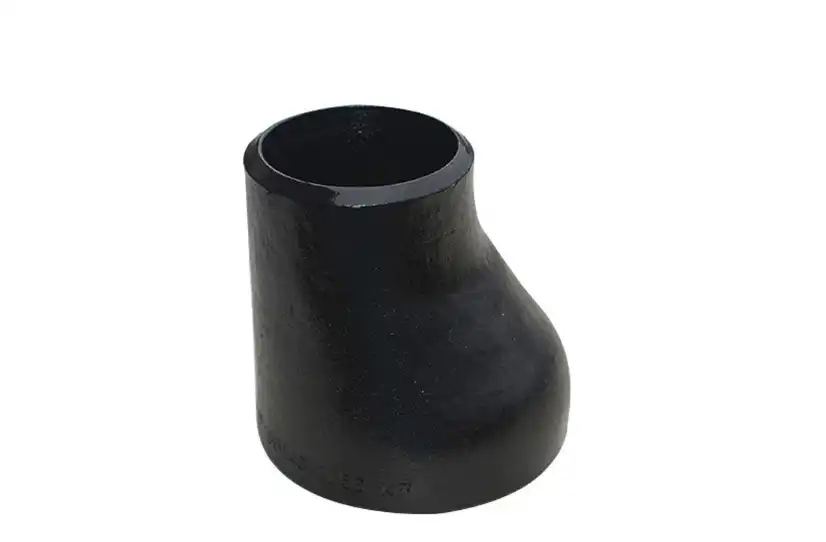
Whether you’re selecting pipe fittings for a tough industrial project, you’ve probably wondered whether a concentric reducer in carbon steel is the best decision. Short answer: Yes, undoubtedly. For most vertical pipe systems in oil, gas, chemical, and power-generating applications. A concentric reducer in carbon steel is a fitting used to join two pipes of differing diameters along the same centerline, allowing for symmetrical flow and steady pressure. This style of fitting continues to be one of the most practical options in industrial plumbing today, with proven robustness, extensive specification availability, and a price range that makes sense for bulk buying of Concentric Reducer Carbon Steel.
Understanding Carbon Steel Concentric Reducers
What Is a Concentric Reducer?
A cone-shaped pipe fitting that takes flow from a bigger pipe diameter and reduces it down to a smaller diameter pipe. Both ends have the same central axis. This symmetrical design allows gradual changes in fluid velocities and thereby eliminates turbulence and pressure losses. ASME B16.9 defines face-to-face dimensions according to the outer diameter of the bigger pipe, therefore standardizing the dimensions and assuring interchangeability between manufacturers.
Key Specifications to Know
Concentric reducers of carbon steel are made according to specifications ASTM A234 WPB/WPC and have a broad range of pressure and temperature. Sizes range from 1/2 inch to 48 inches, with wall thicknesses conforming to pipe schedules from SCH 40 through SCH 160 and XXS. Bevel angles are usually 37.5°±2.5° for walls less than 22mm, in accordance with on-site specifications for butt weld installation.
Industries That Rely on Them
They are found in the oil and gas pipeline, chemical processing, power generation boiler, and water treatment industries. They are a viable benchmark for plant building projects the world over since they can handle high-pressure steam lines and corrosive fluid systems. They are the standard specification of EPC contractors and heavy industrial end customers if the design includes a vertical pipeline changeover.
The most recognizable material in this group is carbon steel. It provides structural strength at a less expensive material cost than stainless or alloy steels. This is a big deal when buying in bulk.
Comparing Concentric Reducers: Carbon Steel vs Other Materials
Carbon Steel vs Stainless Steel
Advantages of concentric reducer carbon steels: Increased corrosion resistance, especially in acidic or high chloride conditions. They do, nevertheless, cost much more per unit. Properly coated carbon steel, or less harsh conditions, will provide the same service life at a fraction of the cost. Carbon steel is the more extensively used and less expensive material for oil pipelines, gas transmission, and general industry.
Carbon Steel vs Alloy Steel
Alloy steel reducers are intended for high-temperature and high-pressure usage, such as high-pressure steam systems above 600°F. They have chromium, molybdenum, or other elements added to boost creep resistance. Carbon steel concentric reducers are designed for a wide variety of industrial situations. These are the default option if alloy grade performance is not needed and the tensile strength of regular carbon steel (usually 415-585 MPa for ASTM A234 WPB) is sufficient for design purposes.
Concentric vs Eccentric Reducers
This difference matters operationally. The concentric reducer maintains the pipe centerlines straight and is most applicable to vertical lines and overhead runs. An eccentric reducer offsets one flat side to avoid the formation of air pockets in horizontal pump suction lines. A concentric reducer in a horizontal pump suction line may cause cavitation and pump impeller damage, a critical item that every procurement team should check with their engineering team before making a purchase.
This comparison allows purchasers to prevent spec mistakes that result in expensive field rework.
Procurement Insights for Carbon Steel Concentric Reducers
Evaluating Supplier Qualifications
When sourcing a carbon steel concentric reducer supplier, certifications are non-negotiable. Look for ISO 9001 quality management system certification, ASTM/ASME compliance documentation, and where applicable, special equipment manufacturing licenses. A supplier's ability to provide full material test reports (MTRs) and third-party inspection access signals a mature quality system. Oudi has held ISO 9001:2000 certification since its early years of operation and carries the People's Republic of China Special Equipment Manufacturing License.
Order Logistics and Lead Times
Here are the key logistics factors buyers should confirm before placing an order:
- Standard vs custom sizes: Most suppliers stock standard ASME B16.9 dimensions. Custom sizes, non-standard schedules, or special coatings require longer lead times — typically 4 to 8 weeks for production runs.
- Minimum order quantities (MOQ): For bulk industrial procurement, MOQs are usually negotiable. Oudi's annual production capacity of 16,000 tons supports both large contract orders and smaller repeat shipments.
- Delivery options: Export packaging, third-party inspection coordination, and port-of-loading documentation should all be confirmed in writing before finalizing terms.
These logistics details directly affect project timelines, so locking them down early prevents delays during construction phases.
Pricing and Negotiation
Carbon steel butt-weld fittings are commodity-sensitive, meaning pricing fluctuates with raw concentric reducer carbon steel markets. Buyers who consolidate their fitting categories — reducers, elbows, tees, flanges — under one supplier often negotiate better unit pricing. Requesting a full product range quotation from a single qualified manufacturer also reduces administrative overhead and simplifies quality auditing.
Installation and Maintenance Guide for Carbon Steel Concentric Reducers
Pre-Installation Checks
Before installation, verify that the reducer's pipe schedule and material grade match the upstream and downstream pipe specifications. Confirm the bevel preparation meets the welding procedure specification (WPS) on file. Inspect the fitting surface for any mechanical damage from transit, and check dimensional tolerances against the purchase order.
Installation Best Practices
Fit-up alignment is critical for butt-weld reducers. Misalignment during tacking increases weld stress and risks post-weld cracking. Use pipe alignment clamps and verify the root gap consistently before full-pass welding. For high-pressure or high-temperature service, post-weld heat treatment (PWHT) may be required per your applicable code (ASME B31.3 for process piping, for example).
Maintenance and Corrosion Prevention
Routine visual inspection every 6 to 12 months helps detect early-stage external corrosion or coating failure. In buried or splash-zone applications, apply epoxy or FBE coating at the fabrication stage. Internal inspection using ultrasonic thickness gauging can identify wall thinning before it becomes a safety concern. Keeping a maintenance log tied to the fitting's heat number and material certificate simplifies future audits.
Why Choose Carbon Steel Concentric Reducers for Your Project?
Performance Across Real Project Environments
Carbon steel butt-weld reducers have shown dependable service in high-pressure gas transmission in oil and gas pipeline projects in the Middle East and Southeast Asia. Chemical facilities handling moderately corrosive fluids – when corrosion is controlled by internal coatings or inhibitors – often select ASTM A234 WPB reducers as their standard fitting material. These fittings are also used throughout the feedwater and condensate systems of power plants operating high-pressure steam at moderate temperatures.
Product Range and Customization
Oudi produces a complete line of carbon steel, stainless steel, and alloy steel pipe fittings comprising elbows, tees, flanges, caps, and reducers in both concentric and eccentric forms. Products conform to ANSI/ASME (American), JIS (Japanese), DIN (German), and BS (British) standards. We may provide custom wall thicknesses, customized end preparations, and non-standard bore diameters to suit your project-specific needs.
Global Supply Track Record
Since 1998, Oudi has supported more than 300 customers in more than 40 countries, including clients from Europe, North and South America, Africa, Southeast Asia, and the Middle East. That export experience implies the organization knows paperwork needs, inspection methods, and delivery coordination for a range of overseas projects. That expertise is important for US-based procurement teams that manage import compliance and project scheduling concurrently.
Conclusion
A concentric reducer carbon steel fitting is a practical, well-proven option for vertical pipe transitions in oil, gas, chemical, electricity and water infrastructure applications. It provides the best combination of mechanical strength, cost-effectiveness, and specification flexibility for the majority of industrial design circumstances. The key is choosing a competent manufacturer that can support the goods with approved paperwork, consistent dimensional tolerances, and dependable delivery. Before finishing your specification, make sure the reducer type, concentric or eccentric, is correct for your actual pipe orientation to prevent field difficulties.
FAQ
1. What is the difference between a concentric and eccentric reducer?
A concentric reducer aligns the centerlines of both pipe ends, creating a symmetrical cone shape. An eccentric reducer offsets one side so that either the top or bottom of the fitting remains flat. This structural difference determines where each type belongs: concentric reducers work in vertical lines, while eccentric reducers are standard on horizontal pump suction lines to prevent air traps.
2. What material standard applies to carbon steel concentric reducers?
Most carbon steel butt-weld concentric reducers are manufactured to ASTM A234 WPB or WPC standards. Dimensional tolerances and face-to-face lengths follow ASME B16.9. These are the baseline specifications procurement teams should reference when requesting quotations from suppliers.
3. Can a concentric reducer be used on a horizontal pump suction line?
No. Placing a concentric reducer on a horizontal pump suction line creates a high point where air can accumulate, leading to cavitation and pump damage. An eccentric reducer with the top flat (TOP) is the correct fitting for that specific location.
4. How do I verify that a supplier's carbon steel reducers meet project requirements?
Request the material test report (MTR), dimensional inspection report, and the supplier's ISO 9001 certificate. For pressure equipment applications, confirm the special equipment manufacturing license is current. Third-party inspection by an approved agency is also standard practice on major industrial projects.
5. What sizes are available for carbon steel concentric reducers?
Standard butt-weld concentric reducers per ASME B16.9 range from ½ inch to 48 inches in nominal pipe size. Wall thickness follows standard pipe schedules from SCH 40 through XXS. Non-standard sizes and custom schedules can be produced on order with confirmed lead times.
Get a Quote from Oudi — Your Carbon Steel Concentric Reducer Manufacturer
Oudi has manufactured certified concentric reducer carbon steel pipe fittings since 1998, with 16,000 tons of annual output and ISO 9001 quality assurance behind every order. Whether you need standard ASME B16.9 carbon steel concentric reducers or project-specific sizes, our team is ready to provide full documentation and competitive pricing. Contact us directly at oudi-04@oudiguandao.com to request a product quote or technical consultation. We respond promptly and support procurement teams from specification through delivery.
References
1. SME. ASME B16.9: Factory-Made Wrought Buttwelding Fittings. American Society of Mechanical Engineers, 2018.
2. ASTM International. ASTM A234/A234M: Standard Specification for Piping Fittings of Wrought Carbon Steel and Alloy Steel for Moderate and High Temperature Service. ASTM International, 2021.
3. ASME. ASME B31.3: Process Piping Code. American Society of Mechanical Engineers, 2022.
4. Nayyar, Mohinder L. Piping Handbook. 7th ed. McGraw-Hill, 2000.
5. Smith, Peter, and R.W. Zappe. Valve Selection Handbook. 5th ed. Gulf Professional Publishing, 2004.
6. Kannappan, Sam. Introduction to Pipe Stress Analysis. John Wiley & Sons, 1986.

Need help finding the right solution with our experts. Please contact us.
SINCE 1998 Your Reliable Pipeline Manufacturer