Corrosion-resistant carbon steel elbow for Oil and Gas Applications
In the demanding world of oil and gas infrastructure, selecting the right pipeline components can mean the difference between seamless operations and costly downtime. Corrosion-resistant carbon steel elbows serve as critical directional connectors in piping systems, engineered specifically to withstand the harsh environments characteristic of petroleum extraction, refining, and transportation. These specialized fittings combine the structural strength of carbon steel with enhanced surface treatments and alloying techniques that protect against chemical degradation, moisture intrusion, and temperature fluctuations. Understanding their unique properties helps procurement professionals make informed decisions that balance performance requirements with budget considerations.
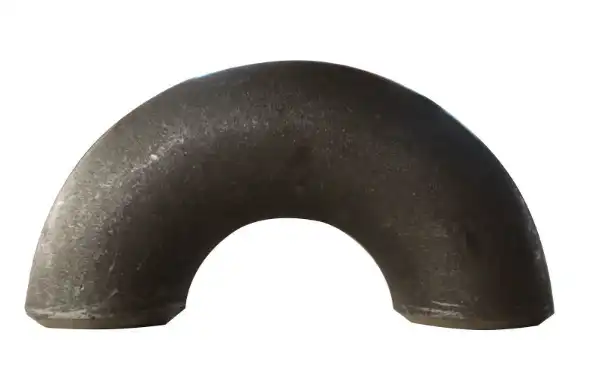
Comparing Carbon Steel Elbows with Alternative Materials
Performance Characteristics Across Material Options
When looking at different materials for pipeline fittings, corrosion-resistant carbon steel elbows offer a good mix of strength, protection against rust, and cost-effectiveness. Stainless steel alternatives are better at resisting corrosion, especially pitting and crevice corrosion caused by chloride in marine environments. However, the cost of their materials is three to five times higher than that of treated carbon steel. This makes them less practical for large pipeline networks where cost is a factor in choosing materials. High amounts of chromium, molybdenum, and vanadium are added to alloy steel parts to make them stronger at high temperatures and less likely to creep. When temperatures are higher than 650°F, these special materials work really well in refinery process units and heat recovery operations. Standard carbon steel with the right coatings works well for mild temperature services up to 400°F. It is a cost-effective choice for gathering systems, transmission pipes, and distribution networks that work in this temperature range. Galvanized carbon steel fittings have a zinc coating that protects them from corrosion in the air. They can be used for installations that are above ground and exposed to the weather. Before the steel base below it breaks down, the zinc layer corrodes as a sacrifice. This safety feature works well when it's dry or sometimes wet, but it's not very good when it comes to being submerged in or touching acidic process fluids that are common in oil and gas operations.
Cost-Benefit Analysis for Project Planners
The choice of material affects both the original cost of capital and the cost of upkeep over the life of the asset. Corrosion-resistant carbon steel elbows with protective coatings need to be inspected and maybe recoated every 20 to 30 years over the life of a building. The total cost of upkeep is still a lot less than the premium paid up front for stainless steel parts, especially in large-diameter uses where the amount of material used has a big impact on the overall cost of the project.Chemical compatibility affects how long a material lasts in certain service environments. Sour gas streams with hydrogen sulfide need materials that don't crack under sulfide stress. This usually means heat treatment methods that change the composition of carbon steel. Metalworking problems aren't as common with sweet hydrocarbon services, so normal sealing systems can protect well enough. Knowing these specifics about the application helps procurement teams choose materials that will do the job without over-engineering solutions that add to the cost of the project.
Applications of Corrosion-Resistant Carbon Steel Elbows in the Oil and Gas Industry
Upstream Production Environments
Formation water with dissolved salts, carbon dioxide, and hydrogen sulfide can cause corrosion in wellhead facilities and gathering systems in a way that other water doesn't. When temperatures change from room temperature to high process temperatures, thermal stress is created that can weaken coatings if the materials aren't flexible enough. Our corrosion-resistant carbon steel elbows have epoxy coatings that are designed to stay on even when the temperature changes and to protect against acids. Offshore platform sites are more likely to rust because they are exposed to the marine environment and may come into contact with seawater during process upsets. When combined, salt spray, high humidity, and changes in temperature make oxidation happen faster on steel surfaces that aren't protected. When you compare multi-layer coating systems—which include zinc-rich primers under epoxy intermediate coats and polyurethane topcoats—to conventional painted steel, which needs to be repainted often, these systems last longer and cost less over their lifetime.
Midstream Transportation Infrastructure
Pipeline systems carry natural gas, crude oil, and processed goods over hundreds or thousands of miles in a wide range of climates and landscapes. Changes in direction are needed to work around obstacles in the ground, go over existing infrastructure, and get around property lines. The stability of the system and the ability to keep running depend on how reliable the elbow fits are at these directional changes. The ways that transmission pipelines rust internally depend on the type of product and how they are used. Wet gas streams carrying water vapor can condense into liquids that contain dissolved acid gases. This can cause localized rusting at low points where liquids build up. Corrosion-resistant carbon steel elbows that are properly specified keep their wall thickness at a level sufficient for design pressure throughout their service life. This keeps them from failing early, which could compromise pipeline safety and environmental protection.
Downstream Processing Facilities
In petrochemical and refinery plants, process streams are sent between heat exchangers, reactors, storage tanks, and separation towers through complex pipe networks. Temperatures in the process range from very low (cryogenic) levels in gas processing units to high levels (above 700°F) in catalytic cracking circuits. When choosing materials, they need to be able to handle the heat and chemicals that are used in that service. Corrosion-resistant carbon steel elbow solutions can help meet these demanding piping requirements while maintaining practical material performance. We can make alloy steels with chromium and molybdenum added to them, which improve their performance at high temperatures while keeping their cost advantages over stainless steel alternatives. According to heat treatment methods, the microstructure is optimized for service conditions. This is done by combining the need for strength with limitations on fabricability and weldability that affect how quickly the part can be installed in the field.
Procurement Insights for Corrosion-Resistant Carbon Steel Elbows
Supplier Evaluation Criteria
When looking for a trusted fitting provider, you need to look at more than just the unit price. The manufacturing ability of a seller tells you if they can meet project delivery deadlines without rushing production and lowering quality. Our annual output of 16,000 tons gives us enough capacity to handle large-scale projects while keeping quality consistent through set production rhythms and the expertise of our experienced workers. Credentials for certification show that quality management systems meet standards that are known all over the world. Getting ISO 9001 certification proves that buying materials, making things, inspecting them, and fixing problems are all governed by written rules. Special equipment manufacturing licenses from the government prove that the person making the parts is technically qualified and follows the rules for making pressure vessels and pipes. Testing and checking tools at suppliers' sites let you check the quali ty of the whole product without having to rely on expensive and time-consuming third-party labs. Ultrasonic testing tools, hydrostatic test stations, spectroscopic testers for checking materials, and dimensional measurement tools that are up to national standards are all kept up to date at our center. This internal possibility speeds up production plans and provides the paperwork needed to meet regulations and gain customer approval.
Global Supply Chain Considerations
International buying adds to the difficulty of logistics, which changes the total cost of delivery and how reliable it is. Knowing how to deal with customs, your options for freight forwarding, and the paperwork you need can help you avoid delays that throw off your project schedule. We have exported goods to customers in Europe, North America, South America, Africa, Southeast Asia, and the Middle East. This has given us knowledge of the rules and regulations that apply in each area, which makes international business easier. When buying something from another country, changes in the value of the dollar between the order date and the delivery date can have a big effect on project costs. Established suppliers who are open about their pricing and willing to talk about ways to lower currency risk, like pricing in the buyer's currency or splitting payments into several payments that lower exposure, show that they care about their customers and want to build long-term partnerships with them instead of just doing business with them.
Customization and Technical Support
Standard catalog specs work for many uses, but sometimes custom solutions are needed because of the specifics of a project. To meet the needs of the project, it might be necessary to use different grades of materials, non-standard sizes, or different testing methods. Suppliers who have the engineering resources to look at custom requests and the manufacturing flexibility to meet unique needs add value above and beyond providing basic goods. Technical advice during the planning process helps choose the best materials, spot possible installation problems, and suggest solutions based on real-world experience with similar projects. Our technical team works with customer engineers to answer questions about how to best install things, what inspections are needed, and what materials are compatible. This helps the project go smoothly.
Why Choose Oudi's Corrosion-Resistant Carbon Steel Elbows for Your Oil and Gas Projects
Manufacturing Excellence and Quality Assurance
At Oudi, we keep investing in production technology and quality control systems while drawing on decades of specialized manufacturing experience. Our factory in Cangzhou uses high-tech forming tools that allow us to precisely control the dimensions and evenly distribute the wall thickness across all elbow shapes. Expertise in metallurgy is used to make sure that the hot-forming processes produce grain structures that have the best mechanical properties and corrosion resistance, making our Corrosion-resistant carbon steel elbow a reliable choice for demanding applications. Quality control is done at every step of the production process, starting with the review of material approval for raw materials that come in. Before a material goes into production, spectroscopic analysis makes sure that its chemical makeup meets the criteria. In-process inspections check the accuracy of the dimensions, the quality of the surface finish, and the forming parameters. Final product testing includes checking the product's dimensions, checking its hydraulic pressure, and looking at it without damaging it. All of this is recorded in material test records that are sent with the product. Our ISO 9001:2000 certification and special equipment manufacturing licenses show that we take a systematic approach to quality management. This helps us keep product variations to a minimum and make sure that all of our production batches are the same. With these credentials, you can be sure that the manufacturing process includes the checks and balances that are needed to make sure that the goods meet foreign standards and customer requirements.
Comprehensive Product Range and Inventory Availability
When it comes to carbon steel, stainless steel, and alloy steel, we make a wide range of fittings, such as elbows, flanges, tees, reducers, caps, and other custom fittings. Customers can consolidate their sourcing with a single supplier, which makes procurement administration easier and cuts down on the need to coordinate with multiple vendors. Standard inventory positions for common specifications help with quick-turn project needs where limited lead time limits purchasing options. For big projects that need a lot of planning time, we make sure that production schedules are in sync with when customers want to install the products. This helps the customer save money by reducing the need for on-site storage, which uses up valuable laydown space and working capital.
Global Service Network and Customer Support
We've learned a lot about how different regulatory settings, documentation needs, and cultural business practices affect foreign trade by working with over 300 customers in more than 40 countries. Better deals, correct paperwork, and dependable delivery that meets project deadlines and budget goals are all results of this experience. In addition to delivering products, we also offer expert support to help with fitting questions, material compatibility issues, and problems with performance in the field. Responding to customer questions quickly and effectively through a variety of channels, such as email at oudi-04@oudiguandao.com, makes sure that they are answered by knowledgeable staff who can give them useful advice.We are aware that building projects require large amounts of money and will last for a long time. By focusing on product quality, on-time delivery, and technical support, we hope to build partnerships that last across multiple projects. We do this by keeping our promises and working together to solve problems.
Conclusion
For oil and gas pipeline systems facing difficult service conditions, corrosion-resistant carbon steel elbows offer tried-and-true, low-cost solutions. Knowing the different ways to treat materials, how they perform compared to other options, and what to think about when buying them helps you write specifications that meet both technical and financial needs. As manufacturing techniques and coating systems get better, carbon steel parts keep finding new uses while keeping their cost benefits that help build infrastructure in energy markets around the world. Partnering with experienced suppliers who can show they can manufacture, commit to quality, and have technical knowledge sets projects up for success and long-term operating stability.
FAQ
What coating systems work best for sour gas applications?
Fusion-bonded epoxy coats are very good at resisting chemicals and sticking to surfaces in hydrogen sulfide settings. Three-layer polyethylene systems add mechanical protection against damage caused by handling during installation. When choosing a material, it's also important to think about how it needs to be heated to stop sulfide stress cracking in the base metal. Suppliers should provide mill test reports that list the heat treatment parameters and the mechanical properties that are achieved, which can be confirmed through hardness testing.
How do I verify supplier certifications are legitimate?
Ask your sellers for copies of their ISO certificates, manufacturing licenses, and third-party audit reports, among other certification papers. Check the credentials of the certifying body by looking at their websites or industry directories. Real certifications have clear statements about their purposes, dates when they expire, and seals of approval from known organizations. For high-value contracts that need extra assurance, you might want to hire independent quality verification services to do facility audits.
What wall thickness should I specify for corrosive service?
As required by the ASME B31.3 code, start with standard wall schedules that are based on design pressure and temperature. Add an allowance for corrosion based on how fast you think it will happen, based on operating experience or studies of corrosion modeling. For 20 years of service, most allowances are between 0.060 and 0.125 inches. Talk to materials experts who know about the unique process conditions to find the best allowance values for your application setting and how often you need to do maintenance inspections.
Partner with a Trusted Corrosion-Resistant Carbon Steel Elbow Manufacturer
Oudi has been making pipeline fittings for demanding oil and gas applications around the world for more than 25 years. Our ability to produce 16,000 tons per year, our thorough quality control systems, and our ISO 9001 certification make us a reliable partner for supply chains. We make all kinds of elbows out of carbon steel, stainless steel, alloy steel, and other metals that meet ASTM, ANSI, DIN, JIS, and BS standards. We also offer expert support to help you choose the best material for your needs. Our export experience in Europe, the Americas, Africa, and the Asia-Pacific region makes sure that foreign transactions go smoothly, with accurate paperwork and on-time delivery that keeps your project on track. To discuss your corrosion-resistant carbon steel elbow needs, please email our technical team at oudi-04@oudiguandao.com. We're a well-known supplier with a track record of producing high-quality goods and providing excellent customer service. We're ready to help you with your infrastructure projects by providing you with high-quality products and quick technical support that leads to positive results.
References
1. American Society of Mechanical Engineers. (2020). ASME B31.3: Process Piping - Materials, Design, and Fabrication Standards. ASME Press.
2. American Petroleum Institute. (2019). API Specification 5L: Specification for Line Pipe and Associated Fittings. API Publishing Services.
3. NACE International. (2018). Corrosion Control in Petroleum Production and Refining Operations. NACE International Publications.
4. Davis, J.R. (2006). Corrosion of Carbon Steels in Oil and Gas Production Environments. ASM International Handbook Series.
5. Palmer, A.C. & King, R.A. (2008). Subsea Pipeline Engineering: Material Selection and Corrosion Management. PennWell Corporation.
6. European Committee for Standardization. (2017). EN 10253: Butt Welding Pipe Fittings - Part 2: Non-Alloy and Ferritic Alloy Steels with Specific Inspection Requirements. CEN Publications.

Need help finding the right solution with our experts. Please contact us.

SINCE 1998 Your Reliable Pipeline Manufacturer



