What Is a High-Temperature Carbon Steel Elbow? Buyer’s Guide
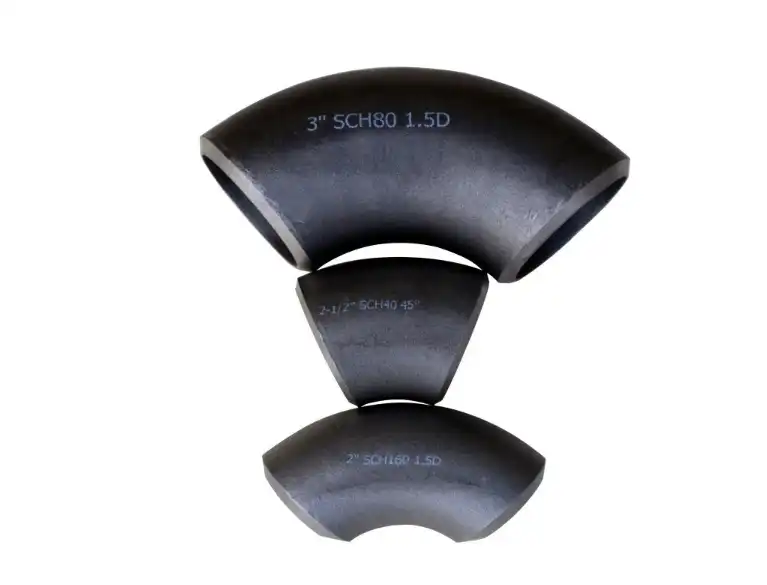
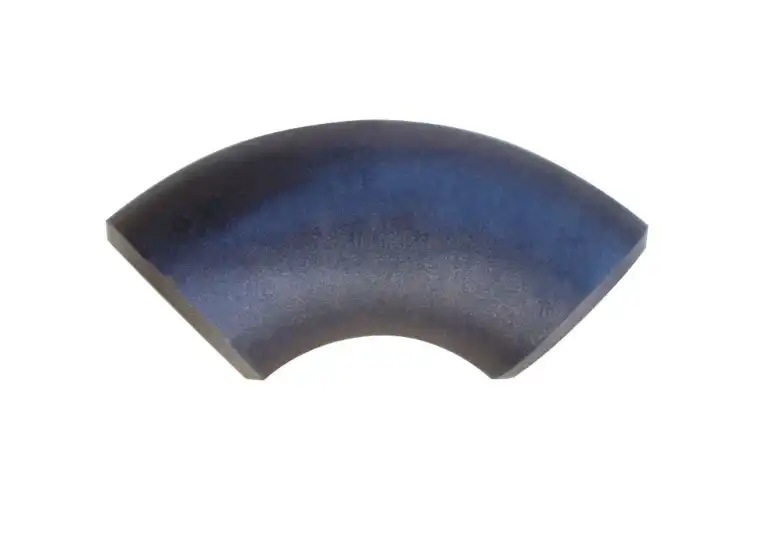
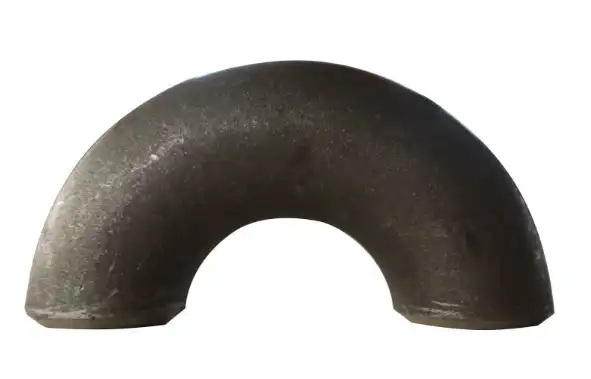
A high-temperature carbon steel elbow is a specialized pipe fitting designed to change flow direction in piping systems operating under elevated thermal conditions, typically ranging from 400°F to 1200°F (204°C to 649°C). These engineered components maintain structural integrity and mechanical strength when transporting hot fluids, steam, or gases in demanding industrial environments. Manufactured through hot forming processes such as hot pushing or heat bending, these elbows serve as critical connectors in sectors including petrochemical processing, power generation, boiler systems, and oil refineries where temperature resilience is non-negotiable.
Technical Comparison: Carbon Steel vs. Stainless Steel Elbows for High Heat
Heat Resistance and Oxidation Behavior
When heated to high temperatures, High-temperature carbon steel elbows and stainless steel behave in different ways. Up to about 900°F, carbon steel keeps its structural strength without rusting and scaling getting too bad. If you don't use protective coatings or alloy modifications, the surface starts to break down faster after this point. Stainless steel types that contain chromium and nickel are better at resisting rust and can keep their surface structure at temperatures over 1400°F. The oxidation layer that forms on carbon steel surfaces may offer some protection when the atmosphere is stable, but it may flake off during thermal cycling, leaving new metal vulnerable to further breakdown. Stainless steel forms a chromium oxide layer that can repair itself when it gets broken. This makes the surface stable over time. That being said, this benefit comes at a very high price that might not be worth it in situations where carbon steel's temperature resistance is enough.
Mechanical Properties Under Thermal Stress
The tensile strengths of carbon steel and stainless steel are about the same at room temperature. Depending on the grade, they range from 60,000 to 85,000 psi. The strength of both materials decreases with rising temperatures, but the degradation curves are very different. At 700°F, carbon steel retains about 70% of its strength at room temperature. Austenitic stainless steel keeps about 75% at the same temperature but still works effectively at higher temperatures. When used at high temperatures, creep resistance becomes the main way that things break. When loaded continuously, carbon steel shows significant creep above 800°F. This means that conservative design factors and regular testing procedures are needed. Adding chromium, molybdenum, and vanadium to an alloy makes it much more resistant to creep, making it as good as stainless steel at a much lower cost.
Cost-Value Analysis for B2B Procurement
Because of the cost of raw materials, carbon steel elbows are 30% to 50% less expensive than similar stainless steel parts. This means that big projects can start saving money right away. When manufacturing costs are taken into account, the difference gets a little smaller because carbon steel is more likely to rust and needs to be serviced more often, but overall, the savings are still big over the course of a normal project's lifetime. The value equation changes depending on how it is used. Carbon steel choices are the most cost-effective for systems that run constantly below 850°F and are exposed to little acidic media. Installing stainless steel is a good idea for places that get acidic condensates, chloride, or temperatures over 1000°F because it lasts longer and needs less maintenance. Our technical team gives application-specific advice that weighs the cost of the initial investment against the cost over the product's entire life.
Selection Criteria for High-Temperature Carbon Steel Elbows
Steel Grade Selection and Material Specifications
Picking the right carbon steel grade is a big part of how well and how long a High-temperature carbon steel elbow works. As a general rule, ASTM A234 WPB is the standard for moderate-temperature work up to 800°F, which includes steam, water, and gas that do not corrode. When temperatures get close to 900°F to 1000°F, it's necessary to switch to low-alloy grades. ASTM A234 WP11 has 1.25% chromium and 0.5% molybdenum in it, which makes it stronger against creep and oxidation up to 1100°F. The WP22 grade raises the alloy's content to 2.25% chromium and 1% molybdenum, which allows it to work reliably at temperatures up to 1200°F in petrochemical and power generation settings. The WP5 and WP9 versions offer middle-level performance levels, which let purchasing teams balance material costs with specific temperature needs. Material certificates should check the material's chemical make-up, its mechanical qualities, and the rules for heat treatment. It is important to have mill test reports that show the tensile strength, yield strength, elongation percentage, and impact toughness of a material at its working temperatures. From receiving the raw materials to the final inspection, our manufacturing processes can be fully tracked. This makes sure that they meet international quality standards.
Pressure Rating and Wall Thickness Considerations
When you put pressure classification and temperature rating together, you get safe operating envelopes. Standard weight (STD), extra strong (XS), and schedule-based wall thicknesses can all handle pressure loads that get higher over time. In high-temperature situations, the thickness needs to be increased above what is calculated at room temperature to make up for the loss of strength at high temperatures. The ASME B16.9 standard sets the minimum wall thicknesses for factory-made metal butt-welding joints across a range of sizes and pressures. Our annual production capacity of 16,000 tons includes full stockpiles of schedule 40, 80, 160, and XXS configurations in sizes ranging from 1/2 inch to 48 inches, which lets us quickly meet both standard and custom requirements.
Dimensional Standards and Customization Options
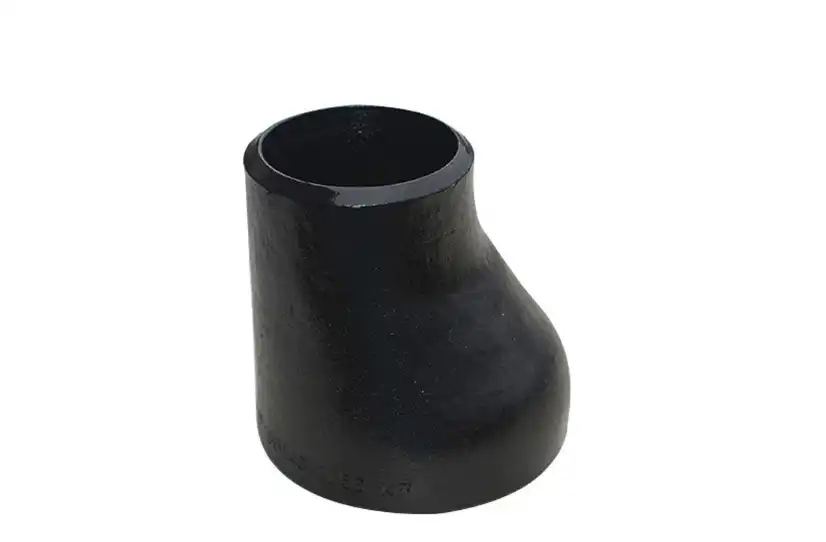
Internationally known guidelines for dimensions make sure that products can be used in all global supply chains. North American markets are mostly based on ANSI B16.9, while European projects are governed by DIN 2605 and EN 10253. Japan's industrial sectors use JIS B2313 standards, while China's home installations use GB/T standards. In addition to regular catalog items, complicated pipe systems often need special size changes. Changing the flow direction and accommodating changes in diameter is what reducing elbows do. They combine two fittings into one part, which cuts down on the number of welds and possible leak paths. High-temperature carbon steel elbow options can also provide reliable performance in demanding piping applications where elevated temperatures and durable materials are required. Custom angle bends, non-standard radii, and unique combinations of wall thicknesses can be used to solve specific design problems. With state-of-the-art production tools and an experienced engineering staff, Oudi creates custom solutions that meet the exact needs of each project without sacrificing quality or delivery times.
Heat Treatment and Quality Assurance Requirements
How well a high-temperature elbow is treated with heat has a big effect on how well it works. In normalizing processes, parts are heated above their critical transformation temperature and then left to cool in room-temperature air. This smooths out the grain structure and lowers the stress from the shaping process. This process improves the material's flexibility and toughness, making it less likely to break easily when heated and cooled. Stress relief at subcritical temperatures gets rid of any remaining stresses from welding and shaping without changing the qualities of the base metal. In higher-alloy grades, quenching is followed by tempering, which changes the balance between hardness and toughness for specific service conditions. Our heat treatment facilities keep exact temperature control and atmosphere management, and for important uses, they keep full records of time-temperature profiles. Quality control happens at every step of the creation process. The chemical make-up and mechanical properties of raw materials are checked against mill certifications when they come in for inspection. Dimensional checks are done at several stages of production to make sure the shapes are correct. Ultrasonic examination, radiographic inspection, and magnetic particle testing are all types of non-destructive testing that can find cracks inside and on the outside of a material. Before a structure is shipped, it is tested for structural integrity using hydrostatic pressure. This complete quality management system, which is approved to ISO 9001:2000 standards and backed by special equipment manufacturing licenses, gives clients written proof that the products will work as promised.
Procurement Guide: Where and How to Buy High-Temperature Carbon Steel Elbows
Identifying Qualified Manufacturers and Suppliers
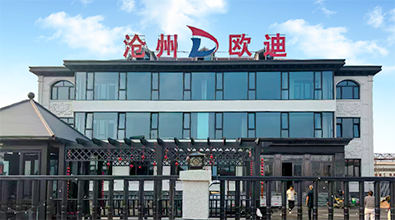
Finding High-temperature carbon steel elbows requires a thorough review of each supplier to make sure the quality of the products and the dependability of the supply chain. There are a few key things that set qualified makers apart from commodity sellers. A manufacturing capability assessment should check how advanced the production equipment is. This includes CNC machining centers, automated welding systems, and precision forming machines that can keep the dimensions and surface finish quality stable. Engineering support skills show that you have technical knowledge. Reliable sellers offer application advice to help buyers with choosing the right materials, coordinating pressure-temperature ratings, and meeting specifications. Well-known companies don't just hire outside companies to do inspections; they have their own quality control teams with trained testers and well-calibrated testing tools. These qualities are shown by Oudi's 66,600-square-meter integrated manufacturing facility in Cangzhou, which is located just 120 kilometers from Tianjin Port for easy international shipping. Every year, our high-tech production tools handle 16,000 tons of pipe fittings made of carbon steel, stainless steel, and alloy steel. We have worked hard to become technically proficient in American, Japanese, German, and British standards since 1998. We now have over 300 customers in 40 countries in Europe, the Americas, Africa, Southeast Asia, and the Middle East.
Certification and Compliance Verification
Quality certificates give production processes and management systems an objective seal of approval. ISO 9001:2000 certification shows a dedication to consistent quality through written processes, protocols for ongoing growth, and a focus on the customer. Buyers should check the current status of certifications and read purpose statements to make sure they cover all important product categories. Regulatory authorities issue special equipment manufacturing licenses to prove technical competence and safety compliance for parts that contain pressure. Before they are given out and every so often afterward, these credentials have to go through strict building inspections, staff qualification checks, and quality system exams. Along with our ISO certification, our company keeps these important licenses, giving you two layers of proof that we know how to make things well. Material certifications and test reports that come with every shipment make it possible to track the materials and make sure they work as expected. Mill test certificates show that raw materials have been chemically analyzed and tested for their mechanical properties. Manufacturer test records show that finished parts are the right size, that they passed the pressure test, and that they passed the non-destructive examination. When making the procurement specification, buyers should be clear about the certification standards they want and check that the documents are complete when they are delivered.
Pricing Structures and Order Considerations
Pricing for high-temperature carbon steel elbows is based on a number of factors, such as the cost of raw materials, the difficulty of manufacturing them, quality control procedures, and shipping. Because of economies of scale, standard catalog items in common shapes and specs cost less per piece. Custom configurations, rare alloy grades, and specific testing needs raise unit costs but allow for exact specification matching. Volume issues have a big effect on the economics of a project. Tiered discounts usually applies to bulk sales, which lowers the cost per unit by 15% to 30% compared to small purchases. The lowest amount you can order depends on the manufacturer and the type of product. For standard items, the minimum order quantity is 100 pieces, but for large-diameter ochooselloys, it is less. Plancoordinateor lead times are important for keeping track of projects' schedules. Standard items in stock are shipped within days, but special items take four to eight weeks to make, based on how complicated the specifications are and where the production queue is at the time. Our large stock of common sizes and grades lets us respond quickly to urgent needs, and our production capacity lets us handle large custom orders with reliable delivery dates.
Evaluating Supplier Reliability and Support
To keep a source for a long time, you need to be steady in how well you do in quality, delivery, and customer service. When evaluating a supplier's track record, you should look at their history, customer references, and project portfolios that show they have worked on similar projects before. Manufacturers that have been in business for decades offer more security than companies that are new to the market. Communication skills make it easier to do business and solve technical issues. Customer service teams that are responsive, answer questions quickly, provide detailed technical documentation, and give help after the sale add value that goes beyond the sale of a product. International buyers benefit greatly from sellers who have experience exporting because they can easily handle the necessary paperwork, shipping processes, and regulatory compliance. After-sales support includes warranty terms, technical help, and ways to solve problems. Full warranties that cover both material defects and manufacturing flaws lower the risk, and technical staff that is easy to reach can help with installation questions and operational issues. We care about our customers' success more than just delivering products. We also offer ongoing expert advice and quick support, and we build relationships that help customers complete their projects and run their businesses more efficiently.
Installation and Maintenance Best Practices for High-Temperature Carbon Steel Elbows
Welding Techniques and Joint Preparation
Preparing the joints correctly is the first step to a successful installation of High-temperature carbon steel elbows. Making the pipe ends beveled according to the manufacturer's instructions—usually 37.5 degrees with 1/16-inch land faces—ensures that the weld goes through and fuses properly. Cleaning the surface gets rid of mill scale, rust, oil, and other things that can hurt the quality of the weld. The right surface conditions can be reached by mechanical grinding or chemical cleaning. Welding process standards (WPS) should include information about how to preheat the material, limit the temperature between passes, and follow the steps for heat treatment after the weld. Before welding, carbon steel grades with more than 0.25% carbon content usually need to be heated to 200°F to 400°F. This stops hydrogen cracking and lowers residual stresses. Welders who are qualified and licensed according to relevant rules (ASME Section IX, AWS D1.1) carry out tasks using filler metals that are the right composition for the base material. Multi-pass welding methods build joints step by step, inspecting and cleaning each pass before adding the next one. Root passes create fusion and penetration, fill passes increase the thickness of the joint, and cap passes finish the surface and set the final shape. Controlled cooling rates after welding reduce thermal gradients and the stresses that come with them. After welding, heating the metal at temperatures between 1100°F and 1250°F for one hour for every inch of thickness reduces residual stresses in serious situations, making the service more reliable.
Inspection Protocols and Performance Monitoring
Visual inspection is the first line of defense against problems with the placement. Inspectors who have been trained look at the surfaces of welds for cracks, partial fusion, too many holes, and profile abnormalities. Before welding starts, dimensional verification makes sure that the parts fit together correctly and are spaced correctly. After welding is done, it proves that the end geometry is correct. Non-destructive examination can find problems below the surface. Using X-ray or gamma-ray sources for radiographic testing shows internal irregularities like porosity, slag spots, and missing penetration. Ultrasonic testing uses sound waves to find flaws and measure the thickness of walls. It is especially useful for inspecting things while they are in use, where radiography isn't possible because of access issues. Magnetic particle and liquid penetrant tests find cracks and discontinuities that break through the surface. Operational monitoring during the first few hours of business and at regular times finds problems before they become catastrophic. Temperature readings show that the actual operating conditions are the same as what was planned. Vibration analysis finds resonance or mechanical disturbances caused by flow. Visual inspections are done on a regular basis and focus on high-stress areas like weld heat-affected zones and flow impingement areas. Using ultrasonic gauges to measure wall thickness keeps track of the rates of erosion and rust, which helps with figuring out how long something will last and deciding when to replace it.
Thermal Stress Management and Corrosion Prevention
Thermal expansion accommodation stops too many loads that lead to failures before they should happen. When you design a piping system, you include expansion loops, flexible connections, or expansion joints that can handle changes in size that happen when the temperature changes. Anchor points and guide supports keep things in place while letting you move around safely. The estimates for stress analysis make sure that the thermal loads stay within the acceptable ranges for all operating temperatures. Corrosion protection strategies depend on how the metal is exposed to the environment. Components are protected from wetness and corrosive gases in the air by high-temperature paints and shielding systems that are applied on the outside. Cathodic protection might work for systems that are buried or underwater. Controlling internal rust takes care of the acidity of condensate in steam systems by managing the water chemistry and reducing oxidation by keeping the protected atmosphere in good shape. Insulation does two things: it keeps the process temperatures stable and protects workers from burn hazards. It also lowers the risk of corrosion from the outside by stopping condensation. For proper insulation specification, thermal conductivity, temperature limits, and compatibility with carbon steel substrates must all be taken into account. Weather jackets and moisture barriers add extra safety to outdoor projects that are open to rain and humidity.
Conclusion
Thermal rates, material grades, dimensional standards, and source qualifications must all be carefully considered when choosing high-temperature carbon steel elbows. When properly specified and installed, carbon steel works well in temperatures up to 1200°F at a low cost. You can choose between standard carbon steel and low-alloy versions that balance temperature needs with budget limits. Comparing these to stainless steel versions makes it easier to choose the best material for each operation. Partnering with skilled producers who can show technical know-how, quality certifications, and a track record of success is key to successful procurement. The best installation methods, like using the right welding techniques, and regular maintenance, like following inspection protocols and managing heat stress, make components last longer and keep the system running smoothly. Procurement professionals can easily select and find high-temperature carbon steel elbows that offer lasting value in tough industrial uses by following the advice in this buyer's guide.
FAQ
What is the maximum operating temperature for carbon steel elbows?
Standard carbon steel elbows made from ASTM A234 WPB material can work effectively at temperatures up to 800°F (427°C). Low-alloy grades like WP11 and WP22 can be used at temperatures up to 1100°F and 1200°F, respectively. The actual temperature limits depend on the load pressure, the length of work, and the weather. Check the material's specifications and do a stress analysis to make sure it will work in your specific application.
How do I choose between seamless and welded carbon steel elbows?
When it comes to high-pressure or important uses, seamless elbows are stronger and more reliable because they don't have any weld seams that could become weak spots. When heated and cooled, they have better flow characteristics and last longer. Welded elbows are cheaper for systems with lower pressure, but the difference in performance isn't enough to support the higher price. Check the pressure class, temperature range, and criticality of your system to find the best option.
What certifications should I require from suppliers?
Need to be certified as having an ISO 9001 quality management system to show that the process is consistent and that you are committed to ongoing growth. Check that the people who make special equipment have licenses from the government that prove they know how to make pressure vessels. Ask for mill test reports that show the chemical make-up and mechanical properties of the material, as well as manufacturer test records that show the accuracy of the dimensions and the results of a non-destructive study. Together, these approvals make sure that the product is honest and that the supplier is responsible.
Partner With Oudi for Premium High-Temperature Carbon Steel Elbows
Industrial operations demanding reliable performance under thermal stress require pipe fittings engineered for excellence. Oudi combines 26 years of manufacturing expertise with ISO 9001:2000 certification and special equipment licenses to deliver high-temperature carbon steel elbow solutions meeting the most rigorous specifications. Our comprehensive inventory spans ASTM, JIS, DIN, and BS standards across carbon steel, stainless steel, and alloy steel materials, supported by 16,000-ton annual production capacity and advanced inspection equipment ensuring dimensional precision and structural integrity. As a trusted high-temperature carbon steel elbow manufacturer serving over 300 customers worldwide, we understand the critical importance of quality, delivery reliability, and technical support in complex industrial projects. Our engineering team provides application consultation, guiding material selection and specification development, while our logistics expertise ensures efficient export processing to North American markets. Whether your project requires standard catalog items or custom configurations, Oudi delivers cost-effective solutions backed by comprehensive testing documentation and responsive customer service. Contact our team at oudi-04@oudiguandao.com to discuss your high-temperature piping requirements. We provide detailed technical specifications, competitive quotations for bulk orders, and personalized support, ensuring your procurement success. Trust Oudi to supply the carbon steel pipe fittings that keep your operations running safely and efficiently.
References
1. American Society of Mechanical Engineers. (2020). ASME B16.9: Factory-Made Wrought Butt-Welding Fittings. New York: ASME Press.
2. Davis, J.R. (2006). Carbon and Alloy Steels. Materials Park, OH: ASM International Handbook Committee.
3. Becht IV, C. (2017). Process Piping: The Complete Guide to ASME B31.3 (4th ed.). New York: ASME Press.
4. Gupta, S.K. & Gupta, N.K. (2015). Piping Materials Guide. Oxford: Butterworth-Heinemann.
5. Ellenberger, J.P. (2018). Piping and Pipeline Calculations Manual: Construction, Design, Fabrication and Examination (2nd ed.). Boston: Butterworth-Heinemann.
6. American Petroleum Institute. (2019). API Standard 570: Piping Inspection Code: In-service Inspection, Rating, Repair, and Alteration of Piping Systems (4th ed.). Washington, DC: API Publishing Services.

Need help finding the right solution with our experts. Please contact us.
SINCE 1998 Your Reliable Pipeline Manufacturer