Corrosion-resistant carbon steel elbow with ISO Certification Guide
Choosing the correct corrosion-resistant carbon steel elbow for pipe components in challenging industrial applications may be the difference between system dependability and expensive breakdowns. These unique fittings are crucial directional change parts in pipe systems built to tolerate corrosive chemicals while supporting structural integrity and strength under harsh circumstances. For over 20 years, Oudi has manufactured ISO certified carbon steel elbows and supplied the demanding oil, chemical, natural gas, and water conservancy sectors in 40 countries.
Understanding Corrosion-Resistant Carbon Steel Elbows
Carbon steel elbows are directional connections in pipe systems. They are corrosion-resistant, meaning they are intended to withstand deterioration from chemical exposure, moisture, and environmental influences. These are non-standard fittings with special treatments and coatings to prevent three types of corrosion: Pitting - small holes caused by chloride ions; Galvanic corrosion - electrochemical reactions between dissimilar metals; and Crevice corrosion - in tight spaces with stagnant fluid.
How Corrosion Protection Works
So, the defensive mechanisms in grade carbon steel elbows are numerous levels of defence. Epoxy coatings provide an impenetrable barrier to moisture and contaminants. Zinc galvanisation offers sacrificial protection, corroding before the base metal. Polymer linings provide chemical resistance for unique uses in acid or alkaline environments. We apply these coatings in regulated procedures in our Cangzhou production plant, which ensures uniform thickness and full coverage, as confirmed by our ISO 9001:2000 quality management system.
Manufacturing Process Excellence
Carbon steel elbow is usually produced by hot forming, which is divided into two main methods: hot pushing and heat bending. Hot pushing is performed at high temperatures using sophisticated machinery to make the pipe, resulting in clean curves with constant wall thicknesses. Heat bending is the process of applying heat to a localised area to get the desired angle. Both these processes provide a better grain structure than cold forming, which results in improved corrosion resistance and mechanical strength. With an annual manufacturing capacity of 16,000 tonnes, we can guarantee constant quality and reliable lead times on large-volume orders.
Environmental Factors and Material Selection
Pipeline conditions differ greatly from industry to industry. Fittings in chemical processing facilities are subjected to strong acids and bases. Offshore oil platforms expose components to seawater spray and temperature swings. Procurement specialists know that such circumstances define the right protective coatings and basic material grades. Our technical staff has decades of field expertise in petroleum, power generation, and marine applications to help our customers match elbow specifications to their exact operating requirements.
Types and Specifications of Corrosion-Resistant Carbon Steel Elbows
Carbon steel elbows are available in a wide range of designs, each tailored to meet specific installation needs and flow characteristics for Corrosion-resistant carbon steel elbows. The shape and manner of manufacture have a profound effect on both initial cost and long-term performance.
Common Elbow Types
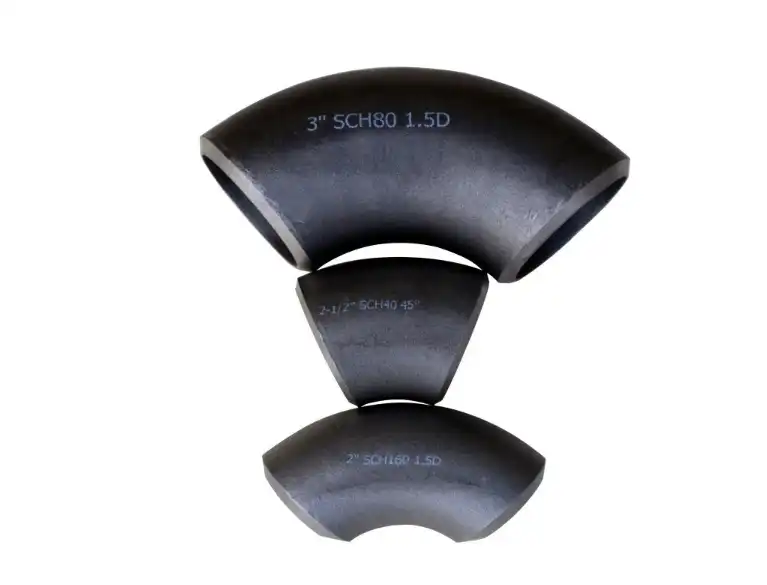
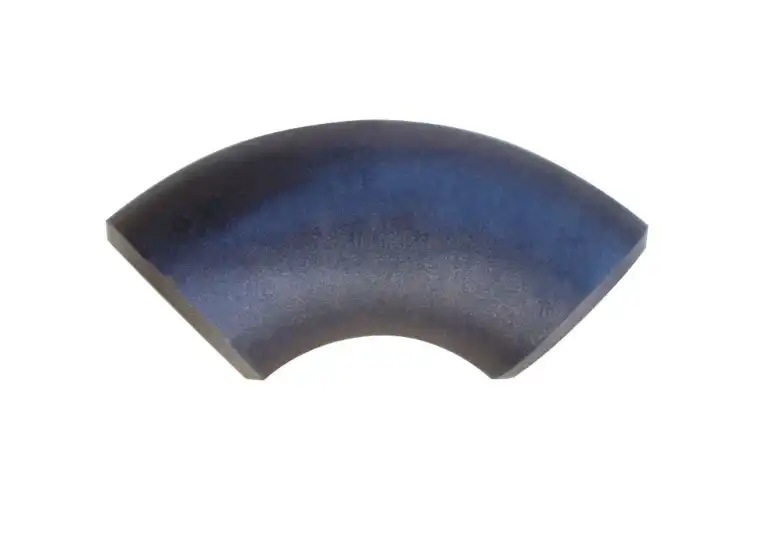
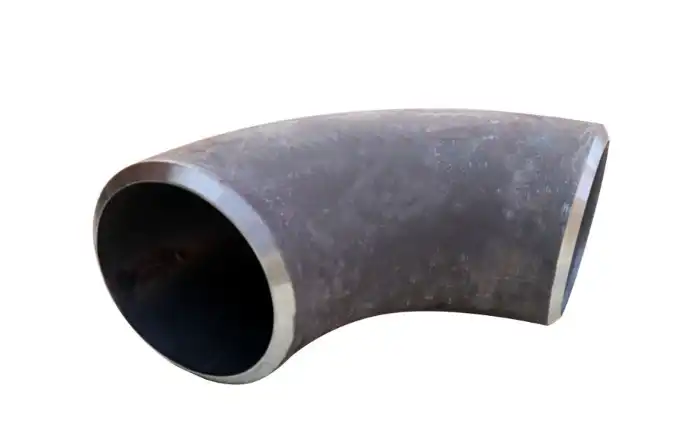
90 Degree Long Radius Elbows: The centerline radius of these fittings is 1.5 times the normal pipe diameter. They are used to make gentle directional changes, reducing pressure drop and turbulence. They are the most common kind specified in industrial pipe systems. Our long radius elbows are hot formed, meaning that the wall thickness is consistent throughout the bend, with no weak spots in which corrosion might develop.
45 Degree Short Radius Elbows: Short radius elbows have a centerline radius equal to the pipe diameter, making them ideal for compact situations with limited installation room. The 45-degree one provides a mild shift in direction and is used for drainage systems, fire protection networks, and auxiliary pipes. We make them using high-grade raw materials that fulfil the ASTM A105 criteria for carbon steel forgings, making them dependable performers in construction, shipbuilding, and chemical processing industries.
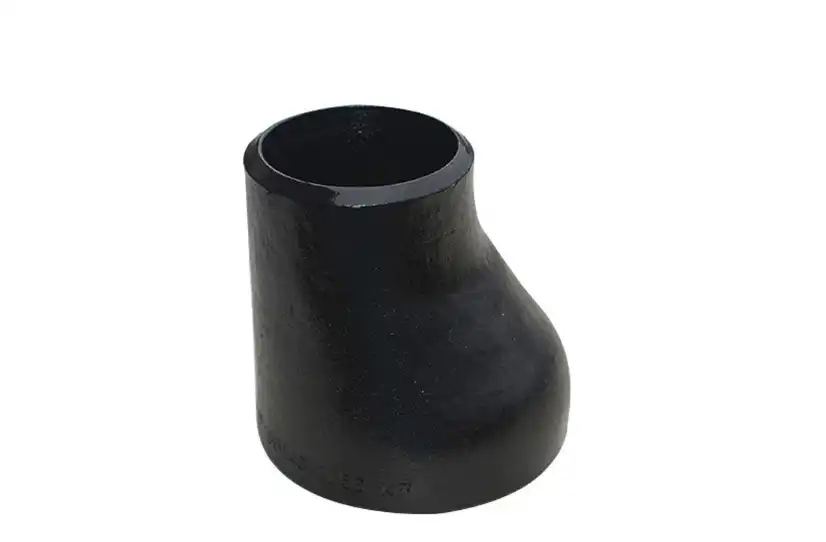
Reducing Elbows: Reducing elbows minimise the requirement for separate reducer fittings when pipe diameters vary during directional transitions. These speciality components eliminate possible leak spots and save installation time, especially in high-pressure applications such as steam distribution and petrochemical processing.
Standard Compliance and Specifications
Industrial plumbing components must be manufactured to recognised standards that specify dimensions, tolerances, pressure ratings and material qualities. Our production procedures are developed to meet several international standards such as ANSI, JIS, DIN, BS, etc. This multi-standard competence enables us to service the different worldwide markets without the need for customers to compromise on local regulatory compliance.
The ISO accreditation offers an independent validation of our quality management systems, showing constant compliance with established processes from the reception of raw materials through to final inspection. In North America, ASME standards apply to pressure vessel and pipe components, whereas ASTM requirements apply to chemical composition and mechanical qualities. Every elbow that leaves our factory has material test reports and certification documents that can be traced back to the original steel mill.”
Material Comparison Considerations
Carbon steel elbows are more cost-performance efficient for many applications, while stainless steel is better in corrosion resistance. The big price differential, often 3-4 times higher for stainless varieties, makes carbon steel with suitable coatings economically appealing for large projects. Carbon steel has stronger mechanical strength to tolerate higher pressures and temperatures than PVC alternatives. Our expert team supports our customers in the assessment of these trade-offs in terms of fluid properties, operational circumstances, and budget restrictions.
Advantages and Application Areas
Carbon steel elbows with corrosion-resistant treatments are popular in heavy industries due to their many advantages. Beyond initial purchase price, these benefits include total cost of ownership over decades of service.
Key Performance Benefits
Treated carbon steel elbows are cheaper and more durable for large-scale installations with Corrosion-resistant carbon steel elbows. These components last 20–30 years in mild settings when specified and maintained, costing less than stainless steel. Carbon steel is required for high-pressure steam, hydraulic, and gas distribution networks because it can withstand pressure surges and water hammer effects that would destroy plastic pipes.
Though coating type varies, properly coated carbon steel can withstand crude oil, natural gas, process water, and mild chemicals. Grade and thermal treatment determine cryogenic to superheated steam temperature tolerance. This adaptability is why carbon steel fittings dominate petroleum refining, where a facility may have thousands of elbows for cooling water and high-temperature cracking.
Industrial Applications
The pipe networks of chemical processing plants use corrosion-resistant elbows from raw material handling to completed product transport. Structural integrity and resistance to acids, solvents, and reactive substances avoid catastrophic breakdowns that might harm people and stop production. Major fertiliser, polymer, and speciality chemical producers in North America, Europe, and Southeast Asia use our elbows.
Our major market is oil and gas infrastructure, including upstream production, midstream pipelines, and downstream processing. Offshore platforms benefit from coated carbon steel's seawater corrosion resistance and subsea mechanical stress resistance. We've provided parts for the Gulf of Mexico, North Sea, and rising African and South American projects.
Local governments and water treatment plants utilise carbon steel elbows for potable water distribution and wastewater collection. They're perfect for subterranean installations where replacement requires extensive excavation because to their strength, durability, and affordability. Coal-fired, natural gas combined cycle, and nuclear power stations use thousands of elbows in cooling, steam distribution, and auxiliary services.
Procurement Guide for Corrosion-Resistant Carbon Steel Elbows
Navigating supplier selection requires evaluating multiple factors beyond unit price. The consequences of poor procurement decisions compound over time through maintenance costs, unplanned downtime, and premature replacement.
Certification Verification
ISO 9001 certification indicates a supplier maintains documented quality systems covering design, production, inspection, and testing processes. However, certification alone doesn't guarantee product quality—procurement professionals should verify that certificates remain current and cover the specific manufacturing location. We hold both ISO 9001:2000 quality management certification and the People's Republic of China special equipment manufacturing license, with documentation available for client review during supplier audits.
Material test reports (MTRs) provide crucial traceability, documenting the chemical composition and mechanical properties of steel used in each production lot. These reports connect finished elbows back to original mill certifications, enabling verification that materials meet specification requirements. Our MTRs include heat numbers, test results for tensile strength and hardness, and coating thickness measurements where applicable. This documentation proves essential for projects requiring material traceability for insurance, regulatory compliance, or quality assurance purposes.
Supplier Evaluation Criteria
Production capacity affects delivery reliability, particularly for large projects requiring thousands of fittings. Our 16,000-ton annual capacity allows us to fulfill substantial orders without compromising quality or extending lead times. Manufacturing facilities with advanced equipment produce more consistent products—our operation includes CNC machining centers, automated coating application systems, and comprehensive testing equipment ranging from spectrometers for material verification to hydrostatic test stands for pressure validation.
Export experience matters significantly when sourcing internationally for Corrosion-resistant carbon steel elbows. Suppliers familiar with shipping logistics, customs documentation, and international payment terms reduce procurement friction. Having served over 300 customers across 40 countries, we've developed expertise in export packaging, containerization, and documentation that ensures on-time delivery to jobsites worldwide. Our products reach Europe, North and South America, Africa, Southeast Asia, and the Middle East through established logistics partnerships.
Pricing and Commercial Considerations
Bulk purchasing typically unlocks volume discounts, but minimum order quantities vary between suppliers. We work with clients to structure orders that balance inventory carrying costs against unit price savings, often consolidating requirements across multiple project phases to achieve better pricing. Lead times depend on product specifications, order size, and current production schedules—standard configurations ship within 2-3 weeks, while custom specifications may require 6-8 weeks for production.
Payment terms influence cash flow and project financing. We accommodate various arrangements including letters of credit, wire transfers, and, for established customers, payment terms aligned with project milestones. Warranty coverage protects against manufacturing defects, though terms vary—our products carry standard warranties covering material and workmanship defects discovered within the first year of service.
Maintenance and Longevity of Corrosion-Resistant Carbon Steel Elbows
Maintenance prolongs service life and minimises operational disruptions. To maintain their protective barriers and discover issues before they become critical, corrosion-resistant components need routine maintenance.
Inspection and Monitoring Protocols
Visual examination during planned shutdowns shows coating deterioration, corrosion, and exterior impact mechanical damage. To estimate service life, maintenance personnel should photograph elbow problems over time. Ultrasonic thickness testing found interior corrosion in elbows handling harsh fluids, enabling replacement before wall weakening causes leaks or ruptures.
Monitoring operating parameters identifies corrosion-accelerating circumstances. Unexpected pressure or temperature changes may indicate internal corrosion product flow limits or process disruptions that stress protective coatings. Our technical staff suggests setting baseline measurements during commissioning and recording variations that indicate concerns.
Protective Maintenance Practices
Recoat damaged sections to stop localised corrosion. Coating adhesion requires cleaning, abrasive blasting, and solvent wiping before application. For compatibility, use coating materials that meet original specifications. Depending on soil conditions and cathodic protection systems, buried or submerged elbows may need external coatings every 10-15 years.
Service circumstances determine cleaning. Process fluids that scale or foul need solvent flushing or mechanical cleaning during turnarounds. Controlled starting reduces stress-related coating degradation from heat shock and pressure surges. Expansion loops allow thermal movement without overstressing fittings, and adequate support spacing minimises load concentration.
Conclusion
ISO-certified corrosion-resistant carbon steel elbows safeguard your infrastructure investment and ensure regulatory compliance and operational dependability. Long-term performance in petroleum refining and municipal water systems depends on adequate materials, validated production quality, and educated procurement. Understanding elbow kinds, standard specifications, and maintenance needs helps engineering and procurement teams balance initial costs and lifespan performance. Working with experienced manufacturers with extensive quality processes and documentation allows projects to satisfy technical objectives while regulating costs and deadlines.
FAQ
1. What is the typical service life of corrosion-resistant carbon steel elbows?
Service life varies considerably based on operating environment, protective coatings, and maintenance practices. In moderate conditions with proper coating systems, expect 20-30 years of reliable service. Aggressive chemical environments or high-temperature applications may reduce this to 10-15 years, while mild services like potable water can extend longevity beyond 40 years. Regular inspection and coating maintenance significantly impact actual lifespan.
2. Which certifications should I verify when purchasing carbon steel elbows?
ISO 9001 quality management certification demonstrates systematic production controls. Material test reports verify chemical composition and mechanical properties match specifications. For pressure applications, ASME certifications confirm design and manufacturing meet code requirements. Special equipment manufacturing licenses (required in some jurisdictions) indicate regulatory approval for pressure vessel component production. We provide complete documentation including all applicable certifications with every shipment.
3. Can carbon steel elbows withstand highly acidic environments?
Carbon steel with appropriate coatings and linings handles many acidic applications successfully. Polymer or ceramic linings provide chemical barriers for concentrated acids, while specialized epoxy coatings protect against dilute acid exposure. The specific acid type, concentration, temperature, and exposure duration all influence material selection. Our technical team evaluates your process conditions to recommend suitable configurations, sometimes suggesting upgraded materials for extreme services.
Partner with Oudi for Reliable Corrosion-Resistant Carbon Steel Elbow Supply
Oudi brings 25 years of manufacturing expertise to your industrial piping projects, combining ISO-certified quality systems with responsive customer service tailored to procurement professionals and engineering teams. As a leading corrosion-resistant carbon steel elbow manufacturer, we maintain strict quality control from raw material inspection through final testing, ensuring every fitting meets ANSI, JIS, DIN, and BS standards. Our 66,600-square-meter facility near Tianjin Port provides logistics advantages for international shipments, while our 16,000-ton annual capacity handles projects of any scale. Reach our technical sales team at oudi-04@oudiguandao.com for material recommendations, certification documentation, and pricing on bulk orders. We offer competitive supplier rates with expedited shipping options that align with your construction schedules, backed by comprehensive warranty protection and after-sales support that has earned trust from clients across 40 countries.
References
1. American Society of Mechanical Engineers. (2019). ASME B16.9: Factory-Made Wrought Buttwelding Fittings. New York: ASME Press.
2. Davis, J.R. (2006). Corrosion of Carbon Steel in Industrial Environments. Materials Park, OH: ASM International.
3. International Organization for Standardization. (2015). ISO 9001:2015 Quality Management Systems – Requirements. Geneva: ISO.
4. Revie, R.W. & Uhlig, H.H. (2008). Corrosion and Corrosion Control: An Introduction to Corrosion Science and Engineering (Fourth Edition). Hoboken, NJ: John Wiley & Sons.
5. Steel Tube Institute. (2017). Guidelines for Pressure Piping Systems Using Carbon Steel Pipe and Fittings. Lake Forest, IL: Steel Tube Institute of North America.
6. Zhang, M. & Wang, L. (2020). Protective Coatings for Carbon Steel Pipe Fittings in Corrosive Service. Journal of Pipeline Engineering & Practice, 15(3), 142-158.

Need help finding the right solution with our experts. Please contact us.
SINCE 1998 Your Reliable Pipeline Manufacturer