Top 10 Chemical industry carbon steel elbow Factories to Consider
When purchasing components for chemical processing infrastructure, the quality of the pipe fittings you choose will directly affect both operational safety and long-term cost-effectiveness. Chemical industry carbon steel elbow in the chemical industry are crucial joints of pipe systems that carry corrosive fluids, high-pressure gases, and severe temperatures every day. When selecting a trusted factory partner, it's not only about price lists. You need to understand their production skills, their compliance with certifications, and their established track records working on worldwide chemical projects. Through a global analysis of supplier capabilities, we have selected 10 manufacturers that regularly satisfy the stringent needs of chemical plant operators, EPC contractors, and industrial distributors. These factories are examples of excellent quality control, complete product lines, and technological knowledge for mission-essential applications.
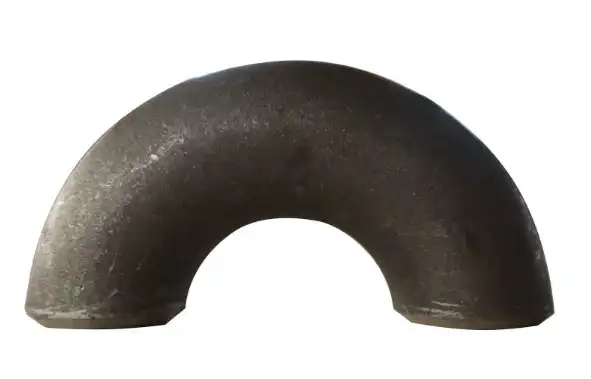
Overview of Carbon Steel Elbows in the Chemical Industry
Carbon steel elbows are used to change direction in pipe networks. They help in changing the direction of fluid flow while preserving the pressure integrity and efficiency of the system. These fittings are capable of handling chemical processing conditions such as acids, alkalis, solvents, and petroleum derivatives with pressure ratings of 150 PSI to over 2,500 PSI. The nature of the material, mostly iron with regulated carbon concentration from 0.05% to 2.1%, offers an optimum mix of mechanical strength, weldability, and cost-effectiveness compared to exotic alloys.
Industry Standards Governing Chemical Plant Elbows
Manufacturing requirements are based on globally accepted codes that assure dimensional precision and performance dependability. ASTM A234 covers wrought carbon steel and alloy steel fittings for moderate to high temperature usage, and ASME B16.9 covers dimensions and tolerances for factory-manufactured fittings. API 5L standards relate to elbows used in pipelines carrying petroleum and natural gas. Chemical plant designers establish these requirements in procurement contracts to ensure compatibility with existing infrastructure and safety laws.
Manufacturing Methods and Their Applications
Carbon steel elbows are mostly produced using hot forming procedures. The industry is characterised by two main approaches. Hot pushing includes heating pipe segments to roughly 1,000°C and then pushing the pipe through shaping dies mechanically. Seamless elbows with a consistent wall thickness are produced. Hot induction bending warms localised areas of the pipe and bends them to appropriate angles simultaneously. Perfect for big diameter applications. According to leading pipe fitting manufacturers, hot-pushed seamless elbows offer better pressure resistance for corrosive media in chemical plants, whereas welded elbows are more economical for lower-pressure water treatment and drainage systems.
Advantages in Chemical Processing Environments
Chemical industry carbon steel elbows are robust enough to handle the mechanical stress of temperature cycling and pressure changes in chemical reactors and distillation columns. They are weldable and may be modified in the field during plant expansions without specific equipment, which can save installation time. With the right coatings or linings, these fittings are impervious to chemical assault and preserve structural integrity at temperatures ranging from -45°C to 400°C. The material’s ductility avoids brittle fracture under impact loads during maintenance operations, which is an important safety factor in hazardous chemical plants.
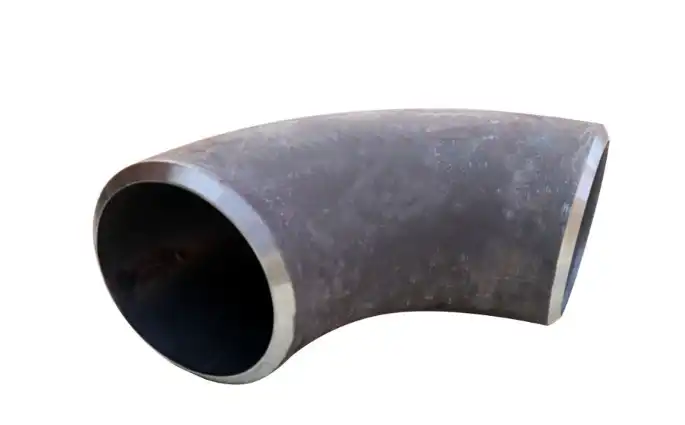
Top 10 Chemical Industry Carbon Steel Elbow Factories You Should Consider
You need to evaluate the size of production, the quality management systems, and the expertise of the industry of the suppliers to determine if they are qualified or not. The factories listed below are proven performers in chemical industry supply chains, and each offers unique advantages for procurement collaborations.
Leading Manufacturers (1–5)
With 26 years of expertise in chemical, petroleum, and natural gas pipe fittings, Cangzhou Oudi Pipe Manufacture Co., Ltd. stands out in China. The 66,600-sqm Hebei company produces 16,000 tonnes of American, Japanese, German, and British standards yearly.
ISO 9001:2000 and equipment manufacturer licenses show chemical plant operators our quality. Our seamless and welded carbon steel 45-degree and 90-degree elbows allow complex pipe systems with small and large radii.
Ultrasound and radiography confirm prenatal measurements. We've served over 300 customers in 40+ countries, including big chemical facilities in Europe, North America, and Southeast Asia, so we understand procurement managers' technical and delivery issues. A chemical processor may modify metal grades, coatings, and sizes.
API-certified refinery elbows and high-pressure carbon steel petrochemical fittings are made by Jingyin Metallurgy Piping. Wall thickness meets HPCS 160.
Company cryogenic chemical quality control labs evaluate Charpy impact's low-temperature toughness. Many Hebei Haihao High Pressure Flange & Pipe Fitting Group mills produce 30,000 tonnes of carbon steel elbows and fittings. Vertical steelworks produce chemicals. ASME accreditation lets the business transport code-stamped parts to U.S. chemical facilities. In corrosion-resistant chemical facilities, Wenzhou Longding Steel Pipe Fitting Co., Ltd. elbows are used.
Specialists recommend materials based on fluid chemistry, temperature, and service life. Shijiazhuang Shengwei Pipe Fitting Co., Ltd. provides fast prototyping and small-batch bespoke manufacturing for pilot chemical plants and research organisations exploring innovative processes. Engineers examine experimental pipe systems using finite elements.
Additional Notable Suppliers (6–10)
Tianjin Ganghua Steel Pipe & Fitting Co., Ltd. supports Middle Eastern and African chemical projects with China's largest seaport. Chemical resistance may be achieved using fusion-bonded epoxy and polyethylene.
Chemical plant pipe size transition elbows are reduced by Zhejiang Wellgrow Industry Co., Ltd. Smooth bore transitions decrease manufacturing turbulence and pressure loss in sensitive chemical transfer applications.
Chemical plant emergency replacements are available from Shanghai Zhucheng Industrial Co., Ltd. They track each fitting to mill test certificates in their quality management system.
Hebei Shengtian Pipe-Fitting Group Co., Ltd. manufactures sulphuric, hydrochloric, and caustic-resistant coated carbon steel elbows. Material certifications' chemical compatibility testing informs hazardous material handling system designs.
OEM manufacturing connections with engineering firms enable Cangzhou Haoyuan Pipeline Equipment Co., Ltd. to create custom Chemical industry carbon steel elbows. Material traceability reports and third-party inspection coordination for big chemical construction projects are technical documentation.
These firms provide chemical industry demands with commodity-grade water handling systems and high-alloy fittings. For best performance and value, match production capabilities to application criteria when evaluating vendors.
Comparing Carbon Steel Elbows: How Top Factories Differentiate Their Products
The product selection is challenging because of the variances in production methods, material grades, and performance specifications from one supplier to another. Knowledge of these differences eliminates expensive specification mistakes and premature fitting failures.
Seamless vs. Welded Construction
Seamless carbon steel elbows made by hot pressing have a homogeneous grain structure and no weld seams, the weakest link in high-pressure chemical applications. Test data indicates that seamless fittings may sustain burst pressures 15-20% greater than comparable welded fittings of the same size. Plants handling corrosive media at high pressure are designed in a seamless structure to prevent preferential corrosion along weld lines. On the other hand, welded elbows, made and joined from steel plates, may provide considerable cost benefits in lower pressure applications such as cooling water circulation and atmospheric drainage. Leading factories explicitly designate building processes on mill test certificates for engineers to review and assure compliance with design parameters.
Material Grade Selection and Pressure Ratings
Carbon steels vary from ASTM A234 WPB for ordinary usage to speciality alloys such as WP11 and WP22 with chromium and molybdenum for higher creep resistance. These alloy-strengthened grades are necessary for chemical facilities running steam systems over 400°C to avoid metallurgical deterioration over time. ASME classes 150, 300, 600, 900, 1500, and 2500 define the pressure ratings based on wall thickness and dimension ratios. The major manufacturers have extensive pressure-temperature rating charts which serve as a reference for the preparation of the specification. We make elbows in all conventional pressure classes with material certificates traceable to steel mill heat numbers, providing verified compliance for insurance and regulatory examinations.
Quality Assurance and Compliance Testing
“Premium suppliers have stringent inspection protocols that set them apart from commodity manufacturers. Hydrostatic testing pressurises each elbow to 1.5 times the rated operating pressure to confirm structural integrity before shipping. Internal laminations that are not evident to visual inspection may be revealed using non-destructive diagnostic methods such as ultrasonic testing. Welded elbows are radiographically checked for porosity, slag inclusions, and partial fusion, which affect long-term durability. The spectrometric testing of the chemical composition indicates that the carbon content, the manganese levels, and trace elements are within the specification limits. Dimensional examination using calibrated gauges ensures constant wall thickness, bore diameter accuracy, and angle correctness. An ISO 9001-certified factory has established processes to make sure that these quality controls are applied consistently from batch to batch.
How to Choose the Best Carbon Steel Elbow Factory for Your Chemical Plant
Strategic supplier selection considers operational capabilities, business terms, and partnership dependability beyond technical standards. Chemical plant purchase choices influence safety, maintenance, and regulatory compliance over time.
Matching Technical Capabilities to Application Requirements
Chemical processing facilities have particular pipe component requirements depending on fluid chemistry, operating temperatures, and pressure cycling for Chemical industry carbon steel elbow. For optimal service life, corrosive acid facilities need elbows with the right material grades and coatings. High-temperature applications over 350°C need creep-resistant alloy-enhanced carbon steel. We use chemical plant design experts to evaluate process conditions and suggest materials. This collaborative method eliminates specification mismatches, premature failures, and unscheduled shutdowns.
Evaluating Customization and Flexibility
Most pipe needs are met by common catalogue items, but complicated chemical plants often need specialised solutions. Unique pipe sizes need lowering elbows with precise dimensional ratios. Space-constrained installations benefit from shorter custom radius elbows. Galvanising, powder coating, and Teflon lining improve chemical compatibility beyond carbon steel. Check factories' bespoke order minimums and engineering turnaround times. We serve pilot plants, research facilities, and large-scale manufacturing facilities with unique requirements down to small batch numbers.
Commercial Considerations and Supply Chain Reliability
Transparent pricing, predictable lead times, and fast customer service improve procurement efficiency. For accurate comparisons, request complete quotes including material grades, dimensional standards, testing requirements, and delivery conditions. Carbon steel elbow manufacture takes 25–45 days, depending on size, quantity, and specification complexity. For urgent orders, factories with common sizes deliver faster. International logistics dictate landing costs for international customers; skilled exporters arrange ocean freight, customs paperwork, and port handling to minimise delays. Installation and commissioning problems are covered by warranties and after-sales support. We provide engineering review-compliant mill test certificates, material traceability reports, and dimensional inspection records.
Certification Verification and Audit Practices
Working with approved producers eliminates quality risks and simplifies compliance. ISO 9001 accreditation verifies quality management systems with documented processes and internal audits. Pressure vessel component manufacture is verified by regulatory licensing. ASME certification permits direct code stamping of U.S.-installed components. Factory audits of manufacturing facilities, testing equipment calibration records, and quality control methods are warranted for large procurements or crucial applications. First-time suppliers benefit from third-party inspection services that verify standards before shipping.
Industry Insights: Trends and Innovations in Chemical Industry Carbon Steel Elbow Manufacturing
Manufacturing technology evolution and regulatory developments continuously reshape the carbon steel elbow market, creating opportunities for performance improvements and cost optimization.
Advanced Materials and Surface Treatments
Coating technology advances extend carbon steel elbow service life in corrosive chemical environments. Fusion-bonded epoxy coatings applied at 200-250°C create dense polymer layers resisting chemical attack from acids, bases, and solvents. Internal lining with fluoropolymers like PTFE provides near-universal chemical compatibility for multi-product chemical plants. Plasma nitriding surface treatments increase surface hardness and wear resistance for slurry handling applications. Leading factories invest in coating application equipment and quality control systems, ensuring coating adhesion and thickness uniformity meet specification requirements.
Manufacturing Process Innovations
Computer-controlled induction bending systems produce large-diameter elbows with precise angle control and minimal wall thinning. Automated ultrasonic testing integrated into production lines enables 100% inspection rather than sampling approaches, catching defects earlier in manufacturing processes. Three-dimensional scanning technology verifies complex elbow geometries against CAD models, ensuring dimensional accuracy for pre-fabricated piping modules. These technological investments reduce manufacturing variability and improve first-pass quality rates.
Sustainability and Regulatory Compliance
Environmental regulations increasingly influence manufacturing practices and material selection. Carbon footprint concerns drive adoption of electric induction heating, replacing fossil fuel furnaces. Waste heat recovery systems capture thermal energy from forming processes, reducing overall energy consumption. Material composition limits on trace elements like lead and mercury align with environmental protection standards in European and North American markets. We maintain environmental management systems addressing waste minimization, energy efficiency, and emissions control, demonstrating corporate responsibility valued by sustainability-focused chemical companies.
Digital Procurement and Supply Chain Integration
Online procurement platforms streamline supplier discovery, quotation comparison, and order placement for standard pipe fittings. Digital material certificates with QR codes enable instant verification of test results and traceability information. Supply chain visibility systems provide real-time production status updates and shipment tracking, improving project planning accuracy. As digitalization accelerates, factories offering electronic documentation, online technical support, and integrated ordering systems deliver enhanced customer experiences valued by procurement departments managing multiple concurrent projects.
Conclusion
Selecting appropriate carbon steel elbow suppliers for chemical industry applications requires balancing technical specifications, quality assurance, commercial terms, and long-term partnership potential. The factories profiled here demonstrate proven capabilities serving demanding chemical processing environments worldwide. When evaluating options, prioritize manufacturers with relevant industry experience, comprehensive certification, and transparent quality documentation. We encourage procurement professionals to leverage our 26 years of specialization in chemical industry pipe fittings, where our technical expertise, production capacity, and global logistics capabilities support projects from initial specification review through final commissioning.
FAQ
1. What is the typical service life of carbon steel elbows in chemical applications?
Service life varies significantly based on fluid chemistry, operating temperature, and pressure cycling frequency. In non-corrosive water service at ambient temperatures, properly specified carbon steel elbows routinely achieve 25-30 years before requiring replacement. Chemical environments with moderate corrosion rates may necessitate replacement every 10-15 years. Aggressive acids or high-temperature oxidizing conditions can reduce service life to 5-8 years even with appropriate material grades. Regular inspection programs monitoring wall thickness through ultrasonic measurement enable condition-based replacement rather than fixed interval scheduling, optimizing maintenance budgets while maintaining safety margins.
2. How can buyers verify factory quality certifications?
Legitimate ISO 9001 certificates include accreditation body logos, certificate numbers, and expiration dates verifiable through issuing organization databases. Request certificate copies during supplier evaluation and verify certificate numbers with accreditation bodies like UKAS, ANAB, or equivalent national authorities. Special equipment manufacturing licenses issued by government regulators appear on official registries accessible online. ASME certification status appears in the ASME Certificate Holder Database searchable by company name. During factory audits, examine original certificates displayed in facilities and compare details against online verification sources.
3. Can factories accommodate custom elbow dimensions for specialized applications?
Most established manufacturers accept custom specifications for non-standard radius, wall thickness, or angle requirements beyond catalog items. Customization typically requires engineering review to confirm feasibility and may involve tooling costs for unique forming dies. Minimum order quantities for custom work vary from 50 to 500 pieces depending on dimensional deviation from standard sizes. We regularly produce custom elbows for space-constrained chemical plant retrofits and specialized process equipment, with technical teams supporting specification development from preliminary design through final approval.
Partner with Oudi for Reliable Chemical Industry Carbon Steel Elbow Solutions
Chemical plant success depends on infrastructure components that deliver decades of reliable service under demanding conditions. We bring 26 years of proven performance supplying Chemical industry carbon steel elbow and carbon steel pipe fittings to chemical facilities across 40+ countries, combining manufacturing excellence with responsive technical support. Our ISO 9001-certified quality management system and special equipment manufacturing licenses provide the documented compliance the chemical industry procurement requires. Whether you need standard ASME B16.9 elbows for plant expansions or custom configurations for specialized processing equipment, our engineering team and 16,000-ton annual production capacity support projects of any scale. Contact us at oudi-04@oudiguandao.com to discuss your requirements with experienced chemical industry carbon steel elbow suppliers who understand the technical demands and delivery pressures you face. Request detailed quotations, material certifications, and technical specifications tailored to your specific application parameters.
References
1. American Society of Mechanical Engineers (2018). ASME B16.9: Factory-Made Wrought Buttwelding Fittings. New York: ASME Press.
2. ASTM International (2021). ASTM A234/A234M Standard Specification for Piping Fittings of Wrought Carbon Steel and Alloy Steel for Moderate and High Temperature Service. West Conshohocken: ASTM International.
3. Boyer, H.E., & Gall, T.L. (Eds.) (2016). Metals Handbook: Properties and Selection of Metals (10th ed.). Materials Park: ASM International.
4. Gupta, K.M. (2019). Engineering Materials: Research, Applications and Advances. Boca Raton: CRC Press.
5. Mohitpour, M., Golshan, H., & Murray, A. (2007). Pipeline Design & Construction: A Practical Approach (3rd ed.). New York: American Society of Civil Engineers.
6. Nayyar, M.L. (2020). Piping Handbook (8th ed.). New York: McGraw-Hill Education.

Need help finding the right solution with our experts. Please contact us.

SINCE 1998 Your Reliable Pipeline Manufacturer



