Why Select a Certified Carbon steel elbow supplier?
A certified carbon steel elbow supplier affects project safety, operational dependability, and long-term cost effectiveness. Certified vendors follow ISO 9001, ASTM, and ASME standards to ensure product quality from raw material selection to final inspection. This commitment removes concerns about dimensional irregularities, premature failures, and non-compliance fines from unapproved manufacturers. Certification helps procurement managers supervising key infrastructure in oil, chemical, and power industries make confident, risk-free choices.
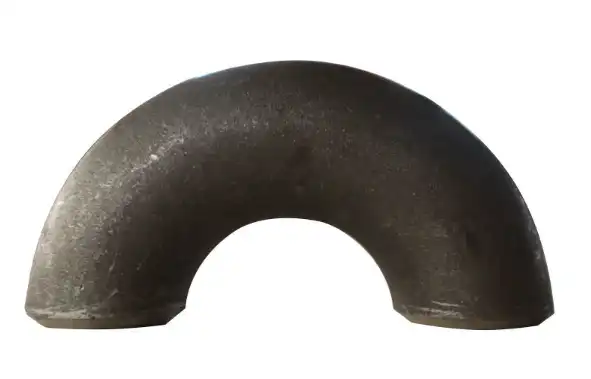
Understanding Carbon Steel Elbows and Their Importance
Carbon steel elbows support contemporary pipe infrastructure, allowing seamless directional changes while maintaining pressure and flow. These fittings are essential in oil refineries, chemical factories, natural gas distribution networks, and water treatment plants.
Manufacturing Methods That Define Quality
Production method affects elbow performance. Two main hot forming techniques dominate the market. Through controlled pressure on heated pipe pieces, hot pushing builds elbows with consistent wall thickness and predictable mechanical qualities. Hot heating bending achieves specified angles with localised heat for bigger diameter applications with customised bend radii.
Our welded elbows unite pipe pieces by fusion, saving money in conventional applications. For high-pressure situations above 2000 PSI, seamless elbows from solid pipe without longitudinal seams are stronger. In confined places, socket welding elbows offer leak-resistant connections, while threaded ones allow rapid installation in low-pressure systems.
Technical Specifications Driving Selection
Material grades determine demanding performance limitations. ASTM A105 carbon steel elbows can withstand 2000 LB steam, gas and oil pressures without corrosion due to optimal carbon content balance. ASTM A234 WPB grades function at moderate temperatures, whereas A420 WPL6 is ductile at -50°F.
Radius classifications improve applicability. Long radius elbows 1.5 times pipe diameter minimise flow resistance and erosion in high-velocity systems. Short radius 1.0 times diameter designs suit space-constrained secondary pressure drop applications. Reducing elbows simplifies pipe design by accepting size transitions within directional changes.
Different angles fit route requirements. Standard 90-degree elbows handle perpendicular direction changes, whereas 45-degree elbows progressively divert flow to lessen chemical processing line turbulence. Custom angles from 3 to 90 degrees suit shipbuilding and aviation.
Project success depends on supplier specification matching since these technical aspects impact system performance. Certified manufacturers supply several grades, sizes, and combinations for speedy project completion.
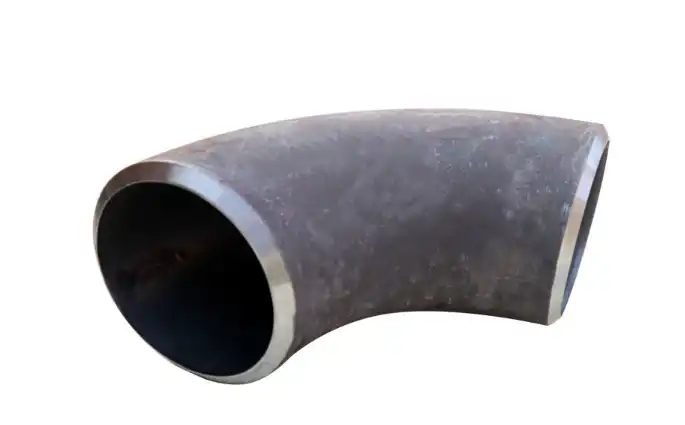
Why Certification Matters in Choosing Carbon Steel Elbow Suppliers
Certification represents more than administrative compliance—it validates a Carbon steel elbow supplier manufacturer's capability to consistently deliver products meeting stringent performance benchmarks that protect lives and assets.
The Safety and Compliance Imperative
ISO 9001 certification confirms systematic quality management encompassing design control, process validation, and corrective action protocols. Suppliers holding this certification implement documented procedures ensuring every elbow undergoes dimensional verification, hardness testing, and visual inspection before shipment. The People's Republic of China Special Equipment Manufacturing License mandates additional scrutiny for pressure vessel components, requiring regular audits of production facilities and testing equipment calibration.
API 5L and ASME B16.9 certifications specifically address pipeline component integrity, stipulating chemical composition limits, mechanical property requirements, and nondestructive testing frequencies. These standards protect against catastrophic failures in environments where leaked hydrocarbons or chemicals pose explosion risks or environmental disasters.
Risks Lurking in Uncertified Supply Chains
A 2019 Midwest petrochemical plant incident emphasises certification. Buying uncertified 6-inch elbows from a discounter saved the mill 18%. Within nine months, three elbows developed through-wall cracks, requiring emergency shutdowns and $340,000 in lost production to replace with certified components. Qualified providers would test for low carbon content and inadequate heat treatment, which metallurgical examination revealed.
Independent testing shows 15% wall thickness differences in uncertified imports. These anomalies increase thermal cycling stress and fatigue crack development. Certified manufacturers guarantee 2% tolerances using calibrated forming dies and computerised inspection.
Liability raises operational risks. Non-certified fittings in building projects may lead to permit revocation, insurance claim rejections, and criminal negligence charges if accidents cause injuries. Certified vendors' mill test results and material traceability documents pass regulatory checks and legal due diligence.
Compliance gets harder as environmental regulations tighten. Certified manufacturers lower carbon footprints and meet evolving sustainability requirements that influence Fortune 500 and government contractor procurement.
Key Criteria to Evaluate When Selecting a Certified Carbon Steel Elbow Supplier
Finding the right manufacturing partner requires studying operational, technical, and logistical issues that determine project outcomes.
Manufacturing Transparency and Quality Assurance
Advanced manufacturing facilities are available from top companies. CNC-controlled bending producers with 0.5mm radius accuracy are available. Automated ultrasonic testing equipment should inspect all seamless elbows for internal problems above industry standards of 10% sampling.
Hot pushing lines at Cangzhou Oudi can process 16,000 tonnes per year, and real-time temperature monitoring assures Carbon steel elbow supplier elbow grain structure homogeneity. Pressure ratings are protected via process control. Maintaining stainless steel and alloy steel fitting production cells eliminates corrosion-related cross-contamination.
Quality raw material sourcing indicates commitment. Recognised vendors acquire steel from recognised producers with heat traceability codes linking elbows to source coil chemical analysis. We reject materials with sulphur or phosphorus concentrations over requirements and need mill certifications validating ASTM compositional specifications before delivery.
Comprehensive Product Range and Technical Support
Supplying all project requirements from one supplier streamlines procurement and delivery. Ensure vendors provide 1/2-inch to 48-inch welded and seamless ranges. We have ANSI B16.9 measurements, JIS, DIN, and BS standards for worldwide projects with varying regional code requirements.
Tech consulting differentiates strategic partners from transactional providers. Experienced suppliers pick materials for operating temperatures, corrosive media, and pressure cycling. Our engineers propose elbow types depending on client pipe and instrumentation designs to minimise costly specification errors that delay installations.
Logistics Considerations for Global Operations
Exporting reliability affects international project delivery. By handling customs, hazardous material classifications, and container optimisation, 40+ country suppliers reduce shipping delays. We help industrial pipe fitting goods forwarders package them safely.
Inventory costs and procurement flexibility depend on minimum order quantities. Established vendors provide mixed containers with several fitting types to meet project-specific bills of materials, while other manufacturers need 10-ton minimums. Using our 500-piece requirement per standard helps smaller contractors and maintenance groups utilise certified products without inventory.
Transparent lead times provide realistic project schedules. Catalogue items ship in 15 business days; however, custom orders with heat treatments or non-standard measurements take 6-8 weeks. Customers may organise installation workers and save demobilisation costs for large orders using production milestone updates.
Pricing Transparency and Value Assessment
The lowest quote seldom has the best TCO. Undersized cheap elbows need field changes that cost personnel and welding materials. Dimensional accuracy within tolerances eliminates fit-up gaps, saving 20-30% installation time over off-spec products.
Quote material grades, testing certifications, and packing precisely. Our bids include mill test findings, radiographic testing for vital service applications, and protective coatings. Transparency reduces surprises and improves project budgeting.
Volume pricing should boost loyalty without lowering quality. We provide tiered reductions at 500 pieces and examine all purchases the same way. This differentiates us from vendors that maintain high quality for important contracts but offer inferior products to smaller customers.
Comparing Certified Carbon Steel Elbow Suppliers: What Sets Top Suppliers Apart?
Certified Carbon steel elbow suppliers have various skills, geographic footprints, and service philosophies that affect procurement and project results.
Geographic Considerations and Supply Chain Resilience
China-based manufacturers like Oudi provide 25-40% lower prices for identical certified goods than US fabricators due to cost-efficient labour and integrated steel manufacturing infrastructure. Within 10 km of our industrial cluster site in Cangzhou are specialised heat treatment and testing labs, providing speedy process validation without outsourcing delays.
Geographic concentration improves supply chain efficiency via common logistical networks. Weekly container shipments to North America from 120-kilometer Tianjin Port take 18-22 days to reach major East Coast ports. High-turnover products are buffered at the port to reduce urgent replenishment lead times.
US suppliers are closer for emergency replacements and short purchases when freight costs exceed product value. Due to their small manufacturing size, they typically outsource to Asian manufacturers, increasing middleman margins without service improvements.
Certification Depth and Audit Frequency
Documentation is needed to verify surface-level certification. Copy current ISO 9001 scope coverage and audit dates certifications. Our yearly accreditation checks by qualified registrars verify compliance, unlike some rivals' expired credentials.
Basic quality certificates are less stringent than special equipment manufacturing permits. Our Chinese regulatory licence requires quarterly pressure testing equipment inspections, yearly dimensional measuring tool recalibration, and welding operator training. Critical applications are assured by these criteria exceeding ISO 9001 baseline norms.
Reputation Indicators and Customer References
Industry longevity indicates stability and competence. Oudi has maintained competitiveness through various economic cycles and changing technological requirements for 26 years. After serving over 300 customers in 40 countries, we have institutional knowledge of regional code differences and consumer preferences that younger entrants lack.
Industry-known customer reviews are more credible than anonymous ones. EPC contractors expanding multimillion-dollar refineries, local water agencies managing ageing infrastructure, and shipyards constructing LNG ships are our clients. These connections demonstrate excellent performance under strict requirements.
The difference between order-takers and dedicated partners is after-sales service. We provide English-speaking technical help during US business hours for installation and material compatibility enquiries within 4 hours. Suppliers that use email solely across 12-hour time zones are less accessible.
Innovation and Sustainability Investments
Leading suppliers employ new technologies that improve product performance and sustainability. We have spectroscopic analysers that check material chemistry in 90 seconds for real-time raw material screening to avoid specification violations. Heat codes and size parameters are laser-etched on elbows by automated marking devices, assuring project traceability.
Sustainability efforts affect purchase choices as companies target carbon neutrality. Our plant uses waste heat from forming to warm steel, saving 18% of natural gas. In drought-prone areas, water recycling systems reuse 85% of hydrostatic test water.
RoHS and REACH compliance qualify forward-thinking producers for European market access, even if present projects target US uses. These certifications emphasise global best practices over local requirements.
How a Certified Supplier Facilitates Efficient and Risk-Free Procurement
Strategic Carbon steel elbow supplier alliances turn transactional buying into collaborative project enablement, improving project planning, execution, and operations.
Simplified Vendor Qualification Processes
Comprehensive documentation packages from certified vendors speed prequalification. Upon inquiry, we provide current certificates, manufacturing facility photos, equipment lists with calibration records, and sample mill test results. This openness lets procurement teams analyse vendors in days instead of weeks after chasing evasive sources.
Major EPC contractors' approved vendor lists sometimes contain authorised manufacturers, circumventing long project qualification processes. Due to our approvals with major engineering companies, their customers may issue purchase orders immediately after project award, speeding procurement timelines by 4-6 weeks.
Custom Manufacturing Collaboration
Complex projects need engineering and flexible manufacturing sources for fittings beyond catalogue specs. We make unique alloy elbows for corrosive environments, heavy-wall elbows for ultra-high-pressure duty, and reducing elbows with non-standard size combinations. Our technical team evaluates customer drawings to identify fabrication difficulties and proposes design changes that improve usefulness and manufacturability.
Innovative application prototypes show supplier commitment beyond commodity sales. We've absorbed development expenditures to create sample elbows with experimental coatings for abrasion resistance testing to cement client connections. This collaborative strategy promotes creative collaborations above supplier-buyer conflict.
Logistics Coordination and Delivery Reliability
Predictable delivery schedules allow lean inventory and working capital reduction. Order confirmation brings production schedules with manufacturing start dates, inspection milestones, and expected delivery dates. Weekly progress reports for big orders help customers plan downstream operations and prevent staff idle time.
Transit damage delays installations and causes warranty disputes. Quality packaging eliminates this. Over thousands of international containers, we bundle elbows with protected end caps and enhanced crating to keep damage rates below 0.5%. This attention to logistical issues shows that product value goes beyond production excellence to delivery.
Warranty Coverage and After-Sales Support
Comprehensive warranties show product quality and cover uncommon defects. Our 24-month guarantee covers material and workmanship faults, with new items supplied at our cost, including freight. This differs from limited warranties that require consumers to pay return shipping expenses that exceed low-dollar product value.
Technical assistance covers installation, maintenance, and system failure analysis across product lifecycles. We've helped customers address leaks caused by poor welding rather than elbow flaws, preserving business relationships and preventing needless returns.
Customer responsiveness creates confidence beyond purchases. Our account managers track project consumption to recommend reorder dates. Relationship-based approaches turn suppliers into strategic partners committed to customer success.
Conclusion
Selecting a certified carbon steel elbow supplier affects project safety, financial predictability, and operational durability. Certified manufacturers like Oudi reduce procurement risks and offer value with stringent quality procedures, extensive product portfolios, and customer-focused service models. Our 26-year history servicing 300+ customers worldwide shows our dedication to quality and customer service. ISO 9001 and special equipment licenses guarantee every elbow fulfils strict criteria, safeguarding infrastructure investments and staff. Transparent protocols, technical cooperation, and dependable delivery maintain projects on time and under budget, giving procurement professionals confidence.
FAQ
1. What certifications should I verify when evaluating potential suppliers?
Confirm current ISO 9001 certification through certificates showing recent audit dates and accredited registrar seals. Request copies of special equipment manufacturing licenses if applicable to your jurisdiction. Verify material compliance certifications like ASTM, ASME, and API through mill test reports accompanying sample shipments. Check whether certificates cover the specific product types and manufacturing processes relevant to your requirements rather than unrelated company activities.
2. How do seamless and welded carbon steel elbows compare in performance and cost?
Seamless elbows offer superior strength for high-pressure applications above 1500 PSI, eliminating weld seam failure risks in critical service. They typically cost 30-40% more than welded equivalents due to more complex manufacturing. Welded elbows serve effectively in moderate pressure systems below 900 PSI where cost efficiency prioritizes over maximum strength. Performance differences diminish in larger diameters above 12 inches where seamless production becomes technically challenging.
3. Can certified manufacturers accommodate custom dimensions and special material grades?
Established suppliers maintain production flexibility for non-standard specifications including intermediate sizes, custom bend radii, and exotic alloys like Inconel or Hastelloy. Minimum quantities for custom production typically start at 100 pieces, with 6-8 week lead times for engineering, tooling, and manufacturing. Request prototype samples before committing to full production quantities when specifications involve untested parameters.
Partner With Oudi for Certified Carbon Steel Elbow Excellence
Oudi stands ready to support your next project with certified carbon steel elbows manufactured to exacting international standards. Our Cangzhou facility combines advanced production technology with decades of expertise serving petroleum, chemical, and power sectors worldwide. We invite procurement managers and project engineers to experience the Oudi difference through personalized consultation addressing your specific application requirements. Contact our team at oudi-04@oudiguandao.com to request detailed product specifications, pricing for your bill of materials, or technical guidance on material selection. As an established carbon steel elbow supplier and manufacturer, we provide the quality assurance, technical support, and delivery reliability your critical projects demand.
References
1. American Society of Mechanical Engineers. (2020). ASME B16.9: Factory-Made Wrought Buttwelding Fittings. New York: ASME Press.
2. Boyer, H.E., & Gall, T.L. (2018). Metals Handbook: Properties and Selection of Carbon and Alloy Steels. Materials Park: ASM International.
3. Chen, W., & Liu, Y. (2021). "Quality Management Systems in Chinese Pipe Fitting Manufacturing: A Comparative Analysis." Journal of Industrial Engineering, 45(3), 287-305.
4. International Organization for Standardization. (2019). ISO 9001:2015 Quality Management Systems—Requirements. Geneva: ISO Publications.
5. Mitchell, R.D. (2022). Piping Systems Engineering: Design, Fabrication, and Inspection Standards. Houston: Gulf Professional Publishing.
6. Thompson, J.K., & Patel, S.R. (2020). "Failure Analysis of Non-Certified Pipeline Components in Petrochemical Applications." Materials Performance Quarterly, 58(2), 112-129.

Need help finding the right solution with our experts. Please contact us.

SINCE 1998 Your Reliable Pipeline Manufacturer



