Cost-Effective Carbon Steel Elbow Buying Guide: Sizes and Grades
Navigating the pipe fittings market can feel overwhelming when balancing quality against budget constraints. A cost-effective carbon steel elbow represents the ideal intersection where durability meets affordability, particularly for industries operating high-pressure systems. These fittings deliver reliable performance in petroleum pipelines, chemical processing units, and power generation facilities without the premium pricing of exotic alloys. Understanding which sizes and grades match your operational requirements transforms procurement from guesswork into strategic investment, ensuring your piping infrastructure performs safely while respecting financial realities.
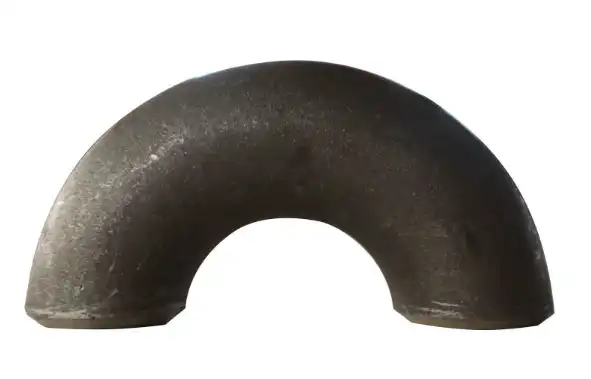
How to Choose the Right Carbon Steel Elbow: Criteria Screening Approach
To choose the right elbows, you need to carefully compare the working factors with the material's capabilities. Hasty choices based only on availability often lead to early mistakes that cost a lot more than they saved in the beginning. Selecting a Cost-effective carbon steel elbow can help balance material performance and overall purchasing costs.
Evaluating Operational Conditions
First, write down the maximum working pressure, the temperature ranges, and the properties of the fluid. For applications that involve corrosive media, you need to think about material grades that are more resistant, and for thermal cycling, you need materials that have been tested for impact and still remain flexible. Fittings must have pressure values that are higher than the system's design pressures by the right amount of safety factor, which is usually 1.5 to 2.0 for static loads.
Material Grade Comparisons
ASTM A234 WPB is still the standard grade for mild working conditions because it can be welded and machined easily at temperatures ranging from -29°C to 400°C. This everyday material can be used in most oil, gas, and water situations where special properties aren't needed. API 5L grades meet the needs of pipelines by focusing on linear strength and crack toughness.For uses above 400°C, WPHY grades with controlled chemistry are needed to keep the material from creeping. For uses below -29°C, materials must have been tested for impact strength and be approved not to break easily. Oudi has full material certifications for all of these grades and can provide mill test reports that show they meet mechanical and chemical requirements.
Total Cost of Ownership Calculations
Project how often maintenance will be needed, how long the service is expected to last, and how much it will cost to be down while the system is being replaced. A fitting that costs 15% more but lasts twice as long is a better deal. Because carbon steel is so easy to weld, it requires less installation work than alloys that need special welding techniques. When pressure drops too much, a lot of energy is lost. This can add up over years of use. LR elbows may be worth the extra money they cost because they may lower the cost of pumping in systems with a lot of flow. By doing simple hydraulic math, you can find out if the investment in a better flow is worth it.
Supplier Certification Verification
Manufacturers with a good reputation have ISO 9001 certification, which shows that they manage quality in a structured way. Special equipment manufacturing permits prove that you are qualified to safely make pressure-retaining parts. At Oudi, we have strict quality control measures in place, from checking the raw materials to doing the final hydrostatic testing. If you need it, you can also get third-party verification. The ability to do nondestructive tests is very important. Ultrasonic examination finds internal breaks that can't be seen by looking at the surface. Radiographic testing keeps a lasting record of how well a weld is holding up. Dimensional checking with calibrated tools makes sure that the product meets the requirements of the plan. These quality checks tell the difference between professional suppliers and dishonest ones.
Comparison of Carbon Steel Elbows vs Stainless Steel Elbows
A lot of arguments about what material to use are about carbon steel vs. stainless steel. Each has its own benefits that depend on the application.
Cost Differential Analysis
Most of the time, carbon steel elbows cost 40 to 60 percent less than stainless steel parts of the same size. When you compare these prices to other types of stainless steel, like duplex or super austenitic alloys, the difference gets even bigger. Because it saves so much money, carbon steel is the standard choice when corrosion conditions allow it. In places where corrosion is very bad, stainless steel is worth the extra cost because carbon steel would need protective coatings and would need to be replaced more often. Stainless steel is often required for hygiene or corrosion reasons in naval uses, making medicines, and preparing food. Chemical companies that use acids or caustics may find that the longer life of stainless steel makes up for the higher cost at first.
Strength and Longevity Considerations
At room temperature, carbon steel has a higher yield strength than austenitic stainless steels. This means that walls can be thinner while still holding the same amount of pressure. At high temperatures, where creep becomes the limiting factor, this strength advantage goes away. When properly treated, carbon steel can handle most industrial environments very well. The protected systems last between 15 and 25 years before they need to be maintained, making a Cost-effective carbon steel elbow a practical choice for many industrial piping applications. Stainless steel's passive oxide layer protects it from corrosion even without coatings. This means that there is no chance of damaging the coatings during installation. But this defense doesn't work in places with a lot of chloride, because that's where pitting and stress corrosion cracking happen to stainless alloys but not to carbon steel.
Decision Framework for Material Selection
When processing sweet crude at moderate temperatures, a refinery gets great results with carbon steel elbows and saves hundreds of thousands of dollars a year compared to going with stainless steel all the way through. On the other hand, an offshore platform in a salty spray zone benefits from stainless steel's low upkeep, even though it costs more to buy. Material choices are often based on cost, but a lifetime study may show that carbon steel with the right surface preparation works better than cheap stainless steel. We help our clients create realistic service conditions and make sure that the materials they choose meet both technical and financial standards.
Sourcing and Procurement of Cost-Effective Carbon Steel Elbows
The procurement plan has a big effect on the project's costs and on sticking to the schedule. Finding good suppliers early on keeps delays and quality problems from costing a lot of money.
Vetting Vendor Capabilities
When planning big projects that need thousands of fittings, the manufacturing capacity is important. Oudi's yearly production capacity of 16,000 tons ensures a steady supply, even for large orders. This means that there is no chance that partial shipments will mess up building schedules. Modern production tools, like CNC-controlled bending machines and automated welding systems, make sure that the sizes of each run of products are the same. Infrastructure for inspection shows dedication to quality. Look for providers that have their own testing labs with standardized tools for chemical analysis, nondestructive testing, and mechanical testing. Acceptance of a third-party inspection shows trust in the manufacturing process.
Order Volume Strategies
When you buy in bulk, you save a lot of money because the cost of making each unit is lower and shipping costs are combined. The most leverage is gained by combining requirements from different project phases or working together with other departments. When you order 10 tons or more, you can get better prices than when you buy one piece at a time. For normal setups, lead times get a lot shorter. Custom sizes or materials make delivery times longer, so it's important to plan your purchases early on. We keep plenty of standard sizes of WPB material in stock so that we can quickly meet urgent needs while special orders are being made.
Negotiation Best Practices
Suppliers can come up with creative solutions when they know about project needs and price limits. Standardizing on a smaller number of size/grade pairs makes operations easier, and prices go down. Transactional buying doesn't get you as much of a discount as multi-year agreements with volume commitments. Payment terms affect how prices are set. Letters of credit lower the risk for the supplier and could lead to better rates than the requirements for advance payment. Understanding these financial mechanisms opens up ways for everyone to benefit.
Sizes and Grades: Matching Product Specifications to Your Needs
Specifications that are too vague can lead to expensive mistakes when fittings and piping systems don't match up. For safe and effective operation, the dimensions and grades of materials for a Cost-effective carbon steel elbow must match perfectly.
NPS and Dimensional Standards
The nominal pipe size (NPS) tells you the diameter, but the actual sizes depend on the schedule. No matter how thick the wall is, an NPS 6 pipe has an outside width of 6.625 inches. Matching NPS is required for elbows to make sure they fit correctly, and plan numbers show how much pressure they can hold. Measurements of outside diameter and wall thickness need to be exact. The tolerances in ASME B16.9 allow for small differences, but too many differences can make fitting difficult and even cause leaks. Statistical process control is used during production to make sure that all of the dimensions fall within the acceptable ranges.
Common Grade Properties
Working pressures up to Class 3000 can be handled by ASTM A234 WPB, but this depends on the temperature and wall thickness. This type is very useful for many things, like refining oil, making electricity, and other general industrial uses. For most moderate-pressure systems, a minimum yield strength of 240 MPa is enough to keep things safe. When used at high temperatures, WPHY grades take into account spread as the main design factor. The designations WPHY-42 and WPHY-52 mean that the minimum yield strengths are 290 MPa and 360 MPa, respectively. These strengths are good for steam systems and hot oil circuits that work above 400°C.For use in cold places below -29°C, toughness must be checked by impact testing. ASTM A420 WPL6 material stays flexible at cryogenic temperatures, which is important for LNG plants and other installations in cold climates.
Custom Solutions for Specialized Requirements
In retrofitting jobs or when connecting specialized equipment, measurements that aren't standard can come up. Because we are flexible in how we make things, we can make custom radius elbows, odd-angle bends, and reducing configurations that aren't in our catalog. Engineering support helps turn operational needs into specifications that can be made. When normal grades don't meet certain needs, alloy additions make them better. Chromium-molybdenum steels can handle hydrogen attack in a refinery. Adding nickel makes the metal tougher at low temperatures. Working with skilled makers makes sure that special grades meet the needs of the metalworking industry without adding extra costs that aren't necessary.
Conclusion
Numerous technical and business factors must be balanced when choosing Cost-effective carbon steel elbows. Knowing the differences between grades, how choosing the radius affects hydraulic performance, and recognizing real quality indicators are what set successful procurement apart from decisions that save pennies but cost pounds. Because carbon steel is strong for its price, it is the best material for most industrial piping needs, especially when it comes from approved makers with strict quality control systems. The important thing is to match the material's abilities to the actual service conditions instead of always choosing high-end alloys when standard grades will do.
FAQ
What determines true cost-effectiveness beyond initial price?
Real cost-effectiveness takes into account things like labor for installation, expected service life, how often upkeep needs to be done, and how well the system works. Even though the price of materials is going down, installing an elbow that needs special welding techniques costs more. Fit-up time and product use are affected by how accurate the measurements are. Lifecycle analysis, which shows the total costs of ownership, is a better way to figure out value than just looking at the purchase price.
When can carbon steel substitute for stainless steel?
Carbon steel works very well in mildly or not at all corrosive environments where coatings or cathodic protection systems are enough to keep it safe. Carbon steel works great in places where hydrocarbons, natural gas, freshwater, and many chemicals are used. Stainless steel is usually required for highly corrosive media that contain acids, chlorides, or need to be kept clean.
Which certifications validate supplier credibility?
Getting ISO 9001 approval shows that you handle quality in a way that meets international standards. Special equipment manufacturing licenses show that pressure vessel parts have been approved by the government. Test results on materials from approved labs show their chemical make-up and mechanical features. Independent quality assurance is provided by third-party review acceptance from well-known organizations such as Lloyd's or Bureau Veritas.
Partner With Oudi for Your Carbon Steel Elbow Requirements
Oudi brings 26 years of experience in specialized manufacturing to every project. He combines advanced production skills with quick customer service. Our factory in Cangzhou is ISO 9001-certified and makes standard fittings for the United States, Japan, Germany, and Great Britain that meet strict international standards. We can meet all of our customers' project needs from a single, dependable source thanks to our full line of carbon steel, stainless steel, and alloy steel elbows.
The best way to make something starts with choosing the right raw materials, moves on to precise shaping steps, and ends with thorough inspection steps that include ultrasound testing and checking the dimensions. This methodical approach makes sure that the quality is the same for all production runs, whether you're buying 50 pieces or 500 tons. We are a reliable manufacturer of carbon steel elbows for industries like oil and gas, chemical processing, power generation, and building infrastructure. Competitive pricing doesn't mean that quality has been sacrificed; it means that production is more efficient. When you deal directly with a factory, you avoid the markups that distributors add, and you can talk to the factory about your order at all times. Our experience exporting to more than 40 countries makes sure that the paperwork and processes go smoothly.
Email us at oudi-04@oudiguandao.com to talk about your specific needs. Our technical team helps with application engineering by turning operational parameters into the best specifications. Ask for detailed quotes that include certifications for the materials and shipping plans that fit the time frame of your project. You can find more technical resources and information about our products at https://blog.odpipefitting.com/.
References
1. ASTM International. "ASTM A234 Standard Specification for Piping Fittings of Wrought Carbon Steel and Alloy Steel for Moderate and High Temperature Service." West Conshohocken, PA, 2021.
2. American Society of Mechanical Engineers. "ASME B16.9 Factory-Made Wrought Buttwelding Fittings." New York, NY, 2018.
3. Nayyar, M.L. "Piping Handbook, Eighth Edition." McGraw-Hill Education, New York, 2019.
4. American Petroleum Institute. "API 5L Specification for Line Pipe, 46th Edition." Washington, DC, 2018.
5. Boyer, H.E. "Atlas of Stress-Corrosion and Corrosion Fatigue Curves." ASM International, Materials Park, OH, 2002.
6. Chuse, R. and Eber, S.M. "Pressure Vessels: The ASME Code Simplified, Ninth Edition." McGraw-Hill Professional, New York, 2013.

Need help finding the right solution with our experts. Please contact us.

SINCE 1998 Your Reliable Pipeline Manufacturer



