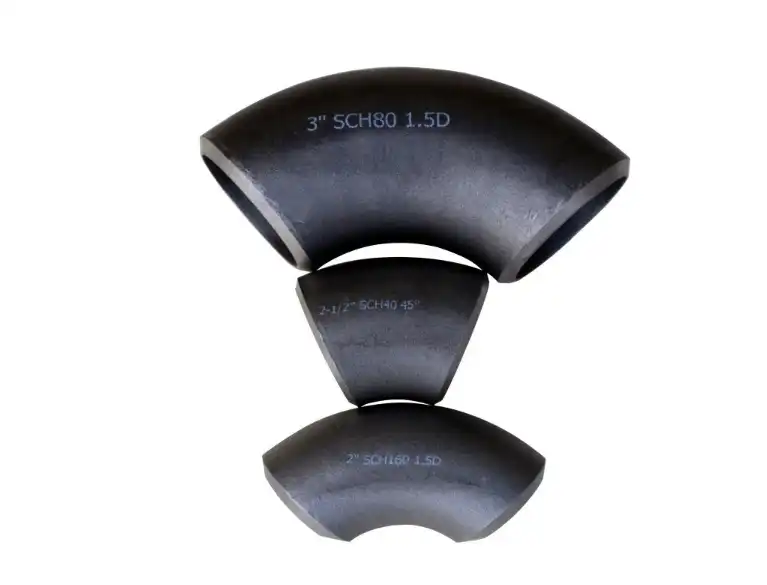
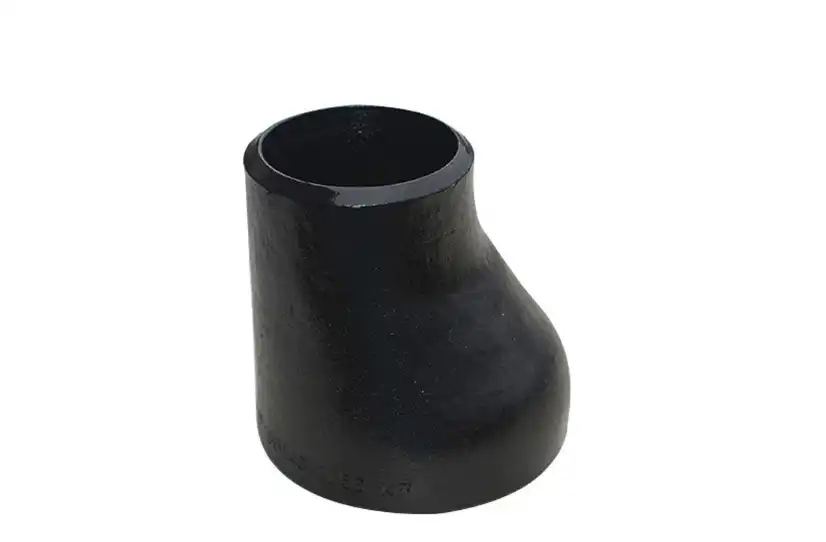
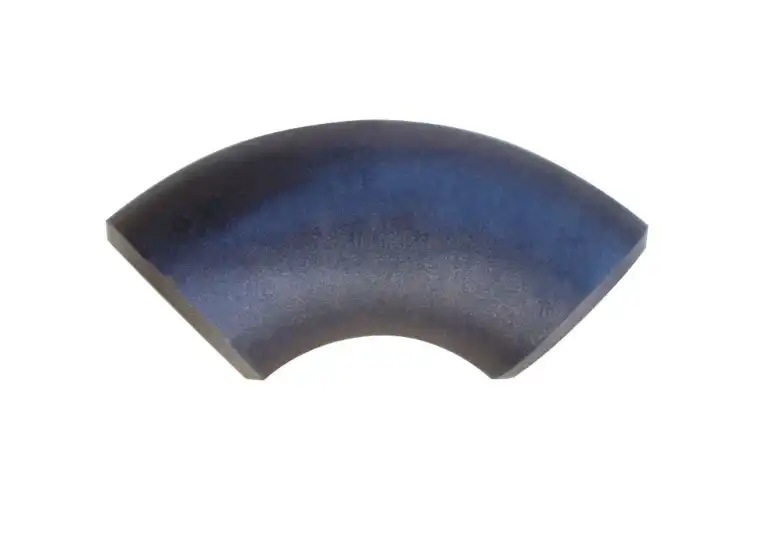
Why Choose a Precision-machined elbow for Critical Systems?
Precision-machined elbows represent the pinnacle of pipe fitting engineering, delivering micron-level accuracy and unmatched reliability where system failure is not an option. Unlike standard cast or forged alternatives, these components are produced through advanced CNC milling and turning processes that guarantee dimensional consistency, ultra-smooth internal finishes, and zero-defect performance. For critical applications in oil and gas, chemical processing, power generation, and water conservancy projects, selecting a precision-machined elbow means choosing operational continuity over costly downtime and catastrophic system failures.
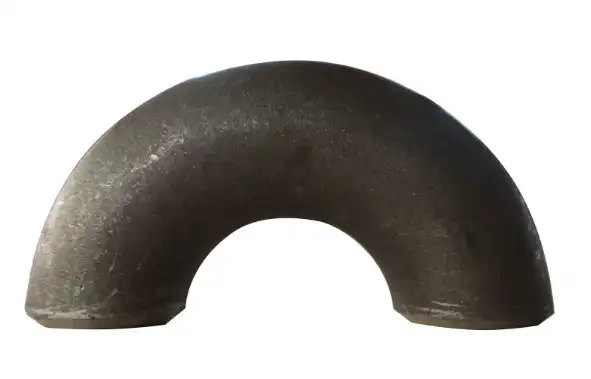
Comparing Precision-Machined Elbows with Other Elbow Types
Knowing how different manufacturing methods affect performance helps buying teams make choices that are both cost-effective and meet the needs of the system. Standard fittings work well for many uses, but for critical systems, the extra reliability that comes from Precision-machined elbows is needed.
Dimensional Control vs. Standard Forgings
While forged elbows are strong, they can vary in size, which makes them harder to put together in flexible hydraulic lines. When putting together systems with a pressure rating of more than 6,000 PSI, stacking tolerance errors from many standard fittings can stop the seal from engaging properly. Precision-machined elbows get rid of this problem by using consistent sizes that make sure the assembly is done right the first time. Offshore drilling companies have asked us to provide Precision-machined elbows for connections that don't leak in underwater control units. This is because standard forgings would have terrible environmental effects in this case.
Mechanical Properties for Demanding Environments
Even though their metallurgical flaws make them unsuitable for heat-cycling settings, cast elbows are still commonly used in low-pressure water systems. In chemical processing plants, temperature changes quickly, which can cause cast fittings to crack from wear and tear. Precision billet cutting creates an oriented grain structure that is much more resistant to these mechanical forces. As part of our quality control procedures, we use ultrasonic testing to find tiny cracks in the surface of parts before they leave our facility. This way, we can be sure that no defects make it to the installation site.
Lifecycle Cost Analysis
Purchasing departments often only look at the original buy price, but to really understand how cost-effective something is, they need to look at things like maintenance costs and the chance of downtime. A Precision-machined elbow costs more up front, but it pays for itself by lasting longer and needing less upkeep. Our Precision-machined elbows were recently used by a natural gas processing plant to replace cast fittings that were prone to erosion and corrosion. Over three years, their maintenance records showed a 60% drop in unexpected shutdowns. This led to huge output gains that were much bigger than the difference in the initial investment. Long-term economics are also affected by the choice of materials. Precision-machined elbows made of stainless steel don't rust in places with bad gas, where carbon steel elbows need to be replaced often. When engineers compare material options, they should add up the total costs over the system's lifetime, which include installation labor, system downtime, and part replacement. Our technical team helps clients find a mix between performance needs and price limits by giving them advice.
Critical Applications and Industry Uses of Precision-Machined Elbows
Heavy industry has harsh working conditions that require parts that can stay together even in the worst situations. Precision-machined elbows are important for making sure that things will work when they break in places where the damage goes beyond just the cost of repairs.
Oil and Gas Infrastructure
Leak-free connections are important for high-pressure pipeline systems that move natural gas or crude oil to avoid environmental tragedies and business losses. Fittings on offshore platforms that work in corrosive marine environments need to be made of super-duplex stainless steel, which is resistant to both internal media and salt spray from the outside. Precision-machined elbows made by Oudi have been used on projects in the Middle East and Southeast Asia, where temperatures can hit 450°F and working pressures are over 10,000 PSI. These programs need to work with API 6A and be checked by a third party, which can only be done by certified manufacturers.
Chemical Processing Plants
When working with strong chemicals like sulfuric acid or caustic soda, you need materials that are carefully matched to the conditions of the process. Precision-machined elbows made of Hastelloy and other nickel metals give these uses the corrosion protection they need. The very smooth finish on the inside keeps chemicals from building up, which could affect product lines or create dangerous reaction sites. When system cleanliness has a direct effect on product quality or worker safety, process engineers choose Precision-machined elbows.
Power Generation Systems
In power plants, pipe fittings are put to the test by the conditions in boiler feedwater systems, steam distribution networks, and cooling water circuits. The changes in temperature between starting up and turning off the computer cause growth forces that break cheaper parts. We make Precision-machined elbows for boilers out of ASTM A234 WP11 alloy steel, which has a limited carbon content that keeps it flexible at high temperatures. The dimensions of these parts meet ASME B16.9 standards, and they are tested hydrostatically at 1.5 times their design pressure to make sure they are structurally sound. Suppliers who follow international standards like ASME, ISO 9001, and special equipment manufacturing licenses show that they care about quality. Oudi keeps these certifications up to date by having regular audits and making improvements to its quality management system all the time. Before giving out contracts for important projects, procurement managers should check the credentials of suppliers.
How to Select the Right Precision-Machined Elbow for Your Project
To choose the right components, you need to look at technical specs, the supplier's skills, and the project's logistics to make sure that you get conforming products on time. Selecting the correct Precision-machined elbow involves specific criteria for choosing materials.
Material Selection Criteria
Matching the material of the elbow to the conditions of use keeps it from breaking too soon and makes sure safety rules are followed. Carbon steel works well in non-corrosive settings and is the most common material used for pipelines carrying oil. Grades of stainless steel like 304L and 316L don't rust, so they can be used in chemical processing and sea settings. In aerospace systems, unusual alloys like Inconel 625 are used for very high temperatures. Our technical staff helps engineers choose the right materials by going over process parameters like temperature, pressure, fluid chemistry, and expected service life.
Dimensional Accuracy Requirements
The tolerances needed for proper function are set by the design of the system. When making semiconductors, ultra-high-purity gas systems need limits measured in microns to make sure the seal stays intact and doesn't get contaminated. Mobile equipment's hydraulic systems need to be perfectly fitted so they can handle vibrations without leaking. When you ask for quotes, you should send thorough drawings with GD&T callouts so that sellers can correctly figure out if the product can be made and how much it will cost. Oudi's Precision-machined elbow tools have limits that are tighter than most industry standards. This gives design engineers more options for how to set up the system.
Supplier Qualification
Working with qualified makers lowers the risk of a project and makes sure that all regulations are followed. Check to see if any possible providers have the ISO 9001 certification, which shows that they have a well-established quality management system. Government regulatory groups give special equipment manufacturing licenses to suppliers to show that their technical skills meet safety standards. To keep these credentials, Oudi's factory in Cangzhou has gone through strict audits. This gives procurement teams confidence in our manufacturing processes. Before signing the deal, look over the supplier's supply history and capacity. We can support projects of all sizes, from small special orders to large-scale infrastructure developments, thanks to our yearly production capacity of 16,000 tons. To meet quick-turn needs, we keep standard sizes and materials in stock, and we can also make things to fit specific needs. Precision-machined elbows typically have lead times of two to four weeks, depending on the complexity and availability of materials. This is faster than most people think, given how precise the parts are.
Ensuring Long-Term System Performance with Precision-Machined Elbows
Precision-machined elbows allow for long-term system performance. The reliability benefits of these parts are at their best when they are installed correctly and maintained regularly.
Installation Best Practices
To keep the tight tolerances, the parts must be installed carefully. If you use a pipe wrench directly on a finished surface, you could scratch it and start rust or stress concentrations. When tightening threaded connections, make sure you use the right torque values to avoid galling or overtightening, which can damage the sealing surfaces. Follow the steps in AWS D1.1 to make sure you get full-penetration welds that strengthen the base metal when you socket-weld or butt-weld joints. In our technical documentation, there are installation instructions for each type of product.
System Integration Considerations
When adding precision parts to current pipe systems, compatibility needs to be taken into account. Make sure that the sizes of the pipe ends or mating flanges are within the acceptable ranges so that they can fit properly with tight-tolerance Precision-machined elbows. When parts don't match, they can stop the seal from compressing properly or cause alignment problems that lead to earlier wear. Before placing an order to upgrade old infrastructure, check with your supplier to make sure the dimensions will work together. Before production starts, Oudi's tech support team looks over customer system models to find any possible integration problems.
Maintenance Protocols
Regular review programs find problems as they start to appear before they become major problems. A visual inspection shows any corrosion, erosion, or mechanical damage that needs to be fixed. Ultrasonic thickness testing checks how much the wall is wearing away during erosive service so that replacements can be planned before leaks happen. For important applications, you might want to do regular pressure tests during planned downtimes to make sure the system is still working properly. Keeping good records of maintenance shows that you're following the rules and gives you information to figure out how long something will last. The reliability benefits that Precision-machined elbows offer are backed up by real-world performance data. Our Precision-machined elbows were used by a water treatment plant in North America instead of standard joints in their chlorine pumping system. Within 18 months, the original fittings started to crack from stress corrosion, which caused unplanned downtime during times of high demand. Our Precision-machined elbows have been working nonstop for more than five years without any problems. This has cut down on the cost of emergency repairs and raised the system's availability from 92% to 99.7%. This improvement in how things are run directly leads to better service for the people they serve.
Conclusion
In conclusion, for important pipe systems, choosing Precision-machined elbows means putting long-term dependability ahead of immediate cost savings. The precise measurements, solid construction, and high-quality finish of these parts directly lead to lower upkeep costs, longer system uptime, and better safety performance. High-precision parts are becoming more and more important as industries try to be as efficient as possible while also following strict rules about safety and the environment. If procurement managers and engineers know about the technical benefits and the right selection criteria, they can set their companies up for operational excellence and a competitive edge in tough industrial settings.
FAQ
Why would you want a Precision-machined elbow instead of a regular forged elbow?
When normal forgings can't meet performance requirements for high-vacuum or ultra-high-pressure seals, Precision-machined elbows are the only way to go because they have much tighter tolerances and better surface finishes. Precision manufacturing gets rid of the differences in size that come with forging, so the assembly results will be the same for all parts. Precision machining is the only way to get the reliability that is needed for applications that need to be leak-proof, like hydrogen fuel systems or handling cryogenic fluids.
Can these elbows be made to fit curves that aren't normal, like 22.5 or 60 degrees?
With CNC cutting, you can make any shape or angle that can't be made with standard bending or casting. Our programming skills let us handle complicated configurations like multi-plane angles and unique end preparations. Custom angles help make the best use of space by reducing the number of fittings needed and improving the flow characteristics of piping layouts. When you send us your request for custom Precision-machined elbows, please be as specific as possible about the angle needs, the material you prefer, and the size tolerances so that we can give you accurate quotes and delivery dates.
How can you keep the joint from rusting?
To make sure the joint is as strong as the base pipe, we use face-seal holes in VCR or SAE configurations or precision-cut chamfers for full-penetration orbital welding. When you design joints correctly, you get rid of any cracks where corrosive media can gather. This stops the localized attack that causes failure. Choosing the right materials is also important. To stop galvanic rusting in parts made of different metals, make sure that the metallurgy of the Precision-machined elbow and pipe matches. Based on your specific service conditions, our engineering team will suggest the best joint configurations for you.
Are Material Test Reports (MTRs) provided?
All Precision-machined elbows come with EN 10204 3.1 or 3.2 certification, which lets you track the materials from the steel mill to the finished part. These records show the chemical make-up, mechanical qualities, and history of heat treatment. They make sure that the product meets the needs of the project and all applicable laws. For quality management system paperwork, digital copies are available, and we keep records for seven years so that they can be used to back up warranty claims or compliance checks. This openness in the paperwork gives buying teams faith in the quality and authenticity of the product.
Partner with Oudi for Superior Precision-Machined Elbow Solutions
Since 1998, Oudi has been making high-quality pipe fittings for over 300 customers in 40 countries. Their approved Precision-machined elbows meet the strictest requirements. Our ISO 9001-certified factory in Cangzhou uses cutting-edge CNC technology and strict quality control to make parts that are better than ANSI, DIN, JIS, and BS standards. Our annual capacity of 16,000 tons ensures a reliable supply for both large-scale infrastructure projects and custom applications, no matter what kind of elbows your project needs: carbon steel, stainless steel, or specialized alloys. Get in touch with our expert team at oudi-04@oudiguandao.com to talk about your Precision-machined elbow needs, get detailed specs, or get project-specific quotes from a reputable maker and provider that cares about your business success.
References
1. American Society of Mechanical Engineers. (2020). ASME B16.9: Factory-Made Wrought Butt-Welding Fittings. New York: ASME Press.
2. Boyer, H.E., & Gall, T.L. (2018). Metals Handbook: Properties and Selection of Metals. Materials Park, OH: ASM International.
3. Nayyar, M.L. (2019). Piping Handbook (8th ed.). New York: McGraw-Hill Education.
4. Perry, R.H., & Green, D.W. (2019). Perry's Chemical Engineers' Handbook (9th ed.). New York: McGraw-Hill Professional.
5. Singh, R., & Khamba, J.S. (2021). Precision Manufacturing Processes: Advances and Applications. London: CRC Press.
6. Schweitzer, P.A. (2017). Metallic Materials: Physical, Mechanical, and Corrosion Properties. Boca Raton: CRC Press.

Need help finding the right solution with our experts. Please contact us.

SINCE 1998 Your Reliable Pipeline Manufacturer