CS Concentric Reducer Exporter with Fast Global Delivery
When your industrial piping project demands reliable diameter transitions, finding a trusted CS Concentric Reducer exporter becomes critical. At Oudi Pipe Manufacture, we specialize in producing high-quality carbon steel concentric reducers that serve vertical pipeline applications across oil, chemical, natural gas, and water conservancy sectors. With manufacturing operations spanning over 66,600 square meters since 1998 and an annual production capacity of 16,000 tons, we deliver certified buttweld fittings to more than 300 customers across 40 countries—backed by ISO 9001 certification and special equipment manufacturing licenses that ensure every component meets international standards.
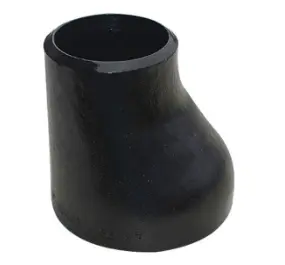
Understanding CS Concentric Reducers: Definition, Specifications & Benefits
What Defines a Carbon Steel Concentric Reducer?
A CS Concentric Reducer is a special kind of pipe fitting part that is made to connect two pipes with different sizes but the same axis. This uniform conical shape makes it easy for process fluids to move easily from bigger to smaller bore sizes. This keeps hydraulic turbulence and pressure drops to a minimum. The buttweld design features beveled ends made to ASME B16.25 standards, allowing full-penetration welds that create lasting, leak-proof joints capable of handling extreme working conditions.
Material Grades and Specifications
Multiple foreign standards, such as ANSI, JIS, DIN, and BS, are met by the CS Concentric Reducers that are made in our factory. ASTM A234 WPB carbon steel, which is the most common type of material, goes through a normalising heat treatment to smooth out the grain structure and keep the hardness below 197 HB. There are different wall thickness choices, from Schedule 10 to Schedule XXS, so engineers can find the right one for each application's pressure needs. Standard bevel angle of 37.5° ± 2.5° with a 1/16-inch root face ensures consistent welding performance. Compound bevels are used on thicker-walled units to improve structural integrity.
Performance Advantages in Industrial Systems
Using CS Concentric Reducers has measurable benefits for operations. The aligned centerline geometry keeps the flow distribution even, which is very important in vertical pump discharge lines where uneven forces could make pipe supports unstable. In high-pressure steam distribution systems that work above 250 bar, the circular profile stops the erosion and rust damage that would happen faster with eccentric fittings because they have different speed profiles. Chemical processing plants are designed in this way because it keeps solid particles from settling during slurry transport, which is important for keeping uniform flow characteristics that affect the efficiency of reactions and the quality of the products made.
Comparing CS Concentric Reducers: Making the Right Choice for Your Pipeline
Concentric Versus Eccentric Design Selection
Knowing when to choose concentric over eccentric reducers has a direct effect on how well the system works. CS Concentric Reducers work best when the pipeline is oriented vertically, and keeping the structure symmetric is more important than preventing air pockets. On the other hand, to stop cavitation, horizontal pump suction lines usually need eccentric reducers with flat-top alignment. This basic difference affects not only hydraulic performance but also long-term maintenance needs. If you don't make the right choice, you could end up with premature wear, noise, and lost efficiency, all of which add to the overall cost of running the equipment over its lifetime.
Material Considerations for Corrosive Environments
For most uses, carbon steel grades are very cost-effective. However, if the process is corrosive, you may want to switch to stainless steel or alloy steel grades. Our range of products includes ASTM A403 WP304/316 stainless steel reducers for use with acidic or chloride-containing fluids, as well as alloy steel types like A234 WP11 and WP22 for use at high temperatures. When purchasing things, teams should look at more than just the initial cost of the materials. They should also think about the total cost of ownership, taking into account things like expected service life, maintenance intervals, and the downtime risks that come with critical process systems breaking down too soon.
Pressure Rating and System Integration
Buttweld CS Concentric Reducers get their pressure rating from the schedule and material grade of the pipe they are attached to, while flanged fittings have their own separate pressure classes. When engineers are specifying this feature, they need to pay close attention because a Schedule 40 reducer can't just connect to a Schedule 80 pipe without first drilling an internal counterbore to get rid of the step change in wall thickness. These changes create turbulence zones that speed up rust and erosion, which could weaken the system's stability. When wall thicknesses and bore diameters are matched correctly, the whole pipe system has consistent hydraulic flow and structure.
Procurement Made Easy: Ordering CS Concentric Reducers with Confidence
Streamlined Bulk Ordering Processes
Our manufacturing capacity can handle both small custom orders and project needs that require hundreds of tonnes of goods. Our direct factory pricing structure is good for business-to-business buyers because it gets rid of the markups that distributors add on top of the prices. We also keep strict quality control, from checking the raw materials to the final inspection. Bulk purchasing deals offer volume-based rewards that lower the cost per unit. This is especially helpful for EPC contractors who are in charge of building projects that have more than one step. Within 24 hours, our sales team sends out thorough quotes that include material certifications, dimensional reports, and shipping plans that are tailored to the needs of the project.
Customization Capabilities for Unique Applications
Most pipeline uses can be covered by standard catalogue measurements, but we often make non-standard sizes to meet the needs of unique projects. Custom manufacturing choices include mixes of middle diameters, longer transition lengths for smooth speed changes, and unique alloy compositions that meet particular requirements. Our engineering department works closely with the technical teams of our clients to make sure that the design parameters are correct. This includes making sure that the dimensions are compatible with existing infrastructure and that all codes and standards are followed. This adaptability comes in handy for retrofit projects that need to use non-standard setups because of limited room or old equipment.
Global Logistics and Delivery Assurance
Being close to Tianjin Port—only 120 kilometres from our factory—allows for quick loading of CS Concentric Reducer containers and reasonable international shipping rates. We work with well-known goods forwarders who know how to handle industrial materials and can deliver goods door-to-door in Europe, the Americas, Africa, Southeast Asia, and the Middle East. Standard lead times for stock material grades are 30 to 45 days, but faster production is available for those who need it right away. Shipments come with full documentation for tracking materials, mill test certificates, and, if requested, third-party inspection reports. This helps with customs clearance and meeting project documentation needs.
Technical Standards, Installation & Maintenance of CS Concentric Reducers
Certification Compliance and Quality Verification
Our ISO 9001:2000-certified quality management system controls every step of the production process, from chemical analysis of the raw materials that come in to final checking of dimensions and non-destructive testing. The Special Equipment Manufacturing License that the Chinese government gave us proves our technical skills and production control systems. Each reducer goes through hydraulic testing to make sure the structure is sound, and ultrasound testing can be done for high-stakes service situations. Material certificates show the chemical make-up and mechanical features of an item, all the way back to the steel mill's heat number. They are used for quality control programs for clients and audits to make sure they are following the rules.
Installation Best Practices
The dependability and service life of a joint are directly affected by how it was installed. Welding procedures should follow the qualified parameters in ASME Section IX, making sure that the electrode choice and heat input are right for the grade of the base material. Checking the shape of the bevel, cleaning the surfaces to get rid of dirt and debris, and making sure the parts are lined up correctly to avoid high-low mismatch are all parts of pre-weld preparation. For some types of carbon steel and wall thicknesses, a post-weld heat treatment may be needed to remove any remaining stresses and make the material tough again. A x-ray or ultrasonic test confirms the quality of the weld, making sure that the joints are free of flaws and can handle the design forces for the entire service life.
Maintenance Protocols for Extended Service
Regular inspections should check reducers for corrosion on the outside, especially in places where insulation moisture can build up. By looking inside during planned shutdowns, you can find erosion patterns, damage caused by flow-induced vibrations, or stress corrosion cracks before they become problems. Ultrasonic measures of thickness keep track of the rate of wall loss, which lets replacements be planned ahead of time and stops unexpected outages. When supports are placed correctly near reducers, they reduce bending stresses that could damage welded joints. These preventative repair methods make the best use of assets while keeping workers safe and the environment intact.
Why Choose Oudi as Your CS Concentric Reducer Exporter with Fast Global Delivery?
Proven Manufacturing Excellence Since 1998
Our quarter-century operational history demonstrates sustained commitment to quality and customer satisfaction. We are in Mengcun Hui Autonomous County, which is known across the country as the "China Fitting" manufacturing hub. Our global customers gain from the local knowledge and better facilities that we have access to. When you combine advanced production equipment with skilled technical staff, you get consistent results that meet even the strictest requirements.
Hot and cold processing methods are both used for advanced forming, and each is best for a different size range and material grade. Hot forming makes changes between bigger and smaller diameters with controlled grain flow that improves mechanical properties. Cold forming, on the other hand, makes smaller parts with tighter tolerances for size. As long as the normalising furnaces are the right size for the amount of work that needs to be done, the heat treatment cycles will be even and meet the hardness and toughness standards. Computer-controlled machining centers keep the accuracy of the bevel angle within the limits set by ASME B16.25. This supports high-quality welds that work effectively in a range of circumstances.
In our inspection lab, we have standardised tools like spectroscopy for chemical analysis, tensile testing machines, impact testers for checking low-temperature service, and ultrasound systems that look for flaws. This wide range of testing options lets you check the quality of everything in-house, so you don't have to rely on outside labs that could cause delivery delays. The full checking method used from receiving the raw materials to releasing the finished goods gives written proof that each part meets the requirements.
Comprehensive Product Portfolio
We can also make all kinds of buttweld fittings, not just CS Concentric Reducers. These include elbows, tees, caps, and stub ends. This variety lets you buy from a single source, which makes managing vendors easier, cuts down on administrative costs, and makes sure that the quality is the same across all fitting categories. The sizes of the materials available range from ½-inch to 72 inches in diameter and are made of carbon steel, stainless steel, and alloy steel. This level of flexibility meets the needs of a wide range of projects without making buyers manage multiple suppliers or lower quality standards.
Responsive Customer Support Throughout Project Lifecycle
From the first review of the specifications to support after the installation, our technical sales team is here to help. With engineering help, choosing the right fittings for a job can be made easier, and by using different materials or designs that meet performance standards at a lower total cost, you may be able to save money. Quick production schedules meet the needs of urgent projects, and flexible payment terms help build long-term partnerships. After-sales service includes help with fixing problems, help with documentation for upkeep programs, and a quick supply of replacement parts that reduce the effect of downtime.
Conclusion
Choosing the right CS Concentric Reducer supplier affects the success of the project by affecting the quality of the product, the dependability of shipping, and the quality of expert support. We are a reliable partner for industrial piping projects all over the world because we can manufacture, have international certifications, and have a history of exporting. Advanced production technology, thorough quality systems, and service that focuses on the customer all work together to provide value throughout the entire purchase and operational lifetime. Our engineering team is ready to provide solutions that meet your exact needs, whether you need them for high-pressure steam systems, corrosive chemical handling, or important oil and gas infrastructure.
FAQ
1. How do I select between concentric and eccentric reducers for my application?
Choose CS Concentric Reducers for vertical pipeline runs where keeping the axis straight keeps the structure stable and evens out the load on the supports. When flow uniformity is more important than preventing air pockets, this plan works well. For horizontal pump suction lines, flat-top eccentric reducers are usually needed to keep vapour from building up and causing cavitation damage.
2. What delivery timeframe should I expect for bulk orders?
Standard wait times for popular carbon steel types in stock sizes are 30 to 45 days. This includes time for production, quality testing, and making the paperwork. Depending on the supply of raw materials, custom sizes or types of alloy may add 10 to 15 days to the lead time. For immediate needs, we can speed up the working time, which could cut delivery time to 20 to 25 days through more efficient scheduling of production.
3. Can you manufacture non-standard dimensions and materials?
Our engineering department often makes custom configurations to fit the needs of specific projects. With the right technical paperwork, non-standard combos of diameters, longer transition lengths, and custom alloy compositions can be used. For accurate manufacturing and quality assurance, custom orders need detailed specifications like the type of material used, the size and shape, the testing requirements, and any applicable standards.
Partner with Oudi for Your CS Concentric Reducer Supply Needs
Professionals in purchasing and project engineering are welcome to visit Oudi Pipe Manufacture and see for themselves why they have been trusted by over 300 customers in 40 countries. We have been making CS Concentric Reducers for a long time and offer reasonable prices, certified quality, and reliable global service. Our staff offers personalised expert advice to help you choose the best fittings for your individual needs. Email us at oudi-04@oudiguandao.com right now to talk about the details of your project and get a detailed quote. Our experts will help you choose the right materials, make sure they are the right size, and plan your deliveries so that your piping system parts arrive on time and are ready to be installed. This is true whether you need standard catalogue items or custom-engineered solutions.
References
1. American Society of Mechanical Engineers. (2021). ASME B16.9: Factory-Made Wrought Buttwelding Fittings. New York: ASME Press.
2. American Society of Mechanical Engineers. (2019). ASME B16.25: Buttwelding Ends. New York: ASME Press.
3. American Society for Testing and Materials. (2020). ASTM A234/A234M: Standard Specification for Piping Fittings of Wrought Carbon Steel and Alloy Steel for Moderate and High Temperature Service. West Conshohocken: ASTM International.
4. Nayyar, M.L. (2018). Piping Handbook (8th ed.). New York: McGraw-Hill Education.
5. Singh, R. & Solanki, V.S. (2017). Industrial Piping and Equipment Estimation Manual. Cambridge: Gulf Professional Publishing.
6. American Petroleum Institute. (2020). API 570: Piping Inspection Code - In-service Inspection, Rating, Repair, and Alteration of Piping Systems. Washington, DC: API Publishing Services.

Need help finding the right solution with our experts. Please contact us.

SINCE 1998 Your Reliable Pipeline Manufacturer



