Which Steel Concentric Pipe Reducer Grade Is Best for You?
Choosing the right steel concentric pipe reducer grade depends on your application's operating pressure, temperature range, fluid type, and environmental exposure. For vertical pipeline systems in oil refineries and power plants, ASTM A234 WPB carbon steel offers excellent tensile strength and cost-effectiveness. In corrosive environments like chemical processing, ASTM A403 WP316L stainless steel provides superior resistance. High-temperature applications benefit from alloy steel grades like ASTM A234 WP11 or WP22, engineered specifically for thermal cycling performance.
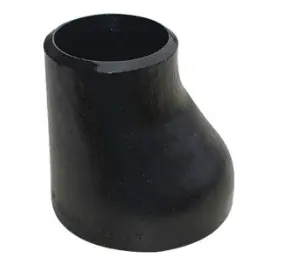
Understanding Steel Concentric Pipe Reducer Grades
What Defines a Concentric Reducer?
The input and exit centerlines of a Steel Concentric Pipe Reducer are exactly lined up because it has a symmetrical conical shape. Because of its shape, it is different from eccentric reducers, which keep one flat edge to stop air pockets from forming in horizontal installations. The circular design encourages balanced flow characteristics, which makes it perfect for vertical pump discharge lines and steam distribution systems. In these settings, keeping the pipes lined up is important for controlling heat expansion and making sure the structure stays strong.
Common Material Grades and Their Properties
The choice of material has a big impact on performance in a wide range of industrial settings. For general service uses, carbon steel types are the most cost-effective choice. ASTM A234 WPB is the standard in the industry. It has reliable mechanical properties, including a minimum tensile strength of 60,000 PSI and a yield strength of 35,000 PSI. It can be used in moderate temperature ranges up to 400°C. Wall thickness is based on common schedules (SCH 40, SCH 80, XS, and XXS), which makes sure that it works with current pipe systems.
Stainless steel types are made to resist corrosion in situations that are acidic, chloride-rich, or oxidising. ASTM A403 WP304 has 18% chromium and 8% nickel, which is a good mix for resisting corrosion in mildly corrosive media. ASTM A403 WP316L has 2% to 3% molybdenum added to it, which makes it much more resistant to pitting and crevice corrosion in marine environments and process streams that contain chloride. The letter "L" means that the material has a low carbon content (≤0.03%), which keeps it from becoming sensitive during welding and keeps its corrosion resistance in areas that have been heated.
Different types of alloy steel can handle high and low temperatures and pressures. ASTM A234 WP11 (1.25% chromium, 0.5% molybdenum) can be used in temperatures up to 593°C, and ASTM A234 WP22 (2.25% chromium, 1% molybdenum) can be used in temperatures up to 649°C. These metals keep their creep resistance even after being exposed to high temperatures for a long time. This keeps superheated steam lines and petrochemical crushers from losing their shape and breaking down early.
How Material Composition Impacts Performance
The amount of chromium affects how well something resists oxidation and how quickly a passivation layer forms. Nickel, on the other hand, makes it easier to shape and tougher at low temperatures. Molybdenum makes things stronger against localised rust, which is especially important in sour gas uses with hydrogen sulphide. Hardness and weldability are both affected by carbon content. Lower carbon levels make it easier to weld, but they may also lower strength, so they need to be carefully specified based on joint design and heat treatment methods after welding.
Key Factors to Consider When Choosing the Best Steel Concentric Pipe Reducer Grade
Operating Conditions Assessment
Pressure ratings are the most important factor in choosing the right material grade. For systems with pressures above 1,500 PSI, you need materials that are strong in a hoop and not break under stress. When temperatures change quickly and often, materials must keep their mechanical properties across all of their useful temperature ranges without becoming weak or deforming too much. This is called thermal stress. When flow speed goes up at the reduction taper, chemical attack or erosion-corrosion can cause catastrophic failures. Fluid compatibility analysis stops these failures before they happen.
Environmental and Installation Context
Weathering, UV damage, and changes in temperature can damage outdoor installations, so they need protective coatings or materials that don't rust naturally. Chloride-induced stress corrosion cracking happens faster in marine settings, especially in austenitic stainless steels that are under tensile stress. Cost-optimized carbon steel grades may be possible in controlled indoor environments if the right surface treatments are used. Whether concentric or eccentric shape works best depends on whether the installation is vertical or horizontal. However, this guide is only about Steel Concentric Pipe Reducer situations where centerline alignment is very important.
Compliance and Certification Requirements
Dimensional tolerances, mechanical properties, and testing procedures are all governed by international standards. ASME B16.9 specifies wrought buttwelding fittings that are made in factories and come in sizes ranging from NPS 1/2 to NPS 48. The face-to-face dimensions are standardised so that products from different manufacturers can be used interchangeably. ASTM standards set limits on chemical makeup and basic mechanical properties that can be checked with mill test certificates. ISO 9001 certification demonstrates systematic quality management throughout manufacturing processes, while special equipment manufacturing licenses confirm regulatory compliance for pressure-containing components.
Oudi keeps a lot of certification paperwork, which includes material traceability from buying the raw materials to inspecting the finished product. Our quality control methods include checking the dimensions against ASME B16.9 tolerances, identifying the material using handheld XRF analysis, and using ultrasonic or radiographic methods for non-destructive testing to find flaws below the surface where stress builds up in the transition zone.
Steel Concentric Pipe Reducer Grade Comparison and Practical Use Cases
Stainless Steel vs. Carbon Steel: Performance and ROI Analysis
Prices for stainless steel grades are usually three to five times higher than those for carbon steel equivalents. This is because they last longer in corrosive environments. A chemical processing plant that uses ASTM A403 WP316L for sulphuric acid service may get 20 years of service life, compared to 3 to 5 years for coated carbon steel. This means that the higher initial investment is worth it because the steel will last longer and need less maintenance, which will offset the higher cost. On the other hand, ASTM A234 WPB carbon steel is used in water distribution systems that control the pH and dissolved oxygen levels to get good performance at a much lower cost.
To figure out the total cost of ownership, you have to add up the costs of installation labour, system downtime during repairs, and keeping extra parts in stock. The better weldability of carbon steel cuts down on the time needed to make something in the field, and the resistance to scaling of stainless steel means that it doesn't need to be cleaned regularly, so it can keep its flow capacity for decades.
High-Pressure Application Recommendations
For hot vapour lines, refineries that use fluid catalytic cracking units at 400 PSI and 500°C usually choose ASTM A234 WP11 alloy steel. Inadvertently fitting carbon steel reducers designed for lower temperatures led to early failures at a North American petrochemical complex. Creep deformation at high temperatures caused joint misalignment and gasket leaks within 18 months. When properly described, WP11 fittings were replaced, and the system's integrity was restored. This shows how important it is to match the material grade to the real working conditions.
Power plants that use superheated steam at 2,400 PSI and 565°C need metal content grades that are at least ASTM A234 WP22. For these uses, the materials need to be able to keep their tensile strength over long periods of time at high temperatures and also not oxidise or scale, which would block flow pathways.
Corrosion Resistance Across Industrial Sectors
ASTM A403 WP316L stainless steel is used by chemical processing plants that work with phosphoric acid, nitric acid, or caustic solutions to keep the walls from rusting through. When an Asian fertiliser company switched its ammonia synthesis loop from carbon steel to 316L stainless steel, it cut its annual maintenance costs by 60% because it no longer had to change fittings every three months. When oil and gas companies process sour crude oil that contains hydrogen sulphide, they need special grades that meet NACE MR0175 standards for sulphide stress cracking resistance. For the harshest conditions, these grades are usually low-carbon stainless steels or nickel alloys.
The uniform design of Steel Concentric Pipe Reducers keeps solids from building up in wastewater treatment plants that move sludge in vertical lift stations. ASTM A234 WPB carbon steel with fusion-bonded epoxy coating is a cost-effective way to protect against corrosion in city uses. If placed and kept properly, it can last for more than 30 years.
How to Verify Quality and Source Reliable Steel Concentric Pipe Reducers
Supplier Evaluation Criteria
During factory checks, procurement teams should look at production tools, quality control labs, and how raw materials are stored to make sure that the factories can make what they say they can. CNC-controlled forming equipment is used in advanced manufacturing facilities to make sure that all production batches are the same size. Having spectrometers, tensile testers, and ultrasonic flaw detectors in-house testing labs shows that quality checks are done before the goods are shipped.
The factory that makes Oudi's pressure vessel parts in Cangzhou is ISO 9001:2000 certified and has a People's Republic of China Special Equipment Manufacturing License, which shows that it follows the rules for making these parts. Our 66,600-square-meter building has high-tech forming presses, heat treatment furnaces, and automatic checking systems that help us keep the quality of all of our products, such as bends, flanges, tees, and caps made from alloy steel, carbon steel, and stainless steel.
Critical Documentation and Testing Protocols
Material Test Certificates link chemical make-up and mechanical features to exact heat numbers. This makes it possible to track down problems during service and return the product. Positive Material Identification using handheld XRF analysis makes sure that the actual composition matches the grade that was given, which stops mistakes that cost a lot of money. Reports on Non-Destructive Testing show that ultrasonic tests showed that there were no laminations, cracks, or void defects in areas of high stress.
Pressure integrity at 1.5 times design pressure is confirmed by hydrostatic testing, but this is usually done on raw materials before they are used instead of finished fittings. Charpy V-Notch impact testing at certain temperatures proves low-temperature toughness for cryogenic service—ASTM A420 WPL6 carbon steel must show enough impact energy at -46°C to avoid brittle fracture in LNG uses.
Logistics and Procurement Best Practices
Steel Concentric Pipe Reducer lead times depend on the supply of materials and the schedule for production. Standard carbon steel grades usually ship within two to four weeks, but speciality metals or custom sizes may take six to eight weeks. You can discuss prices when you buy in bulk, which is called economies of scale. However, the minimum order numbers should match the needs of the project to avoid having to pay too much for storage. Adequate packaging stops shipping damage; wooden crates with padding inside keep bevelled ends from deforming when they hit something, which would lower the quality of the weld joint.
Since Oudi has exported to 40 countries, they are familiar with the rules for foreign shipping, the paperwork needed for customs, and the desires for regional specifications. Our established logistics network makes sure that orders get delivered safely to ports in North America. Usually, it takes 30 to 35 days from the time an order is confirmed for the package to arrive. Bulk order price represents our 16,000-ton annual capability, giving cost benefits for big infrastructure projects needing standardized fittings across multiple pipeline segments.
Installation and Maintenance Tips for Steel Concentric Pipe Reducers
Proper Installation Procedures
Making sure that the dimensions are compatible is the first step to a successful fitting. Making sure that the outside diameter and wall thickness match the neighbouring pipes stops fit-up gaps that lower the quality of the weld. To keep the weld pool clean, bevelled ends need to be cleaned of mill scale, rust, or protective coatings. Alignment tools keep concentricity during tack welding, particularly important for bigger diameter fittings, where gravitational sag may introduce angular misalignment.
Welding procedures must be done according to approved welding procedure specifications that are right for the grade of the base material. Stainless steel needs inert gas backing (argon or nitrogen) to stop sugaring on the root pass inner surface. For alloy steels, pre-heating to 150–200°C and controlled cooling rates are often needed to stop cracks caused by hydrogen. Post-weld heat treatment reduces leftover stresses in carbon steel and alloy steel, and fits with walls thicker than what is required. This keeps the mechanical qualities and dimensional stability of the parts while they are in use.
Maintenance Schedules and Inspection Protocols
During planned shutdowns, a regular eye check finds surface corrosion, erosion patterns, or coating decay that needs to be fixed. Ultrasonic thickness testing every three to five years determines how much metal is being lost, so replacement can be planned ahead of time before the wall thickness falls below the minimum requirements. Critical high-pressure systems can benefit from regular X-rays that check the integrity of the welds and find cracks spreading before they break completely.
When used in corrosive environments, carbon steel fittings need to have their protective coatings maintained. Damaged areas need to be fixed on the spot to stop corrosion from speeding up where the coating is broken. Installations made of stainless steel don't need much maintenance other than being cleaned every so often to get rid of surface deposits that could start corrosion in cracks. Alloy steel parts that are used at high temperatures should be hardness tested on a regular basis to find any changes in the metal's structure that could be caused by overheating or thermal cycling that goes beyond what was intended.
Troubleshooting Common Issues
A lot of the time, early problems happen because the wrong grade of material was chosen, like using carbon steel in a service that will corrode it or selecting an alloy content that is too low for the temperature. Leaking weld joints are usually caused by dirty filling metal, not enough pre-heating, or the wrong shape of the joint. If the Steel Concentric Pipe Reducer taper is wearing away because of flow, it could be because the fittings are too small or there are gritty particles in the fluid stream. This means that the material needs to be filtered or upgraded to grades that are less likely to wear away.
Conclusion
To choose the best Steel Concentric Pipe Reducer grade, you need to carefully look at its pressure ratings, temperature exposure, fluid properties, and the environment, while also keeping your budget and legal requirements in mind. For general industrial use, carbon steel grades like ASTM A234 WPB work well and don't cost much. Stainless steel grades, on the other hand, don't rust, which is why they cost more in chemical processing and marine applications. Alloy steel grades are necessary for petrochemical and high-temperature power generation applications where long-term dependability depends on how stable the steel is at high temperatures. Product quality that lasts for decades of safe use is guaranteed by strict seller evaluations that focus on certifications, testing methods, and production capabilities.
FAQ
1. What distinguishes concentric reducers from eccentric reducers?
The main change is centerline orientation. Steel Concentric Pipe Reducers make sure that the centers of the inlet and outlet are lined up, which makes a symmetrical cone shape that is perfect for vertical pipes where air buildup isn't a big problem. Eccentric reducers move the centerlines away from each other, leaving one side flat (either at the bottom or the top of the pipe). This keeps vapour pockets from forming in horizontal installations, which is especially important for pump suction lines, where air entry causes damage called cavitation.
2. How do I select the appropriate steel grade for high-pressure pipelines?
Pressure and temperature in the system design should match the mechanical properties of the material. Systems with more than 1,500 PSI at room temperature need to be checked for a minimum yield strength. ASTM A234 WPB has a 35,000 PSI yield strength that is good for many uses. At high temperatures, alloy content that maintains its strength over time is needed. ASTM A234 WP11 is good for use up to 593°C, and WP22 goes up to 649°C. Check for compliance by looking at mill test records that show the real mechanical features.
3. Are custom dimensions available for specialized applications?
Custom manufacturing is usually how manufacturers handle non-standard sizes, though they may have minimum order numbers. Standard sizes in ASME B16.9 range from NPS 1/2 to NPS 48, but sometimes the needs of a specific project call for sizes in between or longer lengths. For custom orders, you need to include specifics like the material grade, heat treatment needs, testing methods, and any limits for sizes. When compared to catalogue items, lead times are longer, usually adding two to four weeks to normal production schedules.
Partner with Oudi for Premium Steel Concentric Pipe Reducer Solutions
You can trust Oudi as a supplier of Steel Concentric Pipe Reducers because they have been making high-quality products for 26 years and know a lot about different material grades. Our factory in Cangzhou is ISO 9001-certified and makes ASTM A234 WPB carbon steel, ASTM A403 WP304/316L stainless steel, and ASTM A234 WP11/WP22 alloy steel reducers that meet ASME B16.9 measurement standards so they can fit easily into your pipeline systems.
We know how hard it is for engineering teams to make sure that suppliers meet their needs while also staying within their budgets and meeting the deadlines for time-sensitive projects. Our 16,000-ton annual capacity ensures a reliable supply for large infrastructure developments, while our established export network serves clients across North America, Europe, Southeast Asia, and the Middle East with consistent quality and predictable lead times. Each fitting goes through a strict quality check that includes measuring, PMI testing, and an NDT examination. The results are recorded in detailed material test certificates and inspection reports.
Email our technical team at oudi-04@oudiguandao.com to talk about the needs of your specific application. We provide thorough material suggestions, competitive quotations showing our direct manufacturer pricing, and responsive help throughout your buying process. If you need fittings for a refinery expansion, an upgrade to chemical processing, or a project to make electricity, Oudi has certified Steel Concentric Pipe Reducers that are built to last.
References
1. American Society of Mechanical Engineers. (2018). ASME B16.9: Factory-Made Wrought Buttwelding Fittings. New York: ASME Press.
2. ASTM International. (2020). ASTM A234/A234M: Standard Specification for Piping Fittings of Wrought Carbon Steel and Alloy Steel for Moderate and High Temperature Service. West Conshohocken: ASTM International.
3. ASTM International. (2019). ASTM A403/A403M: Standard Specification for Wrought Austenitic Stainless Steel Piping Fittings. West Conshohocken: ASTM International.
4. Mohitpour, M., Golshan, H., & Murray, A. (2007). Pipeline Design and Construction: A Practical Approach (3rd ed.). New York: American Society of Civil Engineers Press.
5. Singh, R. (2017). Applied Welding Engineering: Processes, Codes, and Standards (2nd ed.). Oxford: Butterworth-Heinemann.
6. Revie, R. W., & Uhlig, H. H. (2008). Corrosion and Corrosion Control: An Introduction to Corrosion Science and Engineering (4th ed.). Hoboken: John Wiley & Sons.

Need help finding the right solution with our experts. Please contact us.

SINCE 1998 Your Reliable Pipeline Manufacturer



